Visual Learning Math Worksheets for Ages 4-6 - Page 4
96 filtered results
-
From - To
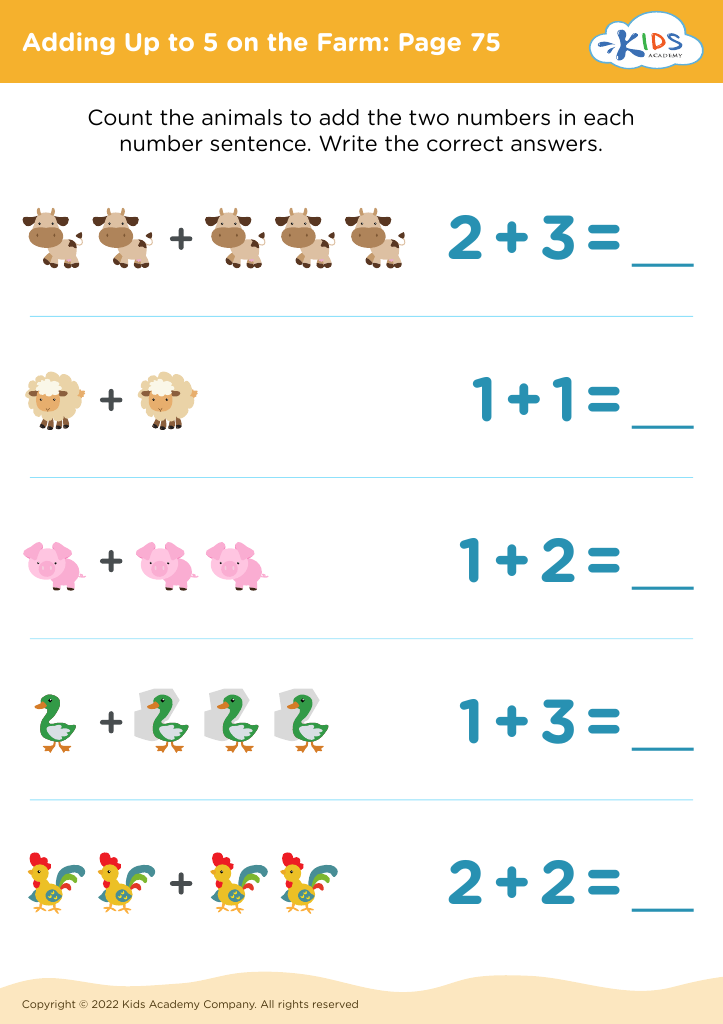
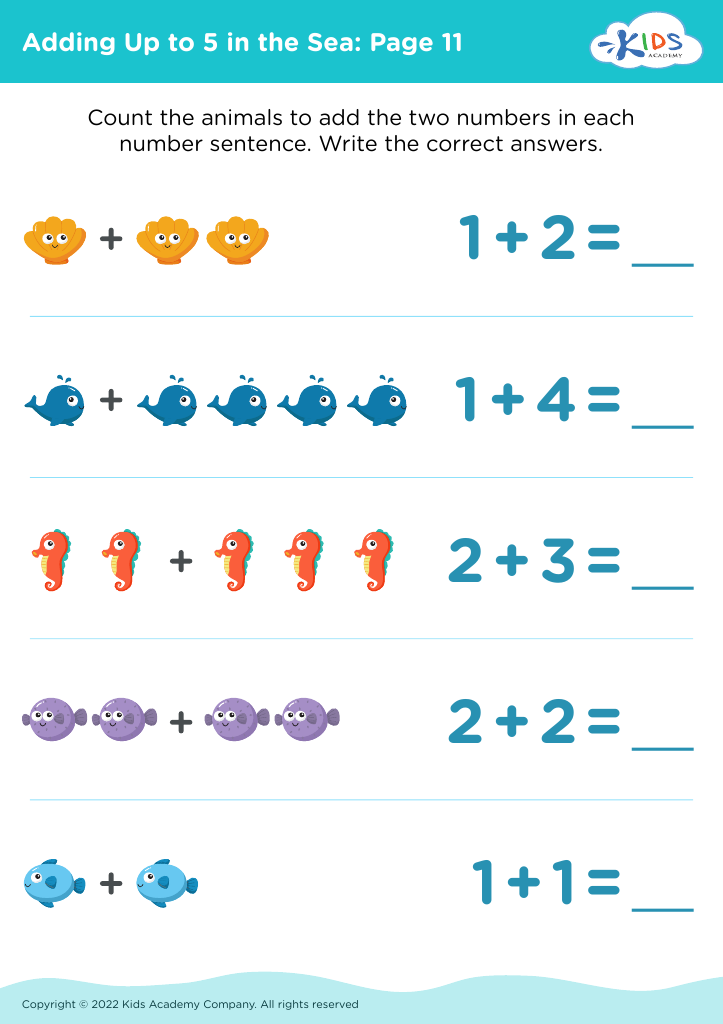
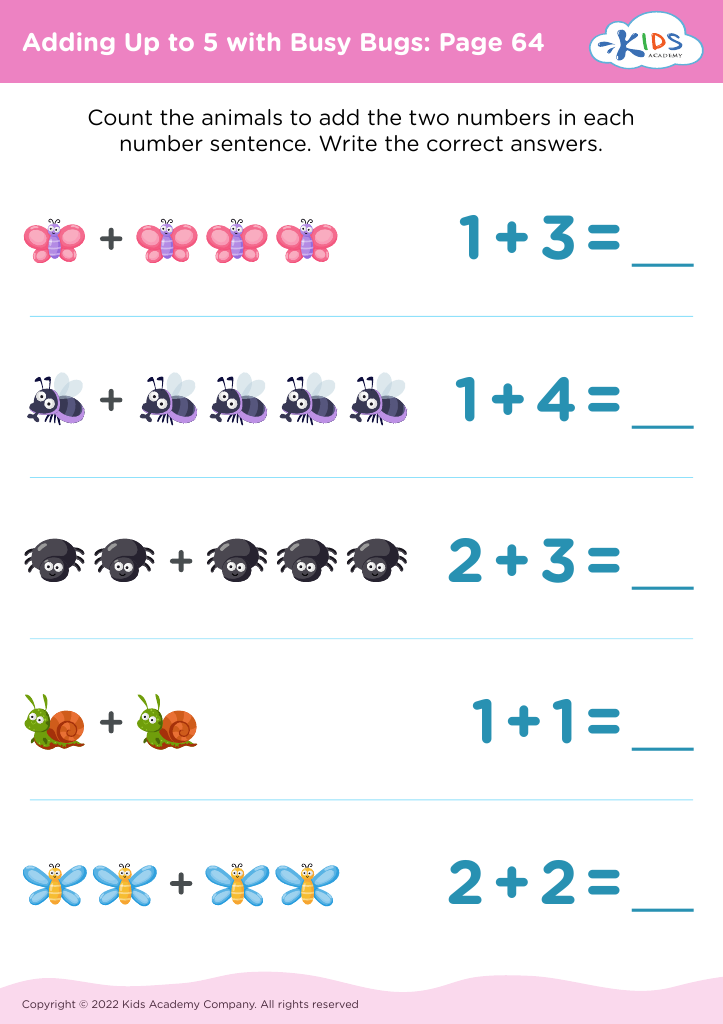
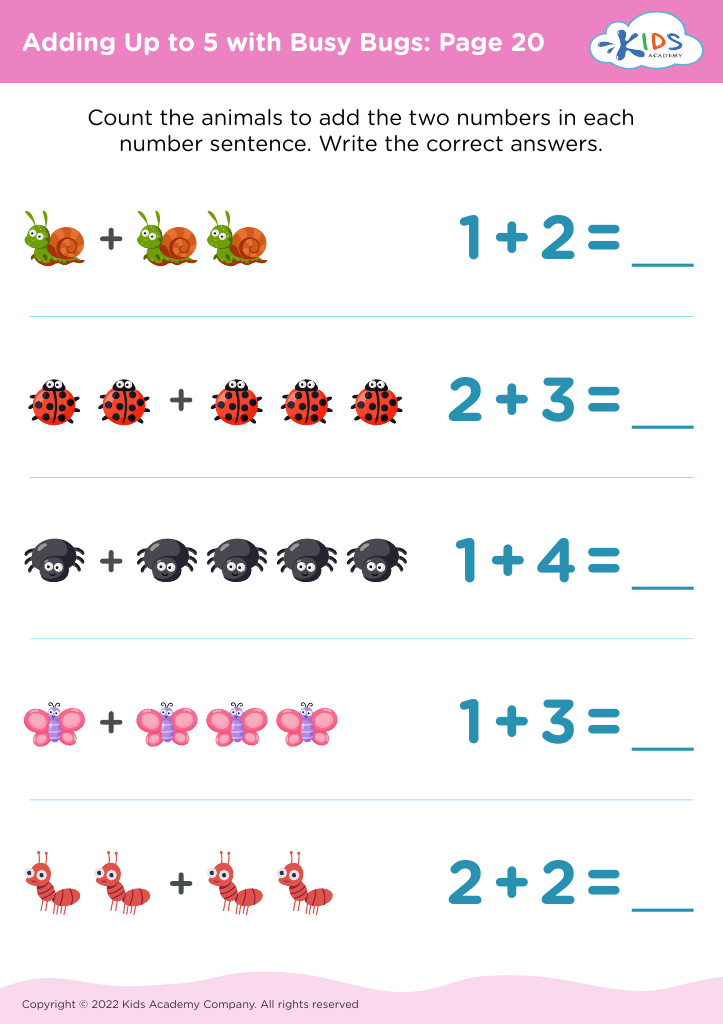
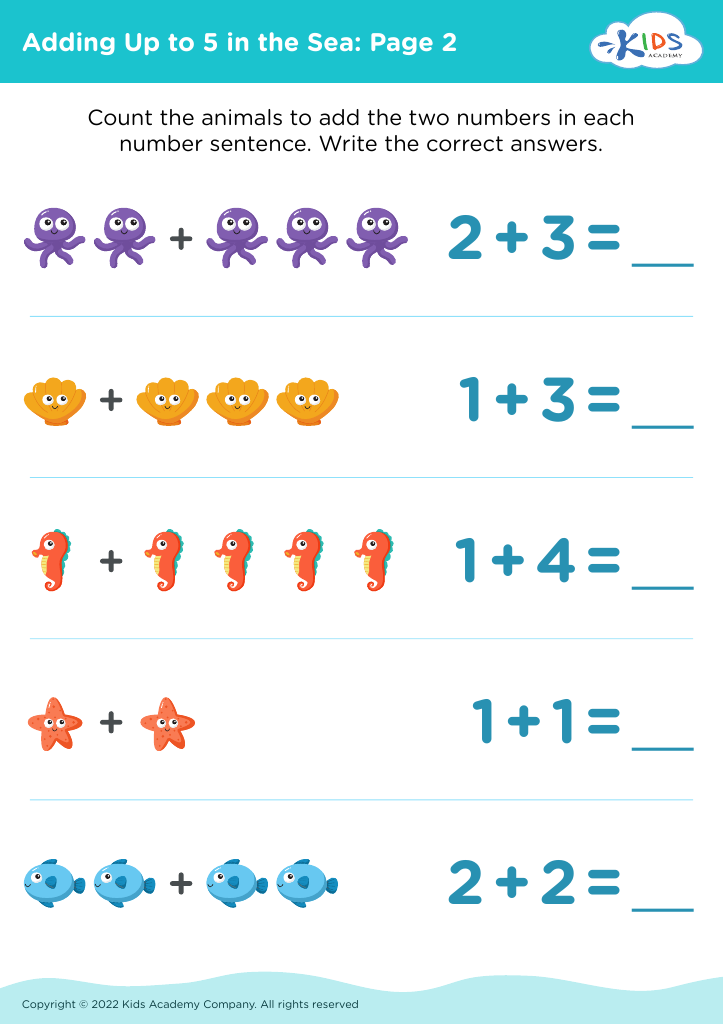
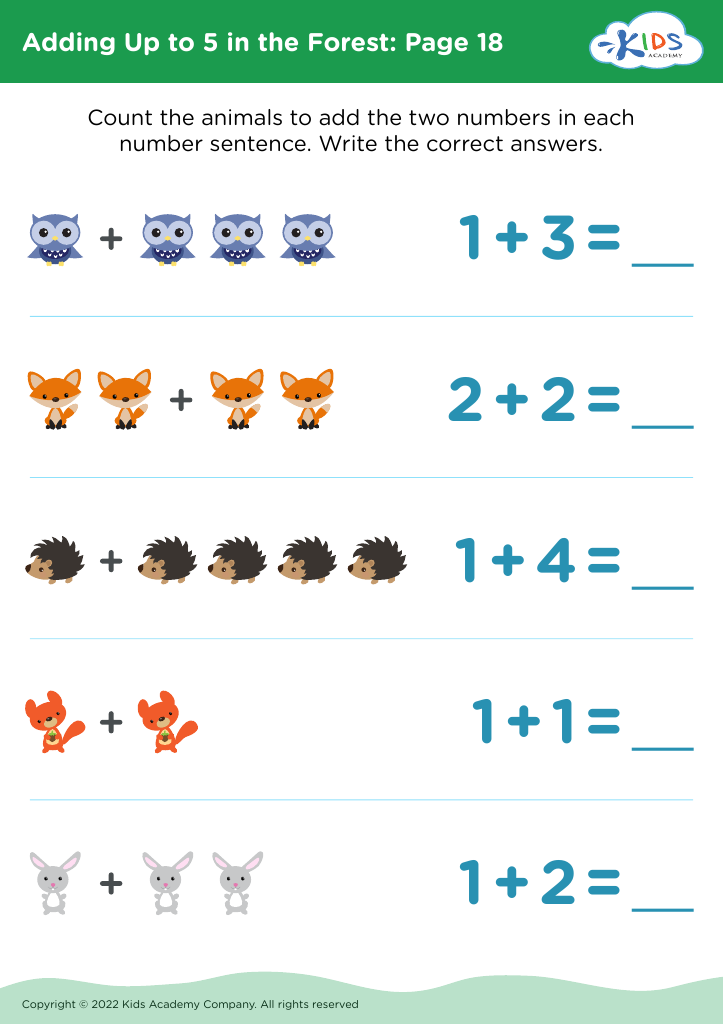
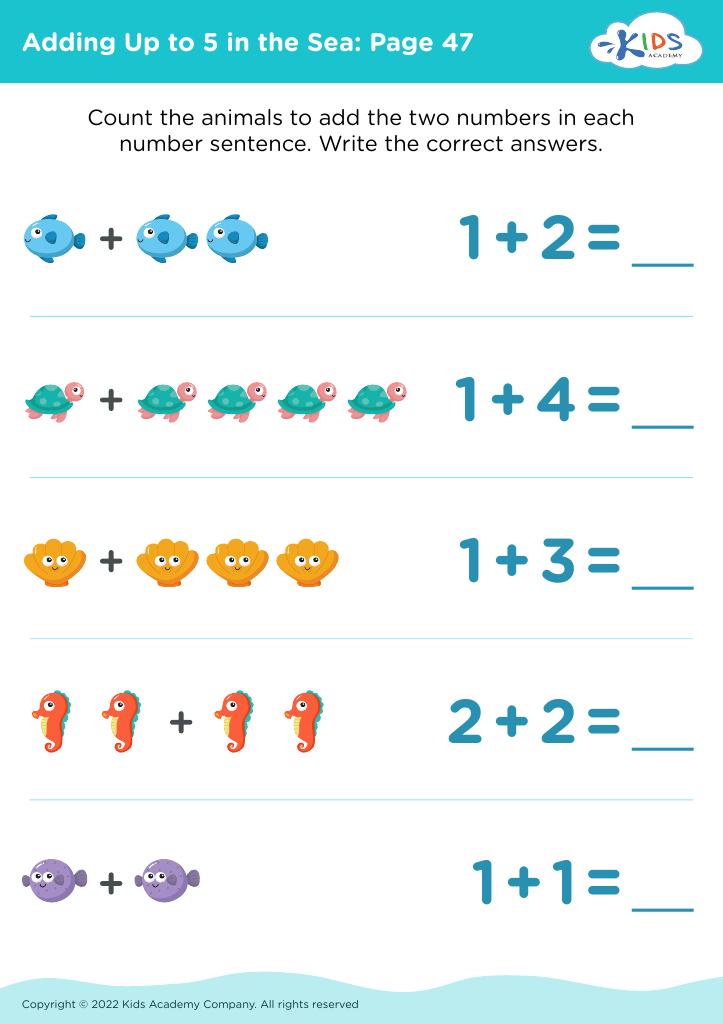
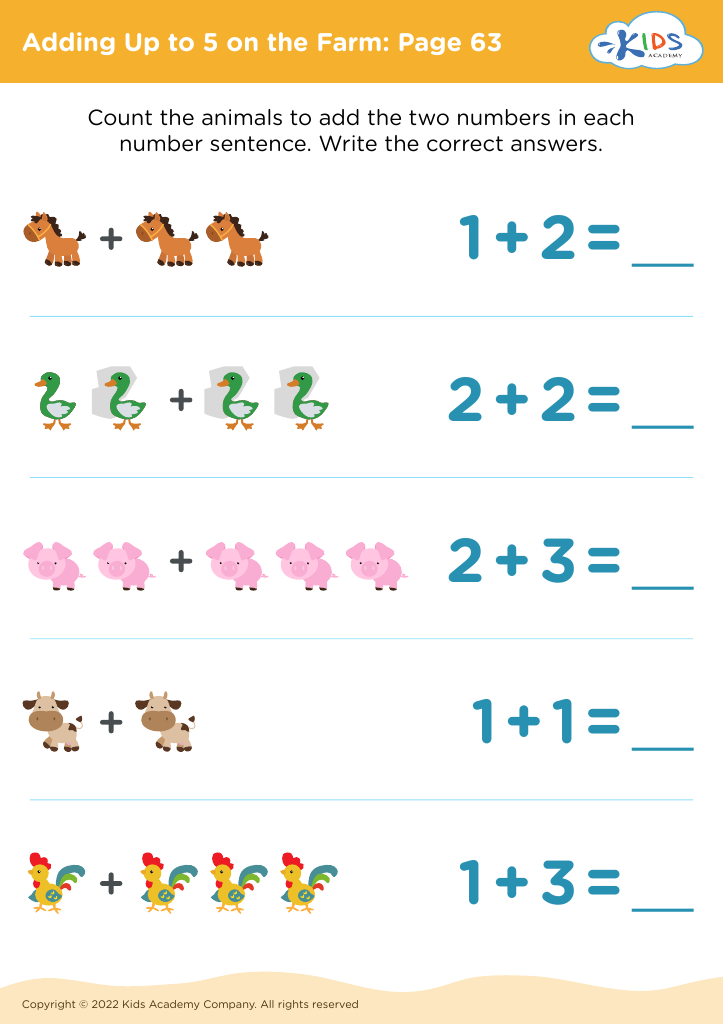
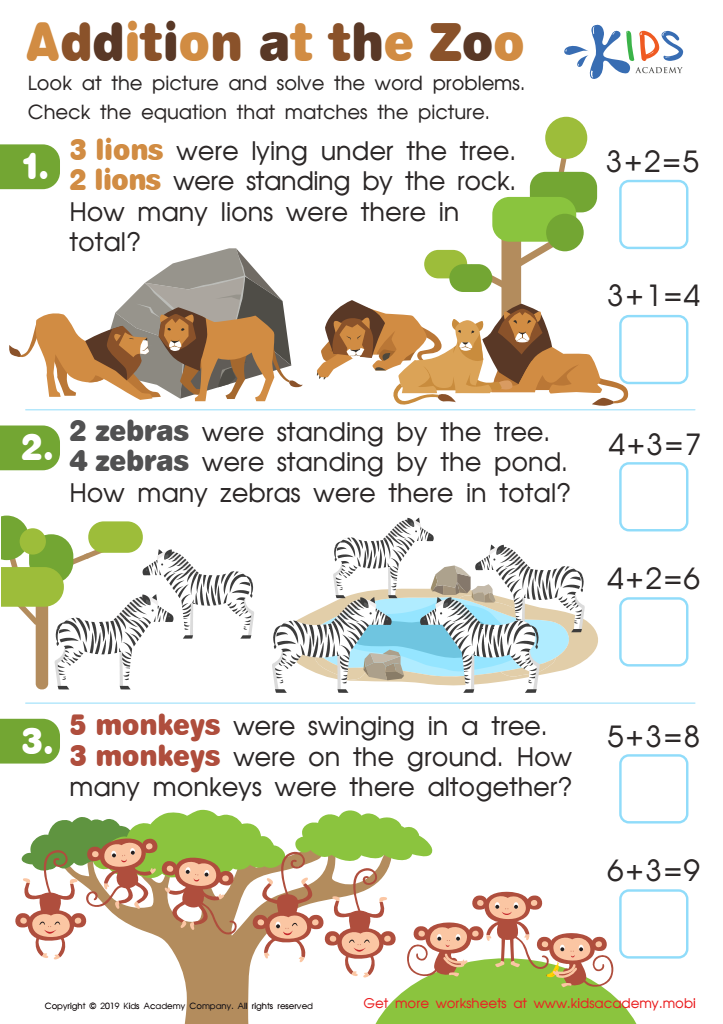
Addition at the Zoo Worksheet
 Assign to My Students
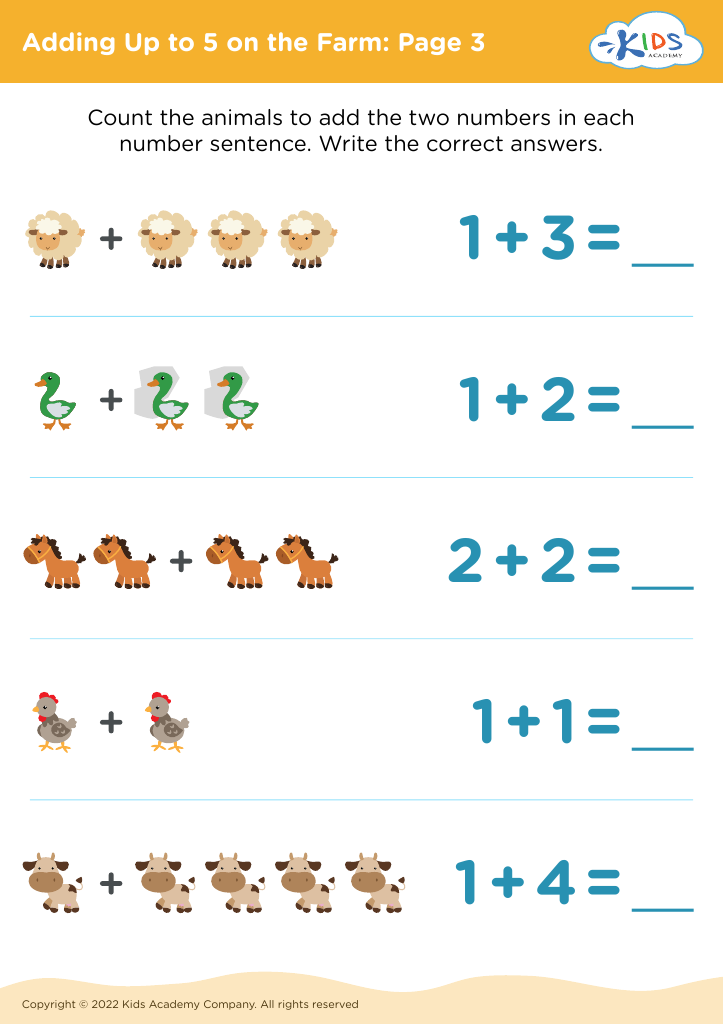
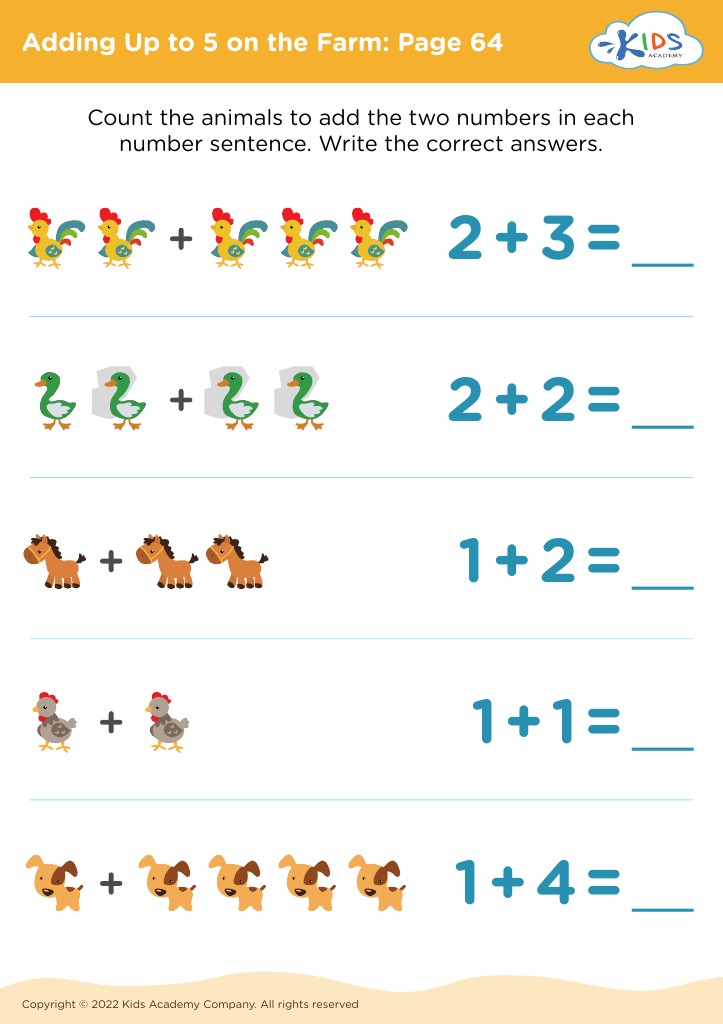
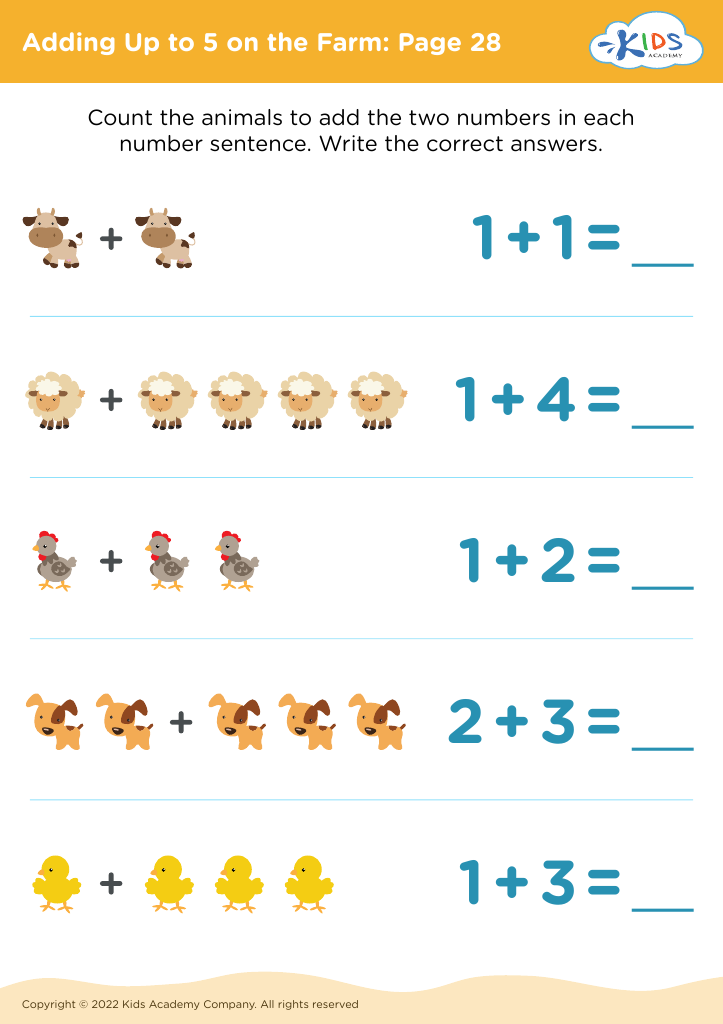
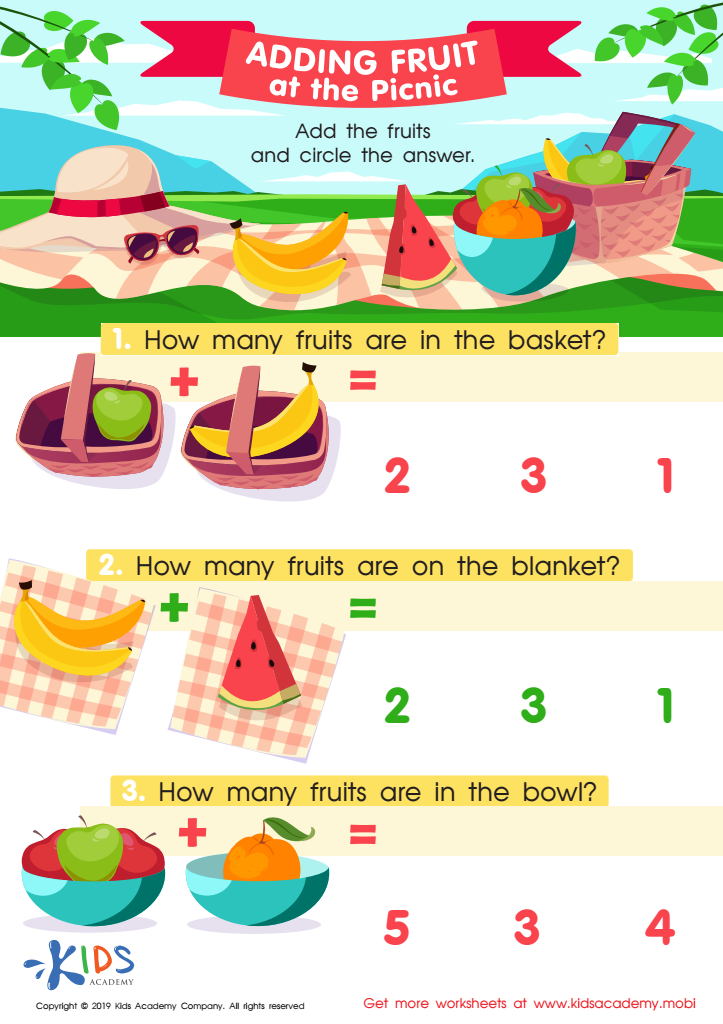
Adding Fruit at the Picnic Worksheet
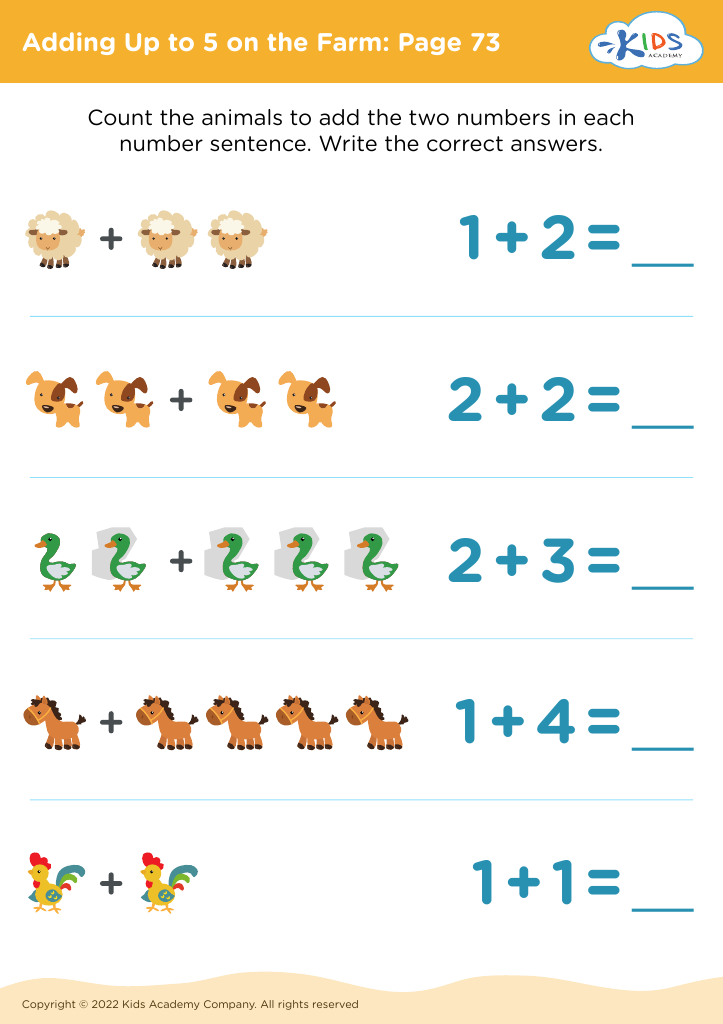
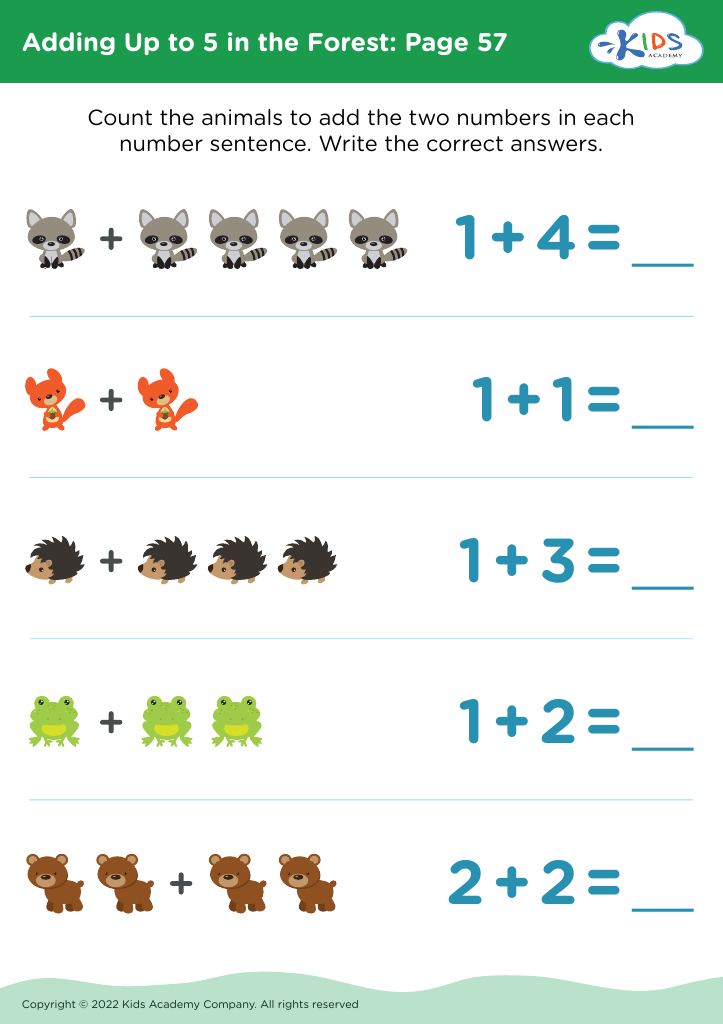
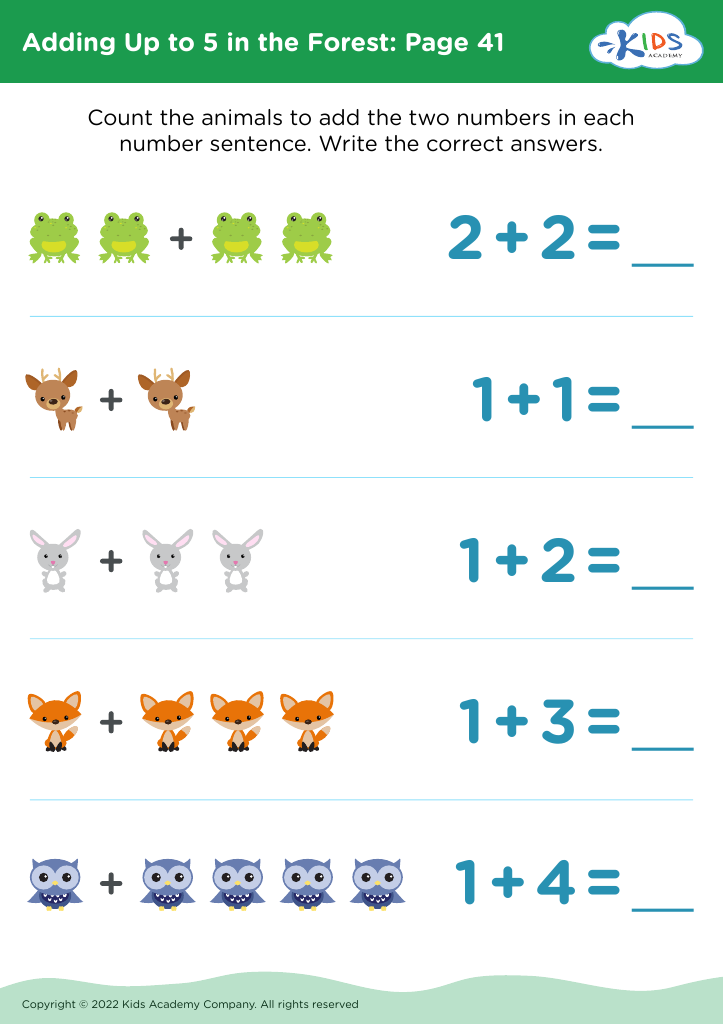








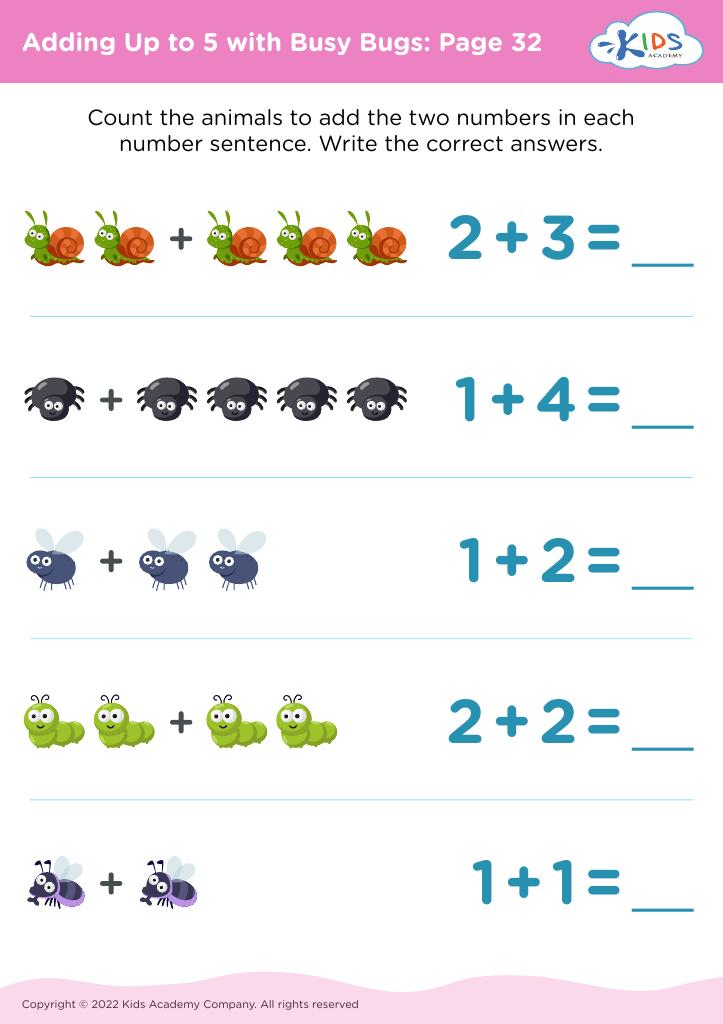
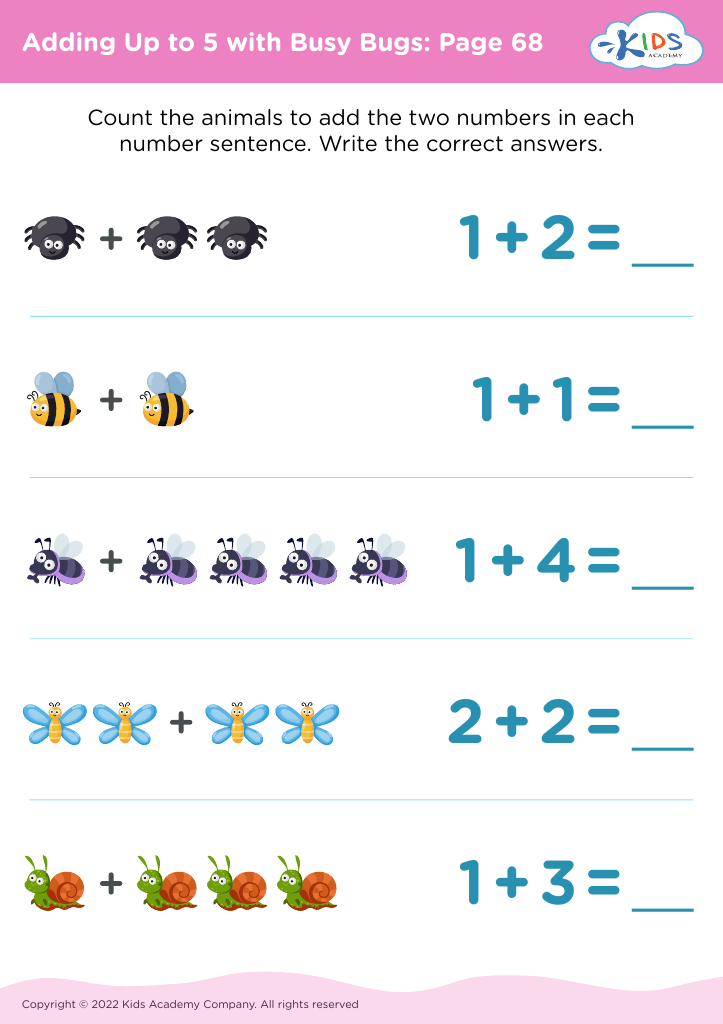
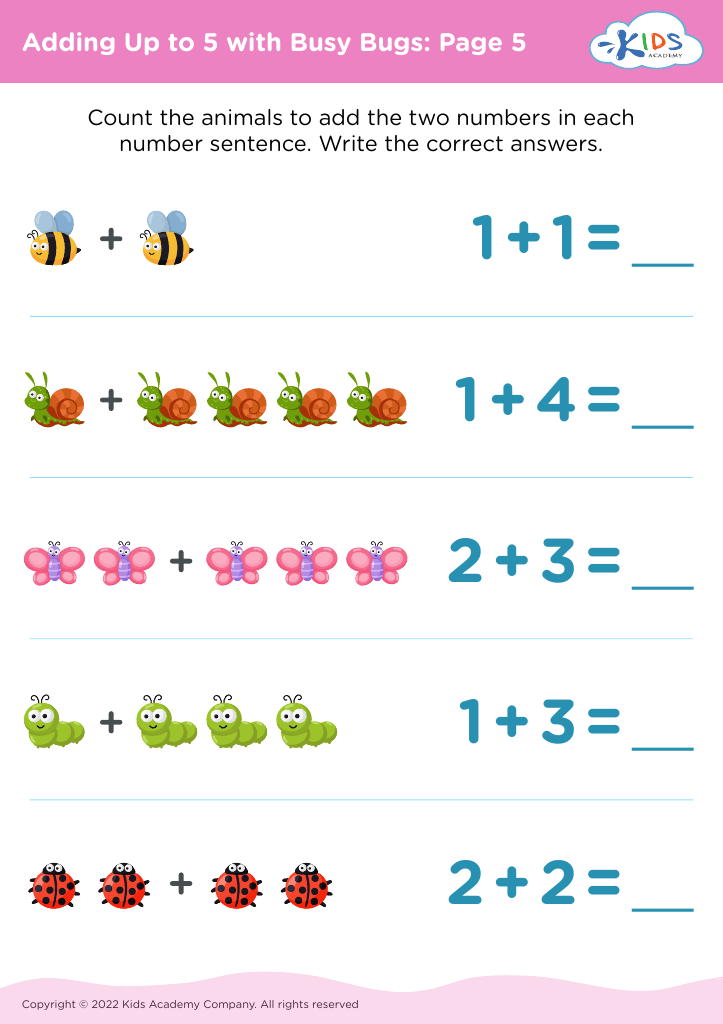
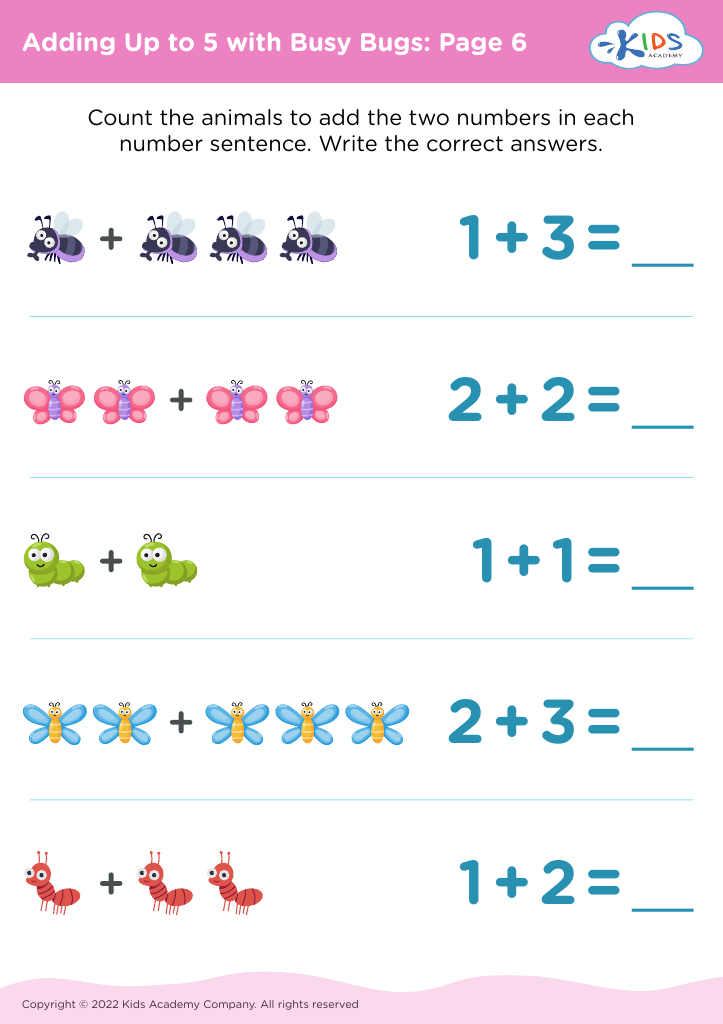
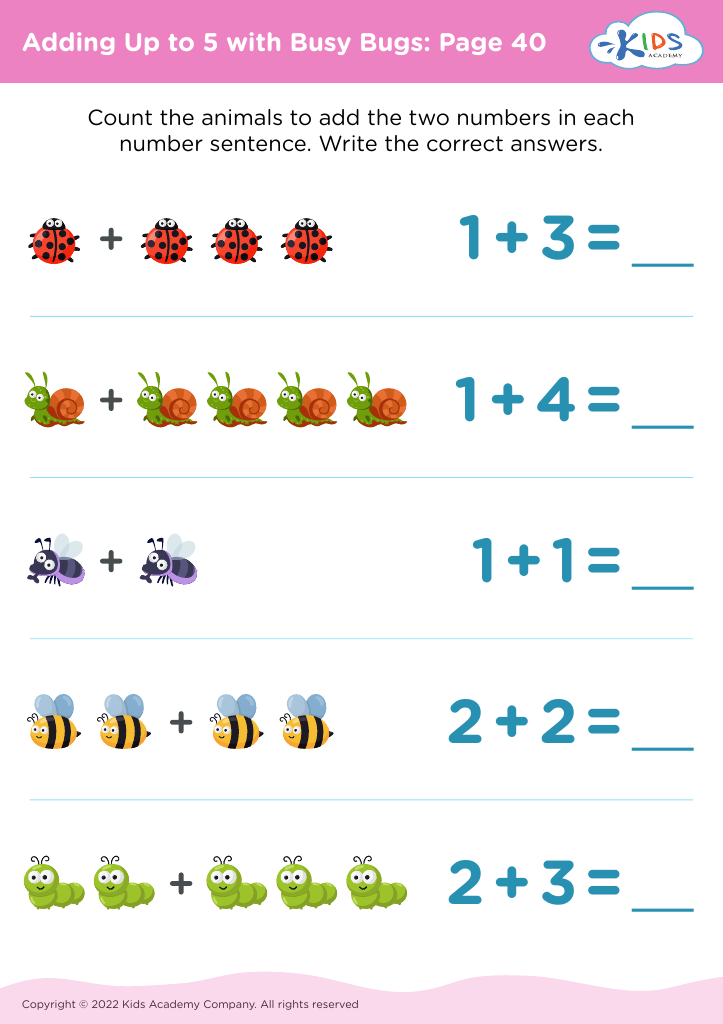
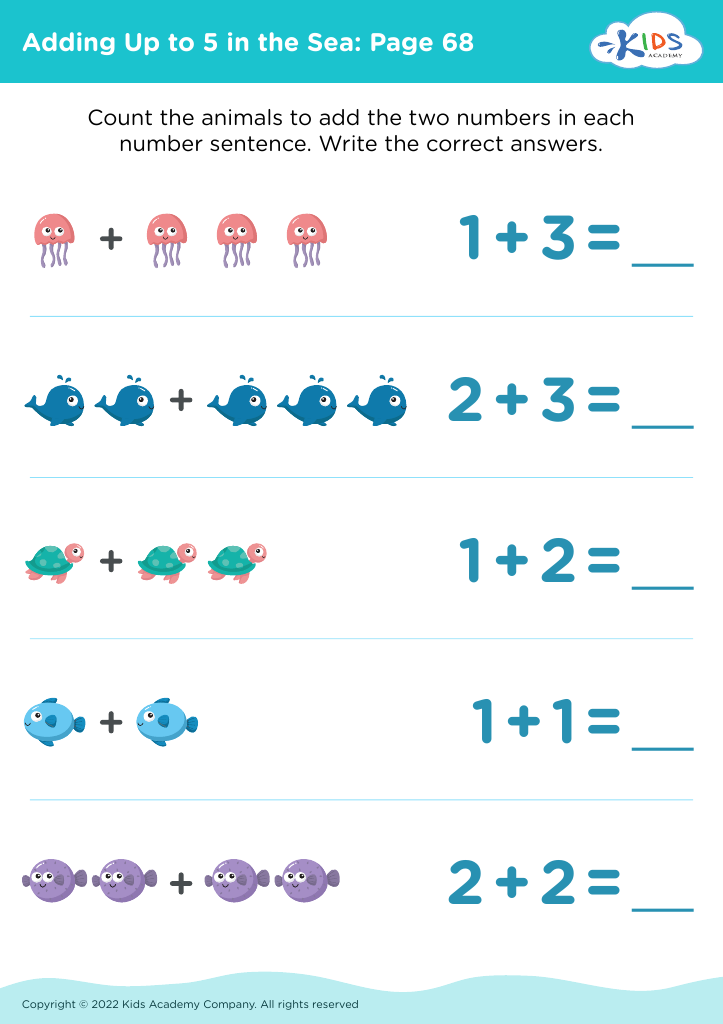
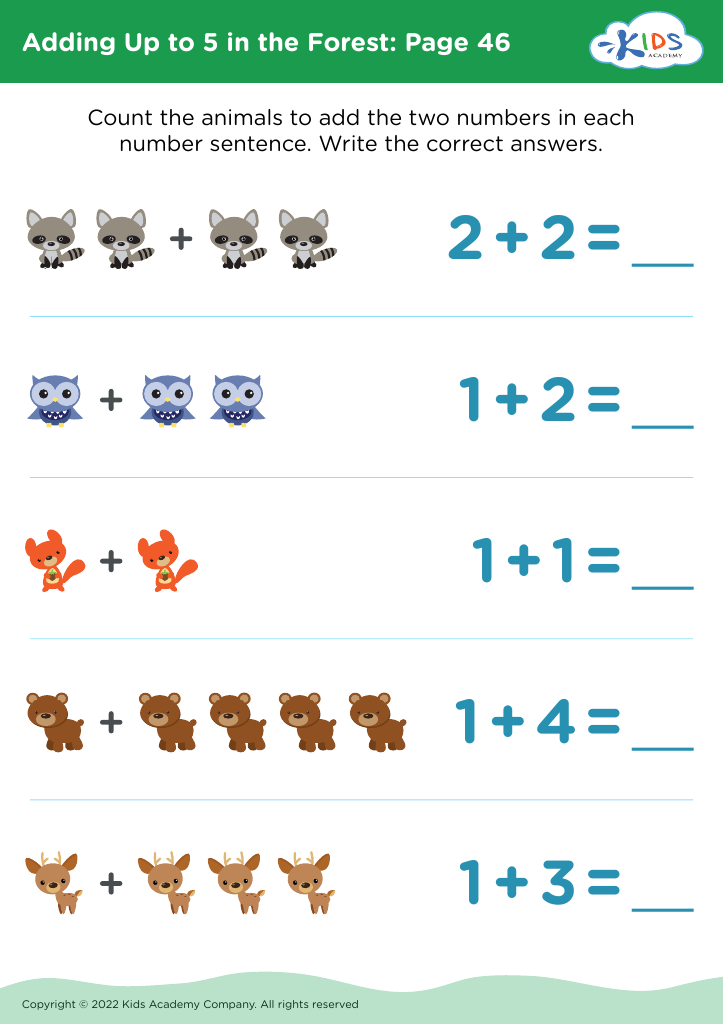
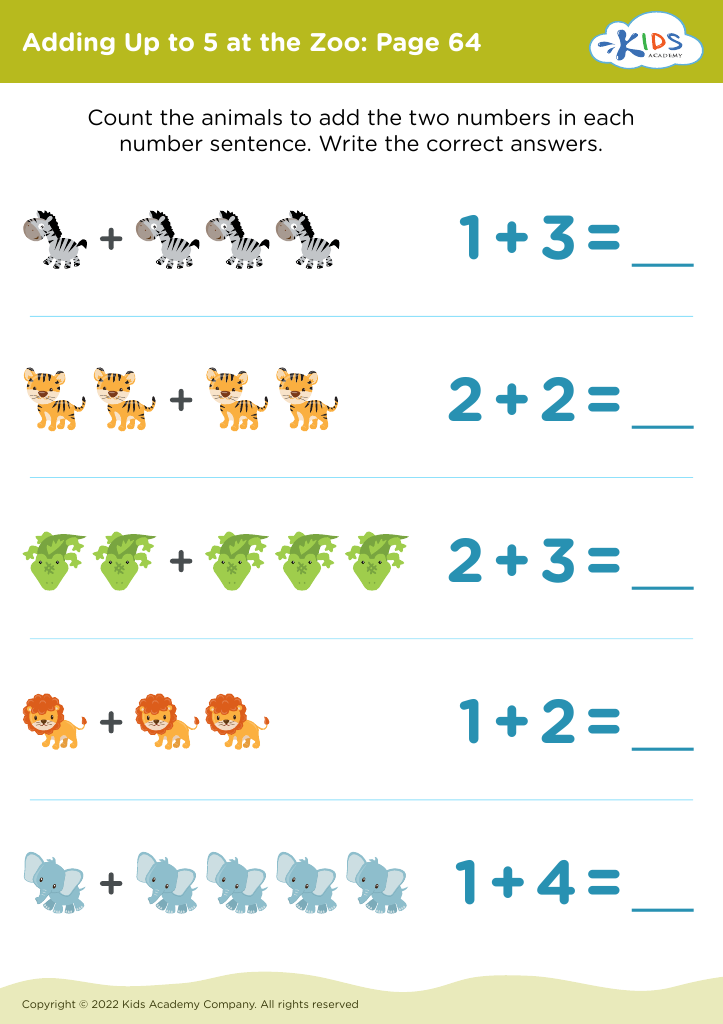
Visual learning math for ages 4-6 is vital because it aligns with how young children naturally learn and process information. At this impressionable age, children are often more engaged and understand better through visual aids like pictures, shapes, and colors. Visual representation simplifies abstract math concepts, making them more tangible and comprehensible.
For instance, using visual tools such as counting blocks, charts, and number lines helps children grasp foundational skills like counting, addition, and subtraction. These tools not only make learning fun but also enhance memory retention and cognitive development. By incorporating visual learning, mathematical concepts become less intimidating, fostering a positive attitude towards the subject early on.
Moreover, visual learning supports diverse learning styles. Children who are visual learners will particularly benefit as they often excel when information is presented graphically. Such methods address and bridge learning gaps, ensuring no child feels left behind.
Additionally, visual learning lays a strong foundation for future academic success. Proficiency in early math sets the stage for more complex problem-solving skills and critical thinking abilities. Parents and teachers who prioritize visual learning math for young children are investing in not only immediate academic achievement but also long-term intellectual growth and confidence in dealing with mathematical concepts.








