Filters

7 filtered results

Clear all filters
Favorites
With answer key
Interactive

7 filtered results

Difficulty Level

Grade


Welcome to our "Counting Skills Place Value Worksheets" designed for children ages 4-6! These engaging resources help young learners develop essential counting skills while introducing them to the concept of place value. With various interactive exercises, kids can practice identifying numbers, understanding tens and ones, and counting in a fun, approachable way. Our worksheets foster critical thinking and build a strong math foundation. Perfect for classroom activities or home learning, these printables make counting interactive and enjoyable. Explore our collection now and watch your child enhance their math confidence and proficiency through playful learning experiences!

Check out this FREE Trial Lesson on Place Value for age 4-6!

Understanding Place Value Ones and Tens

Favorites
With answer key
Interactive
  • 4-6
  • Counting skills
  • Place Value
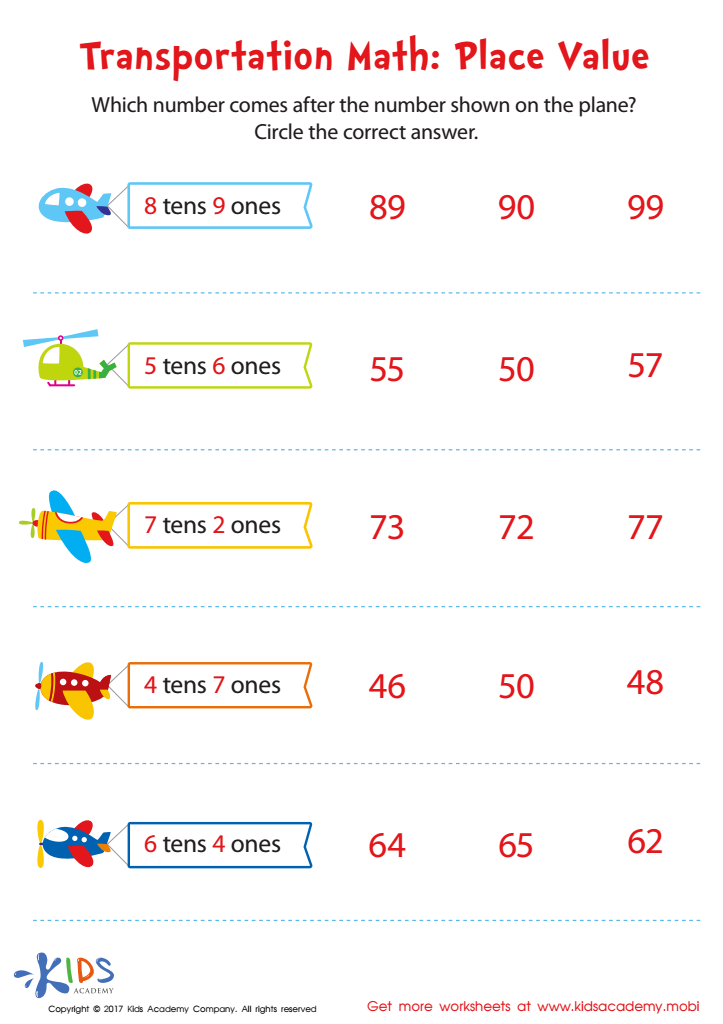
Place Value Worksheet: Transportation Math

Transportation Math Printable

Challenge your child's number sense with this Transportation Math worksheet! They'll need to recall place values and use mental addition to solve tricky math problems. It's a great way to give their brain a workout!
Transportation Math Printable
Worksheet
Counting Tens and Ones: Part 1 Worksheet

Counting Tens and Ones: Part 1 Worksheet

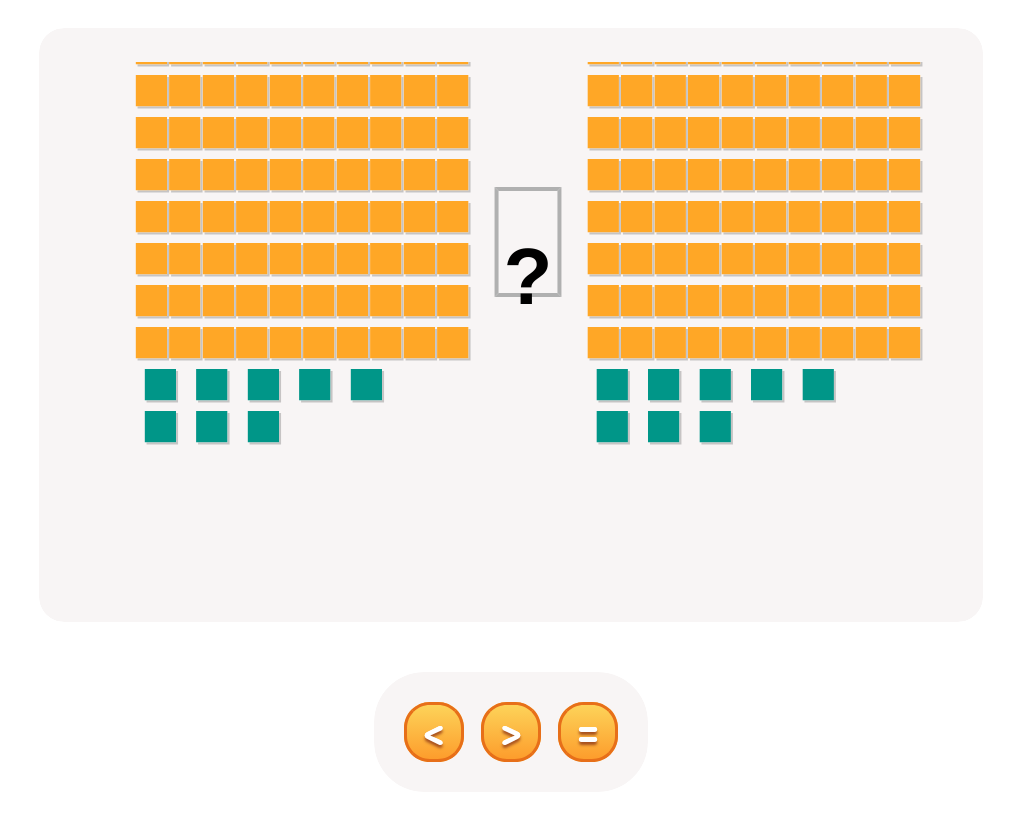
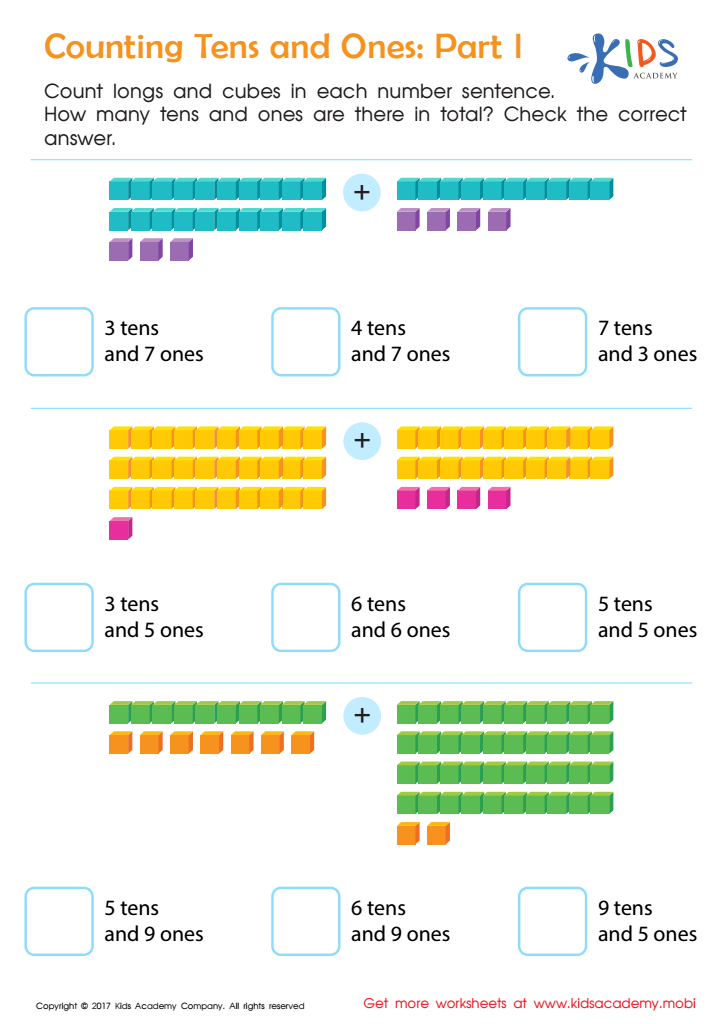
Kids Academy has a great place value worksheet to help kids learn when they don't have manipulatives at home! It includes longs and cubes that kids can count and add to find the sum. Colorful and downloadable, this page will help kids understand addition and place value better. Give it a try!
Counting Tens and Ones: Part 1 Worksheet
Worksheet
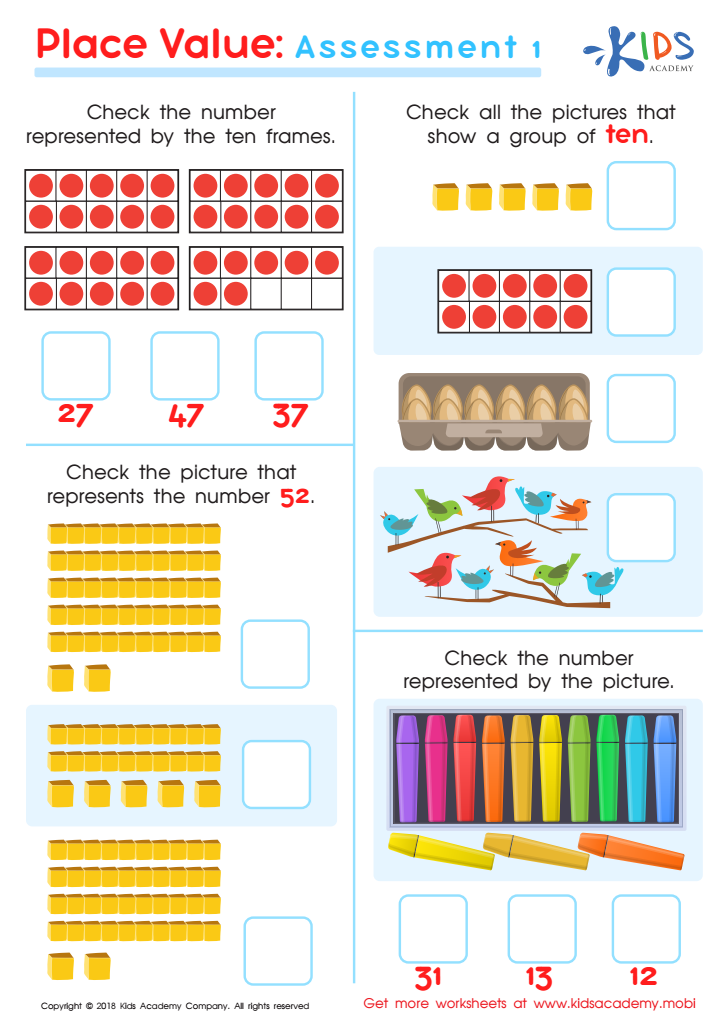
Place Value: Assessment 1 Worksheet

Place Value: Assessment 1 Worksheet

Assess your child's place value and number representation with this PDF worksheet. It lets them count and compare numbers and practice chiseling numbers into groups of ten. It's a great way to identify any concepts that need to be reinforced.
Place Value: Assessment 1 Worksheet
Worksheet
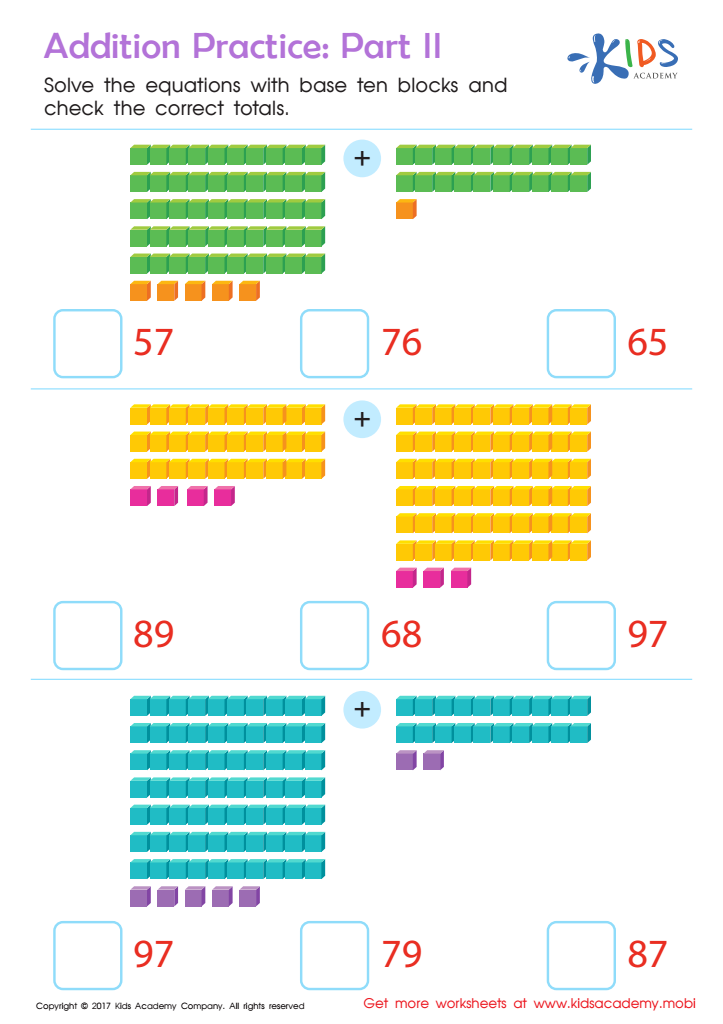
Addition Practice Sheet: Part 2

Addition Practice Sheet: Part 2

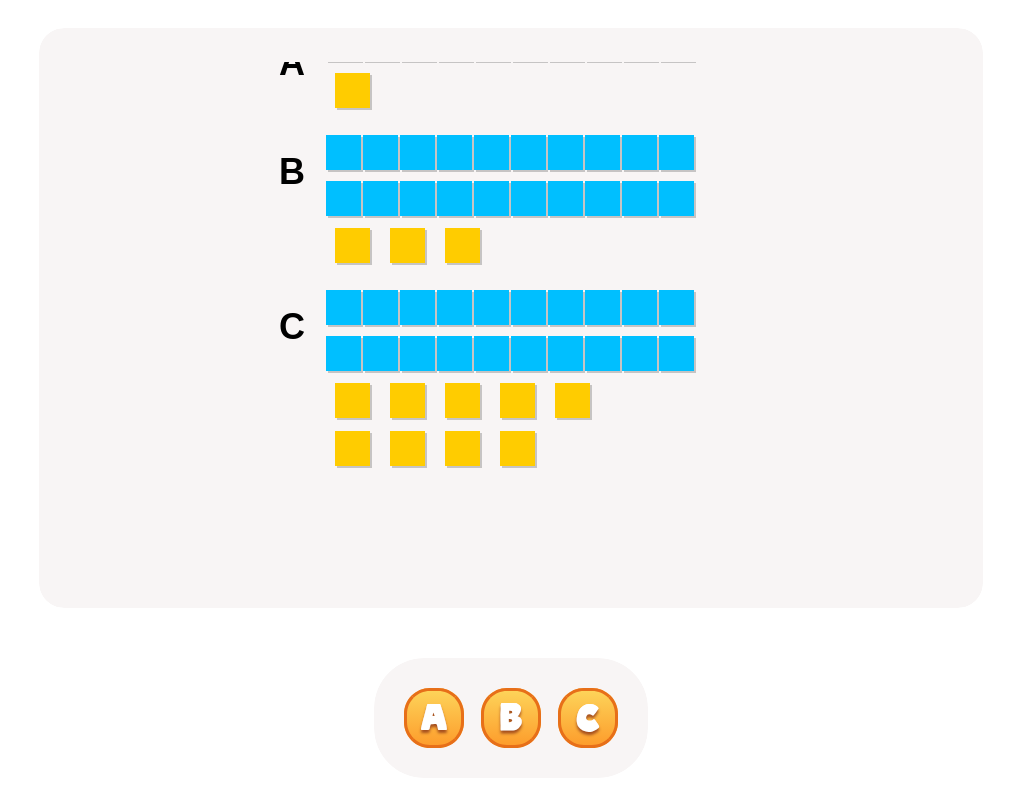
Make sure your kids understand place value before introducing two/three-digit addition. To help, use Kids Academy's colorful cube worksheet. It provides all the manipulatives needed to solve the problem and find totals. A great way to explain the concept behind the addition!
Addition Practice Sheet: Part 2
Worksheet
Place Value: Assessment 3 Worksheet

Place Value: Assessment 3 Worksheet

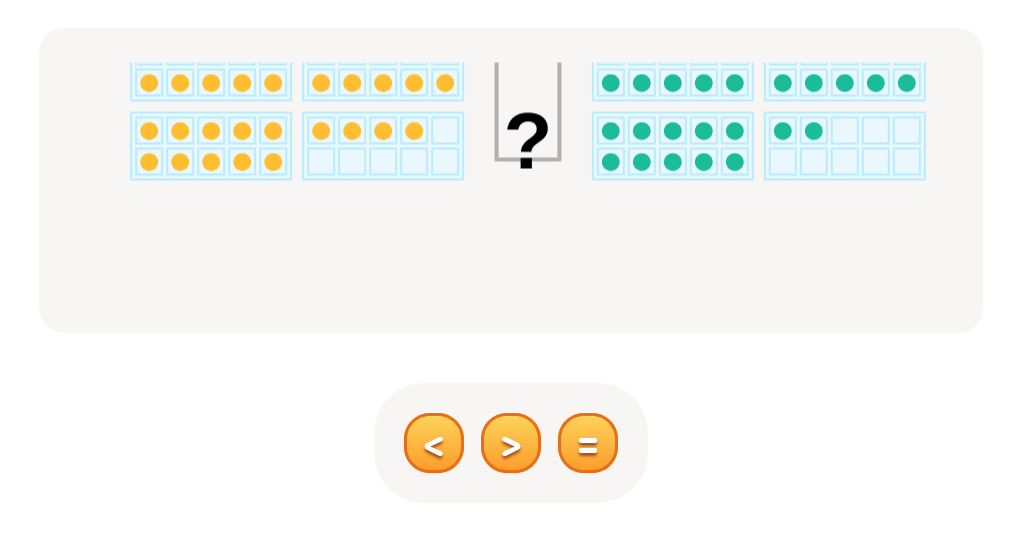
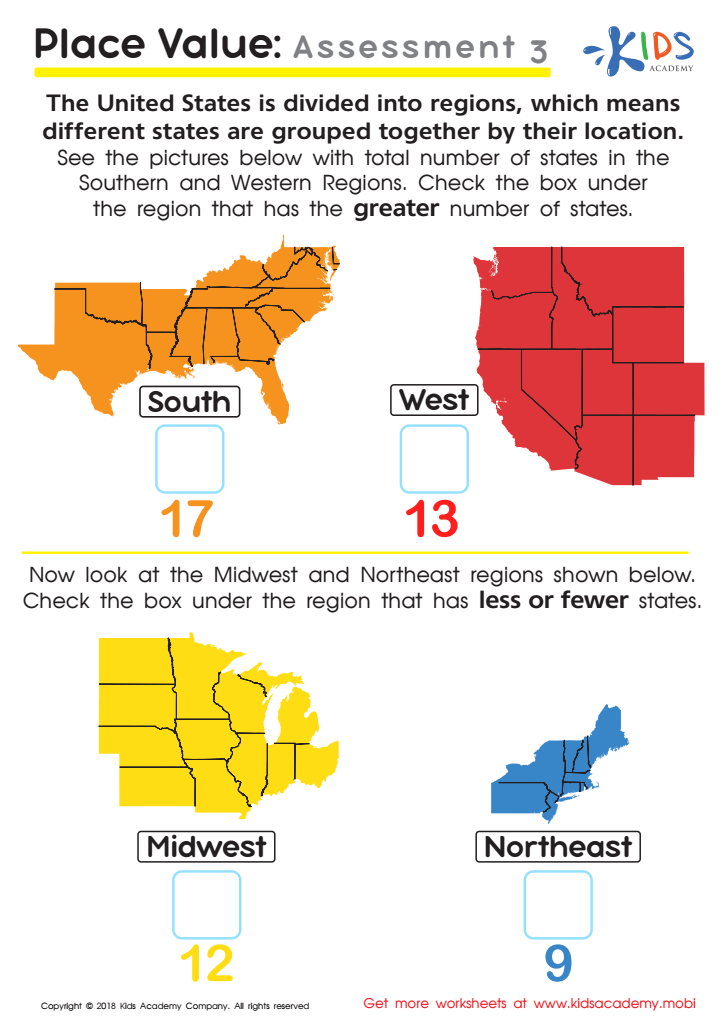
Test your child's math skills without them realizing it! This fun worksheet looks at the states and regions of the U.S. and your child can compare numbers greater or lesser than the other. It's the perfect way to assess your child's number sense without them knowing.
Place Value: Assessment 3 Worksheet
Worksheet
Sweet Counting - Part 2 Worksheet

Sweet Counting - Part 2 Worksheet

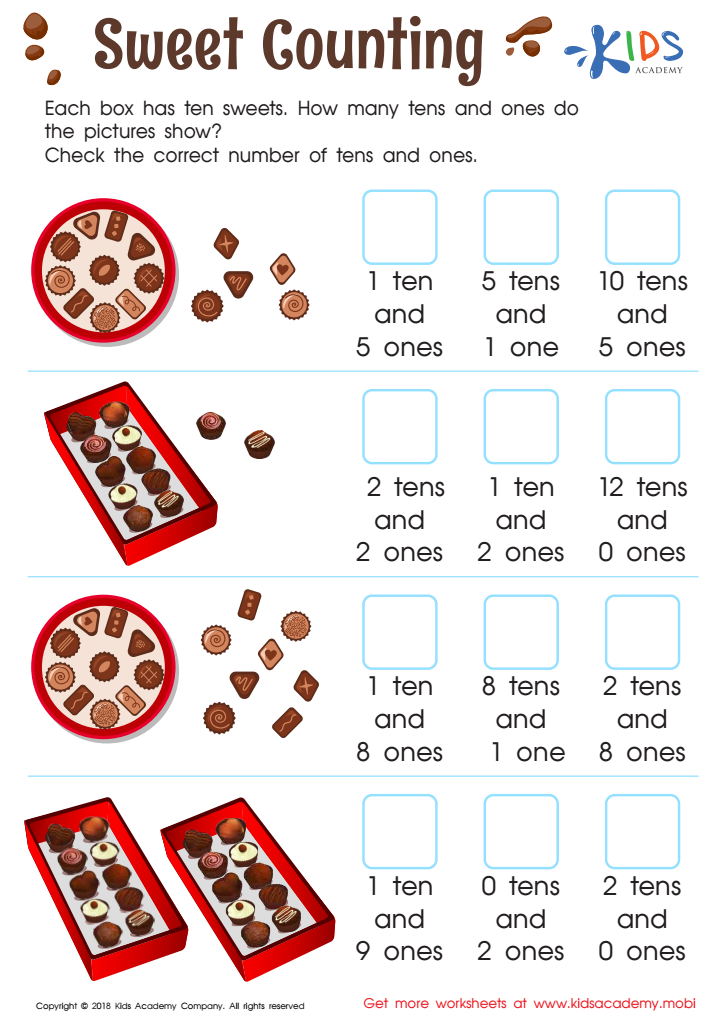
Kids adore sweets! Make counting fun with this sweet-themed worksheet. Guide your child to count chocolates in boxes of 10, plus individual candies. Group them into tens and ones. Ask: "How many ones and tens are in each row?" Check the answer and complete the practice sheet.
Sweet Counting - Part 2 Worksheet
Worksheet
Counting Tens and Ones: Part 2 Worksheet


Counting Tens and Ones: Part 2 Worksheet

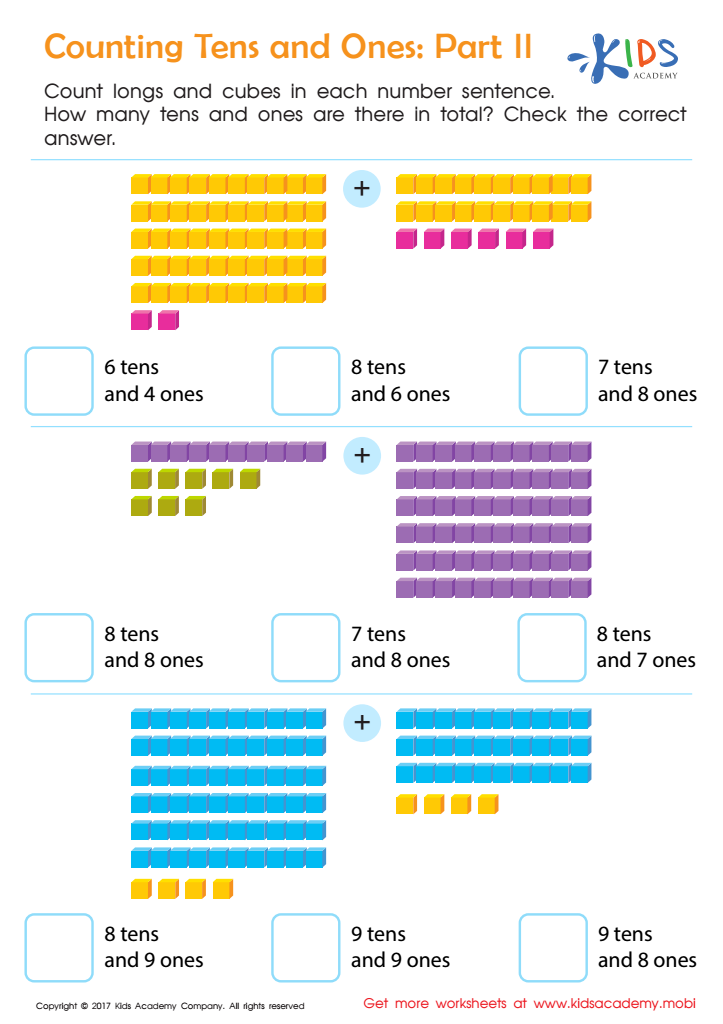
Adding two-digit numbers can be tough for kids. It's essential to give them a strong foundation of numeracy and math, not just teaching them to add. Use longs and cubes to help them get a visual grasp of place value and addition. This fun worksheet can help your child take their skills to the next level, with problems featuring larger numbers.
Counting Tens and Ones: Part 2 Worksheet

Worksheet


Counting skills and understanding place value are foundational elements of early mathematics for children ages 4-6. These skills not only form the basis for future math learning but also play a significant role in a child's overall cognitive development.

Firstly, counting introduces children to numerical concepts, helping them recognize quantities, sequences, and basic operations such as addition and subtraction. Mastering counting sets the stage for more complex math skills.

Secondly, understanding place value is crucial because it helps children grasp how numbers are structured. It allows them to differentiate between single-digit and multi-digit numbers and understand the significance of each digit's position. This skill catalyzes their ability to perform operations with larger numbers and enhances their problem-solving abilities.

Moreover, strong counting and place value skills boost a child's confidence in math, promoting a positive attitude toward the subject. Recognizing these early math skills’ importance can enable teachers and parents to create engaging learning environments, incorporating games and activities that emphasize counting and place value.

In essence, by prioritizing these foundational skills, parents and teachers can better equip children with the tools they need for lifelong mathematical success, paving the way for improved academic performance and critical thinking skills.