Subtraction practice Subtraction Worksheets for Ages 4-6
30 filtered results
-
From - To
Enhance your child's subtraction skills with our engaging Subtraction Practice Worksheets designed for ages 4-6. These expertly crafted worksheets are perfect for young learners beginning their mathematical journey. Each activity focuses on simple, age-appropriate problems to build confidence and foundational understanding in subtraction. Featuring colorful illustrations and fun themes, our worksheets make learning enjoyable while promoting critical thinking and problem-solving abilities. Tailored specifically for preschool and kindergarten children, these printable resources align with core math standards, ensuring your child gains essential skills in a playful yet educational manner. Visit Kids Academy to download your free worksheets today!
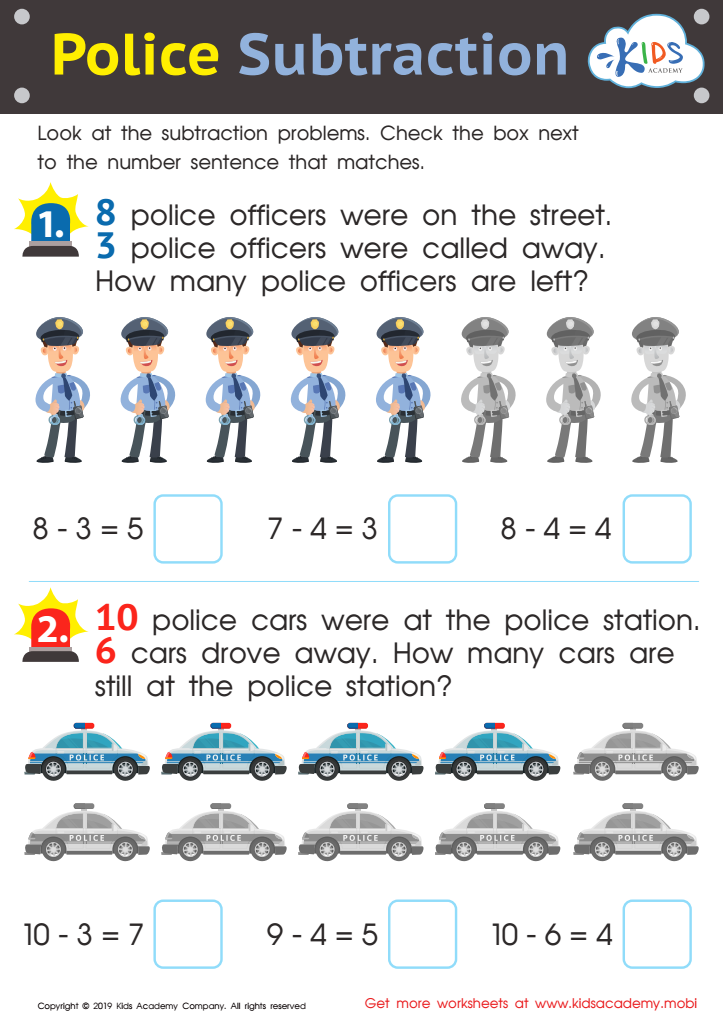
Police Subtraction Worksheet
 Assign to My Students
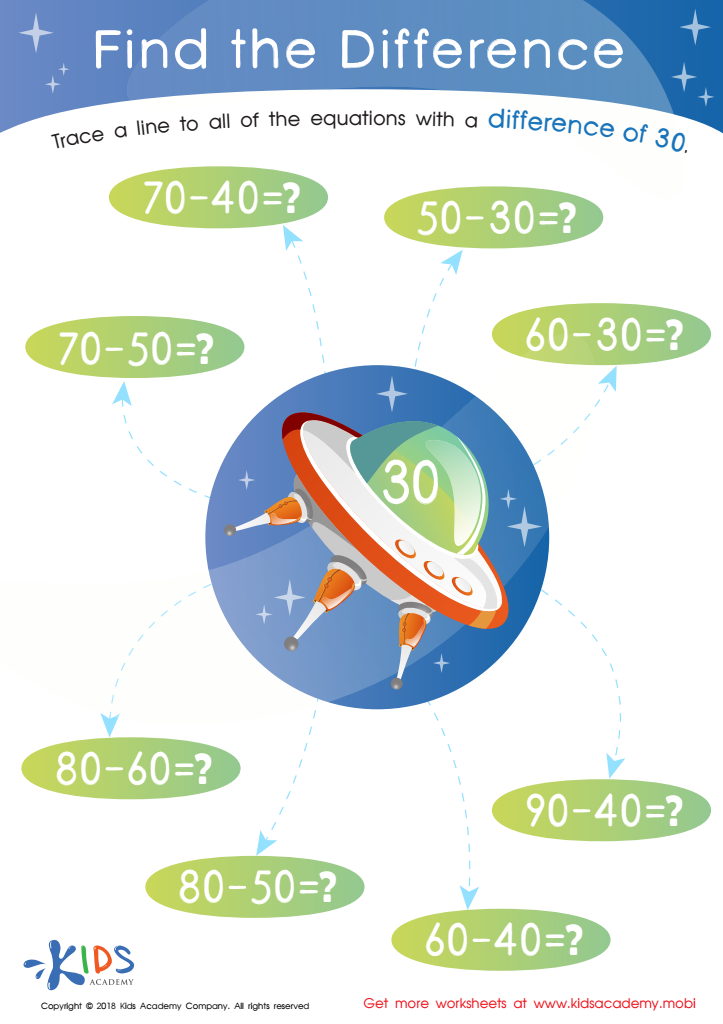
Find The Difference Worksheet
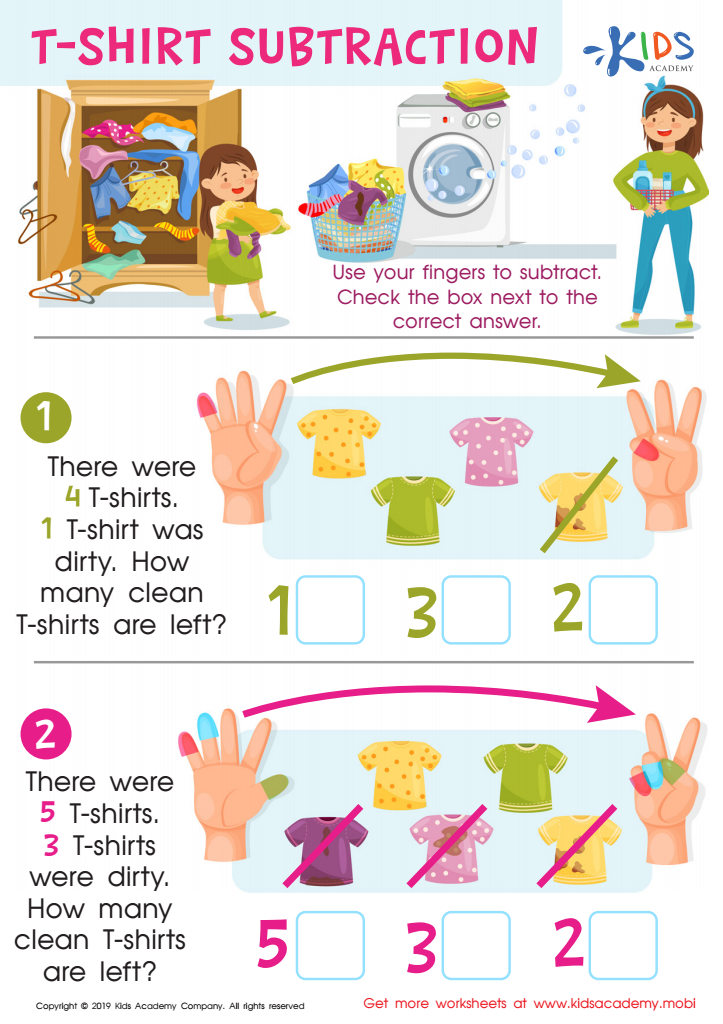
T-shirt Subtraction Worksheet
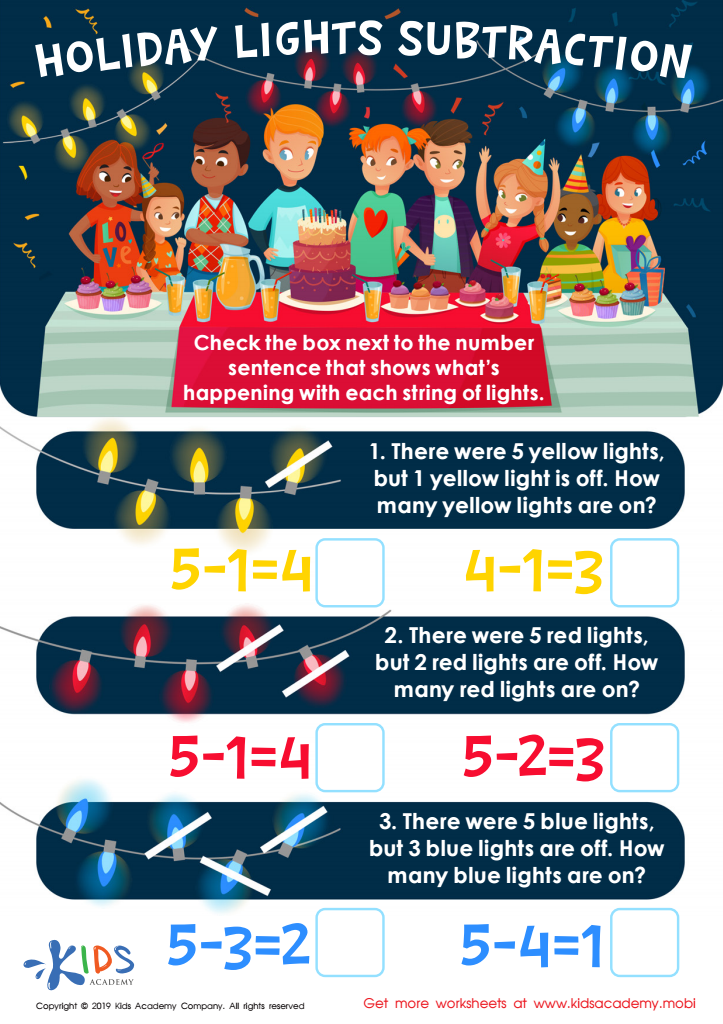
Holiday Lights Subtraction Worksheet
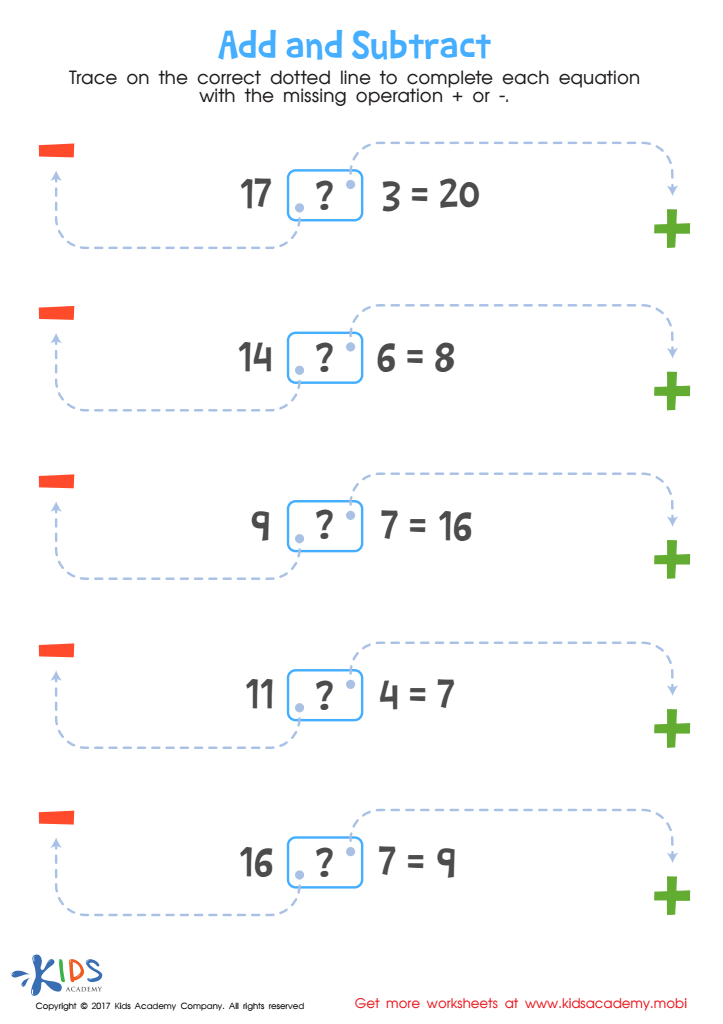
Add and Subtract Worksheet
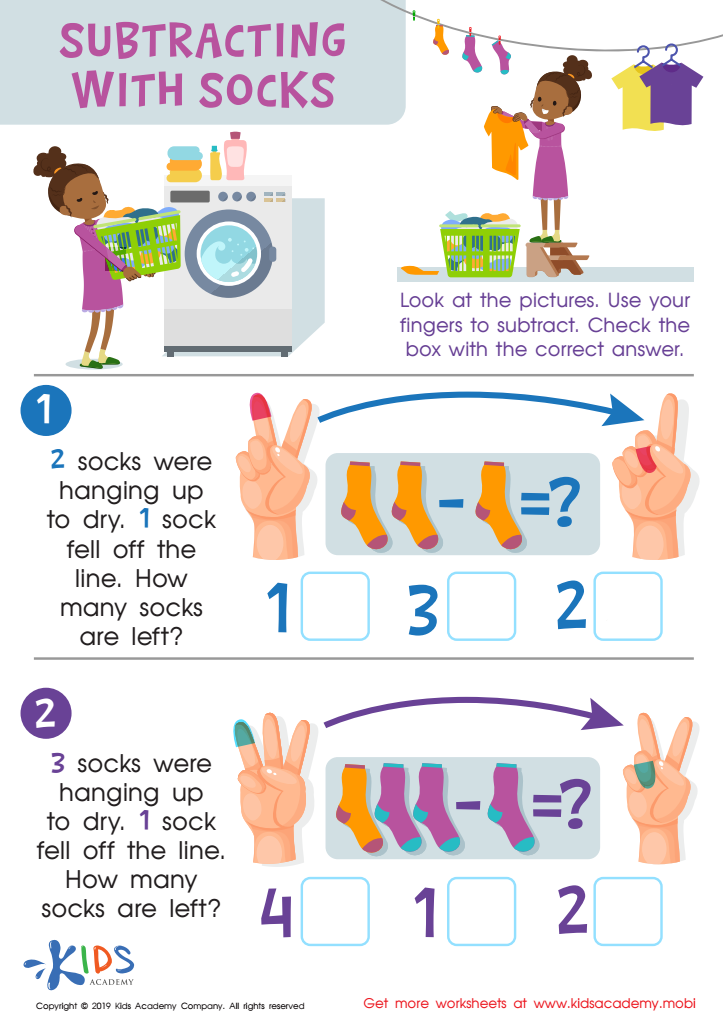
Subtracting Socks Worksheet
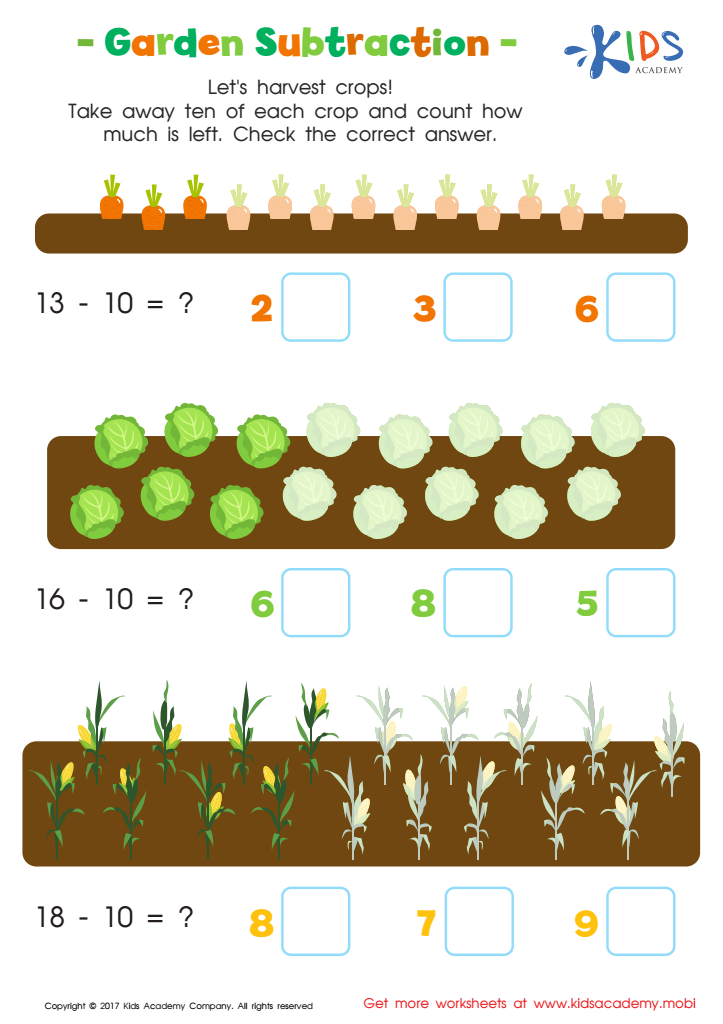
Garden Subtraction Worksheet
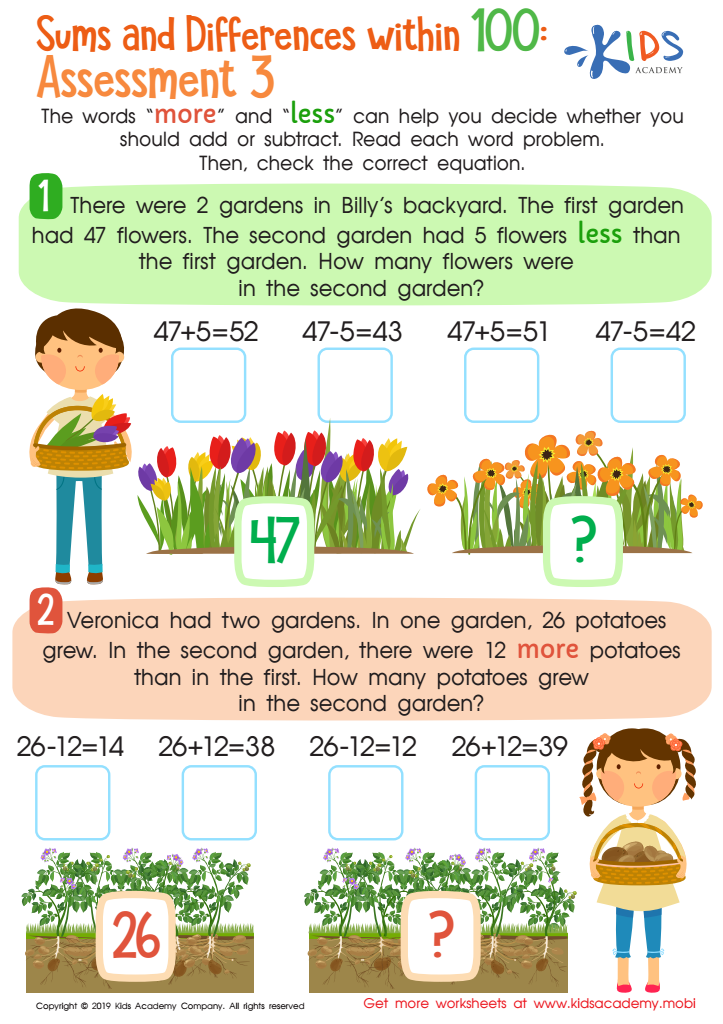
Sums and Differences Within 1 - Assessment 1 Worksheet
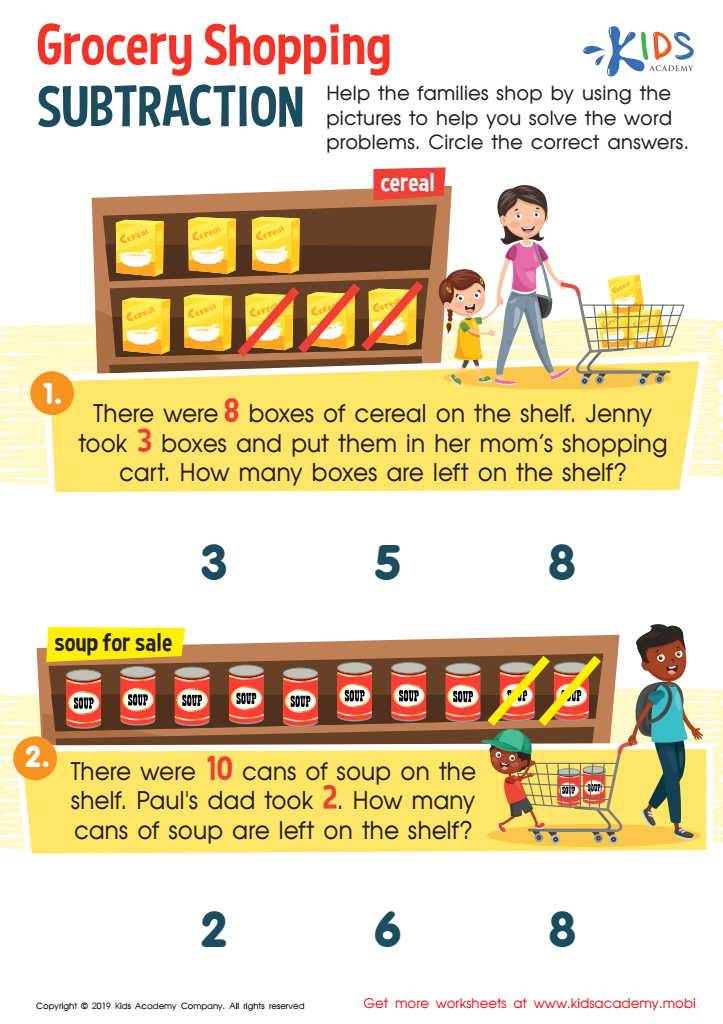
Grocery Shopping Subtraction Worksheet
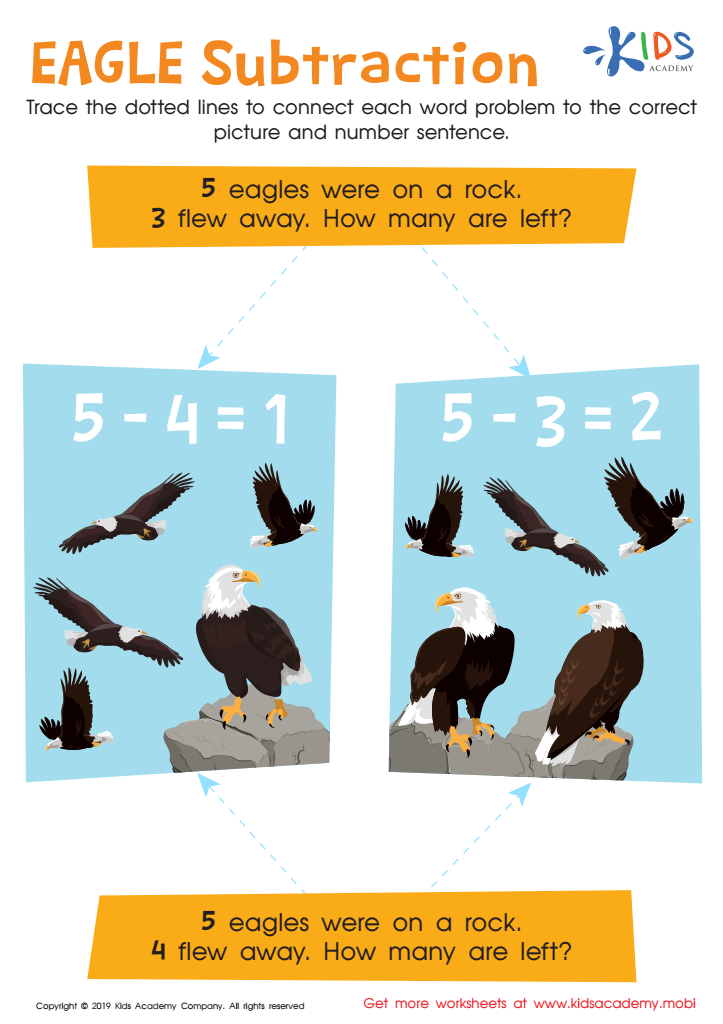
Eagle Subtraction Worksheet
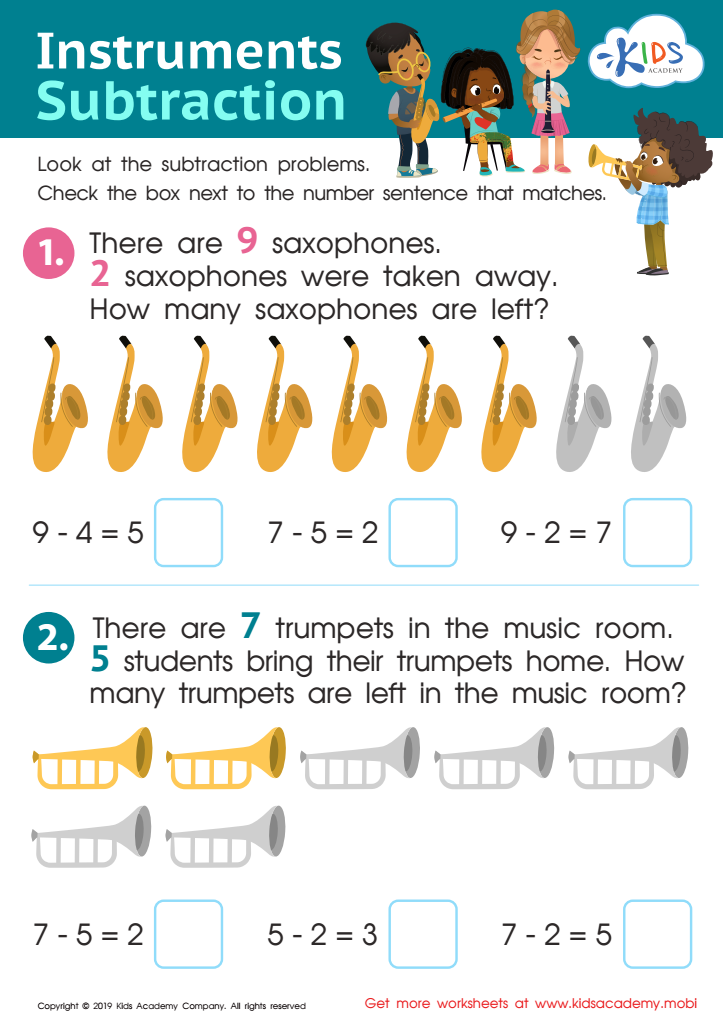
Instrument Subtraction Worksheet
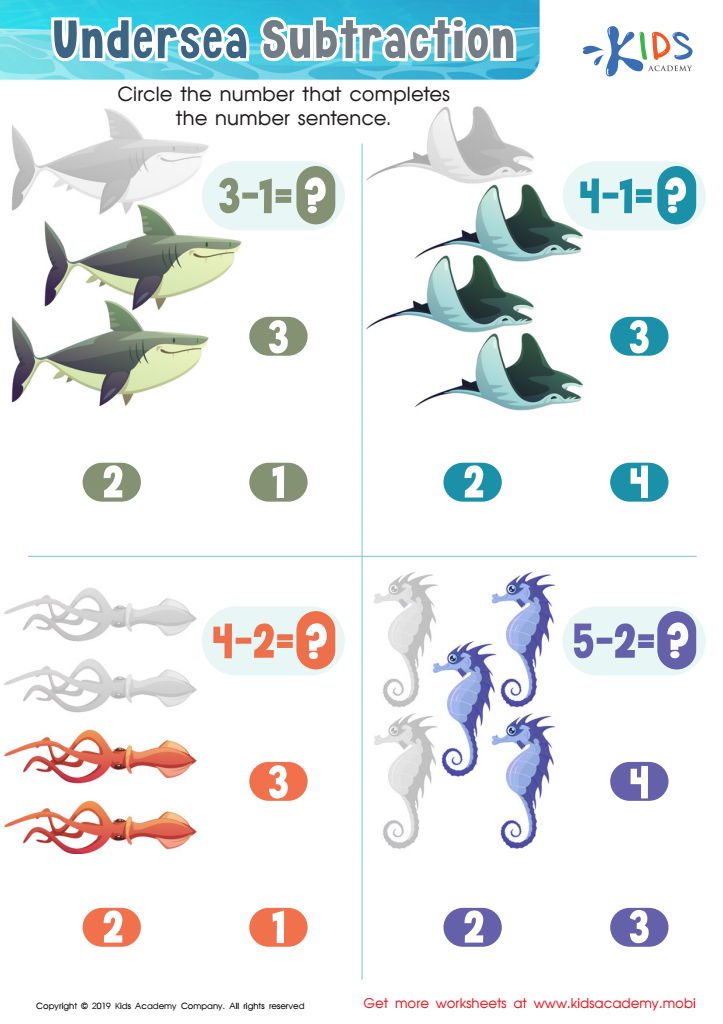
Undersea Subtraction Worksheet
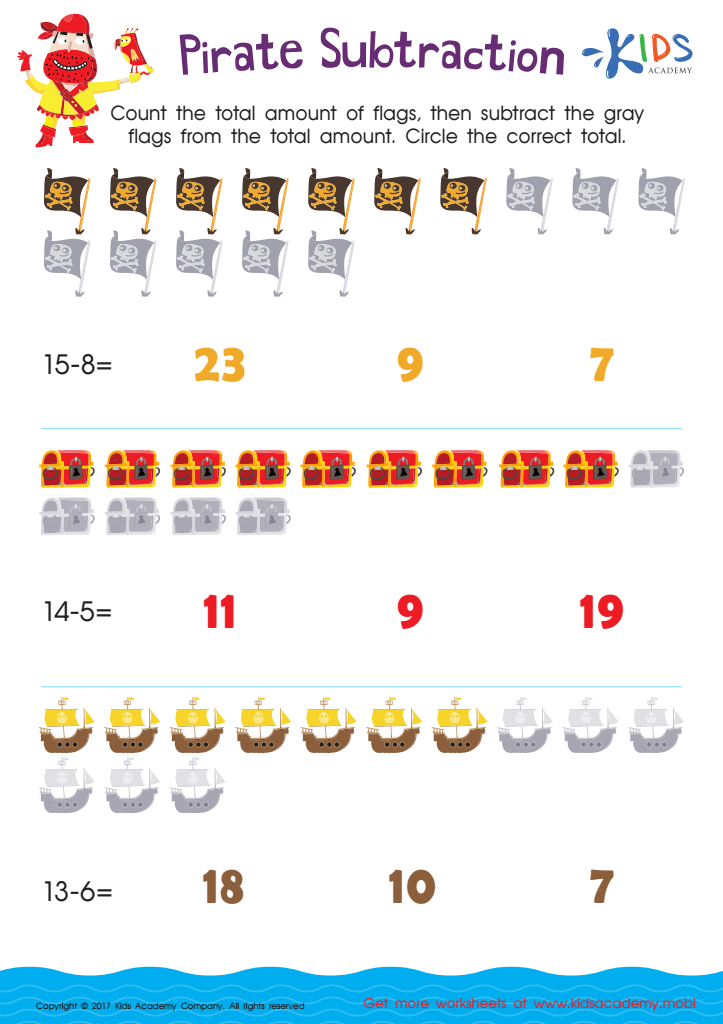
Pirate Subtraction Substraction Worksheet
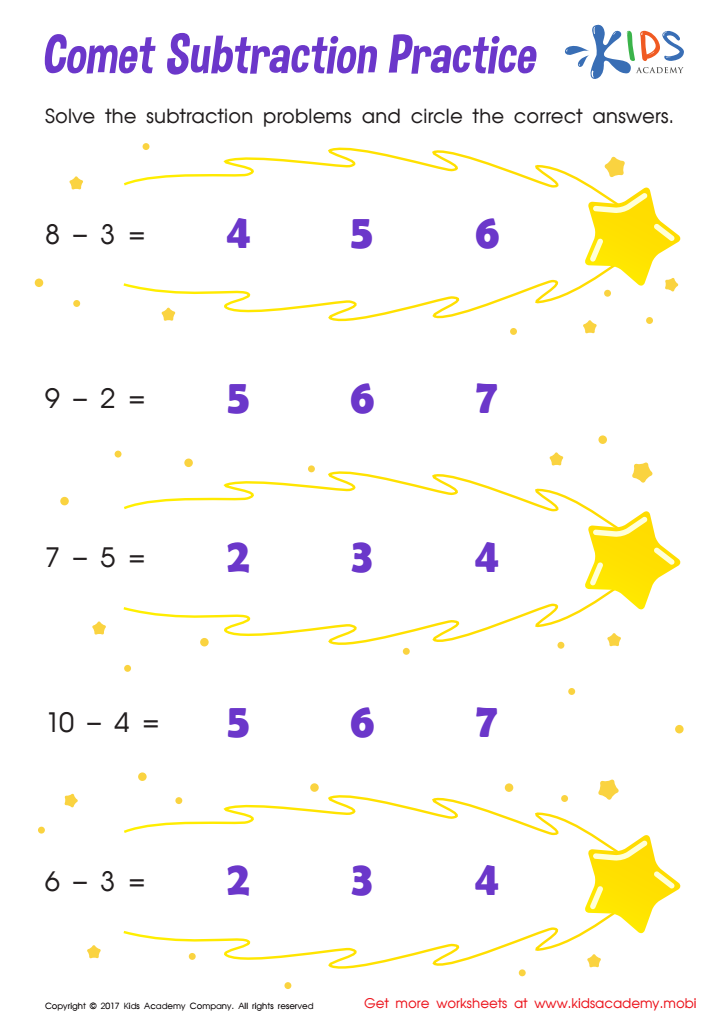
Comet Subtraction Practice Substraction Worksheet
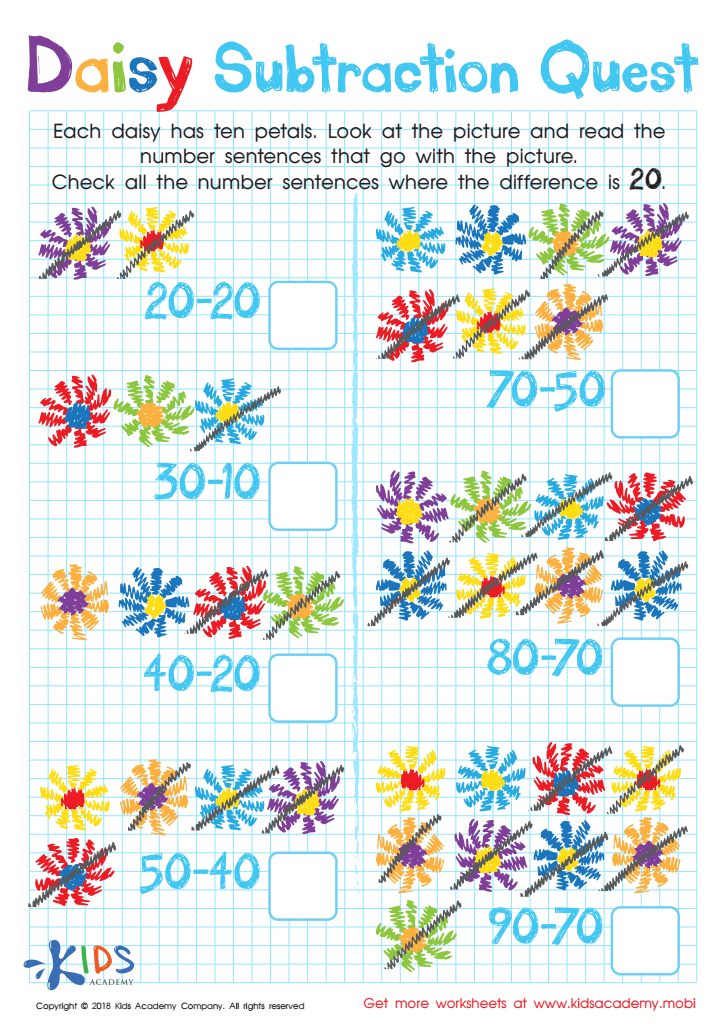
Daisy Subtraction Quest Worksheet
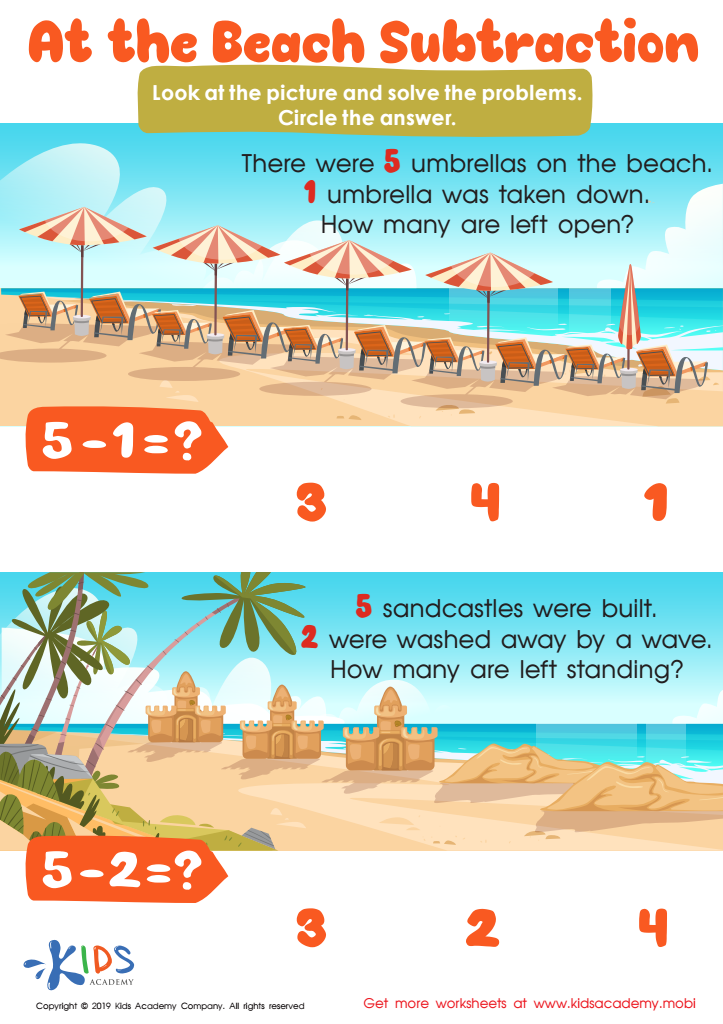
At the Beach Subtraction Worksheet
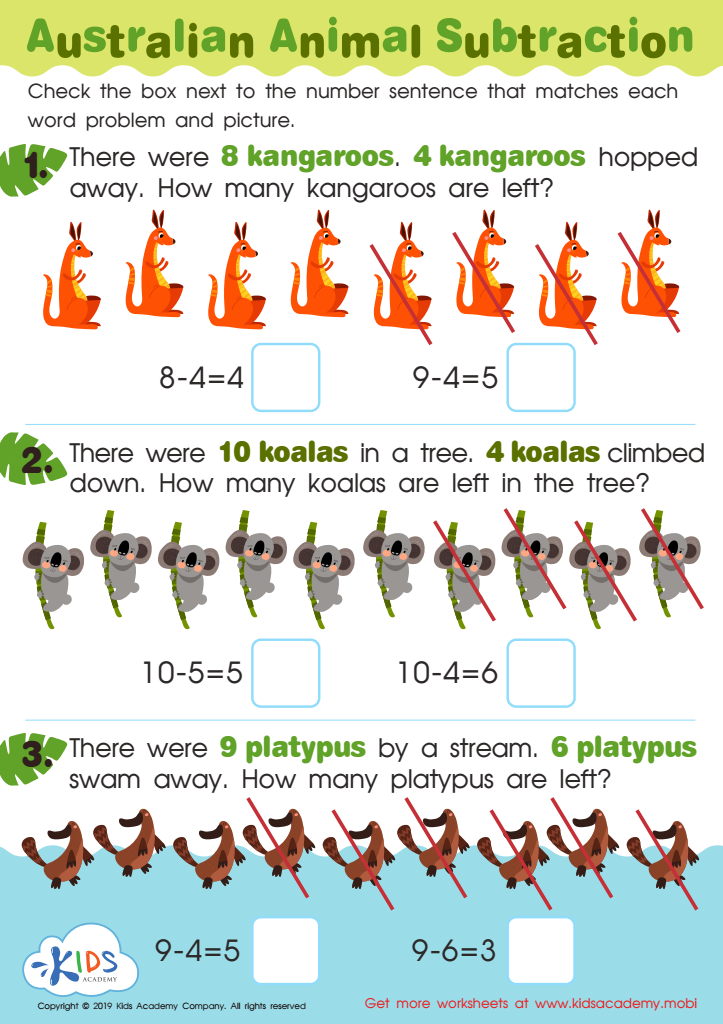
Australian Animal Subtraction Worksheet
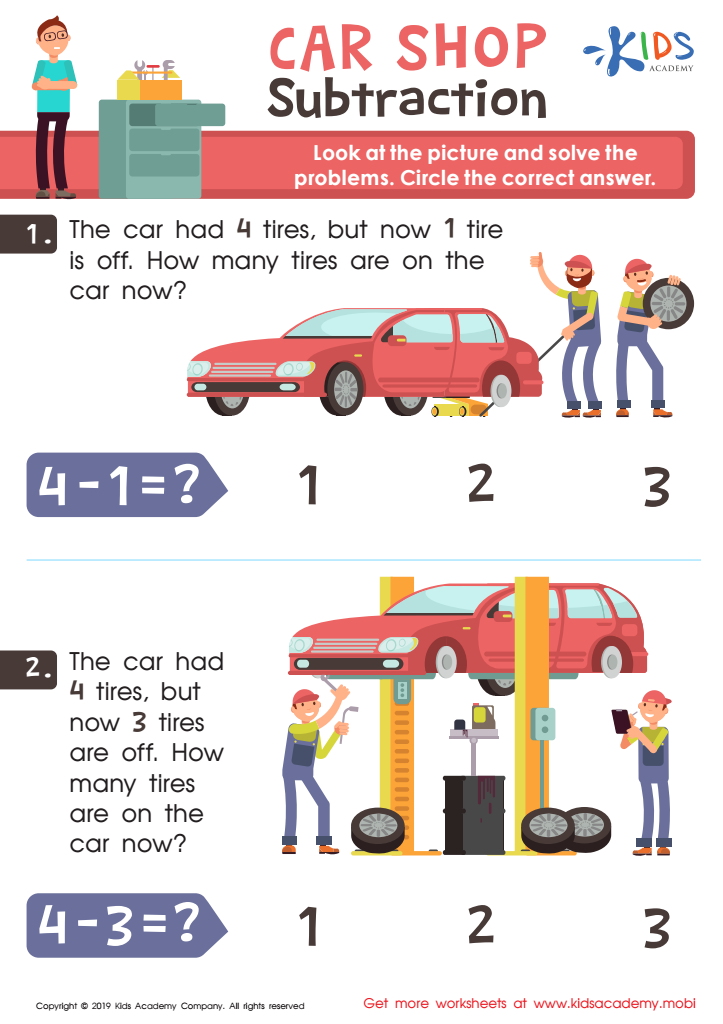
Car Shop Subtraction Worksheet
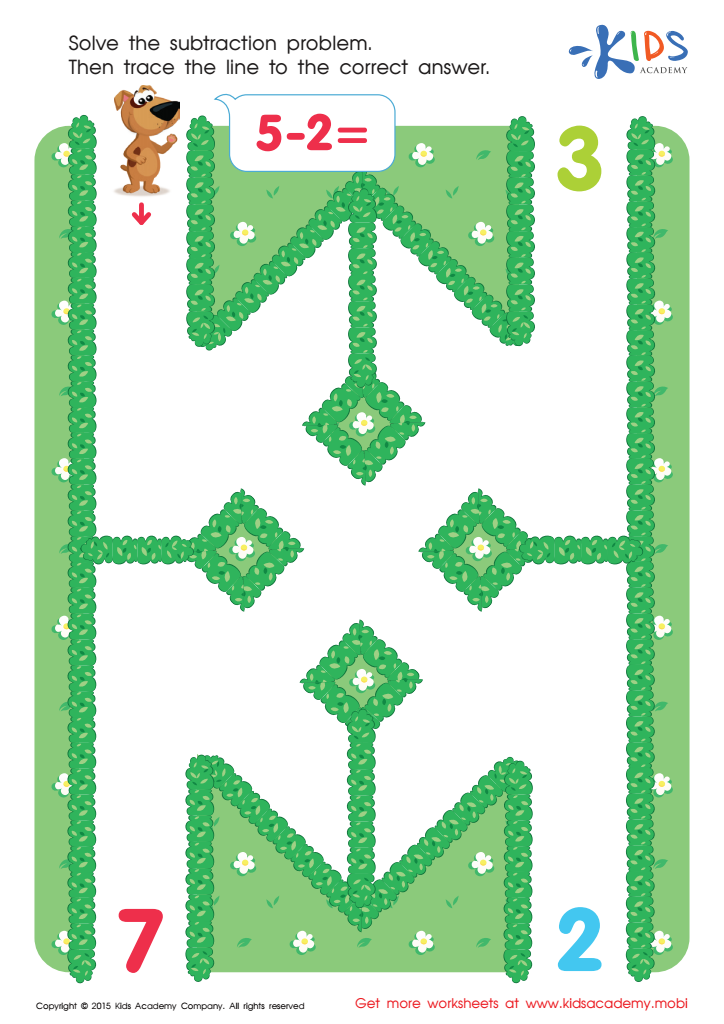
Five Minus Two Worksheet
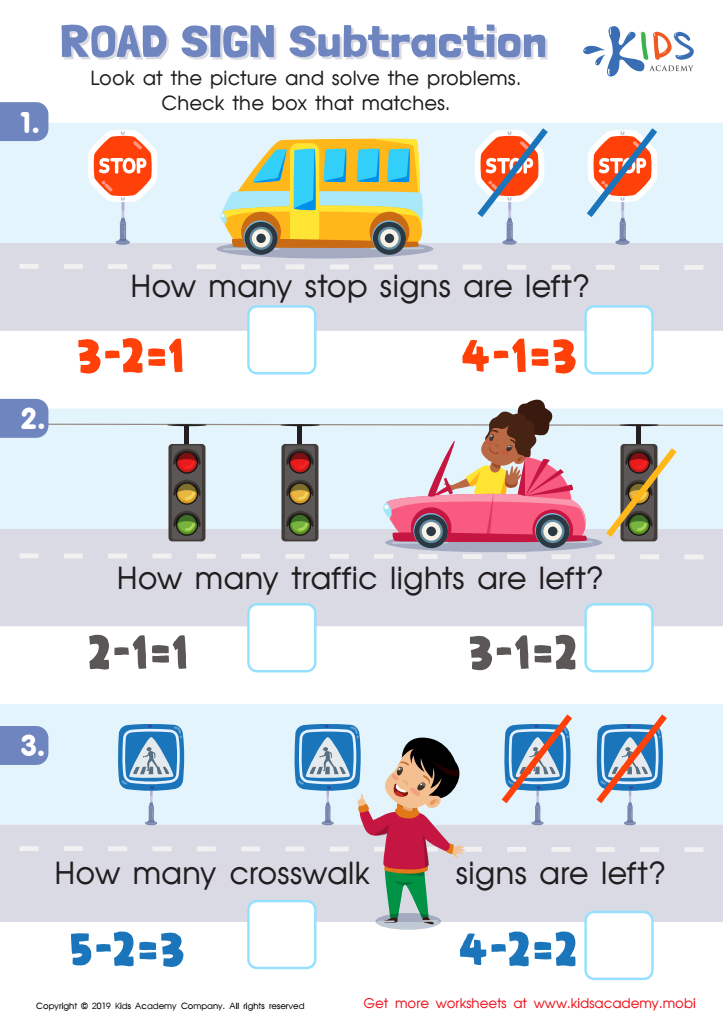
Road Sign Subtraction Worksheet
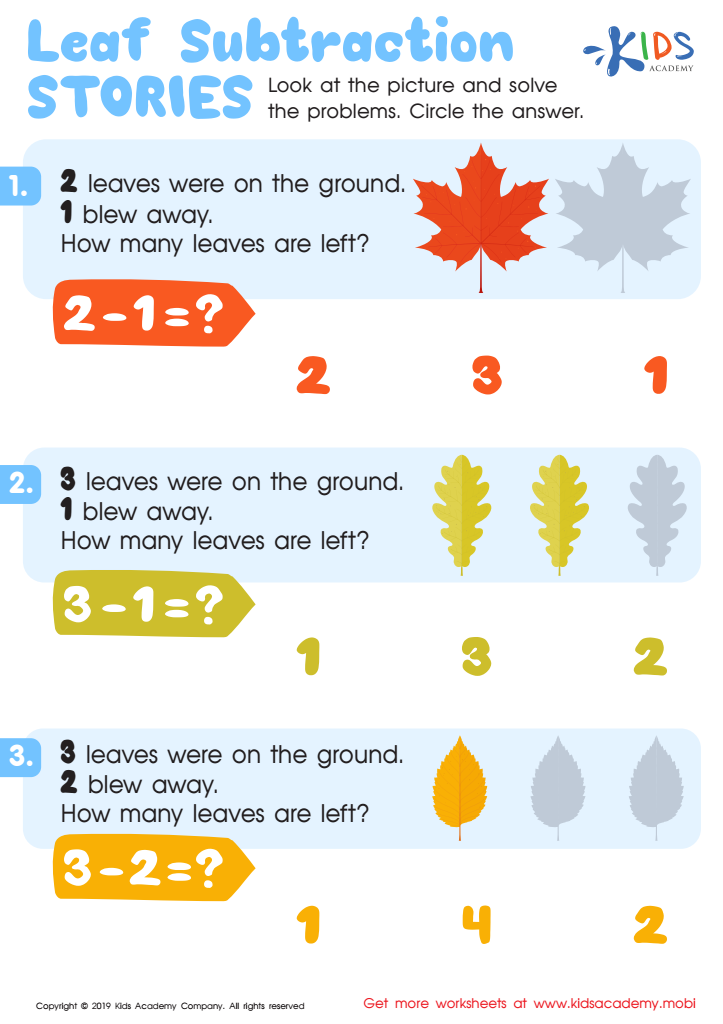
Leaf Subtraction Stories Worksheet
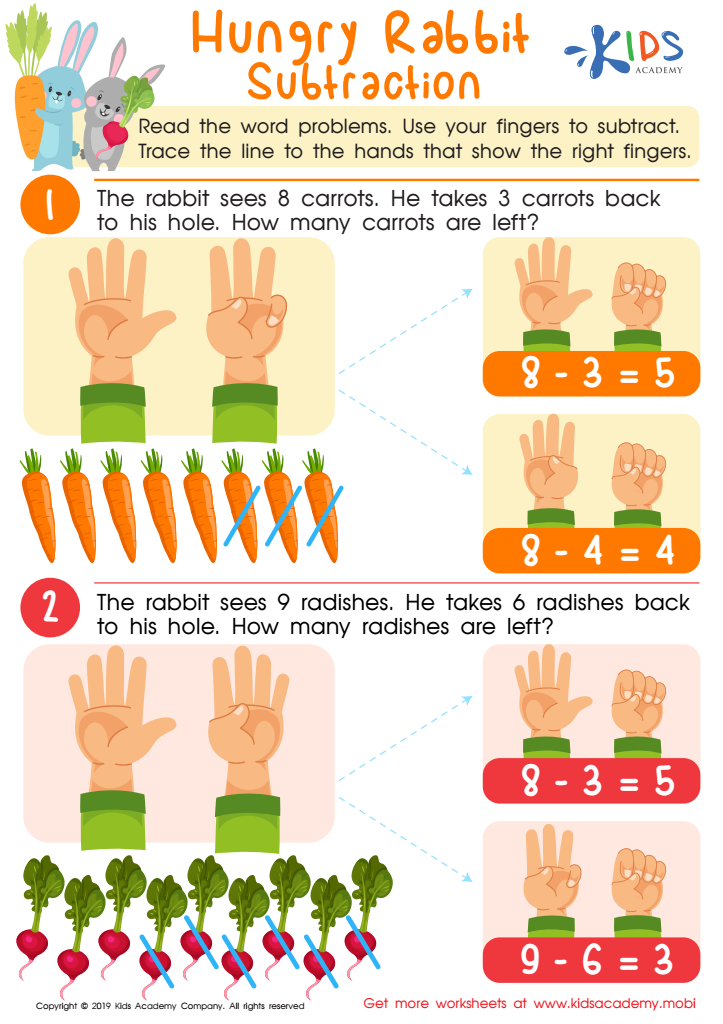
Hungry Rabbit Subtraction Worksheet
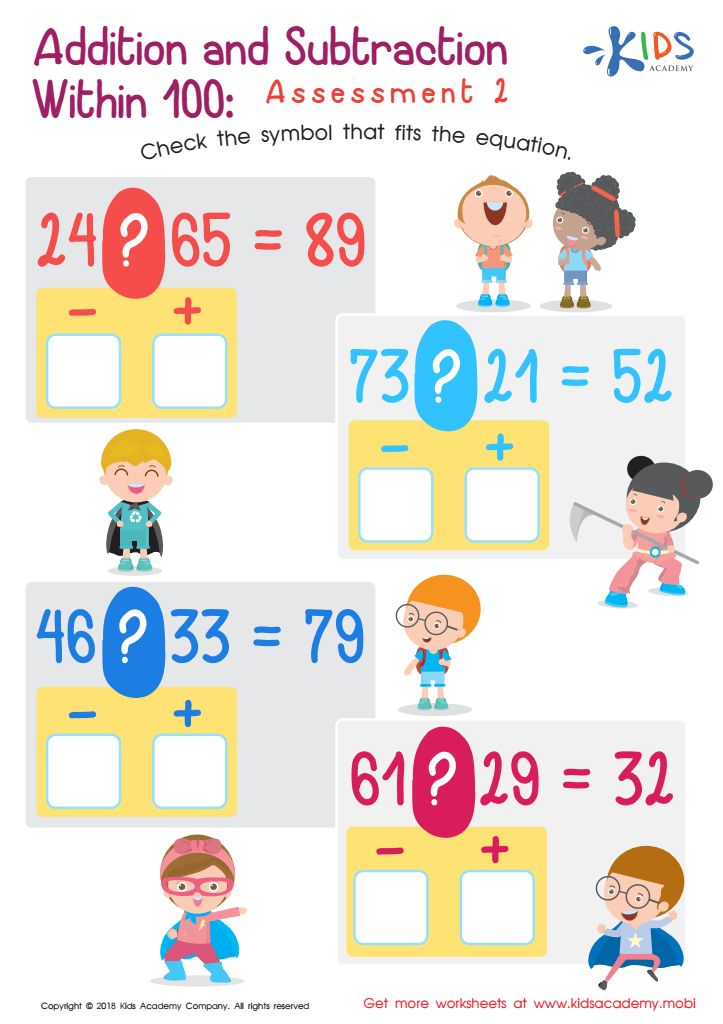
Addition and Subtraction Within 1: Assessment 2 Worksheet
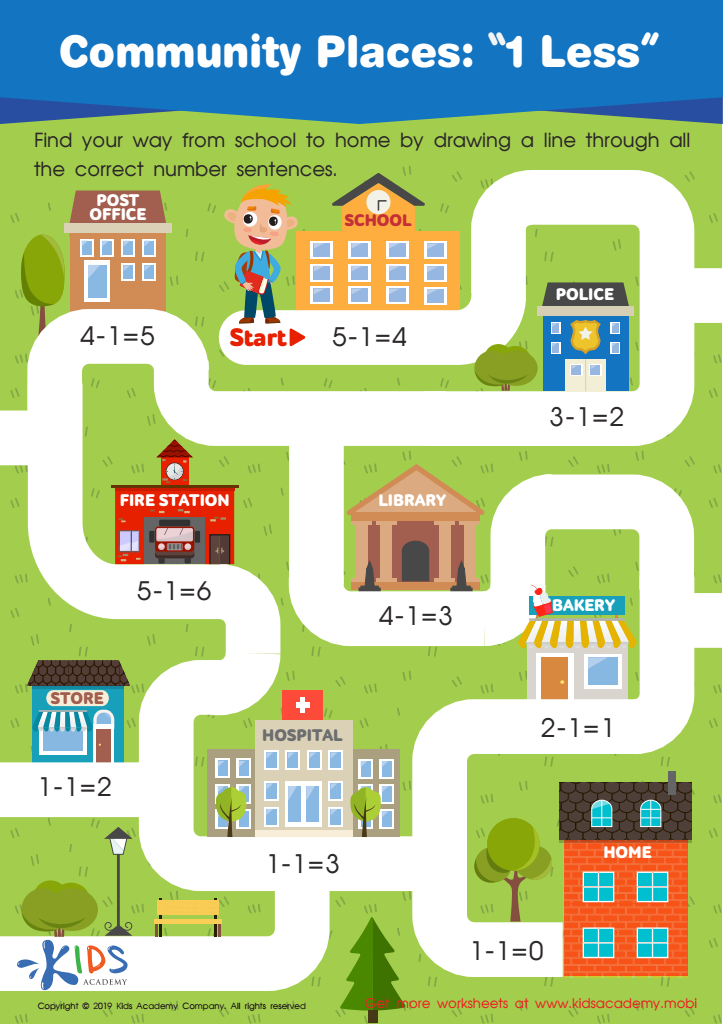
Community Places: 1 Less Worksheet








Subtraction practice is crucial for children aged 4-6 as it lays the foundation for essential math skills that will be built upon throughout their education. This early introduction helps develop critical thinking and problem-solving abilities, as children learn to analyze and break down numbers. Parents and teachers should understand that these skills go beyond mathematics and are applicable in everyday life, from simple calculations to more complex decision-making tasks.
By practicing subtraction, children also improve their number sense, which is the understanding of how numbers relate to each other. This foundational skill is vital for higher-level math concepts, such as addition, multiplication, and division. Starting early ensures that children gain confidence in their abilities, reducing anxiety related to mathematics as they progress through school.
Furthermore, consistent subtraction practice enhances fine motor skills and hand-eye coordination when children write numbers and work through problems. It also fosters a sense of achievement and patience, as they experience the satisfaction of solving problems through perseverance.
In summary, subtraction practice for ages 4-6 is not just about teaching math; it’s about equipping children with critical life skills, building their confidence, and nurturing an early love for learning. Parents and teachers can provide a supportive environment that encourages continuous practice, making the process enjoyable and effective.








