
Color Identification Building Vocabulary Worksheets for Ages 4-6
4 filtered results
Difficulty Level
Grade
Age
-
From - To
Subject
Activity
Standards
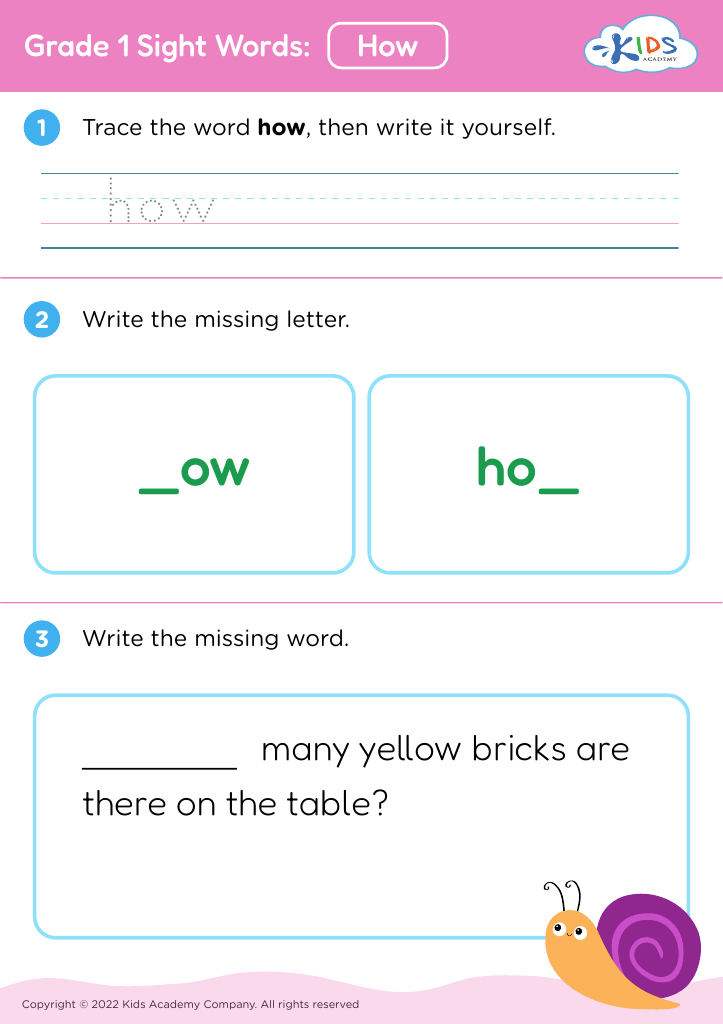
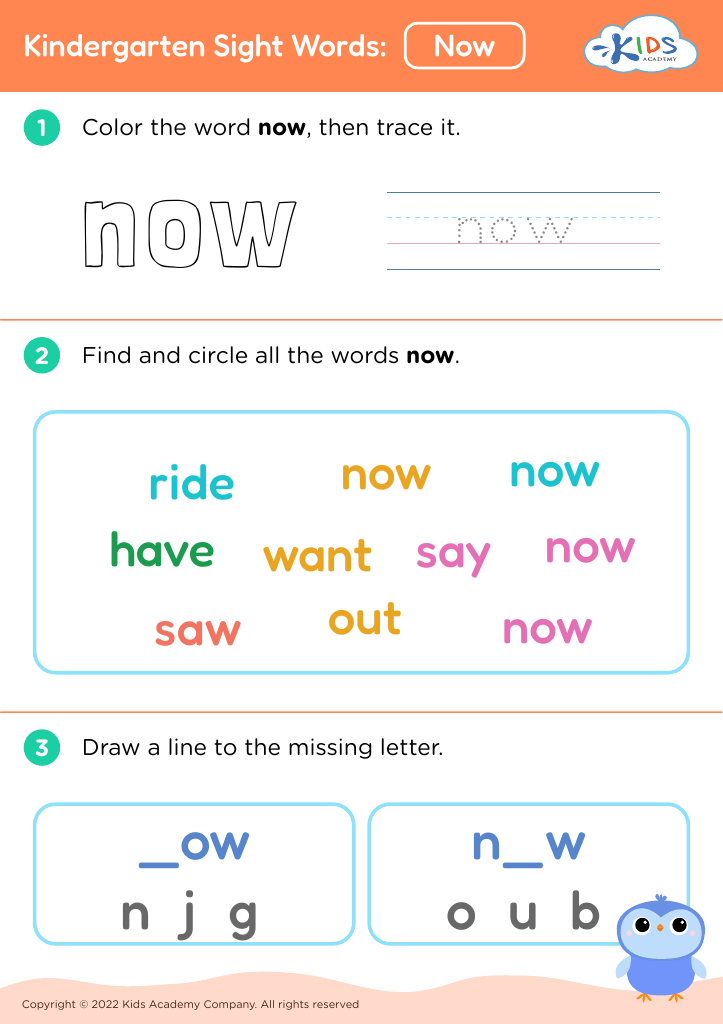
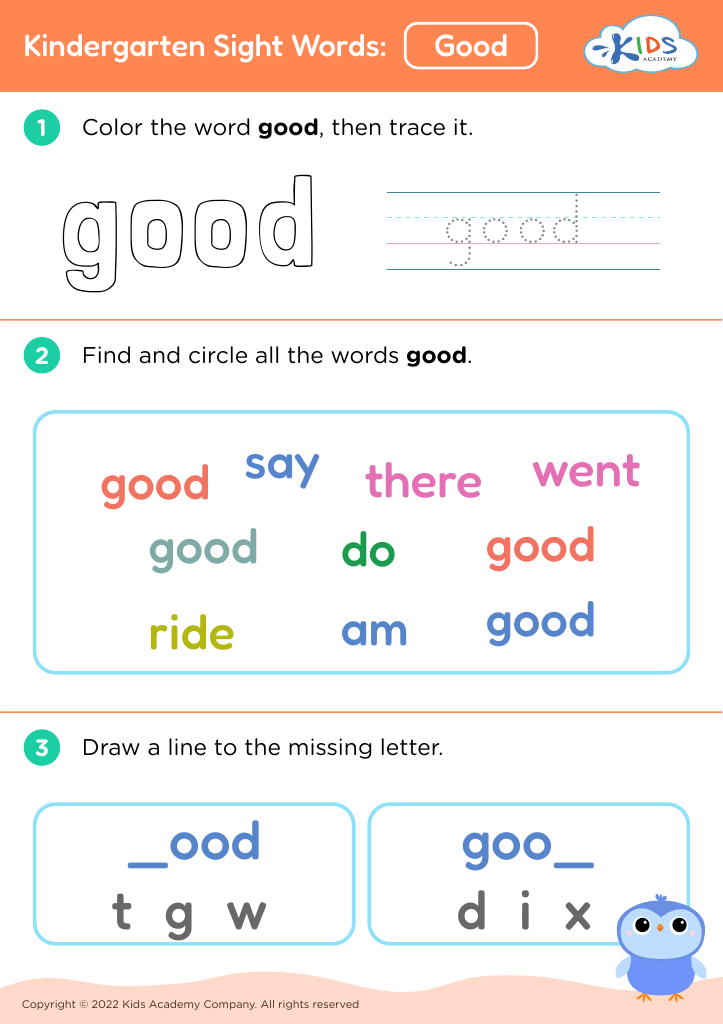
Explore our engaging Color Identification Building Vocabulary Worksheets designed specifically for children ages 4-6! These vibrant, interactive worksheets help young learners develop essential vocabulary skills through fun color recognition activities. Each worksheet is thoughtfully crafted to enhance cognitive abilities, promote critical thinking, and encourage creativity. Children will delight in identifying colors while improving their reading and language skills. Perfect for classrooms or at-home learning, our printable resources make learning enjoyable and accessible. Watch your little ones thrive as they build their vocabulary with exciting activities that bring colors to life! Get started today and help your child discover the world of colors!
Favorites
With answer key
Interactive
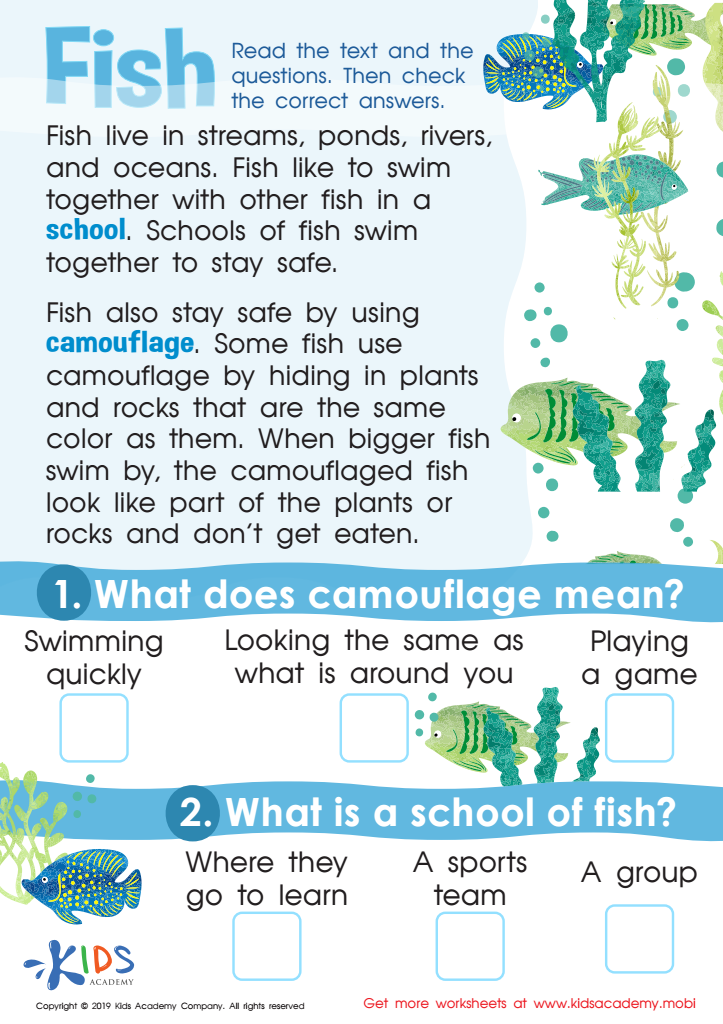
Fish Worksheet
Kids love learning about the creatures that live in water! This free PDF worksheet covers fish, teaching kids larger vocabulary and contextual reading comprehension. Questions prompt them to choose the right answer from multiple choices, just like in a classroom. It's a fun way to boost their reading skills and comprehension without them even realizing it!
 Assign to My Students
Fish Worksheet
Worksheet











Join Kids Academy for Free
Who is primarily going to use this learning content?







.jpg)
Color identification is a vital component of early childhood education and language development for children aged 4-6. Parents and teachers should care about this topic for several reasons. First, the ability to recognize and name colors enriches vocabulary and language skills. When children learn colors, they enhance their communication abilities, as they can express their observations more effectively. This early vocabulary acquisition lays the foundation for more complex language skills.
Second, color identification supports cognitive development. Understanding colors involves categorization and classification, which are crucial cognitive processes. Engaging with colors boosts creative thinking, as children often use colors to express their emotions and ideas through art and play.
Moreover, color identification encourages social interaction. Children often discuss colors in group settings, fostering peer connections and cooperative play. When educators and parents introduce colors in engaging and interactive ways, they create positive learning experiences that promote enthusiasm for learning.
Lastly, as children identify and manipulate colors through everyday experiences, they become more observant and aware of their environment. This awareness enhances their overall learning, paving the way for a lifelong passion for exploration and discovery. Therefore, prioritizing color identification in early education is essential for building vocabulary and supporting holistic development.








