Filters

19 filtered results

Clear all filters
Favorites
With answer key
Interactive

19 filtered results

Difficulty Level

Grade


Discover our engaging "Counting Skills Building Vocabulary Worksheets" designed specifically for children aged 4-6! These worksheets combine learning numbers with vocabulary enhancement, making math and language development fun and interactive. Each worksheet includes colorful illustrations and activities that reinforce counting skills while introducing new words related to numbers and objects. Ideal for home or classroom use, our resources support early education and help children develop essential skills for later learning. Encourage your little ones to explore the world of numbers through play and creativity, while building their vocabulary at the same time. Start their learning journey today!

Check out this FREE Trial Lesson on Building Vocabulary for age 4-6!

Distinguish Between Similarly Spelled Words

Favorites
With answer key
Interactive
  • 4-6
  • Counting skills
  • Building Vocabulary
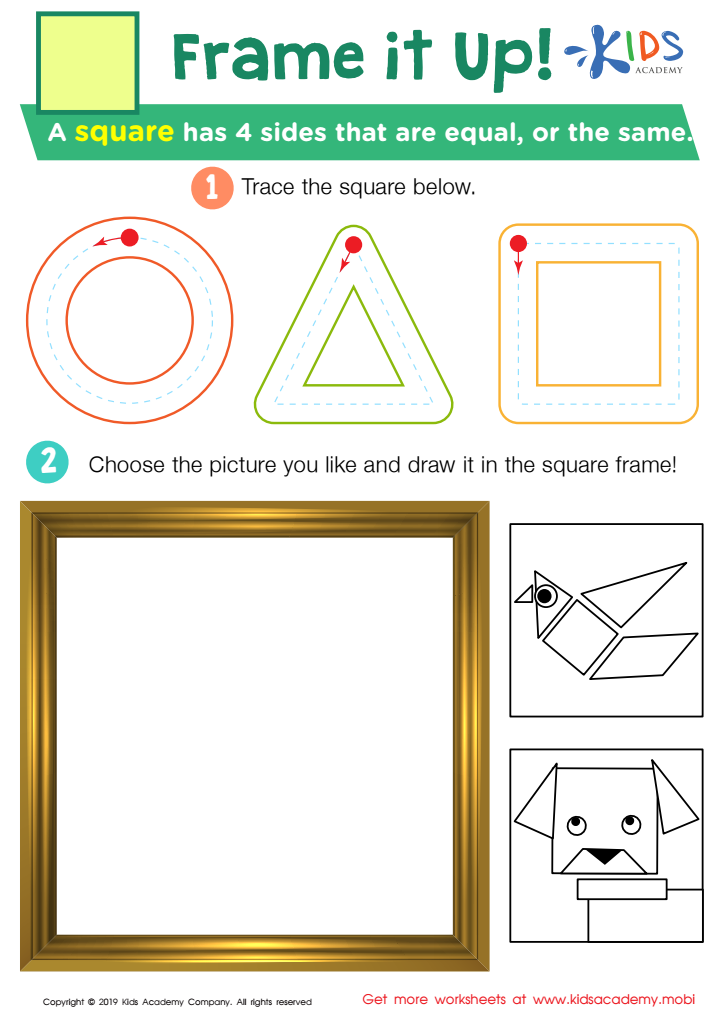
Frame it Up Worksheet

Frame it Up Worksheet

This worksheet helps kids learn the difference between squares and other shapes. It guides them to trace a square and draw a picture inside it. Examples of shapes-based drawings are included. Kids will have fun and clear up any confusion about squares.
Frame it Up Worksheet
Worksheet
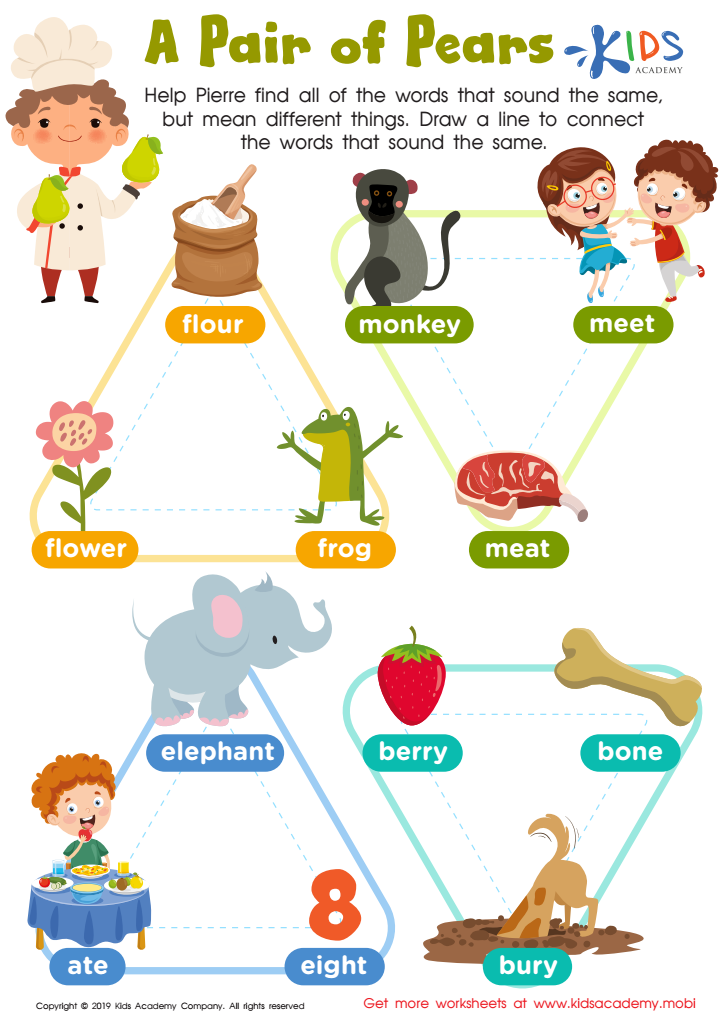
Pair Pears Worksheet
Pair Pears Worksheet
Young readers can have difficulty knowing when to use the right homophone. This free worksheet helps them use familiar imagery to understand better by connecting words that sound similar but are spelled and mean different things. Students will trace the lines to form a picture and have a reference image to differentiate between the different homophones.
Pair Pears Worksheet
Worksheet
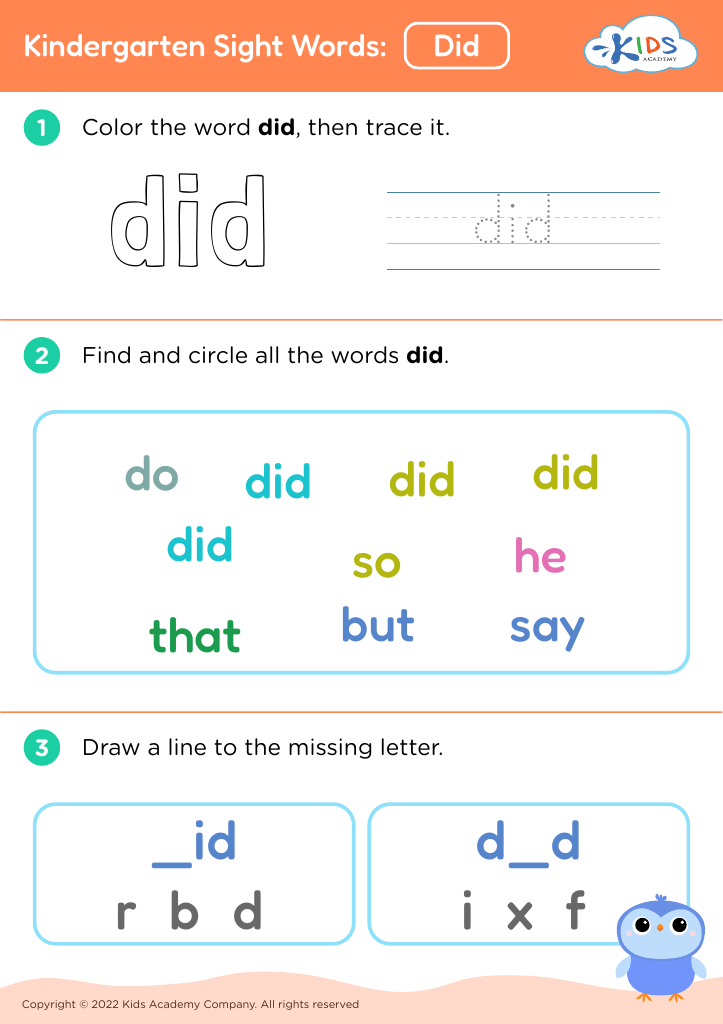
Kindergarten Sight Words: Did

Kindergarten Sight Words: Did

Kindergarten Sight Words: Did
Worksheet
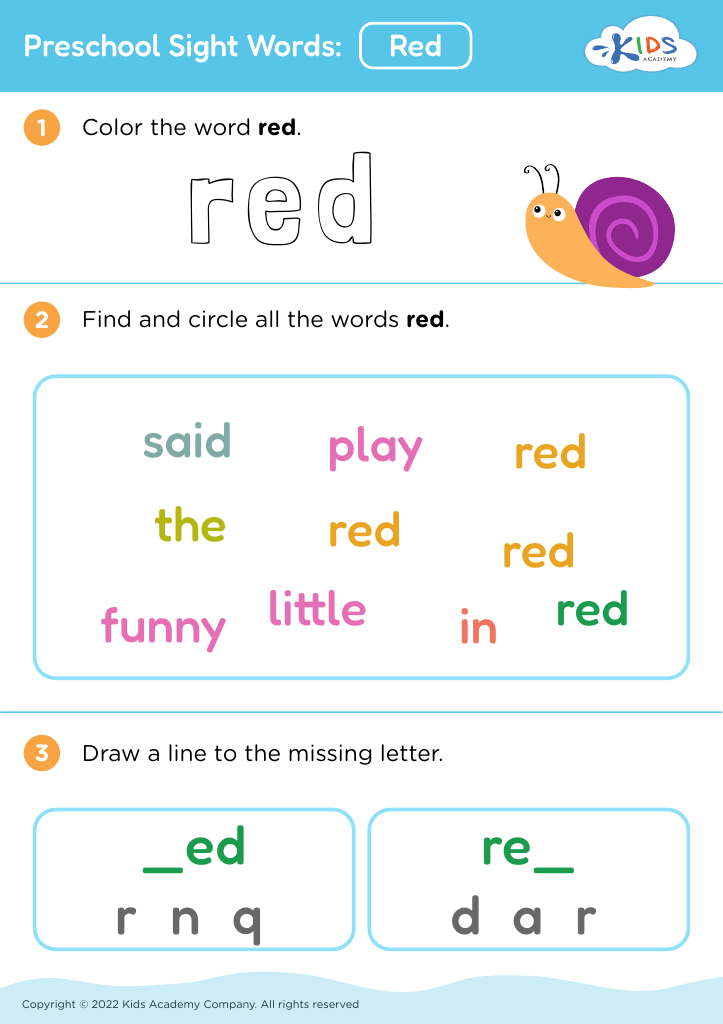
Preschool Sight Words: Red

Preschool Sight Words: Red

Preschool Sight Words: Red
Worksheet
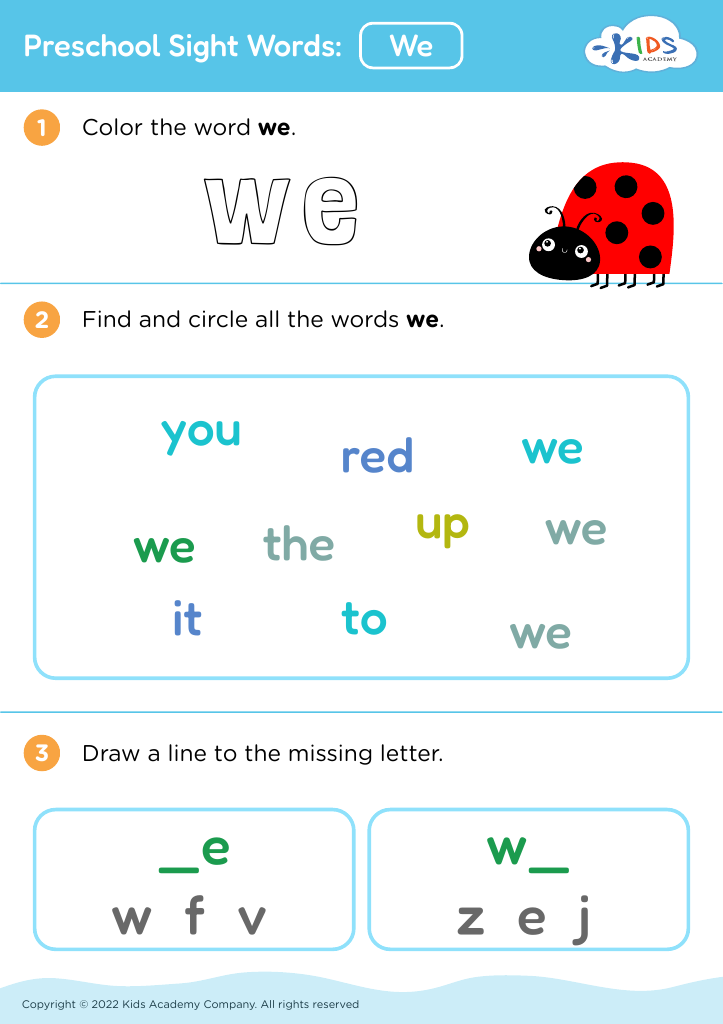
Preschool Sight Words: We

Preschool Sight Words: We

Preschool Sight Words: We
Worksheet
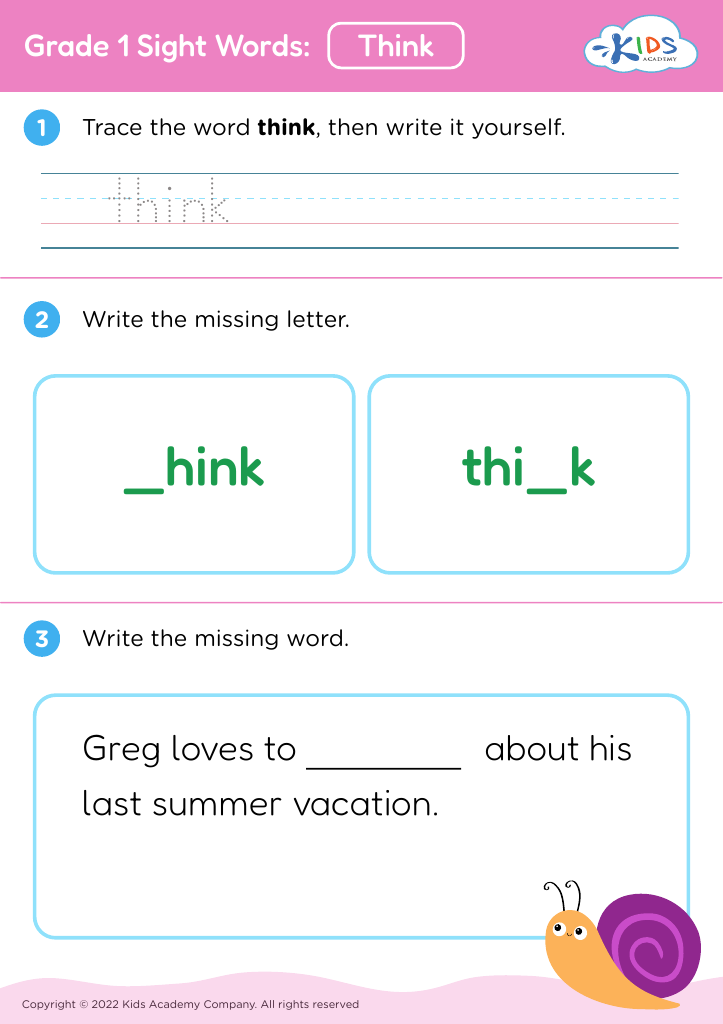
Grade 1 Sight Words: Think

Grade 1 Sight Words: Think

Grade 1 Sight Words: Think
Worksheet
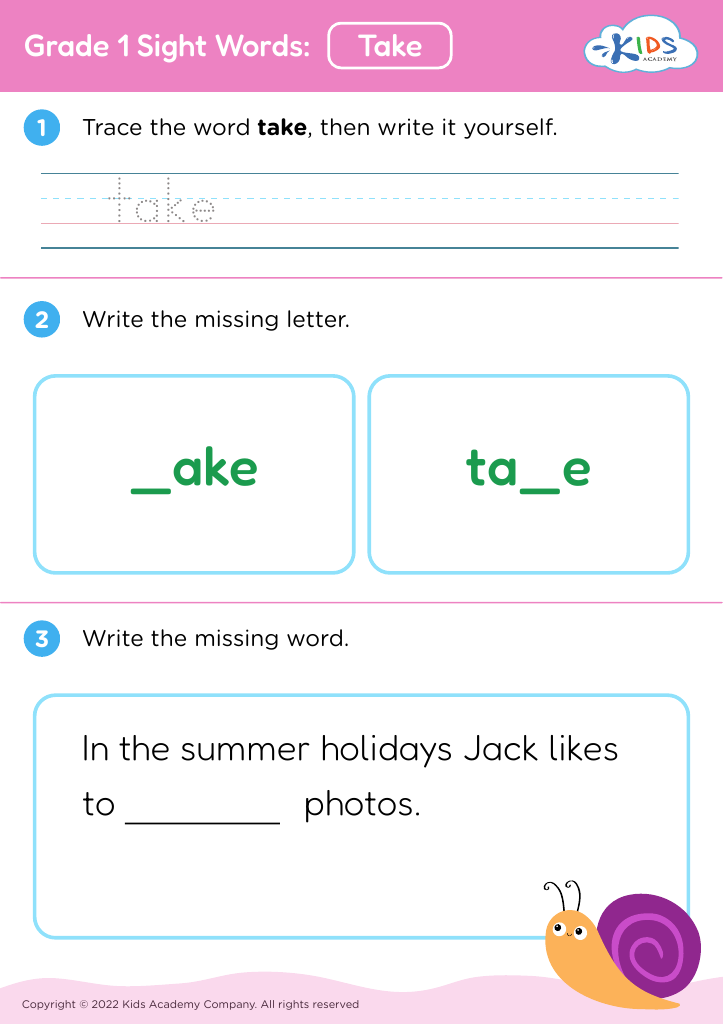
Grade 1 Sight Words: Take

Grade 1 Sight Words: Take

Grade 1 Sight Words: Take
Worksheet
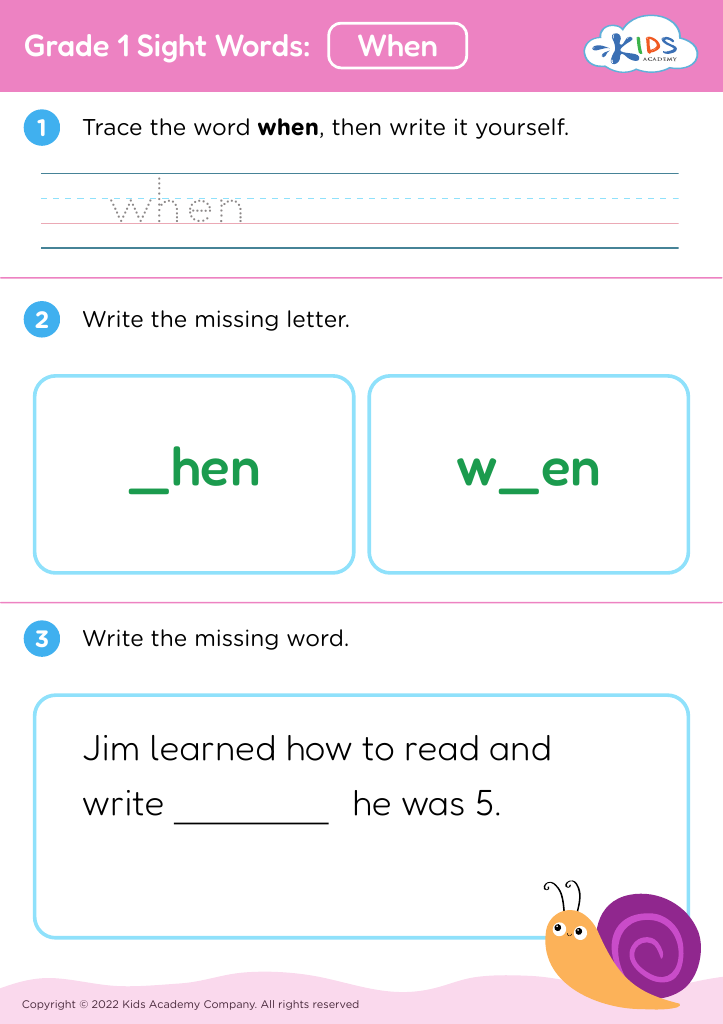
Grade 1 Sight Words: When

Grade 1 Sight Words: When

Grade 1 Sight Words: When
Worksheet
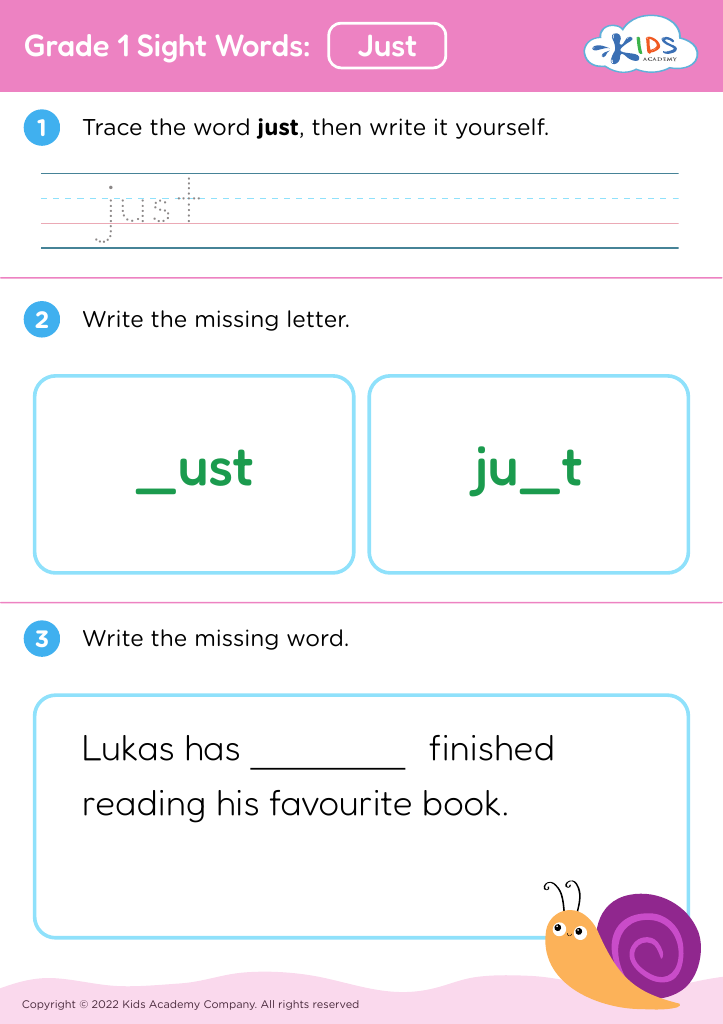
Grade 1 Sight Words: Just

Grade 1 Sight Words: Just

Grade 1 Sight Words: Just
Worksheet
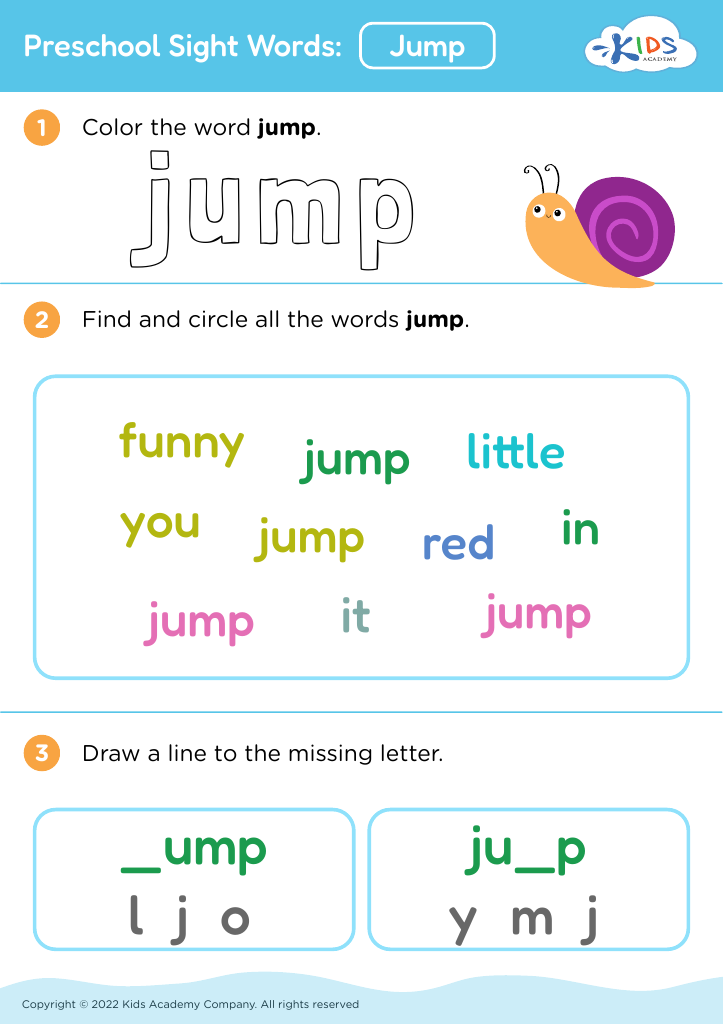
Preschool Sight Words: Jump

Preschool Sight Words: Jump

Preschool Sight Words: Jump
Worksheet
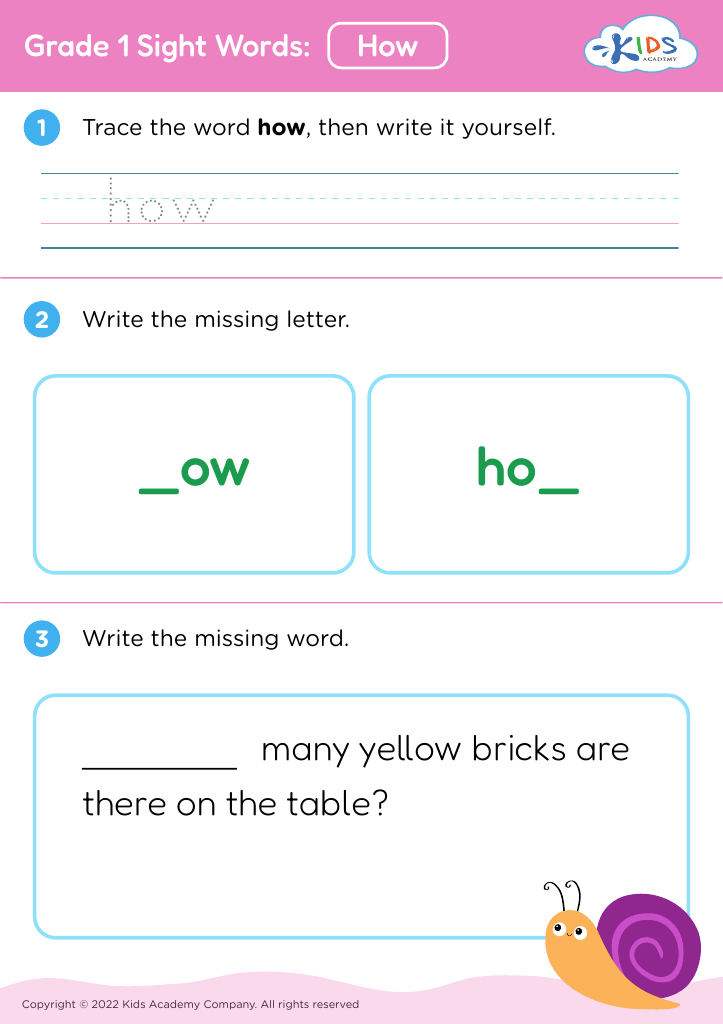
Grade 1 Sight Words: How

Grade 1 Sight Words: How

Grade 1 Sight Words: How
Worksheet
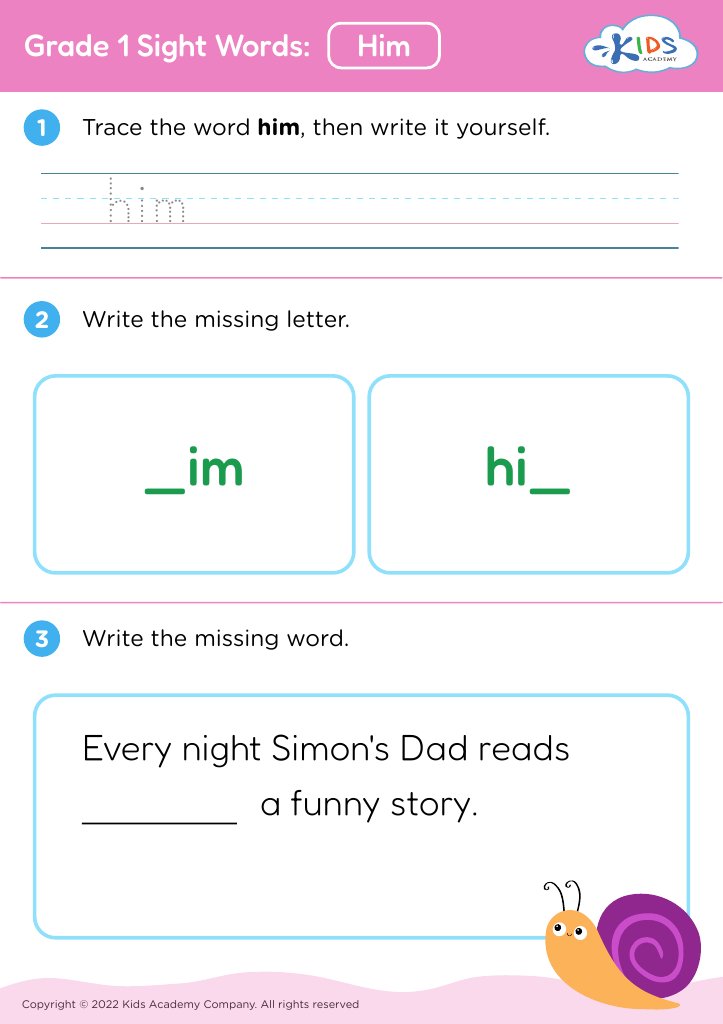
Grade 1 Sight Words: Him

Grade 1 Sight Words: Him

Grade 1 Sight Words: Him
Worksheet
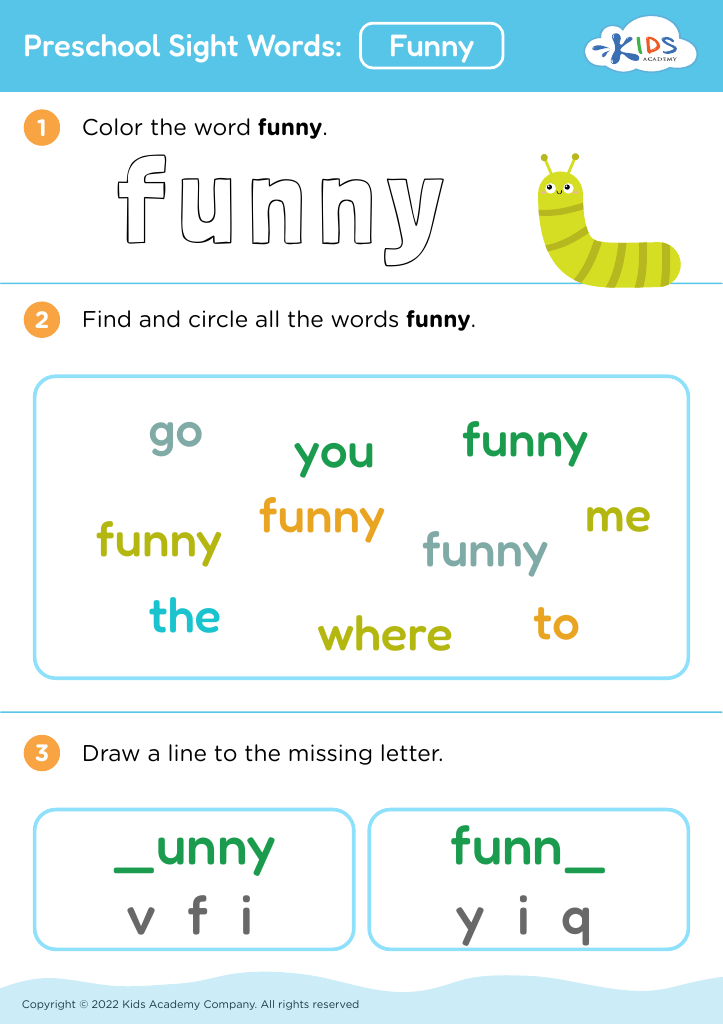
Preschool Sight Words: Funny

Preschool Sight Words: Funny

Preschool Sight Words: Funny
Worksheet
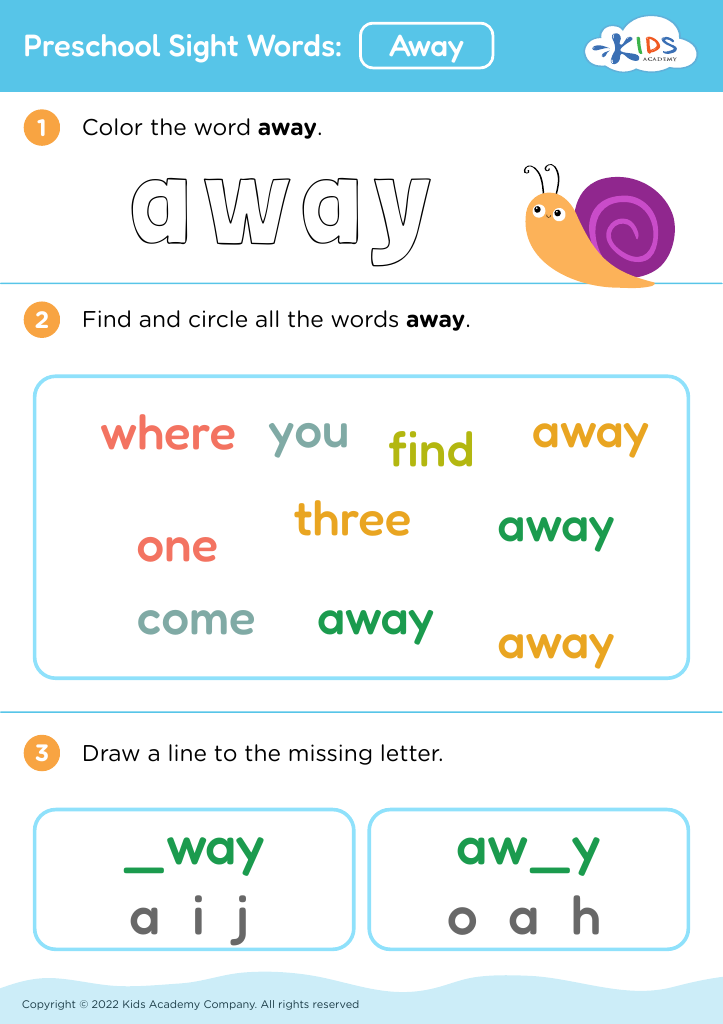
Preschool Sight Words: Away

Preschool Sight Words: Away

Preschool Sight Words: Away
Worksheet
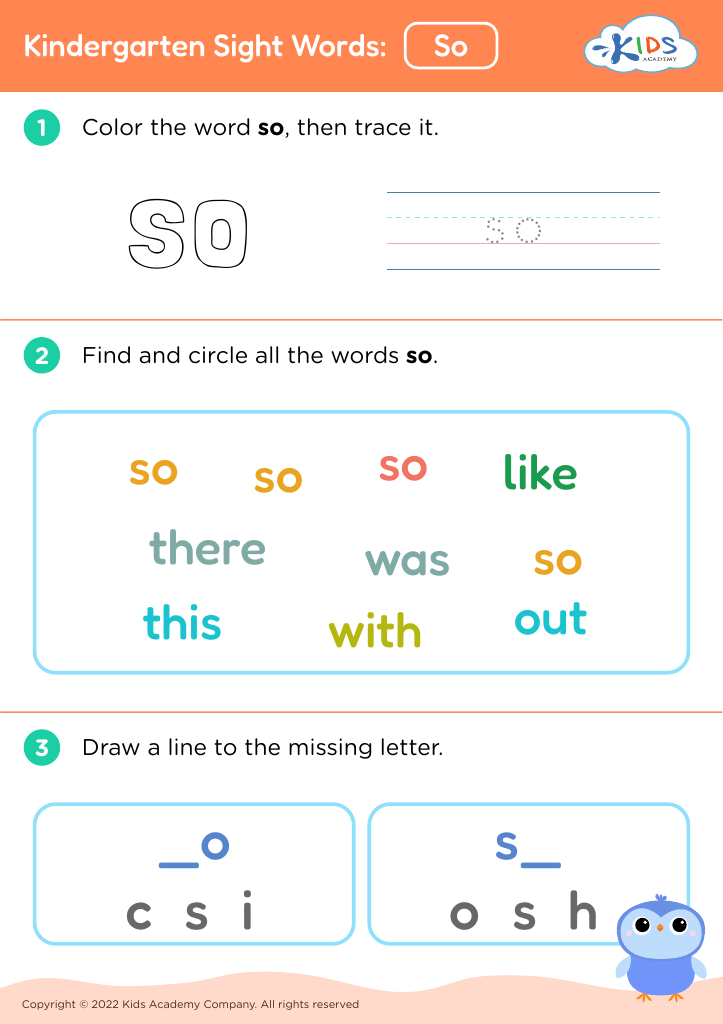
Kindergarten Sight Words: So

Kindergarten Sight Words: So

Kindergarten Sight Words: So
Worksheet
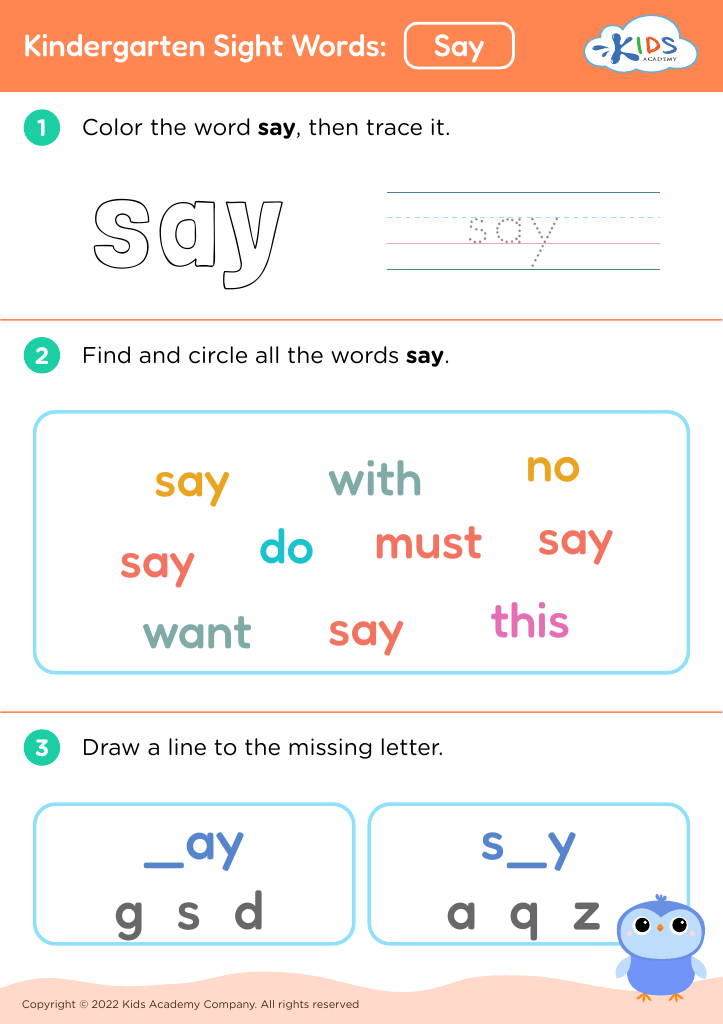
Kindergarten Sight Words: Say

Kindergarten Sight Words: Say

Kindergarten Sight Words: Say
Worksheet
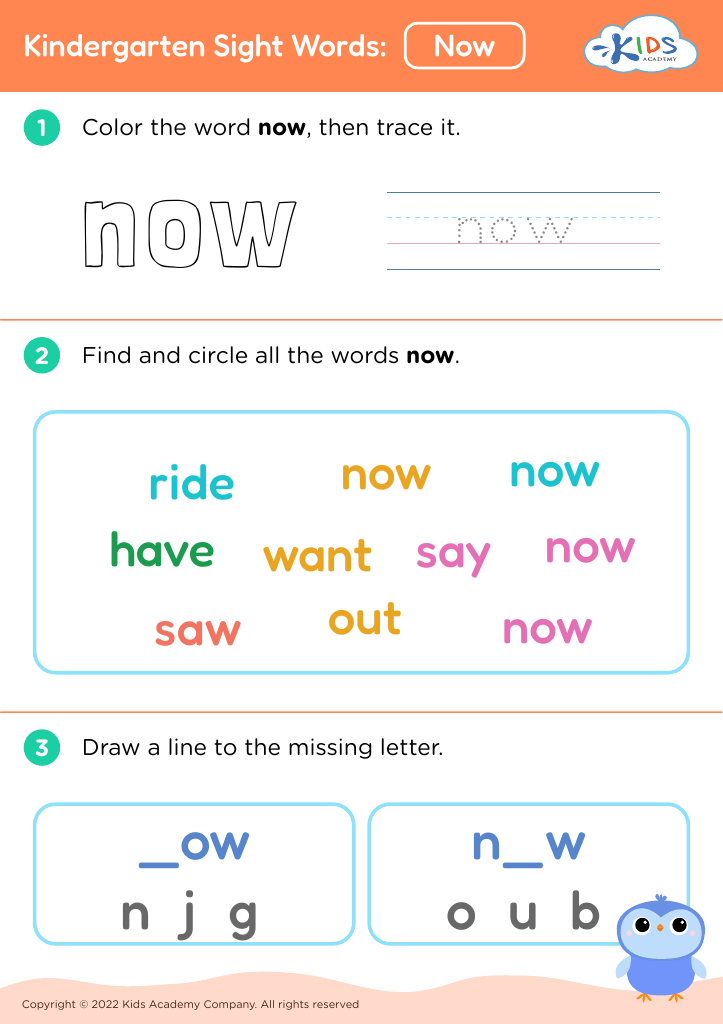
Kindergarten Sight Words: Now

Kindergarten Sight Words: Now

Kindergarten Sight Words: Now
Worksheet
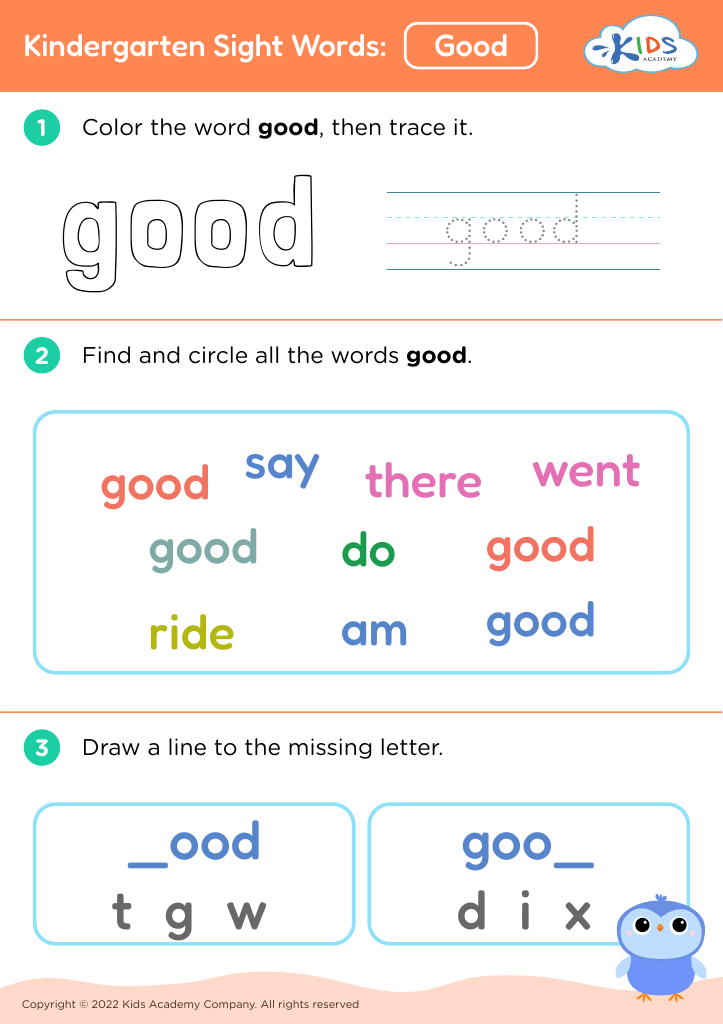
Kindergarten Sight Words: Good

Kindergarten Sight Words: Good

Kindergarten Sight Words: Good
Worksheet
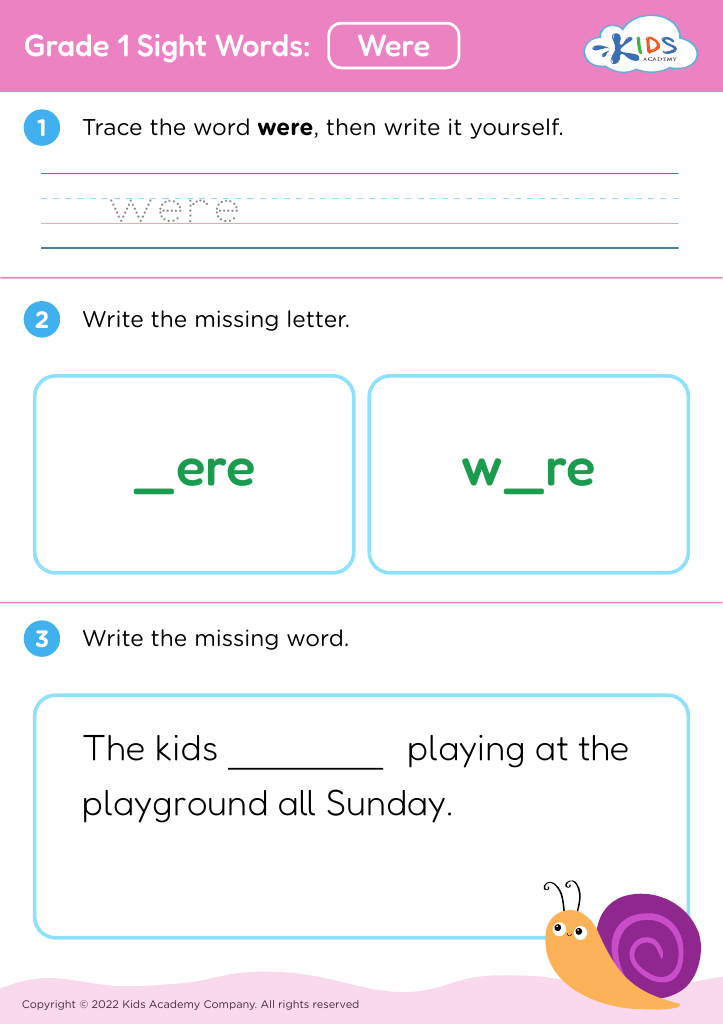
Grade 1 Sight Words: Were

Grade 1 Sight Words: Were

Grade 1 Sight Words: Were
Worksheet


Counting skills and vocabulary development are fundamental aspects of early childhood education, crucial for building a strong foundation for future learning. For children aged 4 to 6, counting is not just about numbers; it introduces them to concepts like quantities, comparisons, and basic mathematical thinking. Learning to count encourages cognitive development and problem-solving skills that are vital as they progress through their educational journey.

Building vocabulary during these years is equally important as it enhances communication skills and comprehension. A rich vocabulary facilitates better expression of thoughts and feelings, enabling children to engage more effectively in conversations and storytelling. This also aids in reading readiness, as children with a robust vocabulary can grasp new words encountered in texts.

For parents and teachers, fostering these skills creates an environment of curiosity and exploration. Engaging activities such as counting games, songs, and storytelling experiences can make learning fun and interactive. Moreover, children who are proficient in counting and possess a strong vocabulary tend to perform better academically as they advance in school, setting the stage for lifelong learning and success. By prioritizing these foundational skills, adults can significantly impact children's confidence, independence, and enthusiasm for learning.