Improve reading comprehension Building Vocabulary Worksheets for Ages 4-6
5 filtered results
-
From - To
Boost your child's reading comprehension with our engaging Building Vocabulary Worksheets tailored for ages 4-6. Designed to enhance essential skills, these interactive worksheets offer fun activities that promote vocabulary development and comprehension strategies. Each exercise is crafted to captivate young learners, making reading a delightful experience while reinforcing their understanding of narratives and texts. Your child will explore new words, synonyms, and context clues, building a strong foundation for future reading success. Watch as their confidence flourishes and their love for reading grows! Empower your little ones today with our thoughtfully designed worksheets, ensuring a bright academic future.
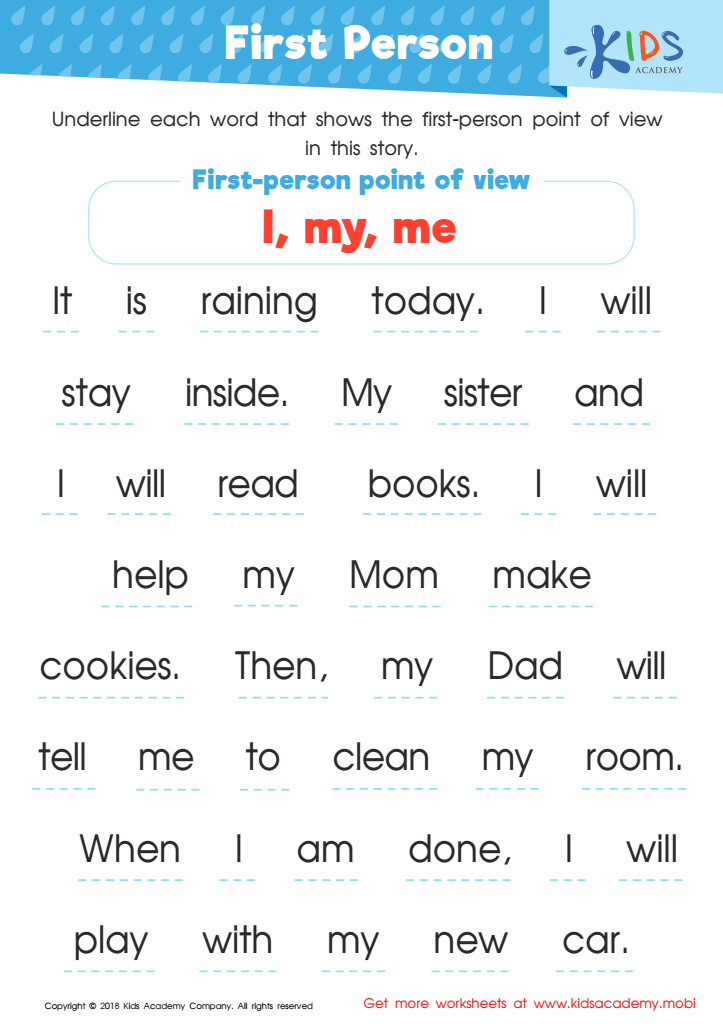
First Person Worksheet
 Assign to My Students











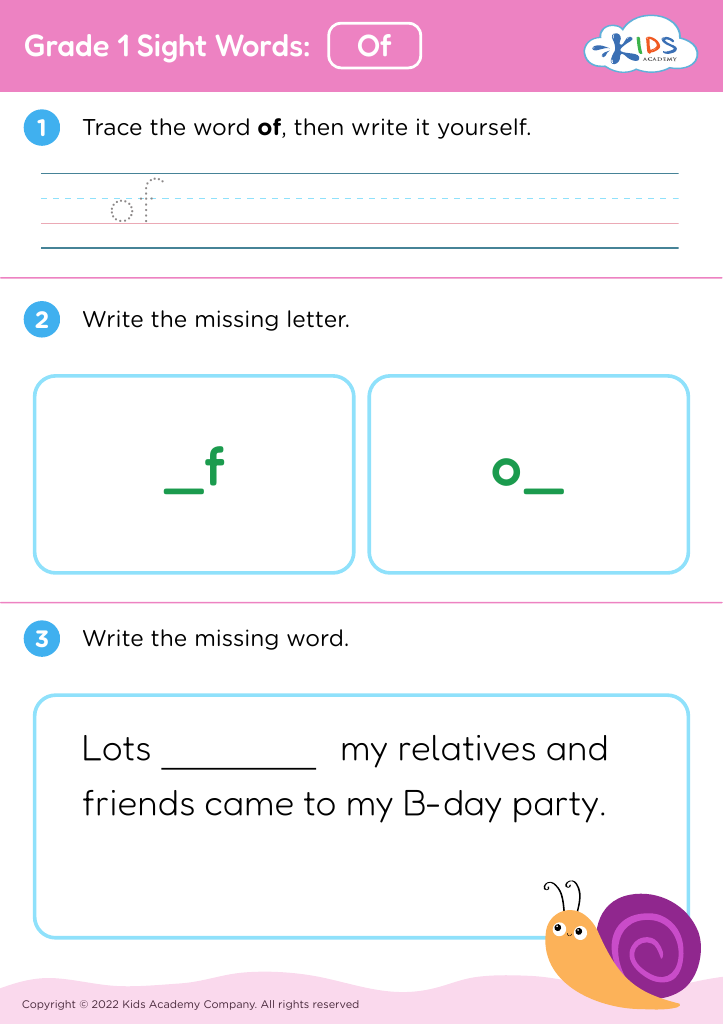
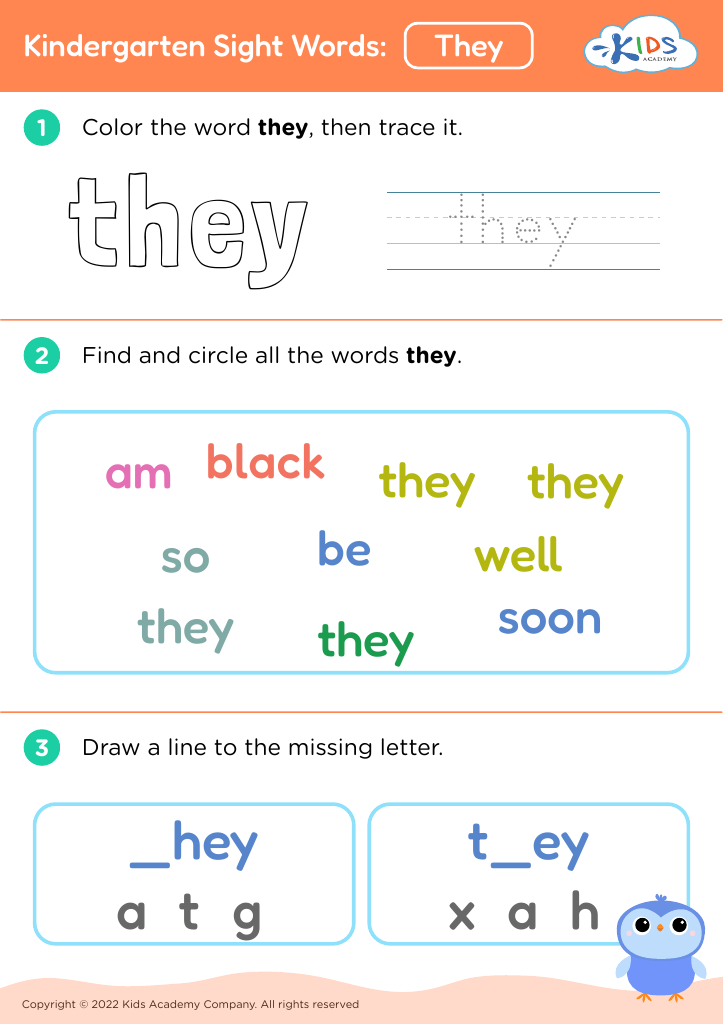
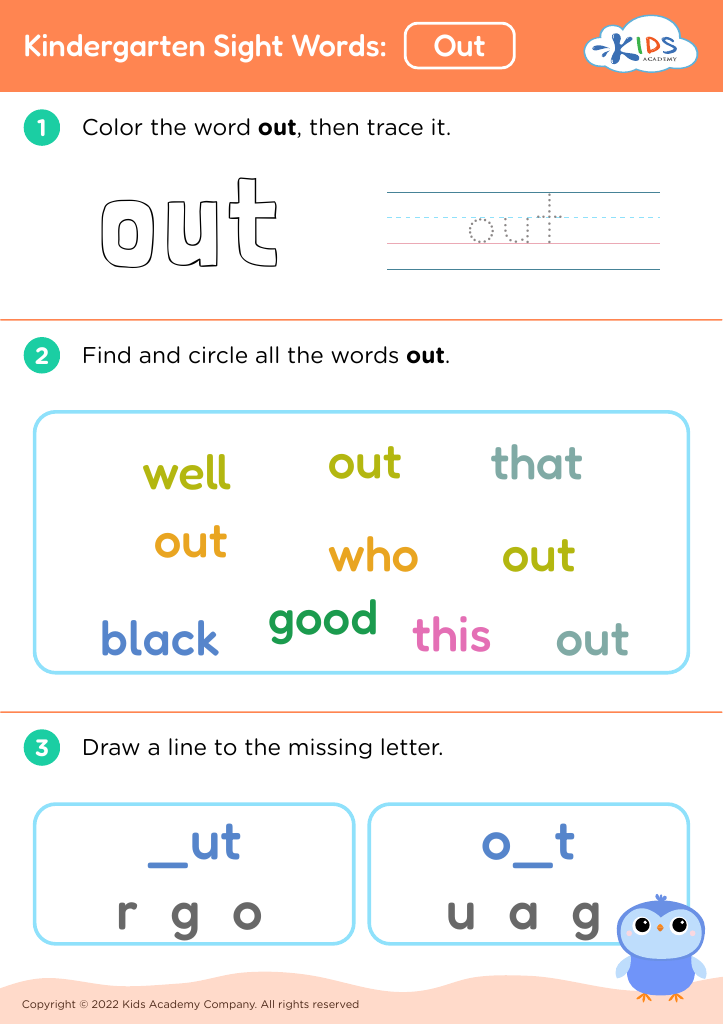
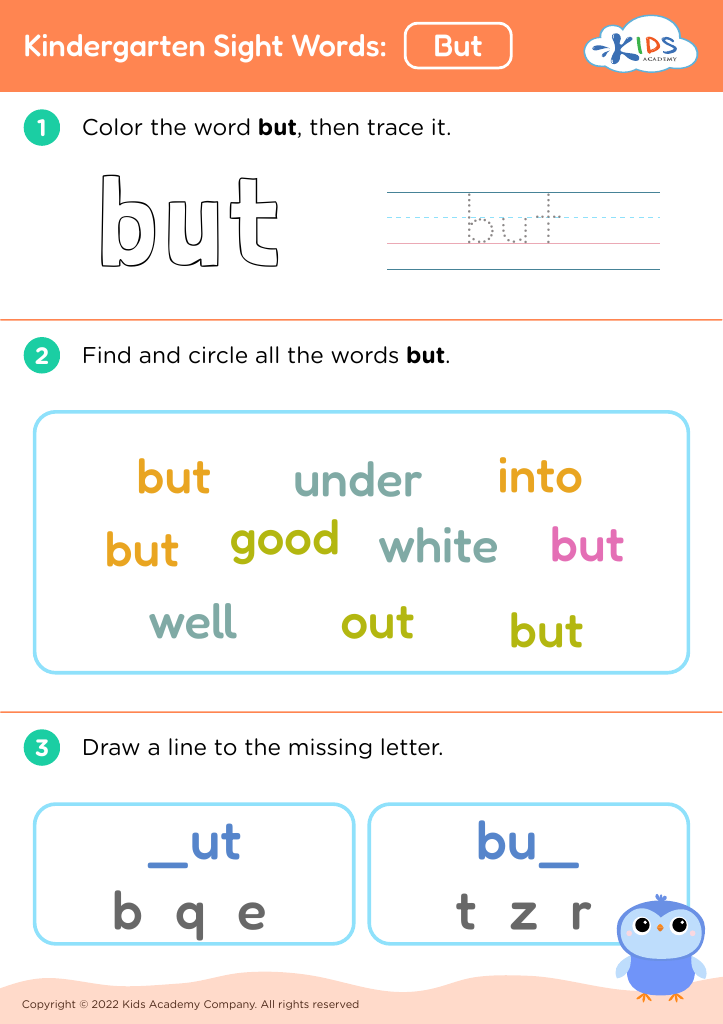


.jpg)


.jpg)


Improving reading comprehension and building vocabulary in children aged 4 to 6 is crucial for their overall development and future academic success. During these early years, children are forming foundational language skills that will serve them throughout their lives. A strong vocabulary enhances children's ability to understand what they read, express their thoughts, and communicate effectively. When children know more words, they can better decipher the meanings of new texts, leading to increased confidence and enjoyment in reading.
Moreover, reading comprehension is not merely about decoding words; it involves understanding context, making inferences, and connecting ideas. By focusing on these skills at an early age, parents and teachers can help foster critical thinking and analytical abilities. Engaging children in diverse reading materials, discussions, and interactive activities enhances their comprehension and vocabulary simultaneously.
In addition, early literacy skills are predictors of later academic achievement. Children who command a good vocabulary and comprehension skills are more likely to excel in school, paving the way for lifelong learning. By prioritizing these skills, caregivers and educators empower children to become proficient readers, laying a strong foundation for their educational journey and unlocking a world of knowledge and creativity.








