Shape identification Building Vocabulary Worksheets for Ages 4-6
4 filtered results
-
From - To
Shape Identification Building Vocabulary Worksheets for Ages 4-6 are designed to boost early learners’ skills through engaging activities. These worksheets help kids recognize and name various shapes while simultaneously enhancing their vocabulary. Perfect for preschoolers and kindergarteners, the worksheets combine fun graphics with educational tasks that capture young imaginations. By identifying, tracing, and coloring shapes, children draw connections between visual elements and words, promoting cognitive development. These interactive worksheets are an ideal resource for parents and teachers focused on building foundational language and geometry skills, preparing children for future academic success in a playful and rewarding manner.
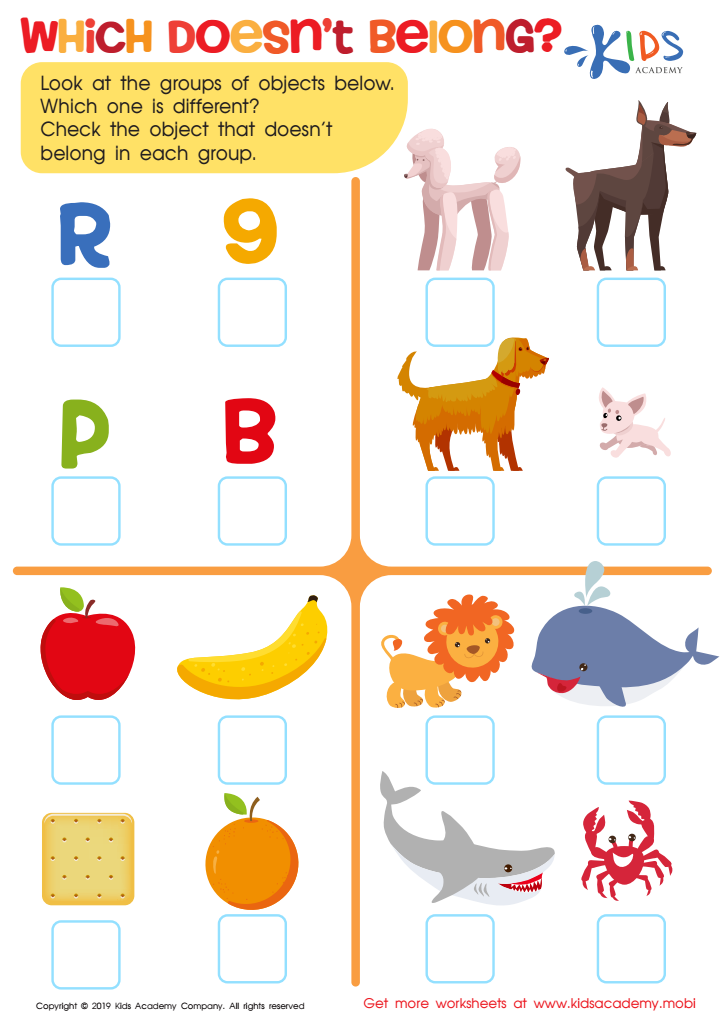
Which Doesn't Belong? Worksheet
 Assign to My Students











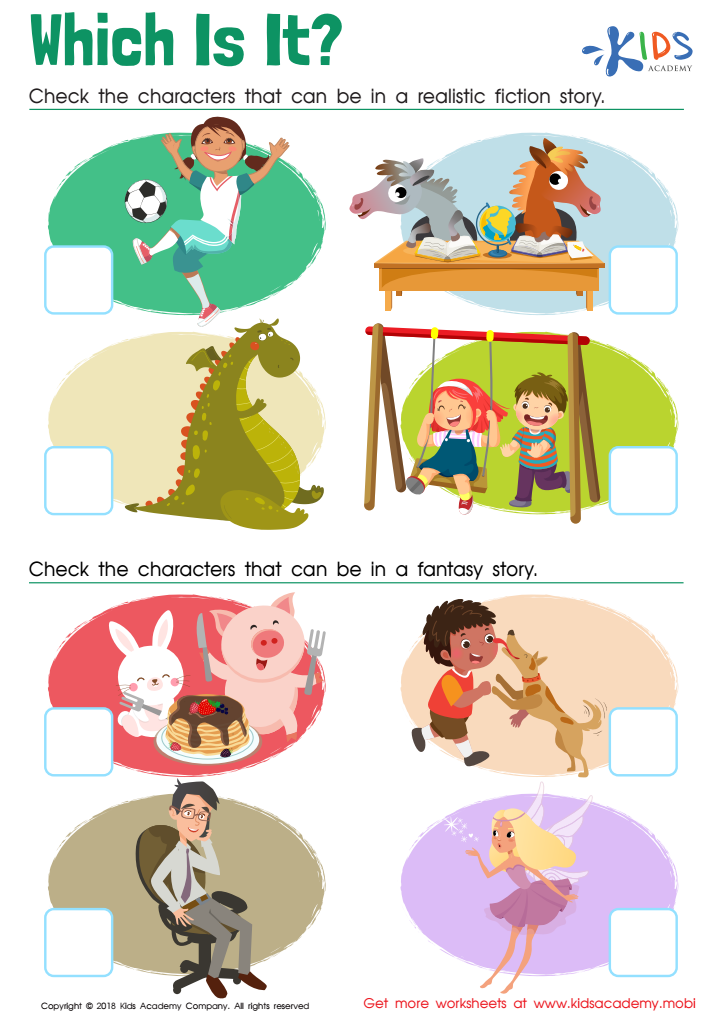
Which Is It? Worksheet







.jpg)
Shape identification and building vocabulary are crucial developmental milestones for children aged 4-6, offering foundational skills for their future learning experiences. Parents and teachers should care about these areas for several reasons.
Firstly, recognizing and naming shapes enhances cognitive development. It helps children categorize and compare objects, boosting their problem-solving and critical-thinking skills. When kids can distinguish between squares, circles, and triangles, they build the basic vocabulary and concepts necessary for understanding more complex geometrical ideas later on.
Secondly, shape identification is closely tied to literacy and numeracy. Describing shapes improves language skills by expanding vocabulary. Children learn terms like “edges,” “corners,” and descriptive words such as “curved” or “straight.” This linguistic foundation supports early reading and writing, enabling children to describe objects and their attributes more precisely.
Thirdly, early exposure to shapes and related vocabulary prepares children for everyday tasks. Recognizing shapes aids in understanding spatial relationships, important for tasks like reading maps, packing bags, or even playing sports.
Lastly, mastering these skills boosts a child's confidence and encourages a love of learning. Children find it easier to engage with their environment, exploring and making sense of the world in a structured way.
In summary, integrating shape identification and vocabulary-building into early education is essential for fostering cognitive, linguistic, and practical skills that support overall development.








