Sight word recognition Building Vocabulary Worksheets for Ages 4-6
8 filtered results
-
From - To
Enhance your child's reading skills with our engaging Sight Word Recognition Building Vocabulary Worksheets designed specifically for ages 4-6! These fun and interactive worksheets help young learners identify vital sight words, promoting confidence and fluency in reading. Our resources are crafted to support vocabulary development through various activities, including tracing, matching, and fun sentences. Each worksheet is tailored to engage your child's imagination and curiosity, making reading an enjoyable experience. Perfect for homeschooling or classroom use, our sight word worksheets empower early readers with essential tools for success. Foster a love for reading and watch your child thrive as they master sight words!
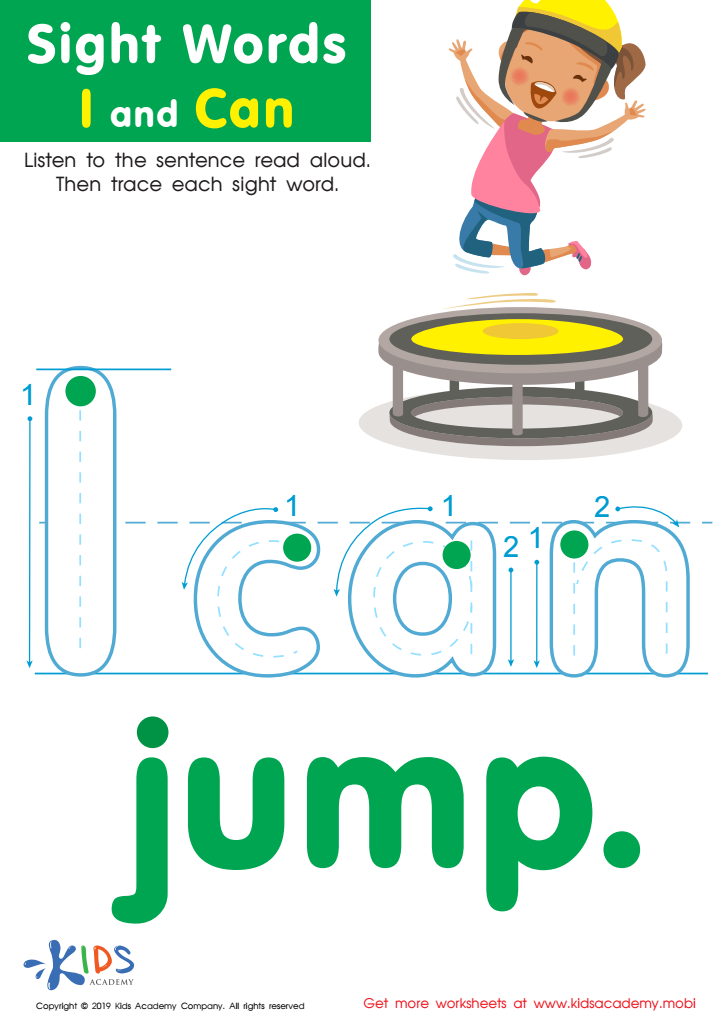
Sight Words I Can Worksheet
 Assign to My Students











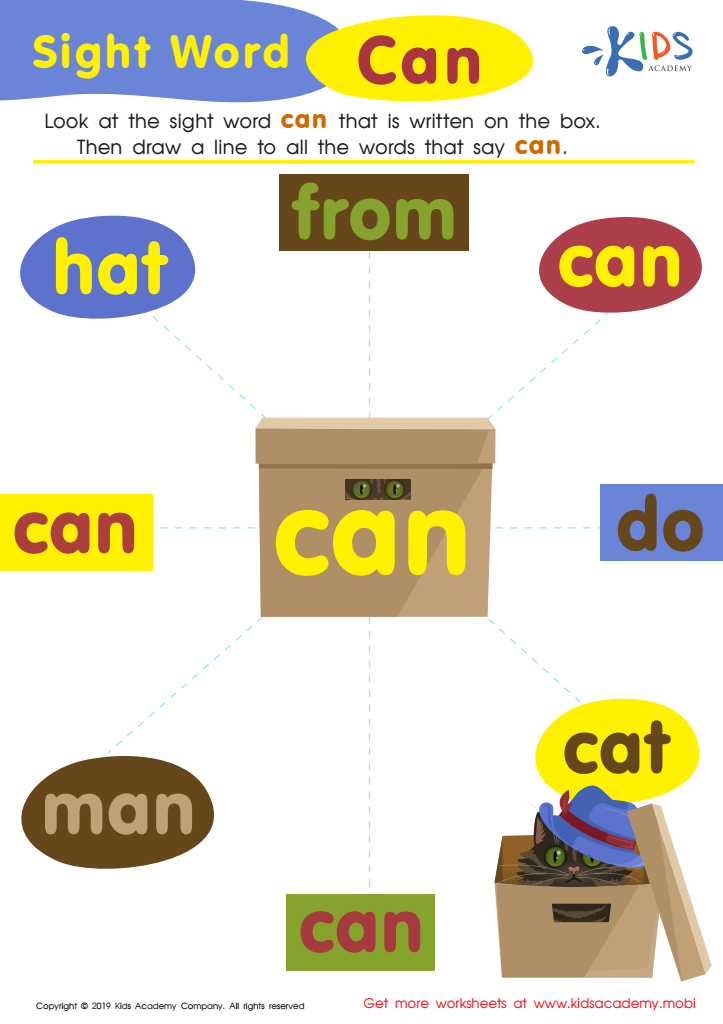
Sight Word Can Worksheet
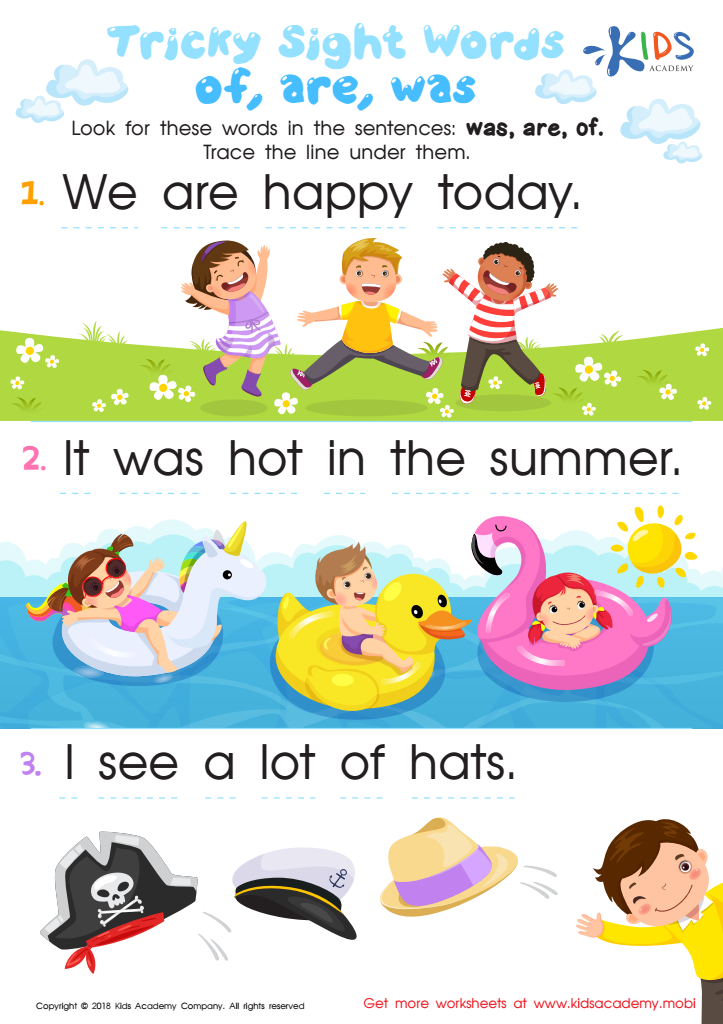
Tricky Sight Words Worksheet
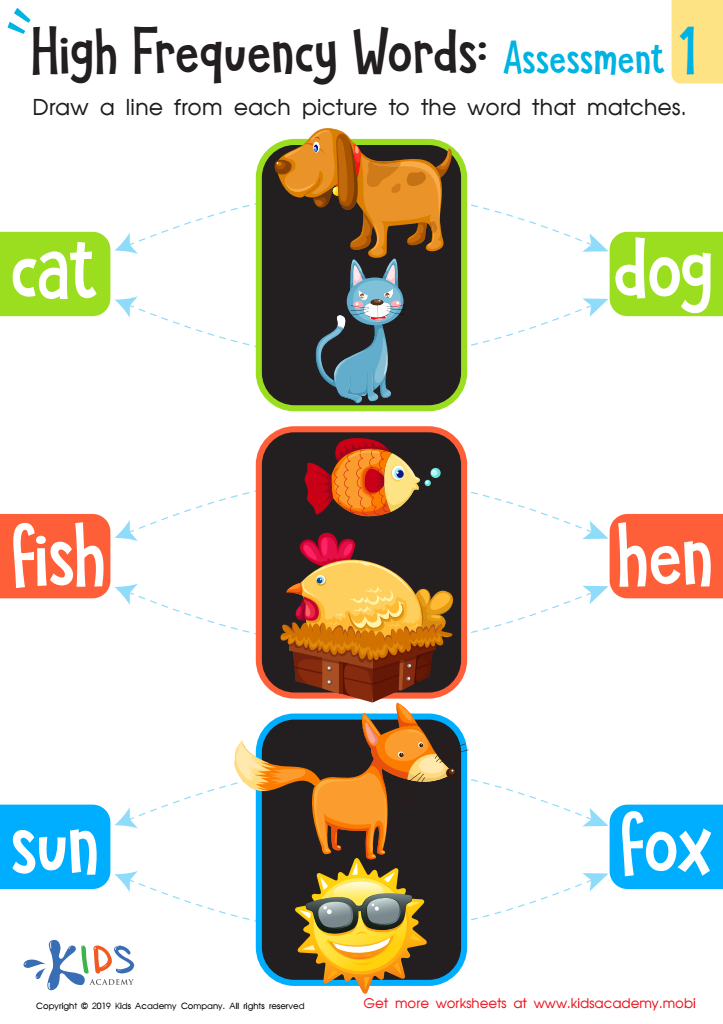
High Frequency Words: Assessment 1 Worksheet
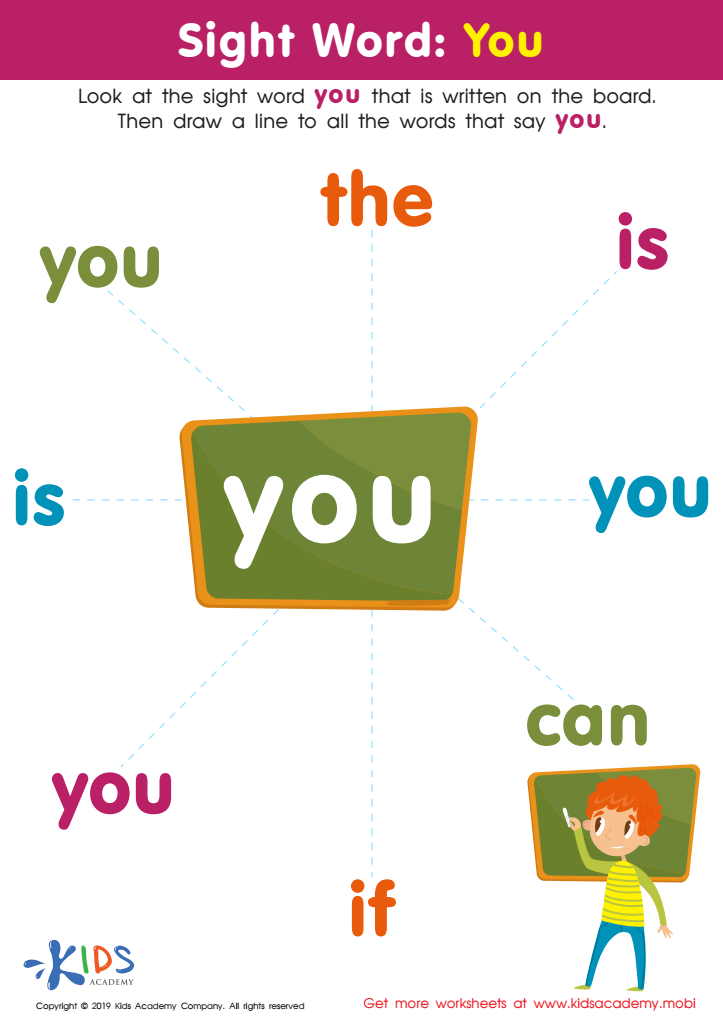
Sight Word You Worksheet
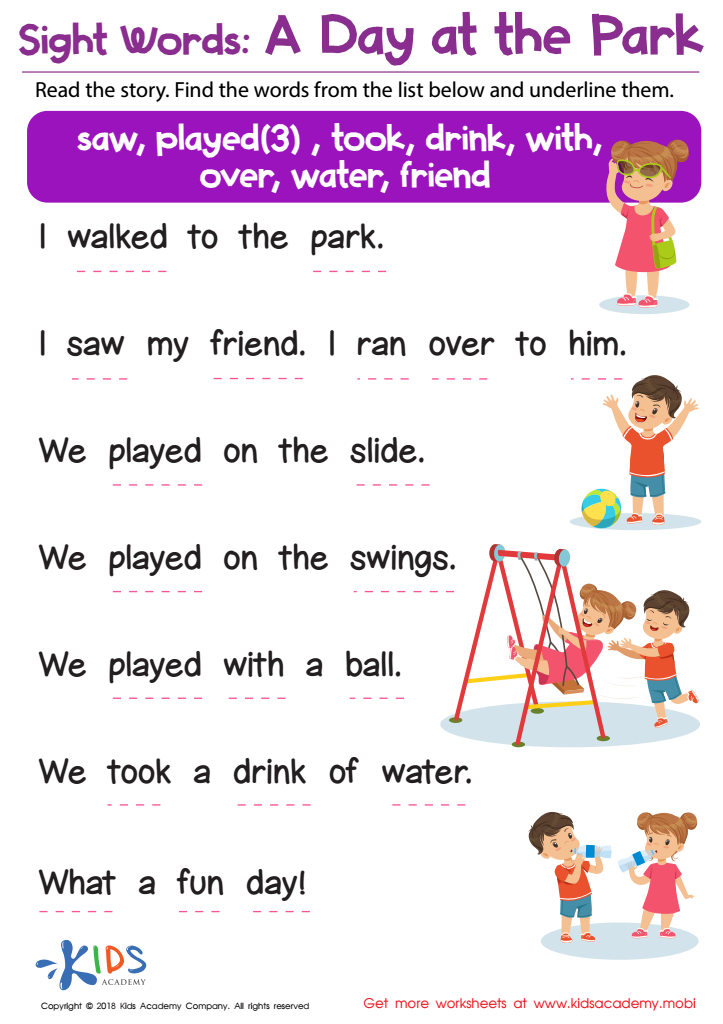
Sight Words: A Day at the Park Worksheet
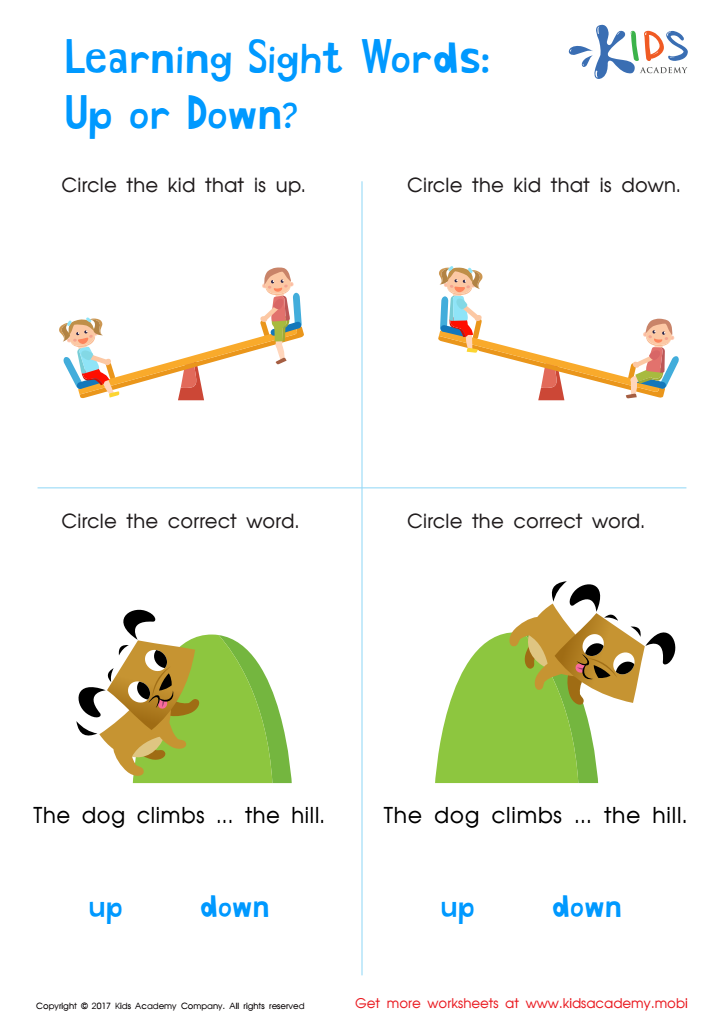
Up or Down Printable Sight Words Worksheet
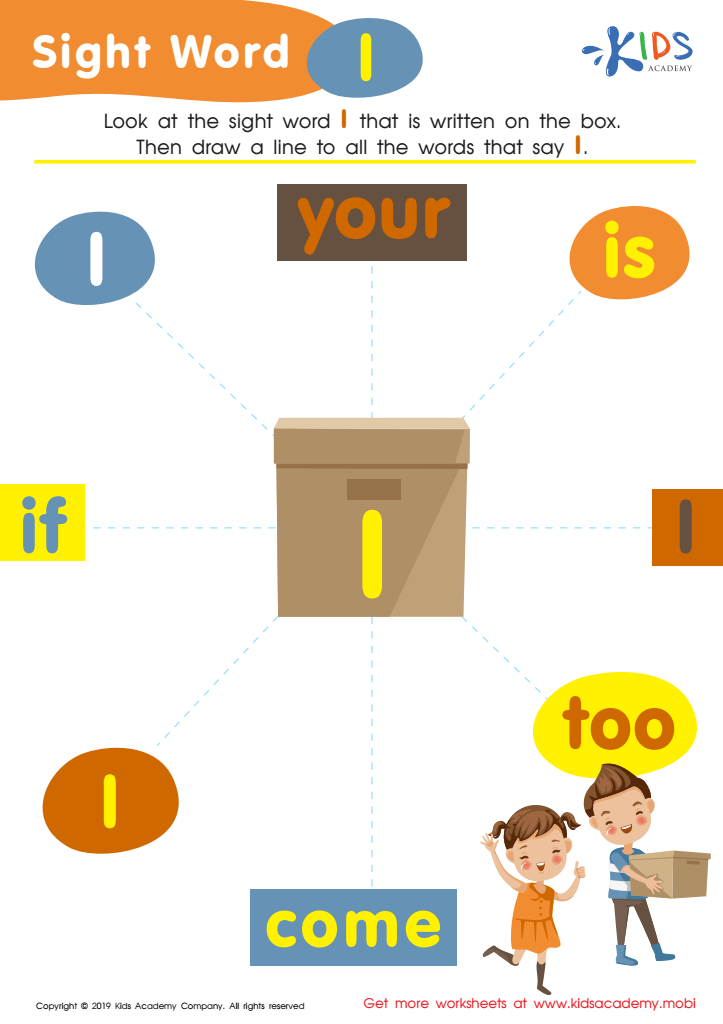
Sight Word I Worksheet








Sight word recognition is crucial for young learners aged 4-6 as it forms the foundation of reading proficiency. When children can quickly identify common words by sight, it enhances their reading fluency, allowing them to focus more on comprehension rather than decoding every word. Sight words often make up a significant portion of written texts, making their mastery essential for early reading success.
By prioritizing sight word recognition, parents and teachers can significantly enhance vocabulary development. A rich vocabulary not only boosts reading comprehension but also empowers children to express themselves more effectively. The more words children recognize and understand, the more they can engage with texts, contributing to overall literacy skills.
Furthermore, fostering an early love for reading and language lays the groundwork for lifelong learning. Engaging sight word activities, such as games and interactive storytelling, make learning fun and memorable for children. By caring about sight word recognition, adults play a pivotal role in crafting confident, capable readers who are equipped for future academic challenges. In summary, promoting sight word recognition supports essential reading skills, vocabulary growth, and a positive attitude toward literacy, all of which are critical for a child's academic journey.








