Simplifying Fractions Building Vocabulary Worksheets for Ages 4-6
4 filtered results
-
From - To
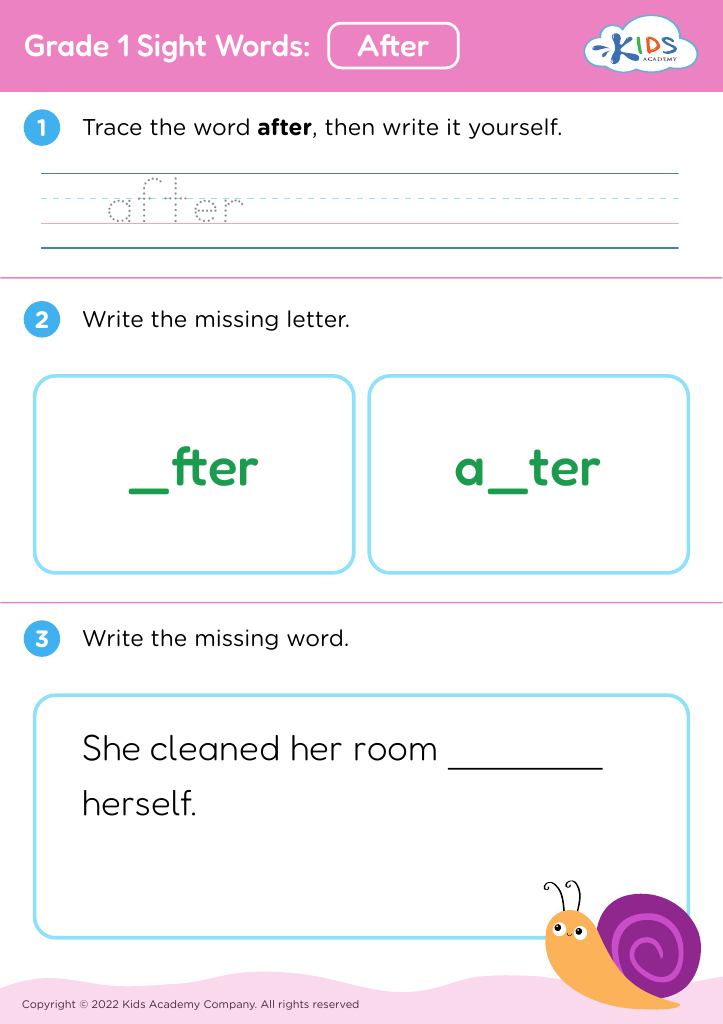
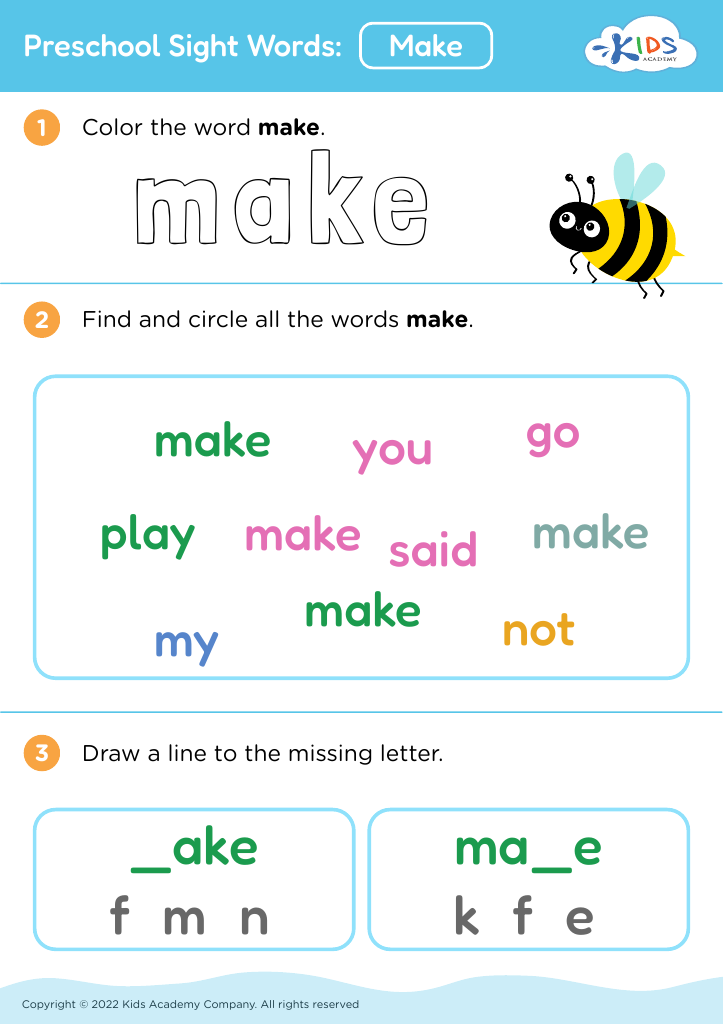
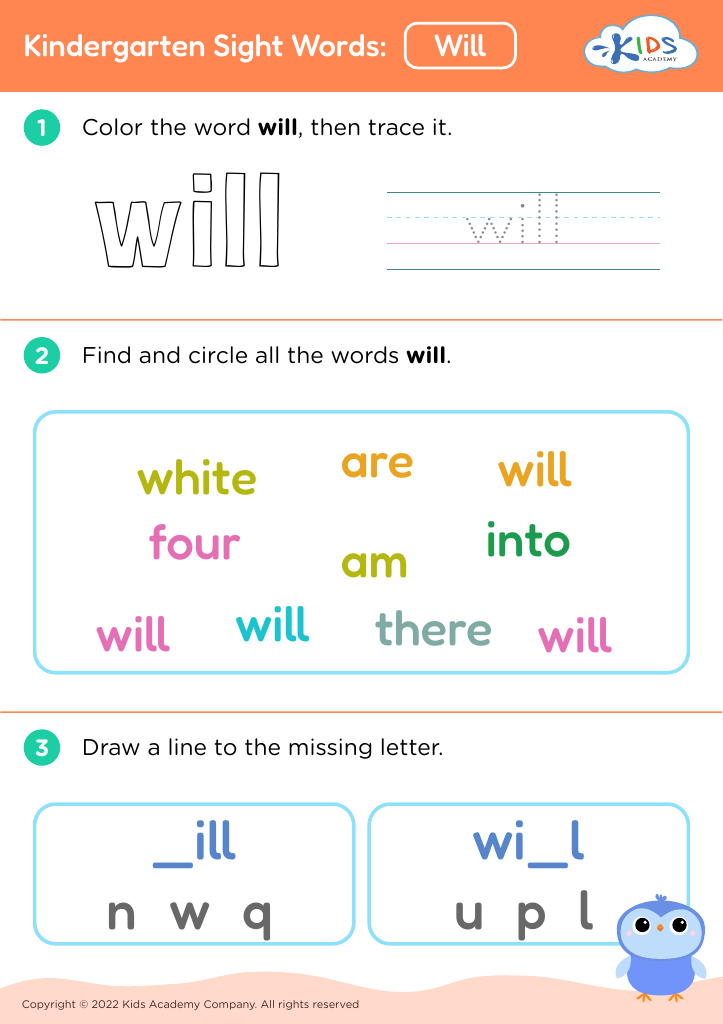
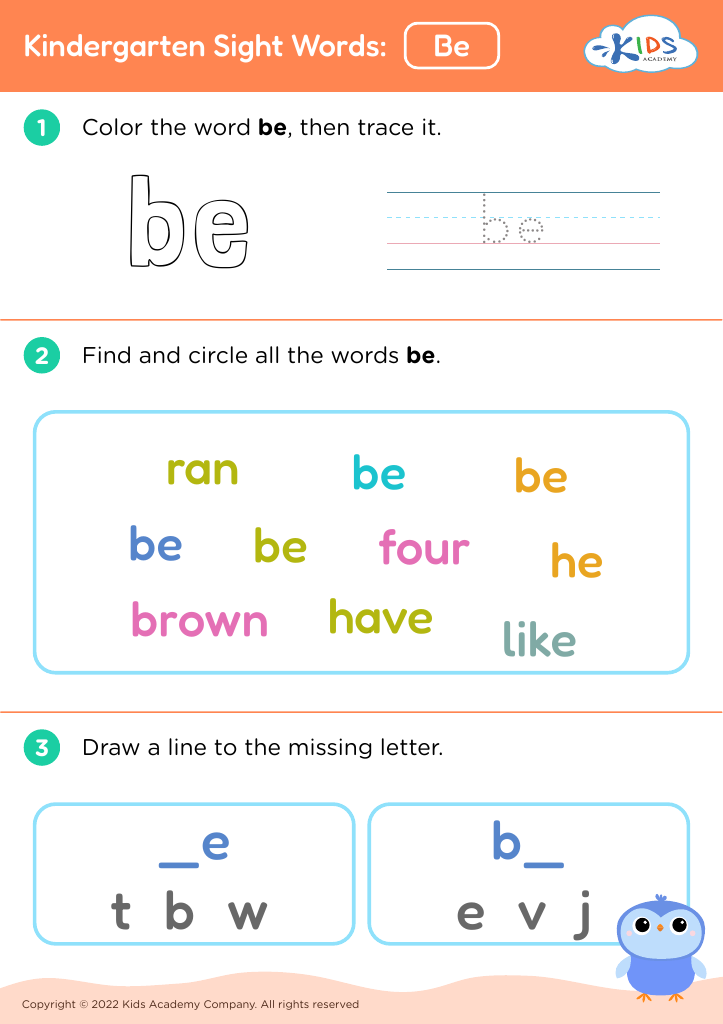
Unlock the world of simplifying fractions with our engaging Building Vocabulary Worksheets, designed specifically for kids aged 4-6! These fun, interactive resources aim to enhance young learners' understanding of basic fractions while expanding their vocabulary related to math concepts. Each worksheet provides colorful visuals and playful activities to make learning enjoyable and effective. Perfect for classroom or home use, our worksheets encourage critical thinking and problem-solving skills. Help your child build a strong foundation in math literacy through these thoughtfully created exercises, ensuring they have the tools they need for future learning adventures. Start simplifying fractions today!















.jpg)



Simplifying fractions and building vocabulary are foundational skills for children aged 4-6, and parents or teachers should care about these areas for several compelling reasons. Firstly, understanding fractions is a critical aspect of mathematical literacy. Simplifying fractions helps children grasp the concept of parts of a whole, which is pivotal as they progress in math. This early exposure enables children to approach more complex mathematical operations with confidence.
Secondly, vocabulary development in this age group is essential for cognitive growth and communication skills. Engaging learners with terms related to fractions, such as “numerator,” “denominator,” and “half,” enriches their language and encourages critical thinking. This vocabulary growth fosters better understanding in other subjects and supports their overall academic success.
Additionally, this instruction can build enthusiasm and curiosity about math, turning it into a playful exploration rather than a daunting challenge. Through fun activities and discussions, children become more motivated learners, which positively impacts their attitudes towards education.
Lastly, when parents and teachers collaboratively focus on these skills, they reinforce key concepts at home and school, promoting continuity in the learning process. Ultimately, nurturing these skills early lays a strong foundation for future success in both math and language development.








