Enhance vocabulary skills Reading Worksheets for Ages 4-6
3 filtered results
-
From - To
Unlock your child's language potential with our "Enhance Vocabulary Skills" reading worksheets, perfect for ages 4-6. Designed to make learning enjoyable, these engaging activities help young learners expand their vocabulary through fun exercises, matching words with images, and simple sentence constructions. Our worksheets cater to different learning styles, making them ideal for classrooms or home education. Each exercise promotes critical thinking and comprehension, ensuring your child builds a strong foundation in literacy. Watch as your little one explores new words and gains confidence in their reading abilities. Boost their vocabulary today with our thoughtfully crafted resources!
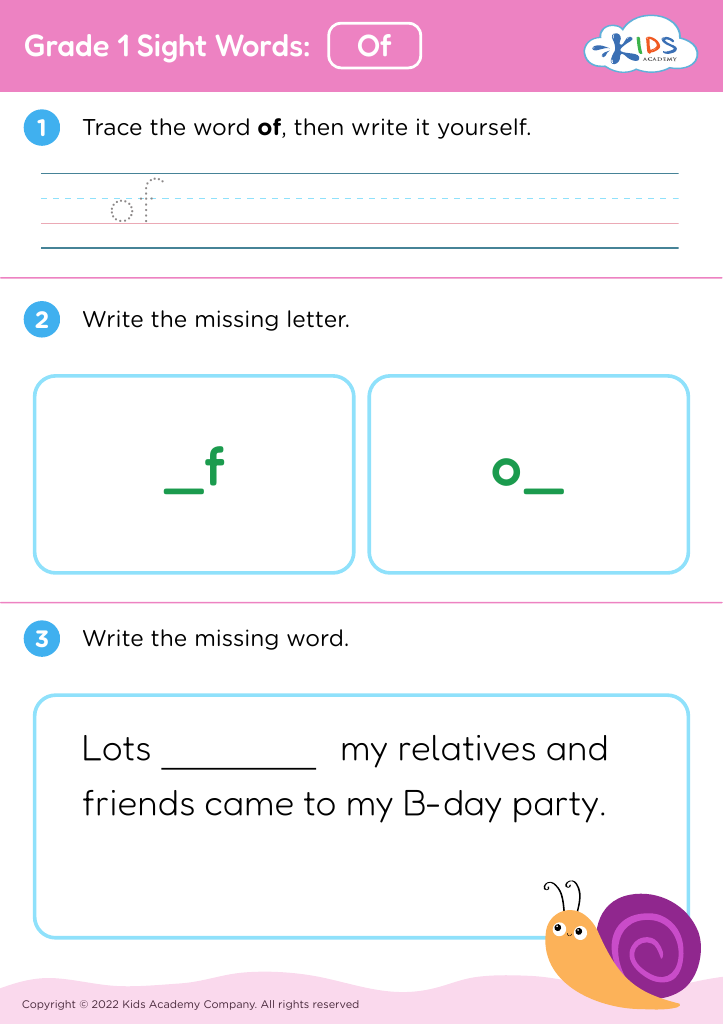
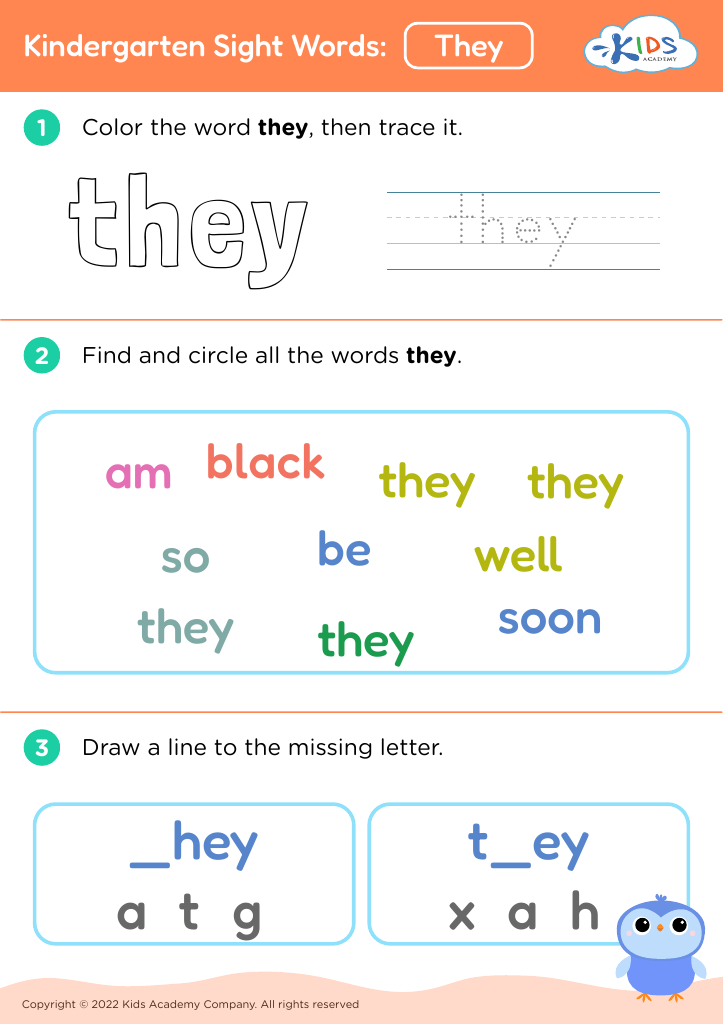
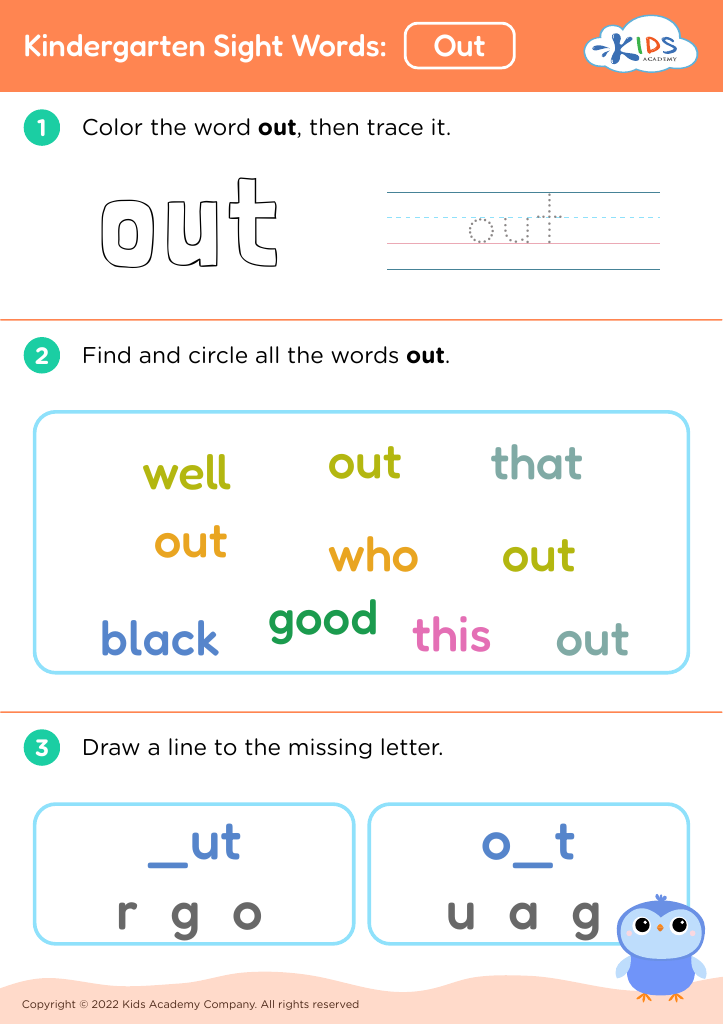








Enhancing vocabulary skills in children aged 4-6 is crucial for their cognitive development and academic success. At this early stage, children are like sponges, eagerly absorbing language from their surroundings. A rich vocabulary is foundational for effective communication, comprehension, and critical thinking. Parents and teachers play a vital role in fostering this growth by introducing new words through conversations, reading, and interactive activities.
Developing vocabulary at a young age supports speech and language development, enabling children to express themselves clearly and confidently. This early exposure to diverse words enhances listening skills, as children learn to recognize and understand varying contexts. Additionally, a strong vocabulary contributes significantly to reading comprehension; the more words children know, the better they can understand the stories they read.
Moreover, a robust vocabulary fosters a love for reading and learning. Children who encounter new words in engaging contexts often become more enthusiastic about books, encouraging lifelong literacy habits. In today’s increasingly complex world, vocabulary skills not only bolster educational achievement but also prepare children to navigate daily interactions and diverse environments confidently. Therefore, nurturing vocabulary skills in young learners is essential for their future success and emotional well-being.








