Practice subtraction Reading Worksheets for Ages 4-6
3 filtered results
-
From - To
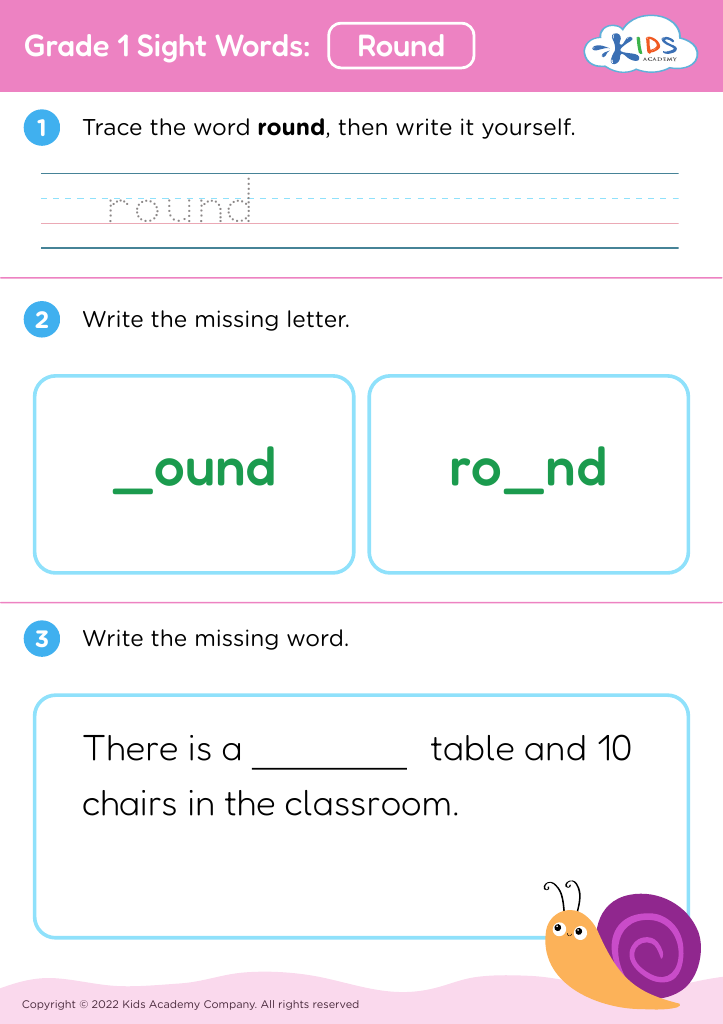
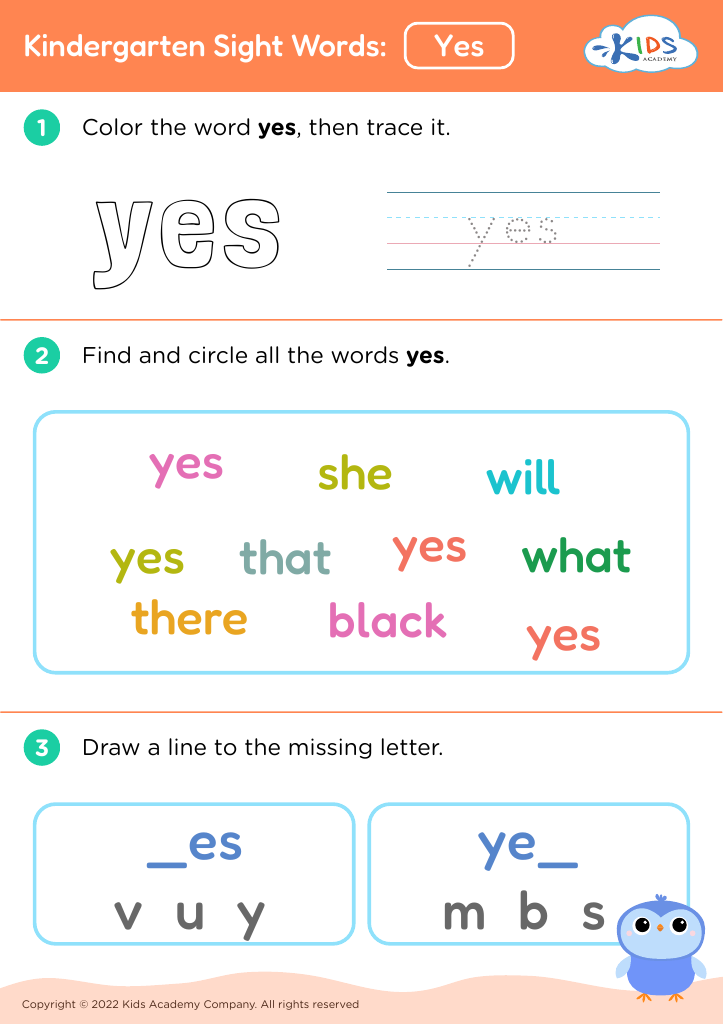
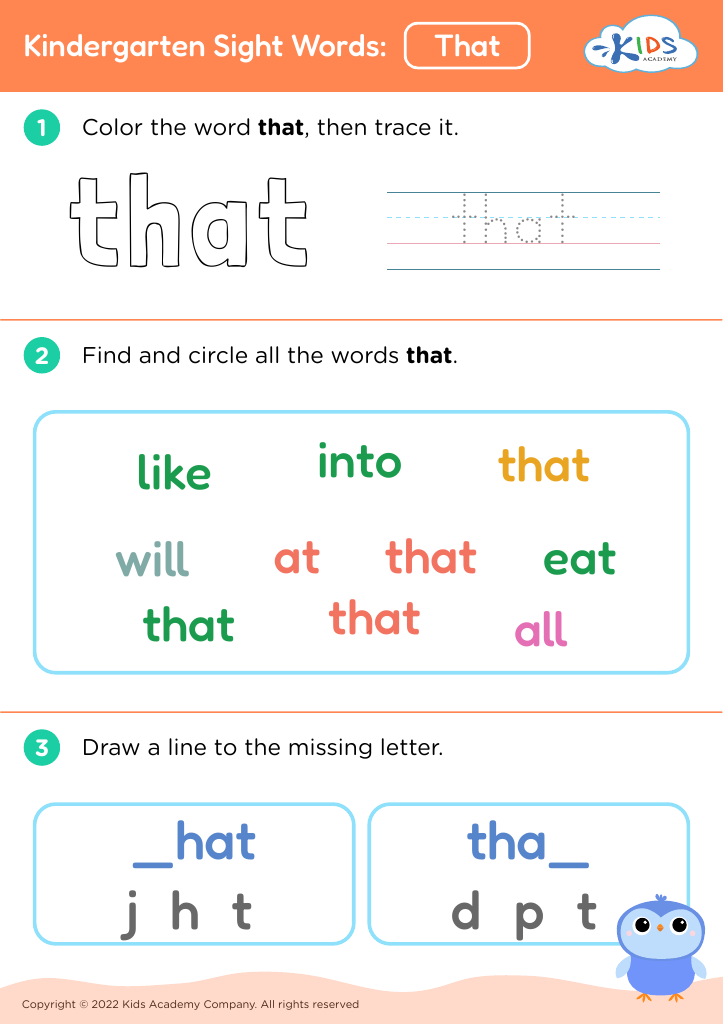
Discover engaging subtraction reading worksheets designed specifically for children ages 4-6! Our collection provides colorful and fun activities to help young learners develop essential subtraction skills while enhancing their reading abilities. Each worksheet encourages kids to explore fundamental concepts through imaginative scenarios and relatable examples. With clear instructions and captivating visuals, children will enjoy practicing subtraction in an interactive way. These resources are perfect for both classroom use and home learning, making math fun and accessible. Start building your child's confidence in subtraction and reading today! Dive into our engaging worksheets to foster a love for learning in your little ones.



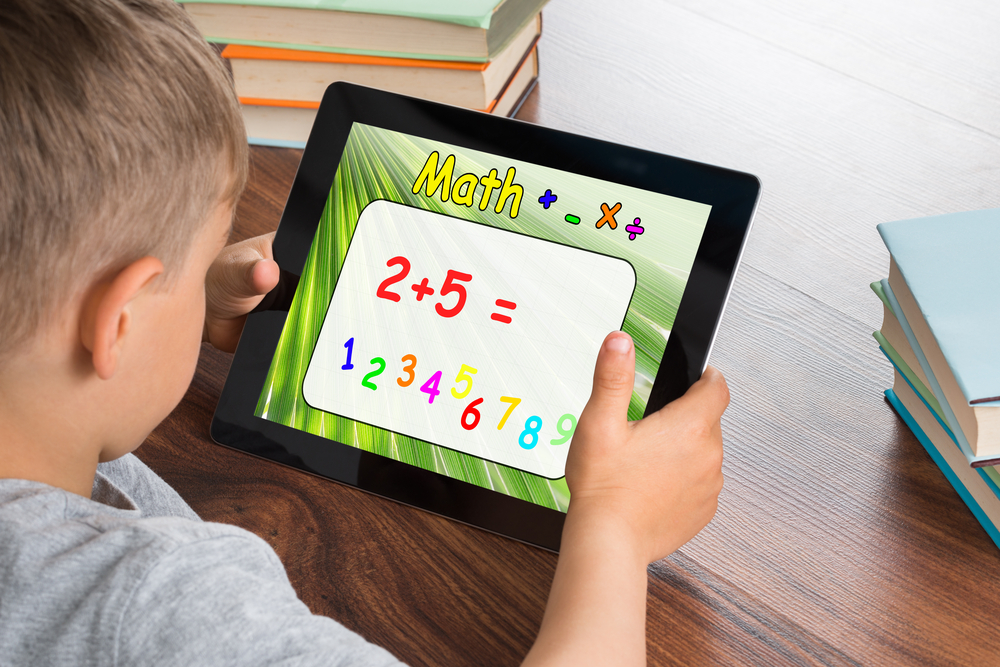




Practicing subtraction reading for ages 4-6 is crucial for several reasons. At this developmental stage, children are building foundational skills in both literacy and numeracy. Engaging with subtraction concepts through reading materials not only enhances their understanding of mathematical concepts but also strengthens vocabulary and comprehension skills. When children encounter stories that incorporate subtraction, they can visualize and understand the application of taking away in real-life contexts, making the learning process more relatable and enjoyable.
Additionally, early exposure to subtraction within reading helps develop critical thinking and problem-solving skills. It encourages young learners to explore and discuss mathematical ideas, fostering curiosity and a love for learning. Parents and teachers play a vital role in guiding this exploration, as they can provide support, encouragement, and appropriate resources tailored to young learners' needs.
Moreover, integrating reading with subtraction practice can promote family engagement in a child's education. By participating in fun, story-based subtraction activities, parents can create a positive learning environment at home. This joint effort helps solidify math skills while nurturing a lifelong interest in both reading and mathematics. Overall, prioritizing subtraction reading at this age lays a strong foundation for future academic success.








