Recognizing numbers Reading Worksheets for Ages 4-6
3 filtered results
-
From - To
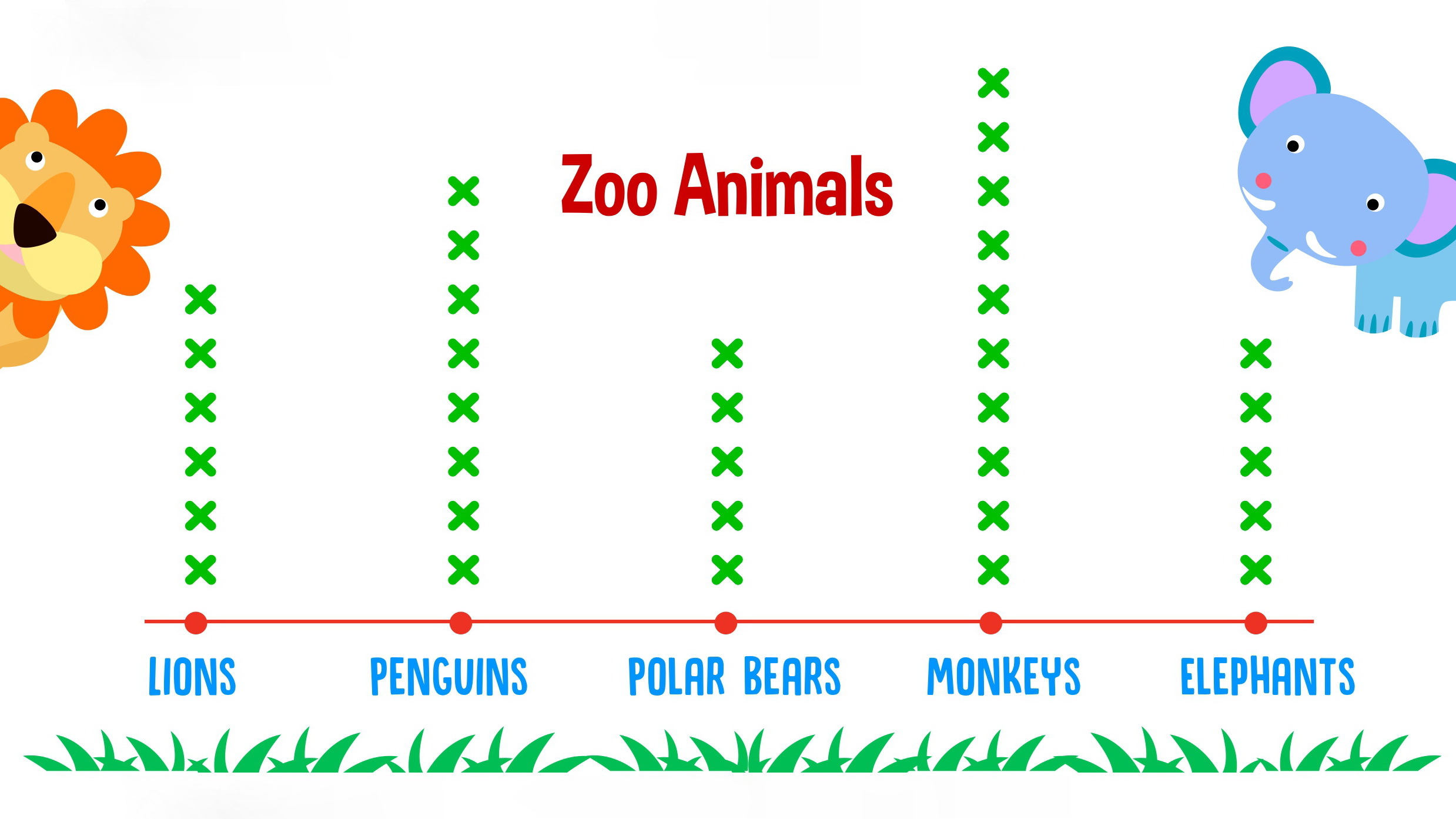
Discover our engaging Recognizing Numbers Reading Worksheets designed for children ages 4-6. These worksheets provide a fun and interactive way for young learners to identify and understand numbers, fostering early math literacy. Each colorful page is filled with exciting activities, from tracing and counting to matching and pattern recognition. Perfect for both classroom and home use, these exercises help develop essential numerical skills in a playful, supportive environment. Download our Recognizing Numbers Reading Worksheets today to give your child a head start in their mathematical journey while nurturing a love for learning.







Recognizing numbers is a critical foundational skill for children aged 4-6 because it sets the stage for future mathematical learning and everyday problem-solving. At this age, children are highly receptive to new information, and engaging them in number recognition can enhance their cognitive development. Understanding and recognizing numbers help children to count, compare quantities, and understand the concepts of more and less.
This skill also supports their ability to follow sequences, which is vital not only in math but in daily activities and routines. Moreover, number recognition has been linked to improved memory and attention span, as children learn to focus on specific shapes and patterns associated with different numbers. Early exposure to numbers and basic arithmetic fosters a growth mindset towards learning complex math skills in later years.
For parents and teachers, fostering a love for numbers helps children build confidence in their abilities. Utilizing playful and interactive methods, such as counting games, puzzles, and hands-on activities, makes learning numbers enjoyable and effective. Encouraging this early interest provides children with valuable tools for academic achievement and everyday functioning, laying a strong groundwork for their future education.








