Check out this FREE Trial Lesson on Reading for age 4-6!

H

Favorites
With answer key
Interactive
  • 4-6
  • Understanding fractions
  • Reading
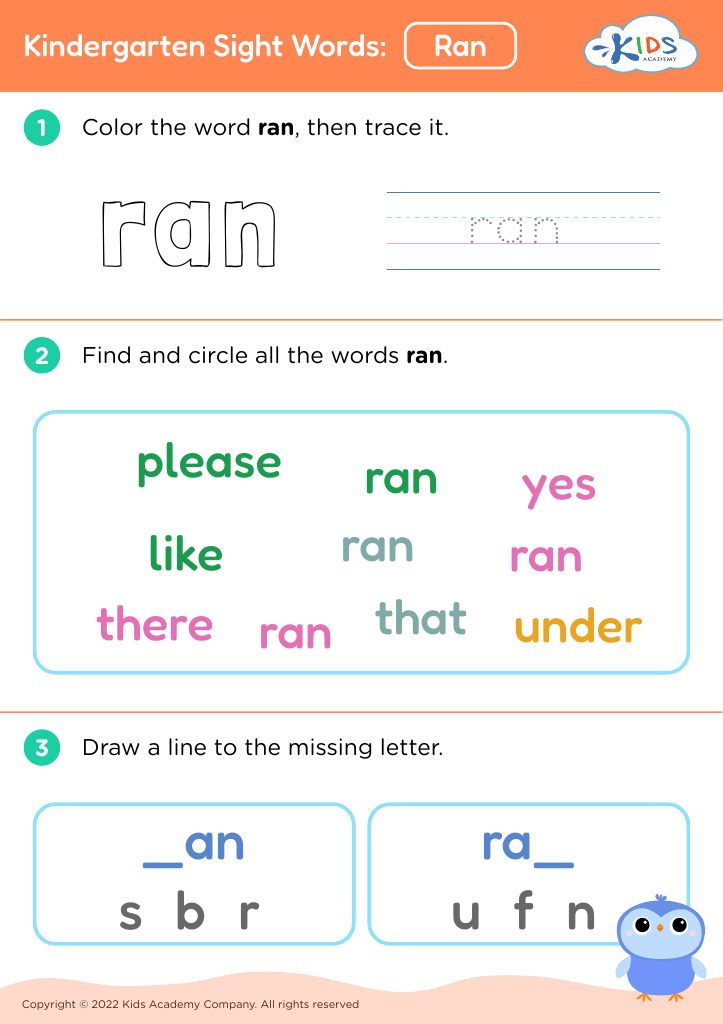
Kindergarten Sight Words: Ran

Kindergarten Sight Words: Ran

Kindergarten Sight Words: Ran
Worksheet
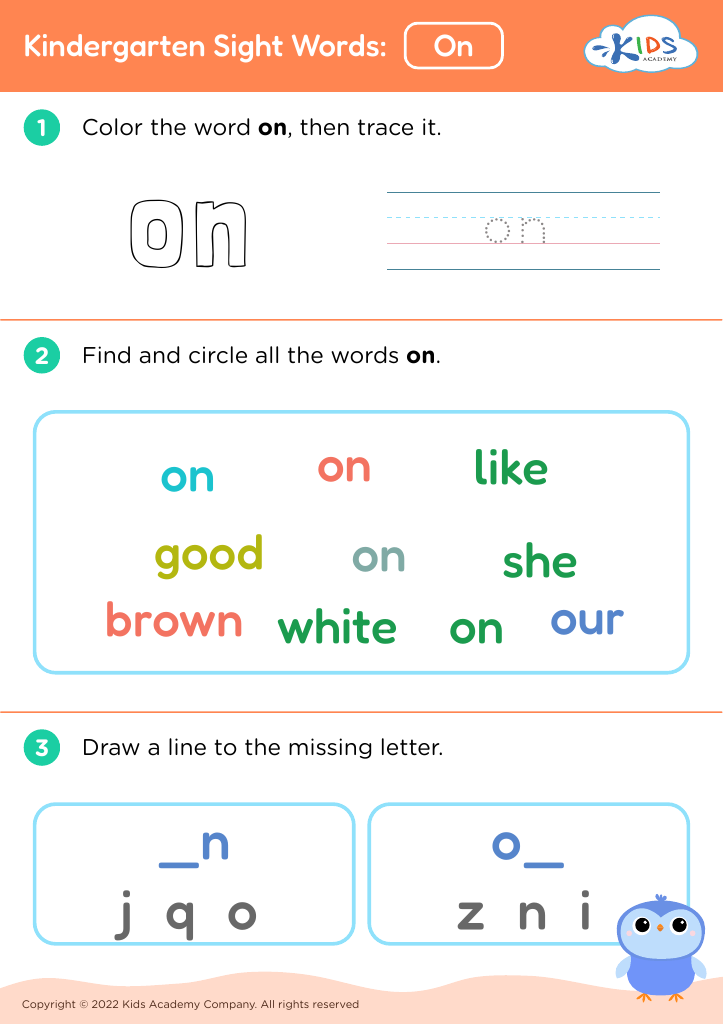
Kindergarten Sight Words: On

Kindergarten Sight Words: On

Kindergarten Sight Words: On
Worksheet
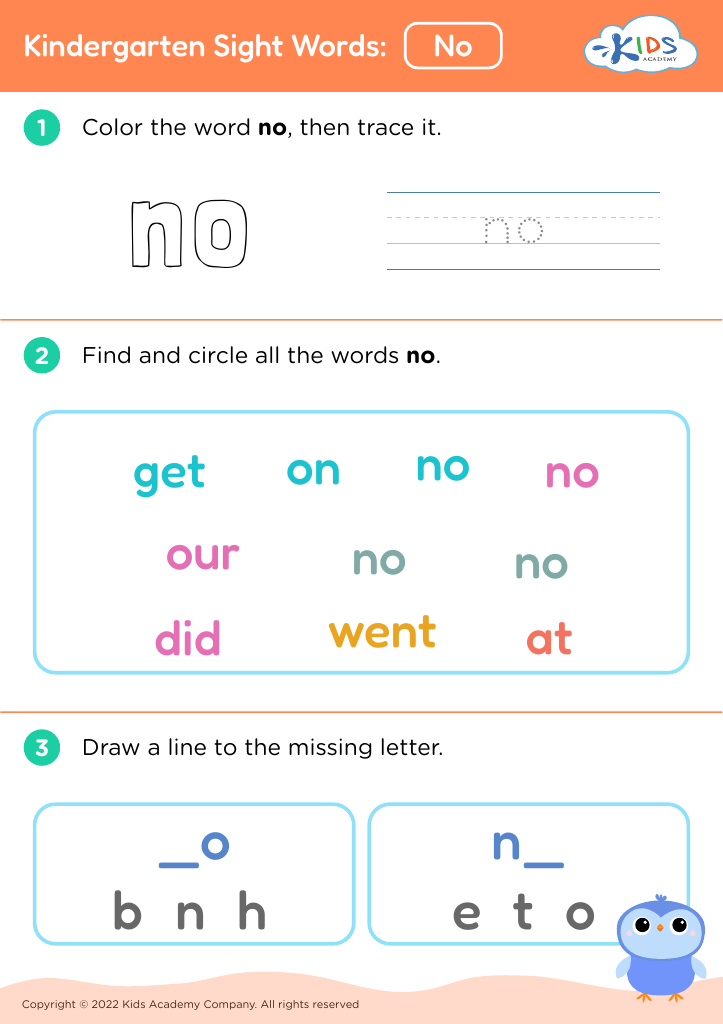
Kindergarten Sight Words: No

Kindergarten Sight Words: No

Kindergarten Sight Words: No
Worksheet
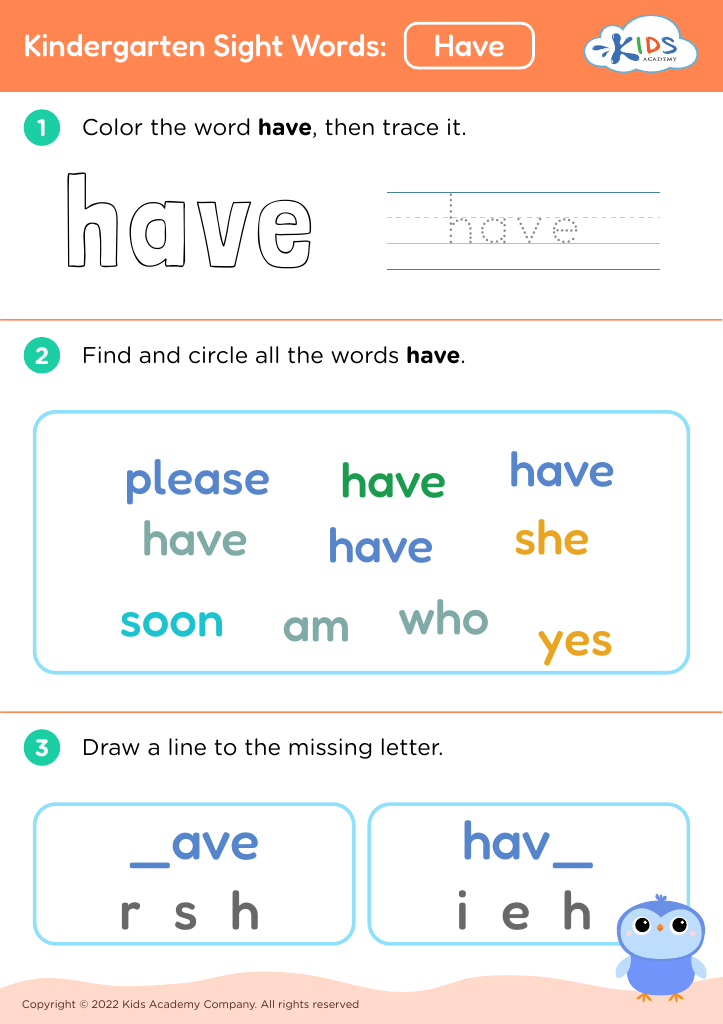
Kindergarten Sight Words: Have

Kindergarten Sight Words: Have

Kindergarten Sight Words: Have
Worksheet
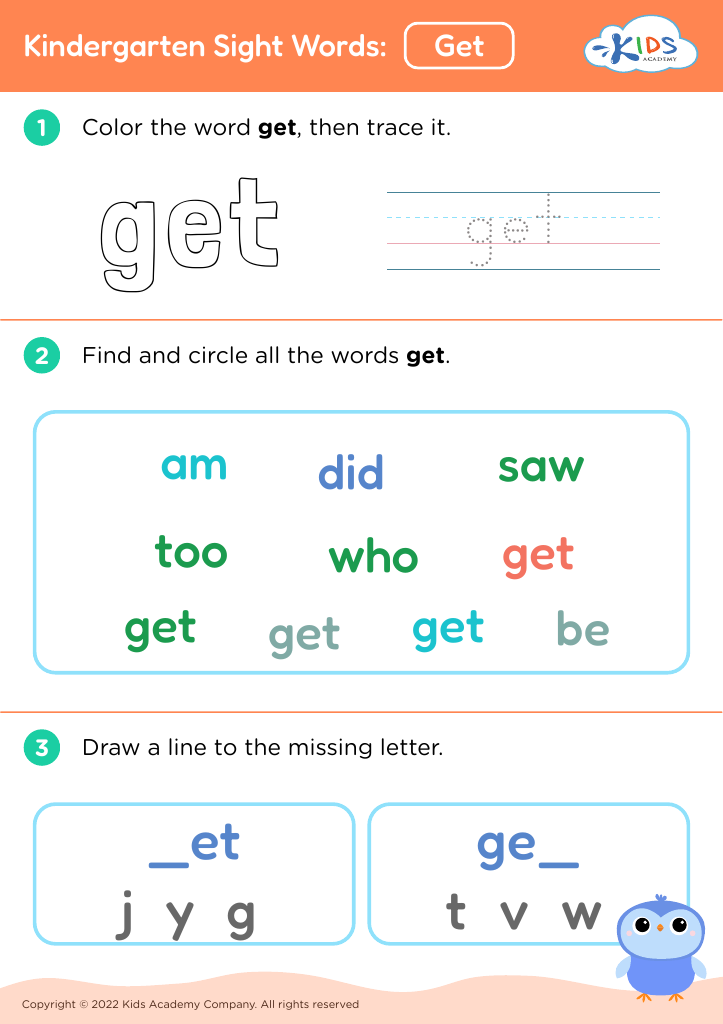
Kindergarten Sight Words: Get

Kindergarten Sight Words: Get

Kindergarten Sight Words: Get
Worksheet
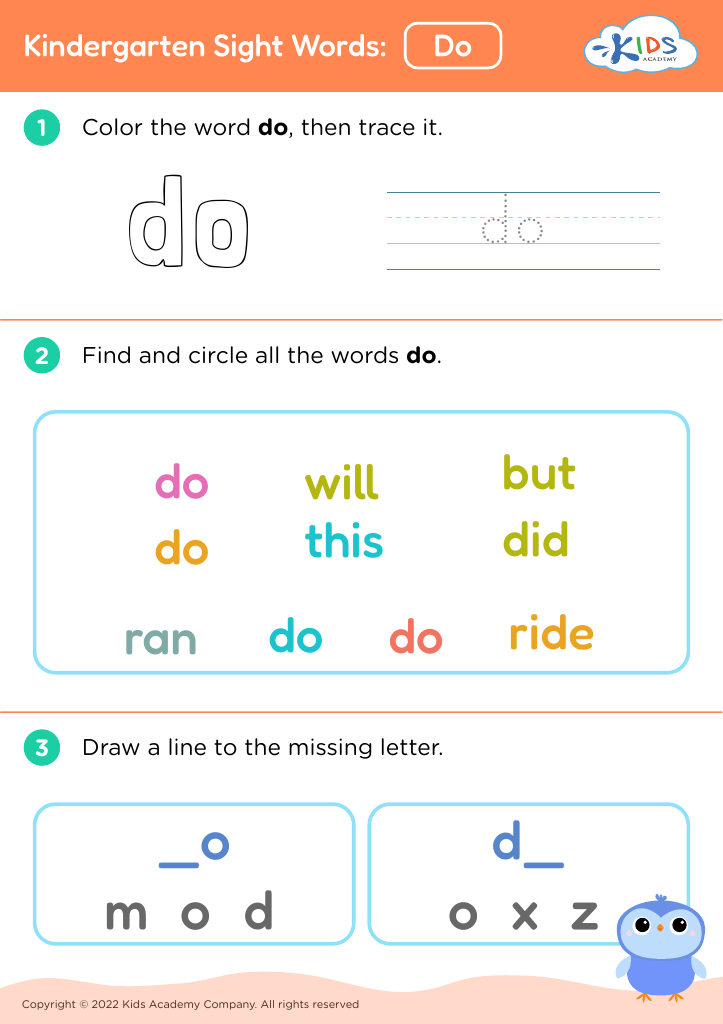
Kindergarten Sight Words: Do

Kindergarten Sight Words: Do

Kindergarten Sight Words: Do
Worksheet
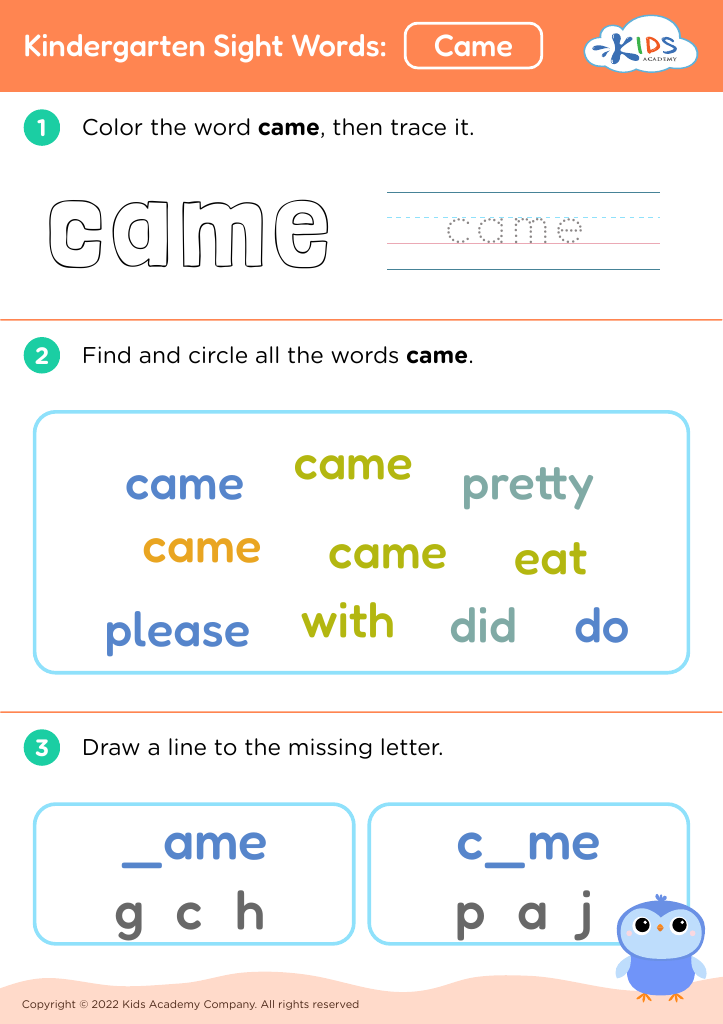
Kindergarten Sight Words: Came

Kindergarten Sight Words: Came

Kindergarten Sight Words: Came
Worksheet
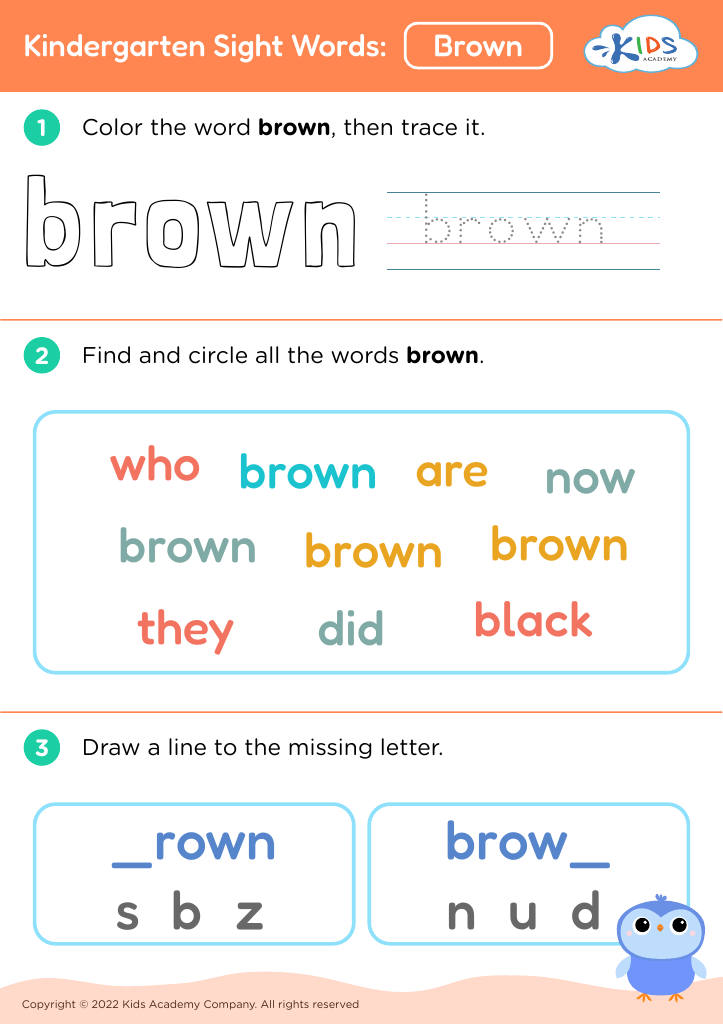
Kindergarten Sight Words: Brown

Kindergarten Sight Words: Brown

Kindergarten Sight Words: Brown
Worksheet
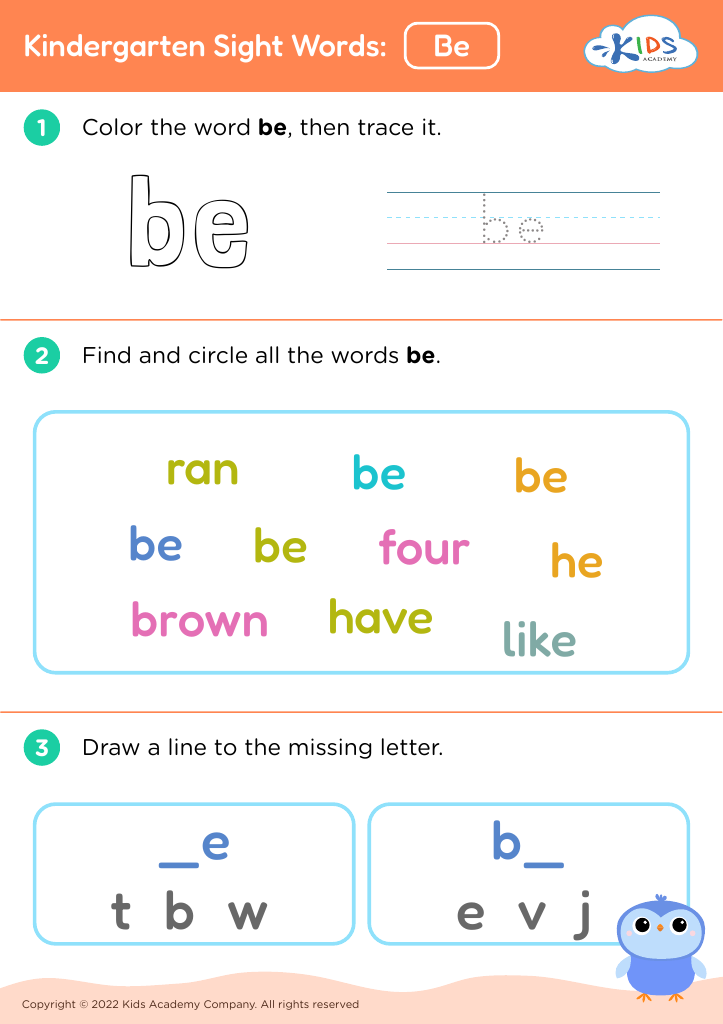
Kindergarten Sight Words: Be

Kindergarten Sight Words: Be

Kindergarten Sight Words: Be
Worksheet
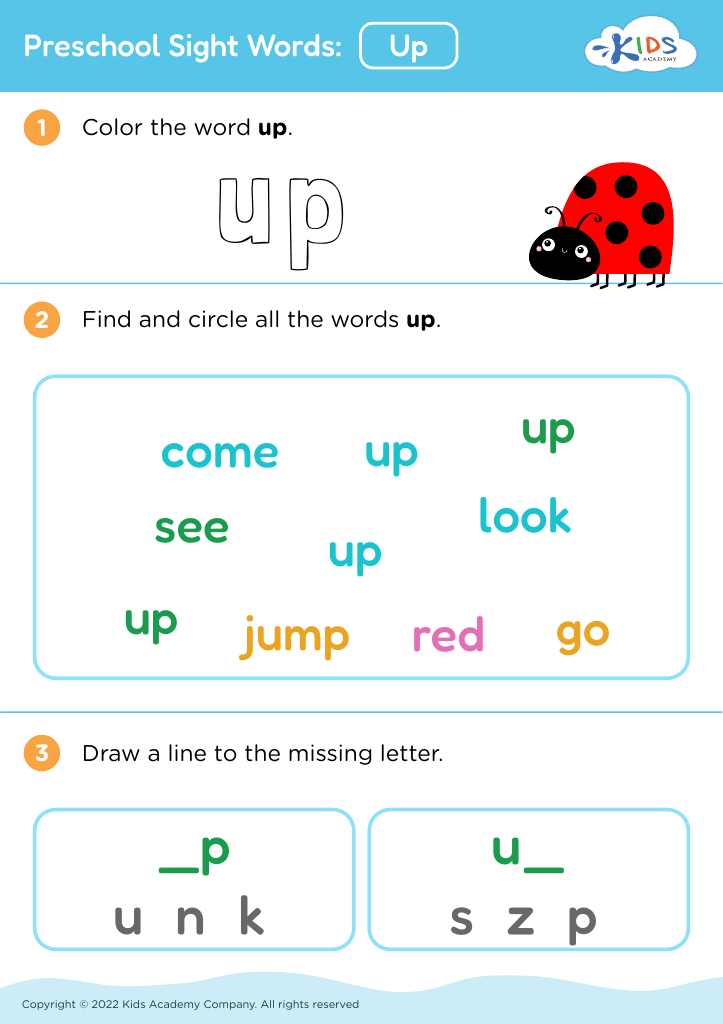
Preschool Sight Words: Up

Preschool Sight Words: Up

Preschool Sight Words: Up
Worksheet
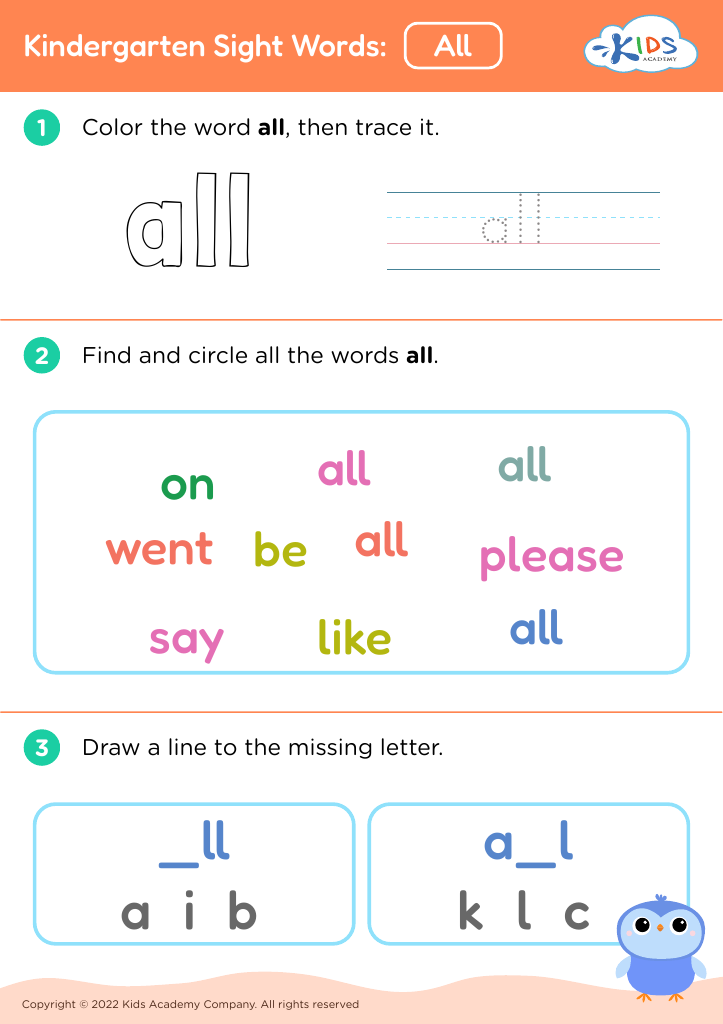
Kindergarten Sight Words: All

Kindergarten Sight Words: All

Kindergarten Sight Words: All
Worksheet


Understanding fractions is essential for young children, laying the foundation for more complex mathematical concepts in later years. For children ages 4-6, this foundational knowledge can be cultivated through engaging reading and activities that incorporate fractions in intuitive ways. Parents and teachers should prioritize this understanding because it aligns with early numeracy skills and promotes critical thinking.

At this age, children are naturally curious and learn by exploring the world around them. Introducing fractions through stories and playful examples—such as sharing snacks or dividing toys—makes the concept relatable and fun. As they see fractions in everyday contexts, children begin to grasp the idea of parts of a whole, fostering a deeper overall understanding of numbers and their relationships.

Moreover, developing an early understanding of fractions supports cognitive skills such as problem-solving, reasoning, and spatial awareness. Since a strong foundation in mathematics is crucial for academic success, engaging in fraction-related reading empowers children to tackle more advanced math topics with confidence, paving the way for lifelong learning. Ultimately, fostering this understanding enhances children's enthusiasm for mathematics and promotes a positive attitude towards learning overall.