Understanding symmetry Reading Worksheets for Ages 4-6
3 filtered results
-
From - To
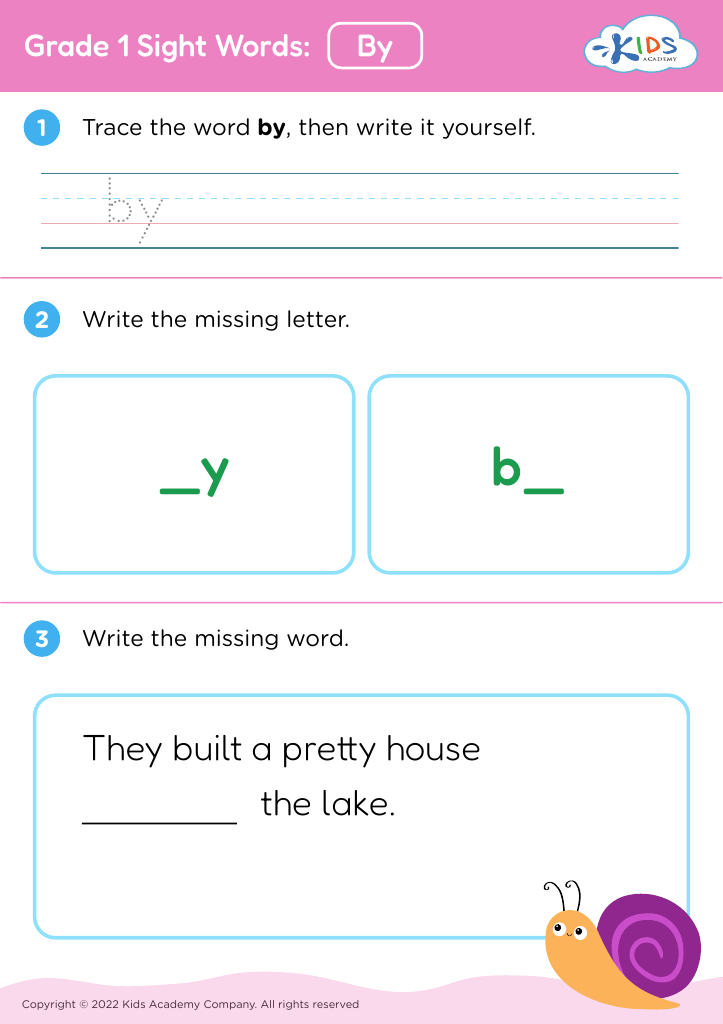
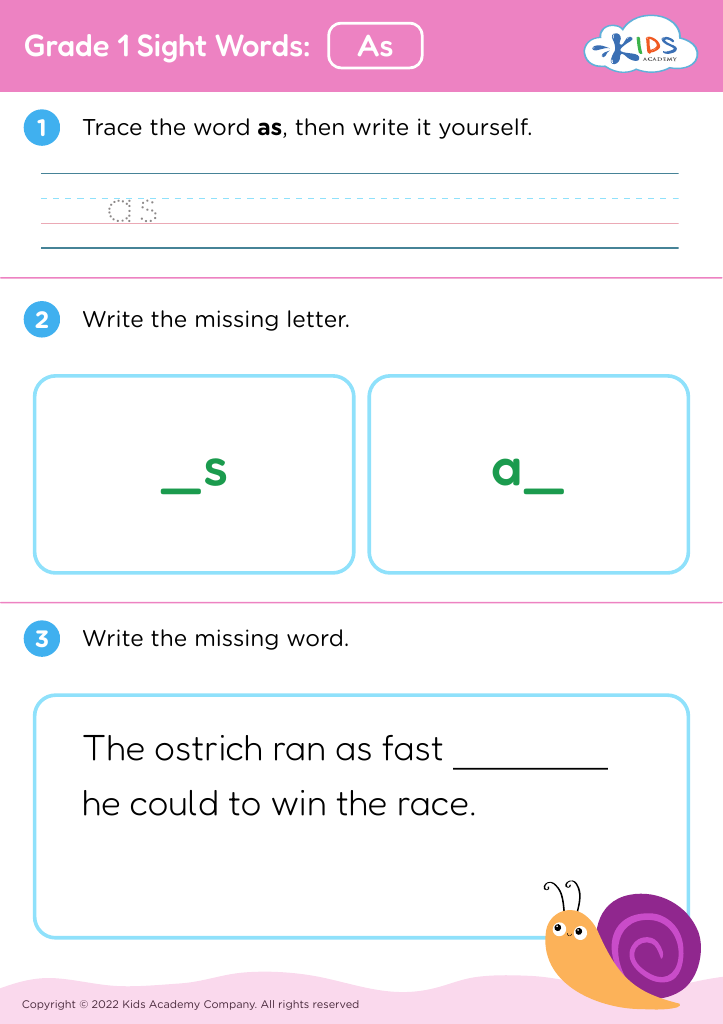
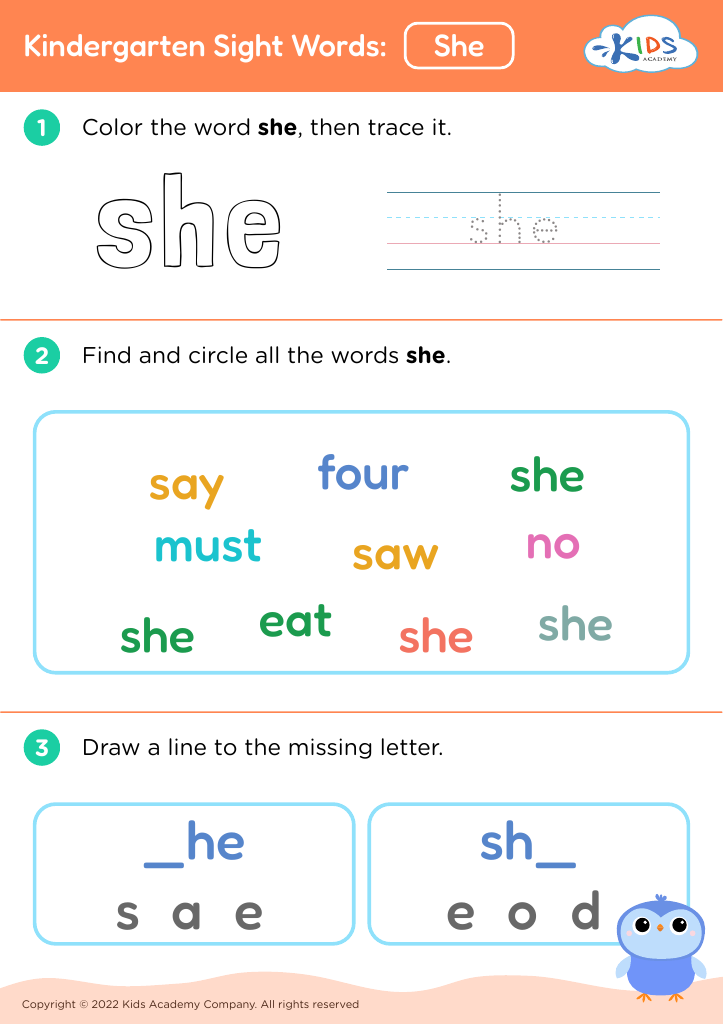
Introduce your little learners to the world of symmetry with our engaging Understanding Symmetry Reading Worksheets for Ages 4-6. These expertly crafted worksheets help young children identify and understand symmetrical shapes and patterns through fun, interactive activities. Perfect for preschool and kindergarten students, our resources blend visual aids with simple reading exercises, fostering both reading and critical thinking skills. Each worksheet is designed to captivate young minds while teaching them essential concepts of symmetry in everyday life. Dive into our collection and watch your child grow in confidence and understanding, all while having fun with symmetry!






Introducing symmetry to children aged 4-6 holds significant value for their cognitive and academic development. At its core, symmetry is a foundational mathematical concept that fosters critical thinking and spatial awareness. When young learners begin to understand symmetry, they start observing patterns, shapes, and structures in their environment, which enhances their ability to recognize order and balance. This is not just a math skill; it translates to improved problem-solving and logical reasoning abilities applicable across various subjects.
For parents and teachers, integrating symmetry into early reading and activities can make learning both fun and engaging. Stories or exercises focusing on symmetrical patterns encourage kids to predict and analyze, boosting their pre-literacy skills like sequencing and association. Furthermore, symmetry aligns with early arts and crafts, allowing children to express creativity while grasping beat symmetry offers felt often complex concepts in an intuitive, hands-on manner.
By nurturing these skills early, parents and teachers lay a solid foundation for future educational endeavors. Children develop confidence in manipulating and understanding their surroundings, setting the stage for more advanced studies in math, science, engineering, and art. Thus, understanding symmetry is not only a mathematical journey but a holistic educational experience.








