Problem-Solving Skills Reading Comprehension Worksheets for Ages 4-6
6 filtered results
-
From - To
Enhance your child's problem-solving skills with our engaging reading comprehension worksheets designed specifically for ages 4-6. These worksheets provide a fun and interactive way for young learners to develop critical thinking and analytical abilities through colorful stories and relatable scenarios. Each activity encourages children to identify problems, think strategically, and reach solutions, fostering a love for reading while building essential life skills. Ideal for both home and classroom use, these resources make learning enjoyable and effective. Download our worksheets today and give your child the tools they need to become confident problem solvers and enthusiastic readers!
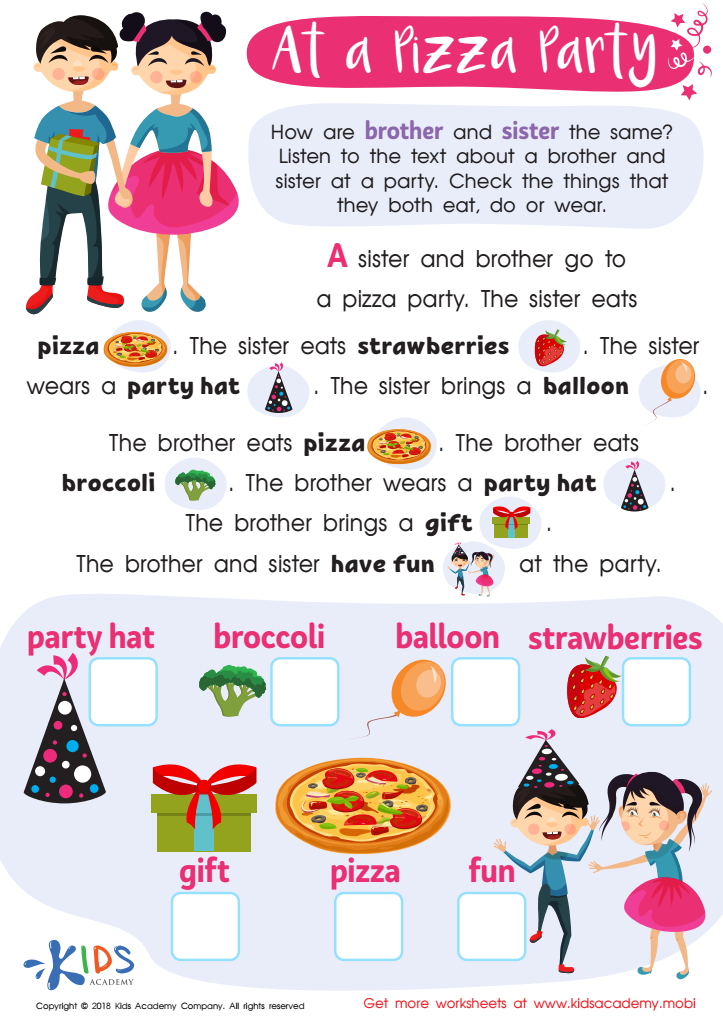
At a Pizza Party Worksheet
 Assign to My Students
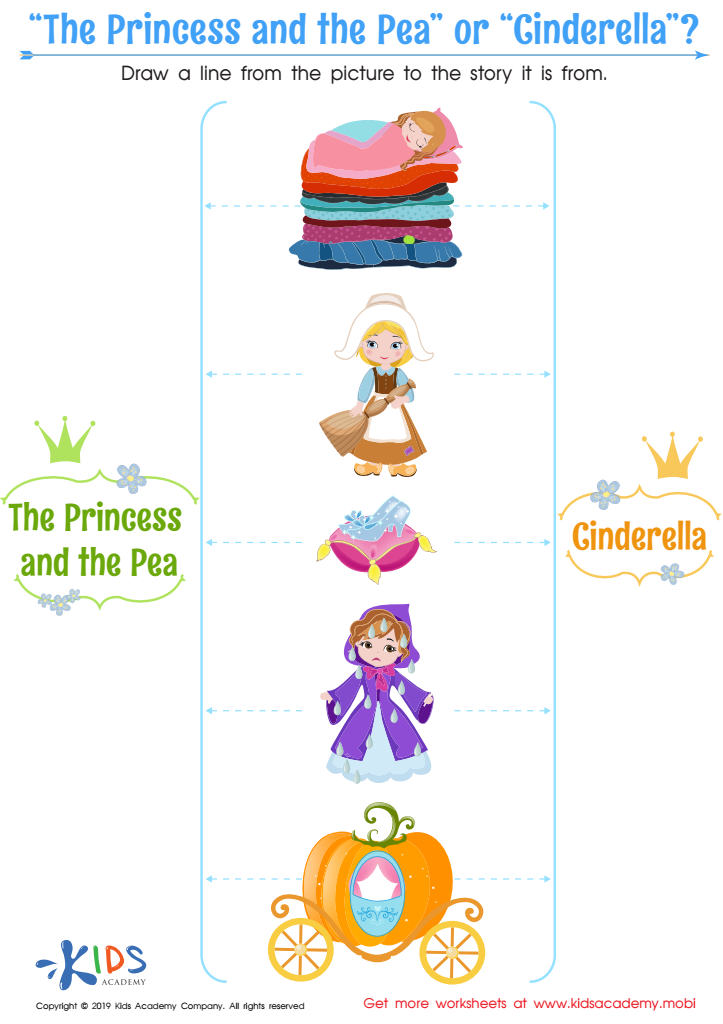
“The Princess and the Pea” or “Cinderella” Worksheet

Towns Worksheet
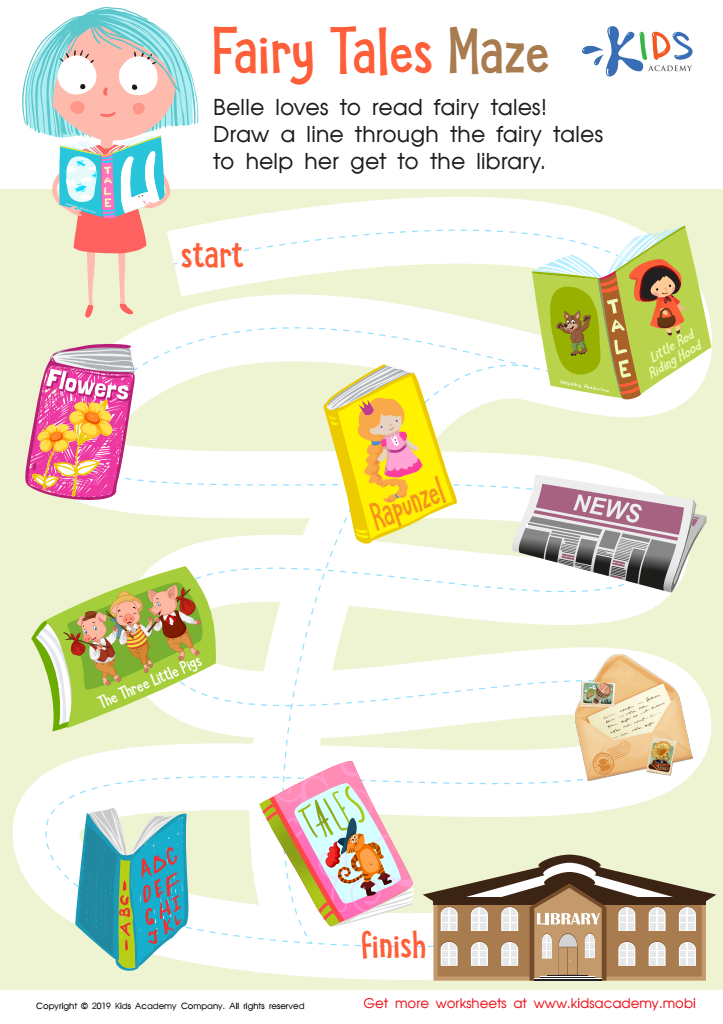
Fairy Tales Maze Worksheet
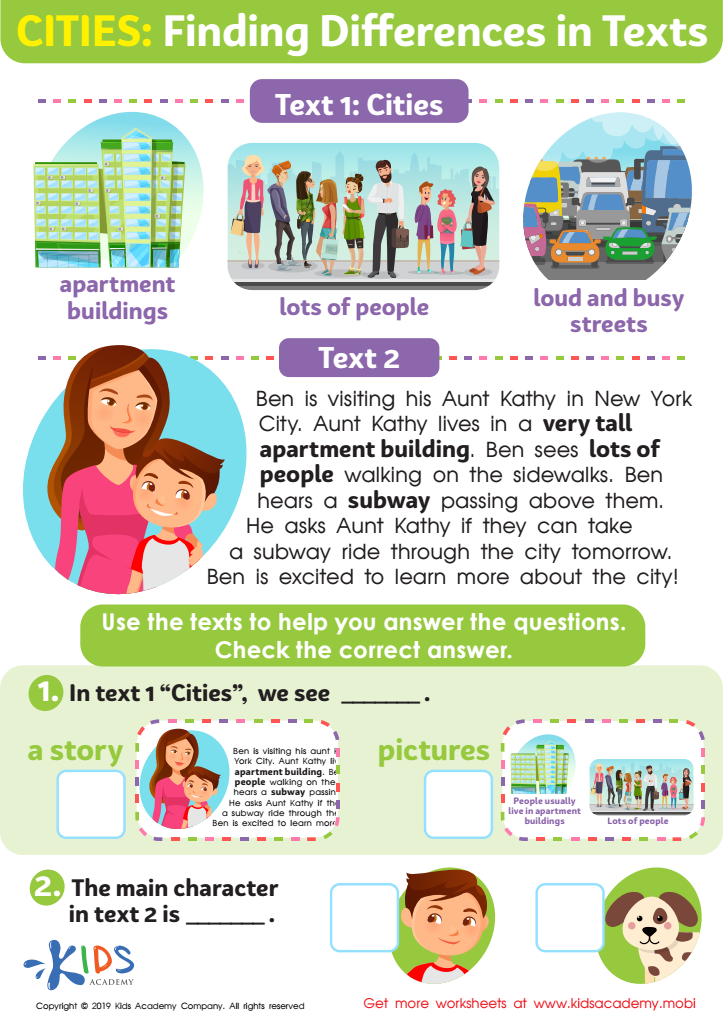
Cities: Finding Differences Worksheet
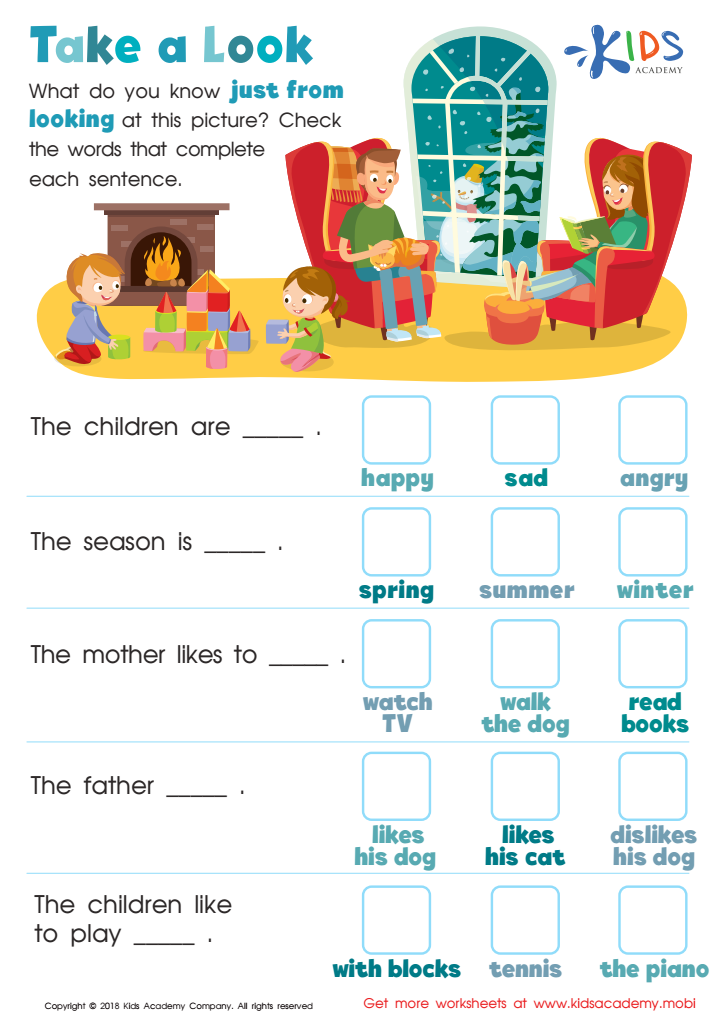
Take a Look - Part 1 Worksheet








Problem-solving skills and reading comprehension are vital for children aged 4-6, making it essential for parents and teachers to prioritize their development. At this stage, children are not only learning to read but also exploring how to understand and interpret texts, which involves critical thinking and analysis. Problem-solving skills enhance their ability to comprehend stories, as kids learn to identify main ideas, draw connections, and infer meaning from context. This cognitive process is fundamental for academic success.
Furthermore, fostering these skills promotes independence and self-confidence. When children tackle reading problems effectively, they become more enthusiastic about learning and develop a lifelong love for reading. It lays the groundwork for future learning and helps cultivate resilience, as they learn that challenges in understanding can be solved through various strategies.
Moreover, strong problem-solving and comprehension skills also support social development. Children who read well can better understand others' perspectives, empathize, and communicate effectively. In today's world, the ability to analyze information critically and creatively to solve problems is more crucial than ever. Thus, both parents and teachers play a pivotal role in nurturing these essential skills, equipping young learners for future challenges both inside and outside of the classroom.








