Vocabulary development Reading Comprehension Worksheets for Ages 4-6
7 filtered results
-
From - To
Unlock your child's potential with our Vocabulary Development Reading Comprehension Worksheets, designed specifically for ages 4-6. These engaging, age-appropriate worksheets cultivate essential vocabulary skills while enhancing reading comprehension. Each activity incorporates colorful illustrations and relatable themes to captivate young learners and make learning enjoyable. As children explore various vocabulary concepts, they improve their ability to understand and interpret texts, setting a solid foundation for future literacy success. Interactive exercises encourage critical thinking and creativity, making learning a fun adventure! Perfect for teachers and parents seeking effective educational resources, these worksheets are a valuable tool in fostering your child's love for reading.
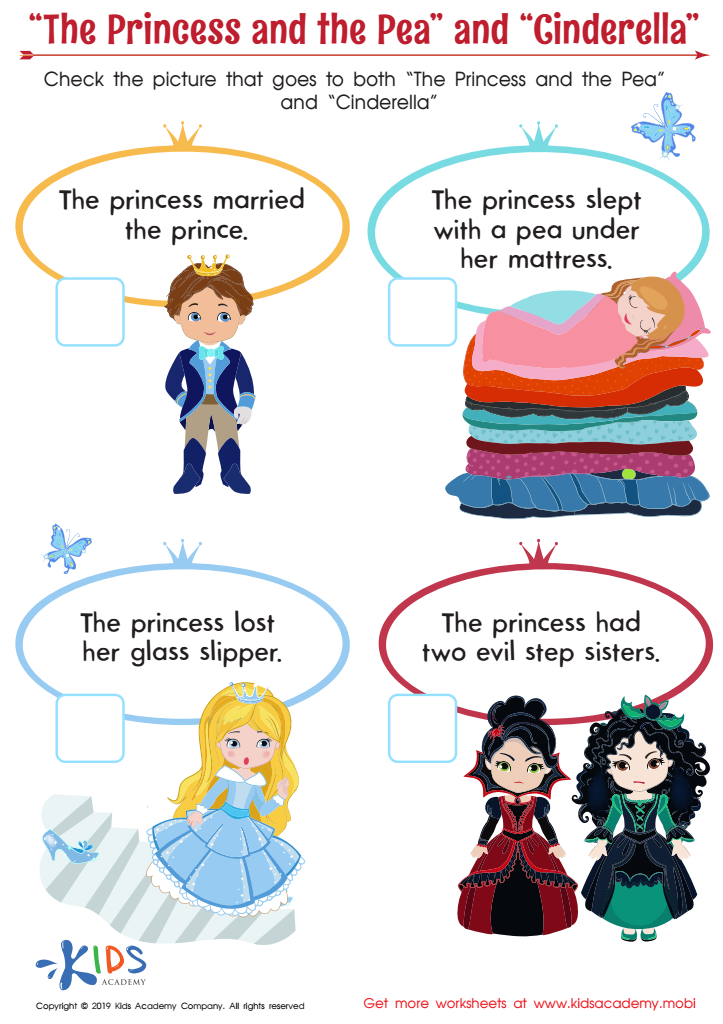
“The Princess and the Pea” and “Cinderella” Worksheet
 Assign to My Students
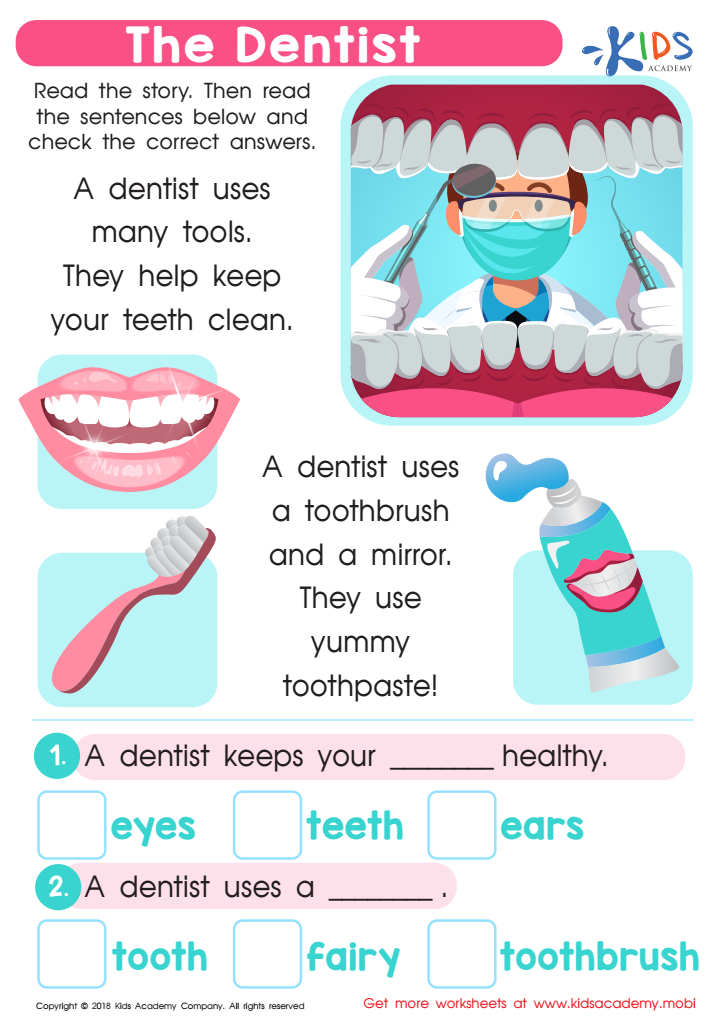
The Dentist Worksheet
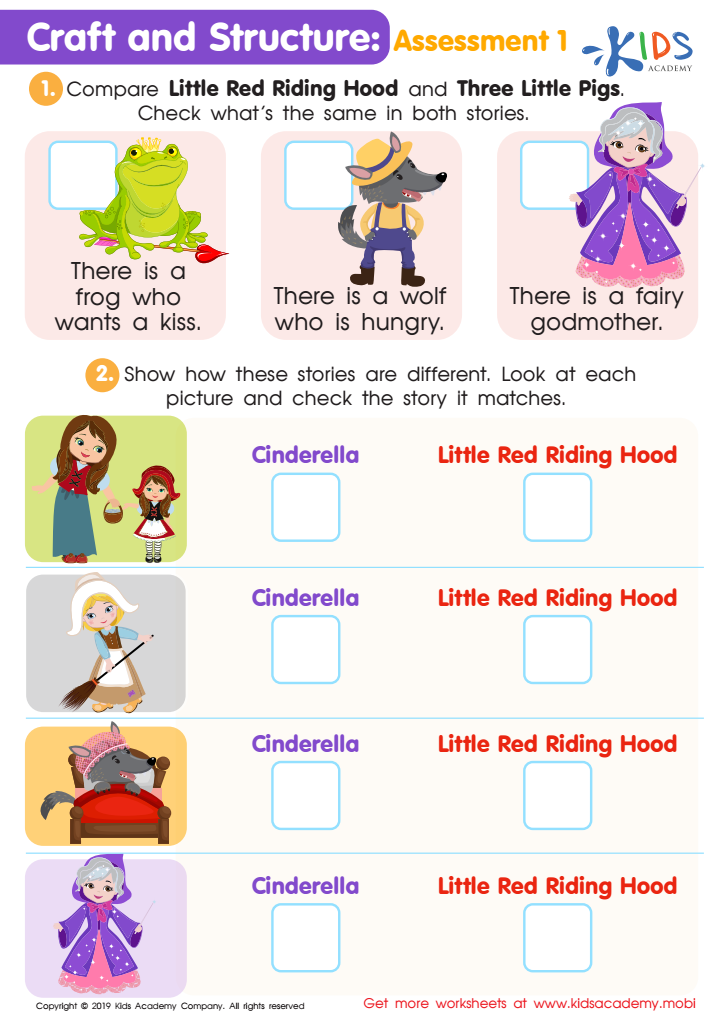
Craft and Structure: Assessment 1 Worksheet
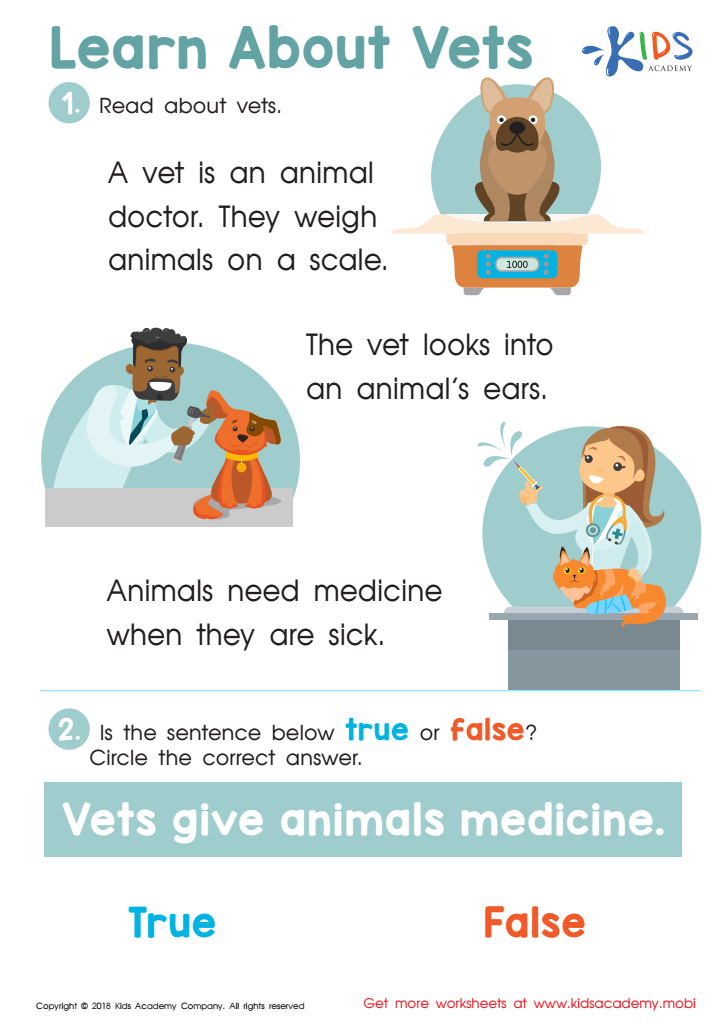
Learn About Vets Worksheet
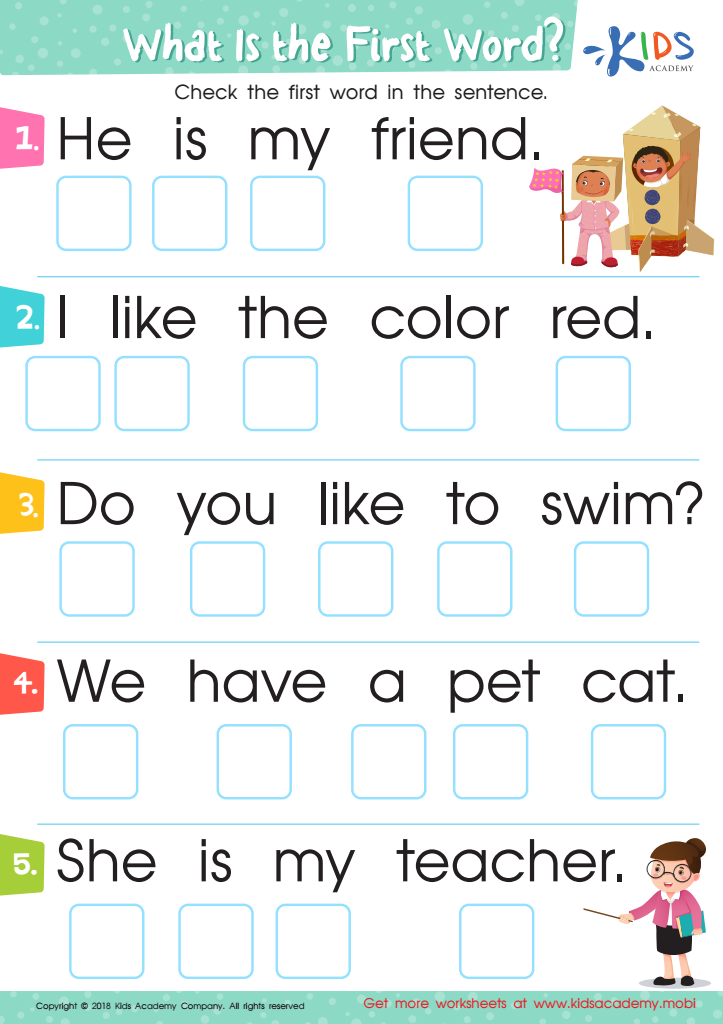
What is the First Word? Worksheet
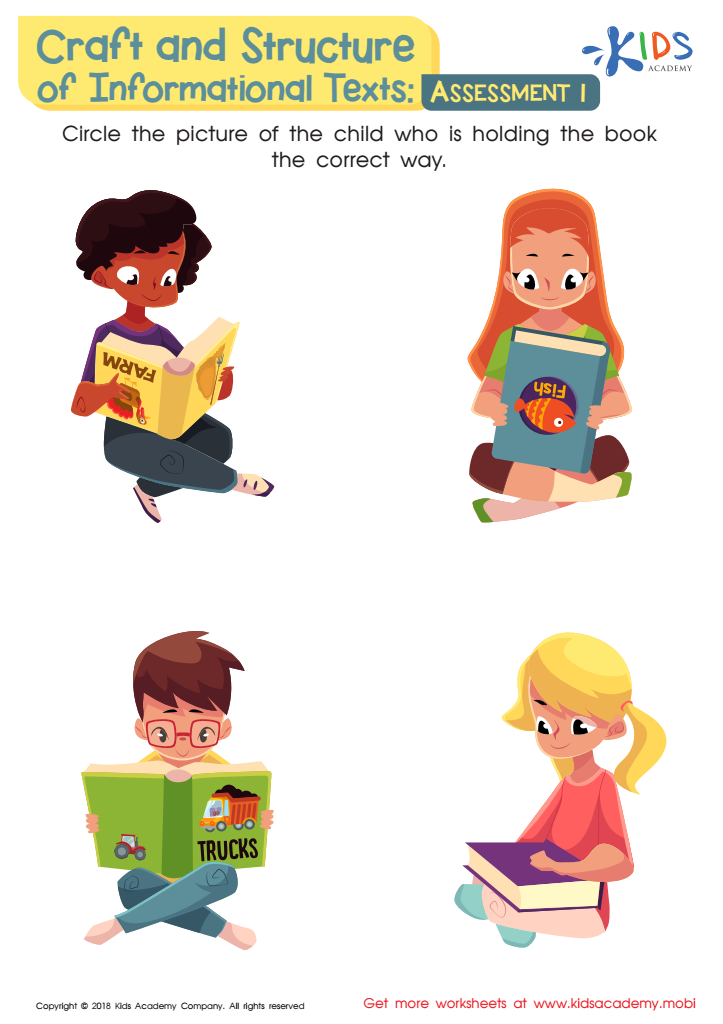
Craft and Structure of Informational Texts: Assessment 1 Worksheet
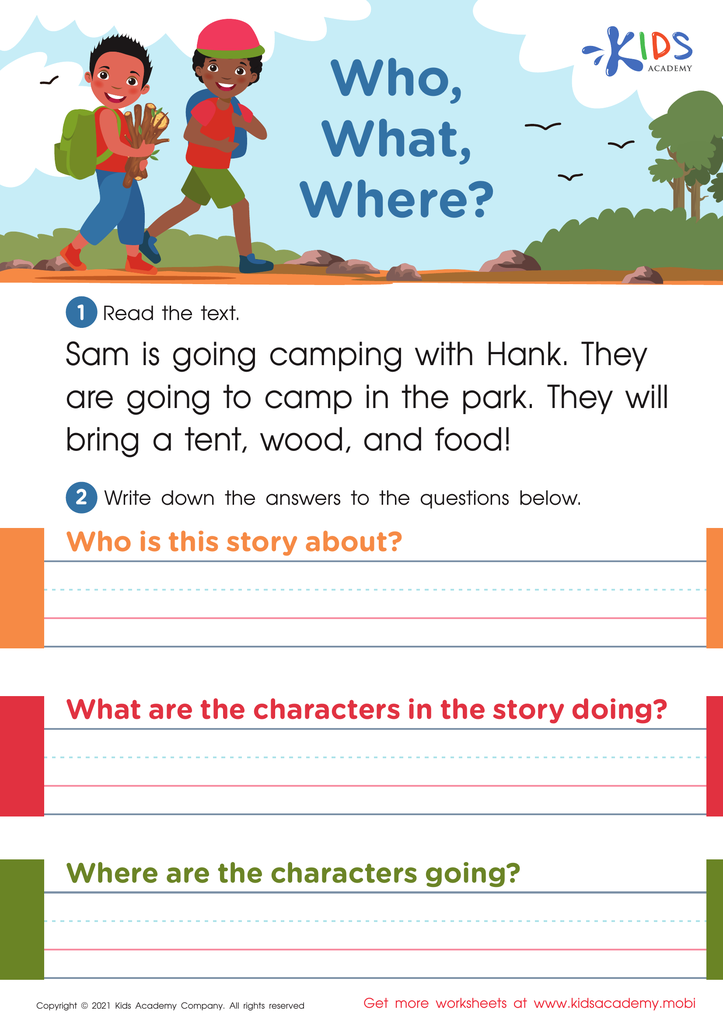
Who, What, Where? Worksheet





.jpg)


Vocabulary development and reading comprehension are crucial for children aged 4-6, laying the groundwork for lifelong learning and academic success. At this stage, children's brains are exceptionally receptive to new language skills, and rich vocabulary knowledge enhances their ability to express thoughts and engage in conversations. A well-developed vocabulary enables children to decipher meanings and context, promoting confidence during reading and communication.
Reading comprehension—understanding what is read—is intricately linked to vocabulary. As children encounter new words in context, they grasp their meanings and usage, directly impacting their understanding of stories and information. When parents and teachers prioritize these skills, they foster a love for reading and encourage imaginative thinking, which supports cognitive development.
Additionally, vocabulary growth in early childhood is associated with better performance in reading, writing, and overall academic achievement later in life. Engaging children with diverse books, discussions, and interactive activities can significantly enhance their language exposure.
Furthermore, strong vocabulary and reading comprehension skills are vital for social interactions, as they contribute to effective communication and confidence in expressing feelings and ideas. Parents and teachers play a pivotal role in nurturing these skills, shaping resilient learners prepared to thrive in an increasingly complex world.








