Information retention Reading Non-Fiction Worksheets for Ages 4-6
3 filtered results
-
From - To
Discover our engaging "Information Retention Reading Non-Fiction Worksheets" designed specifically for children ages 4-6! These worksheets encourage young learners to grasp essential non-fiction concepts while enhancing critical thinking skills. Each activity is tailored to support information retention through fun exercises and vibrant visuals, making learning enjoyable and interactive. Children will explore captivating topics and answer questions that reinforce understanding, helping them absorb key facts. Perfect for early education settings or at-home learning, these worksheets are an excellent resource for developing literacy skills and a love for knowledge. Start fostering curiosity and comprehension in your little ones today!
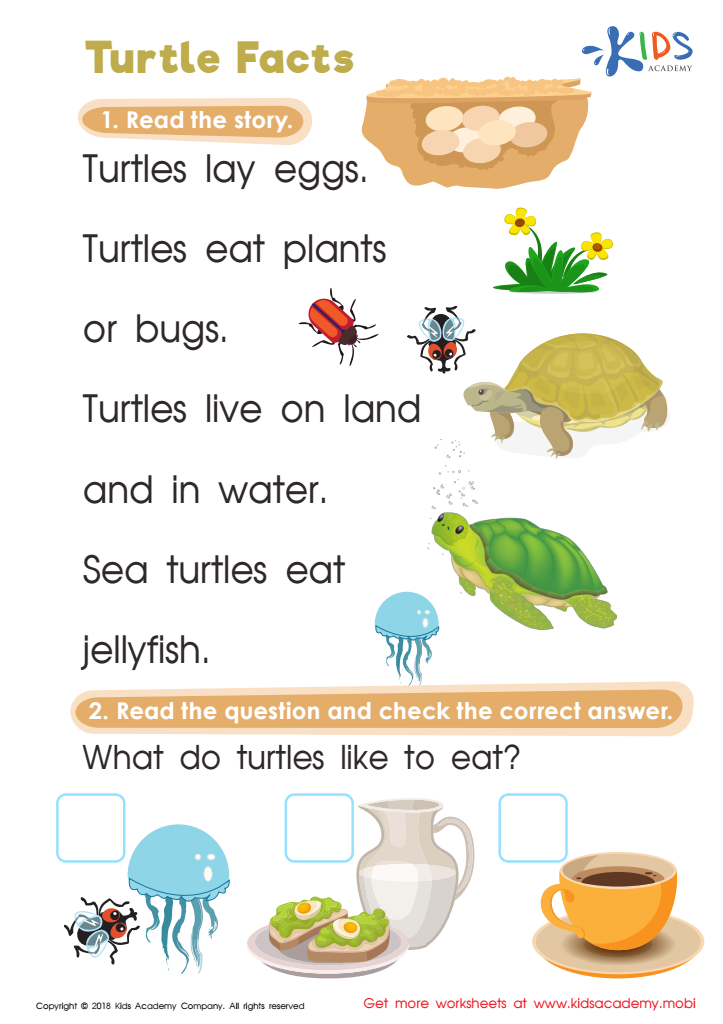
Turtle Facts Worksheet
 Assign to My Students
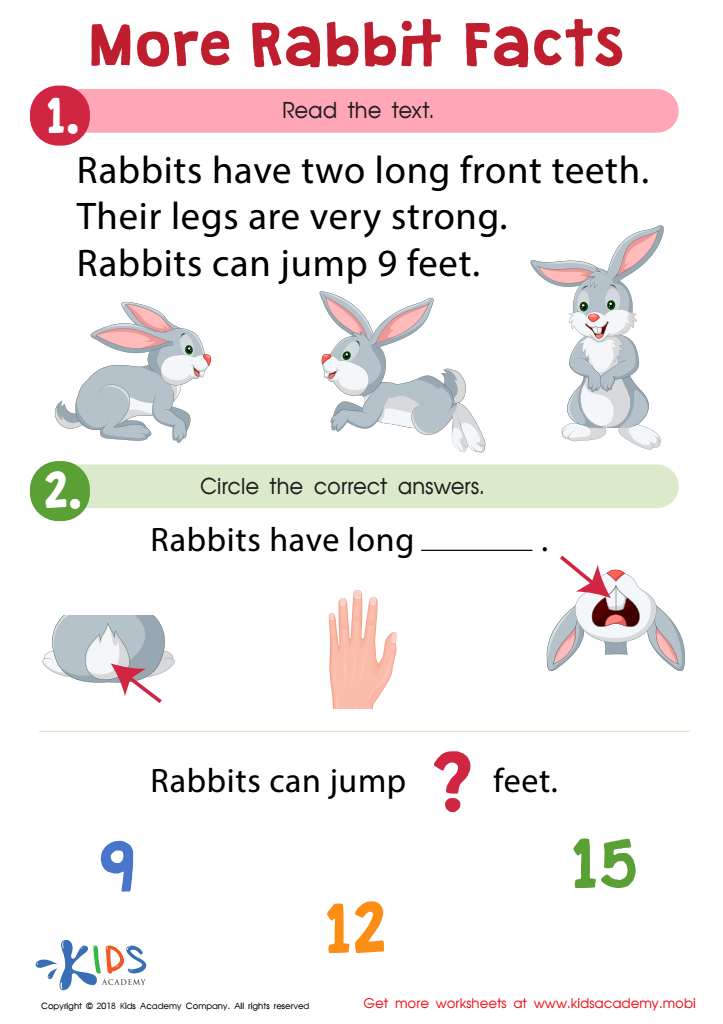
More Rabbit Facts Worksheet
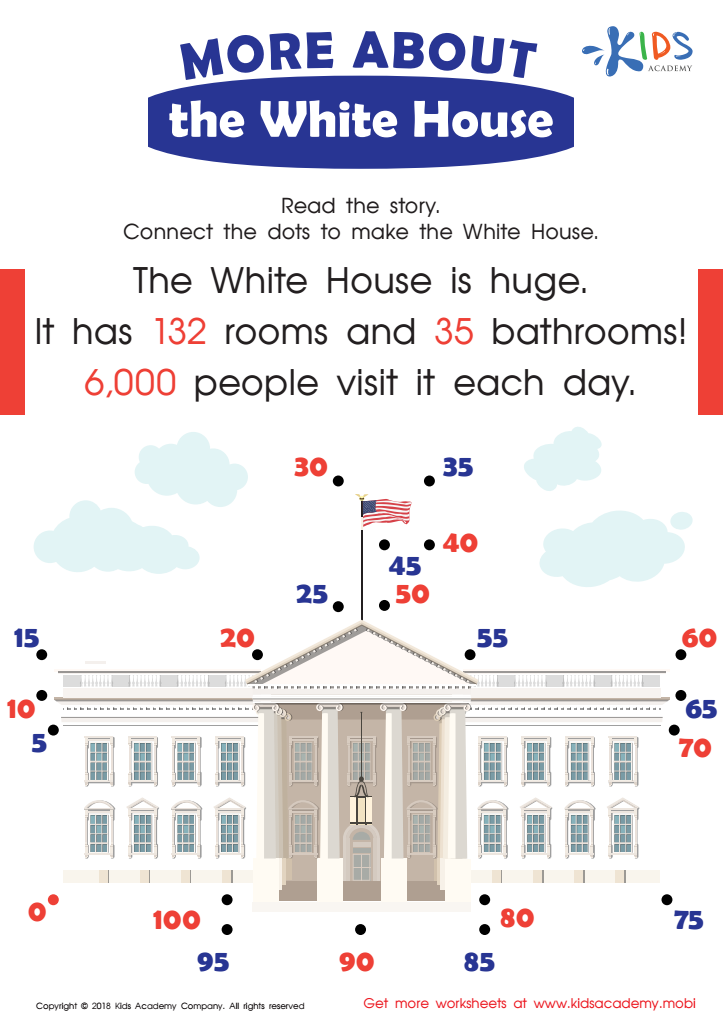
More About the White House Worksheet








Information retention in reading non-fiction for ages 4 to 6 is crucial for the cognitive and emotional development of young learners. First and foremost, children at this age are naturally curious, and engaging with non-fiction texts helps satisfy that curiosity. These texts introduce them to real-world concepts, fostering critical thinking and comprehension skills.
Additionally, information retention builds a strong foundation for future learning. By understanding and remembering factual information, children can make connections between what they learn and their everyday lives, enhancing their ability to remember and apply knowledge in different contexts. It also cultivates a love for reading as children see the value in acquiring new information and skills.
Moreover, early mastery of non-fiction can improve vocabulary acquisition. Rich and diverse language in non-fiction encourages children to express their thoughts and ideas more clearly. Ultimately, when parents and teachers prioritize information retention in reading non-fiction, they empower children with the tools they need for lifelong learning. By fostering a love for factual exploration, we nurture inquisitive minds ready to engage with the world around them. This investment in early learning pays off in heightened school readiness and academic achievement.








