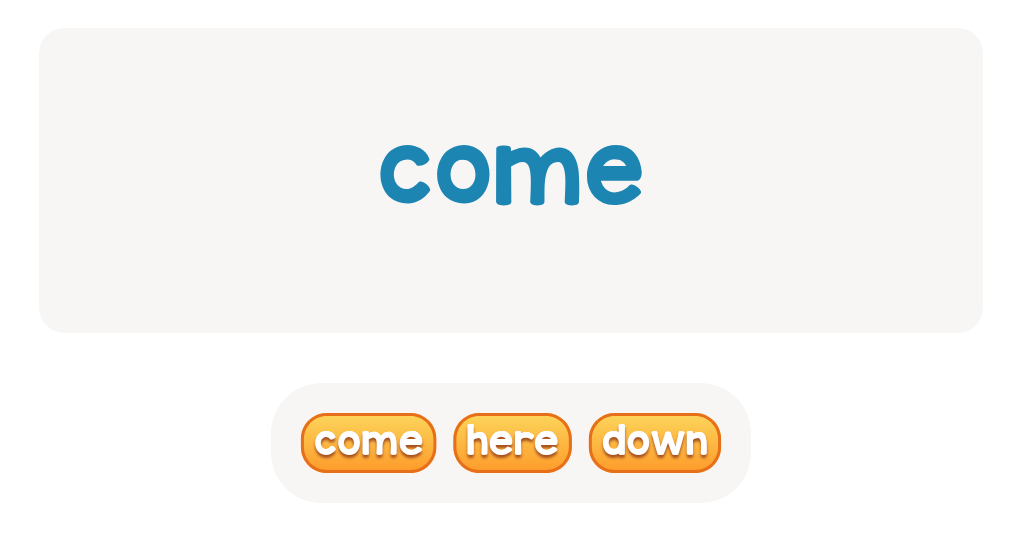
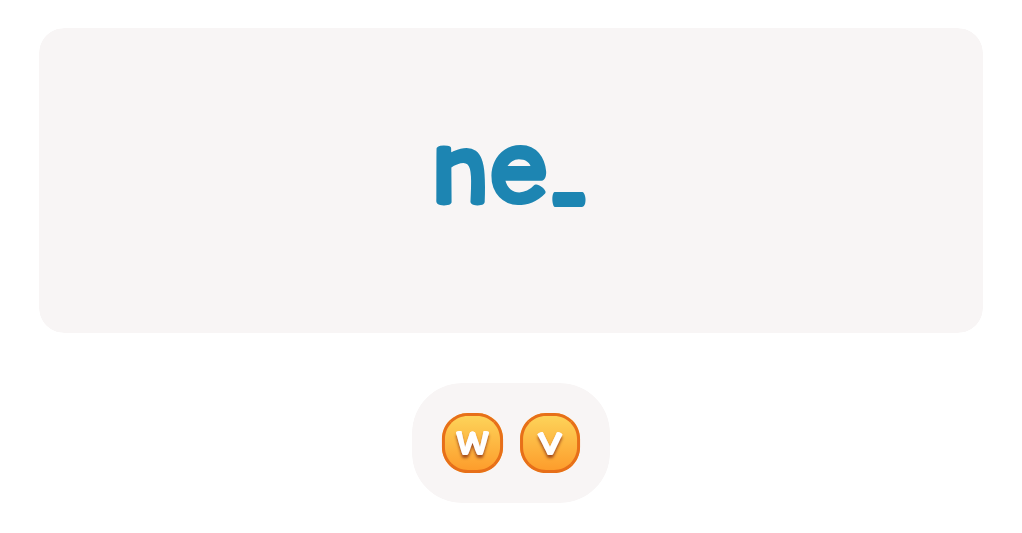
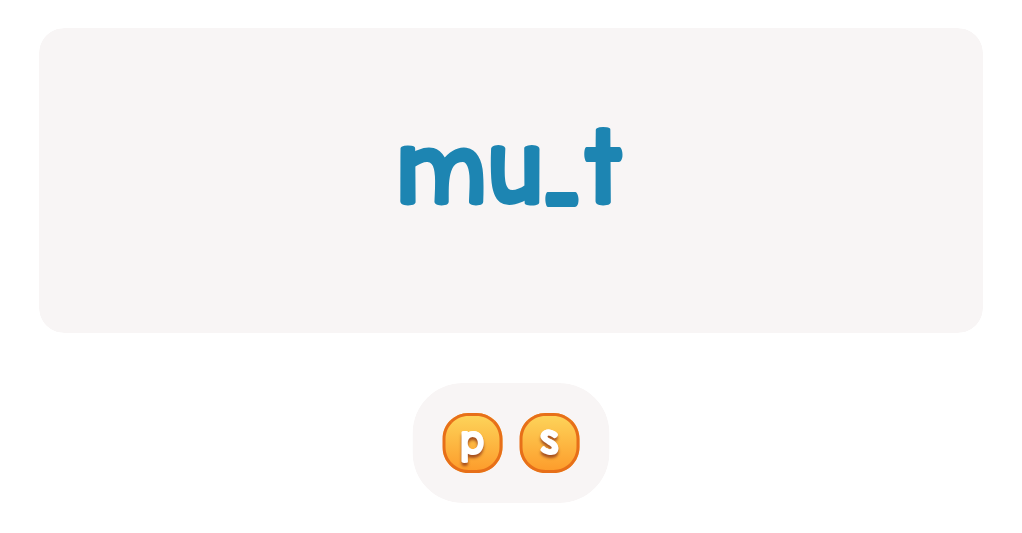
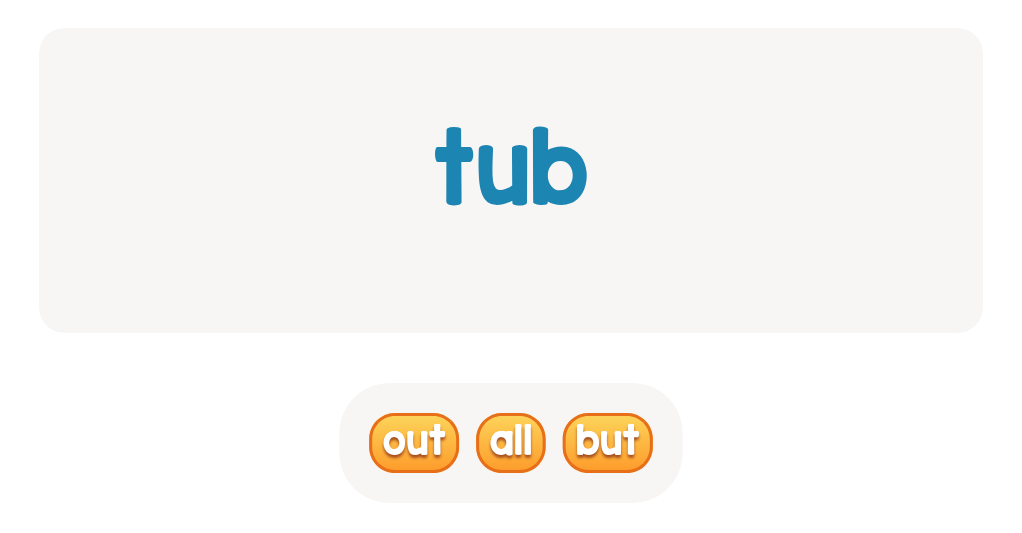
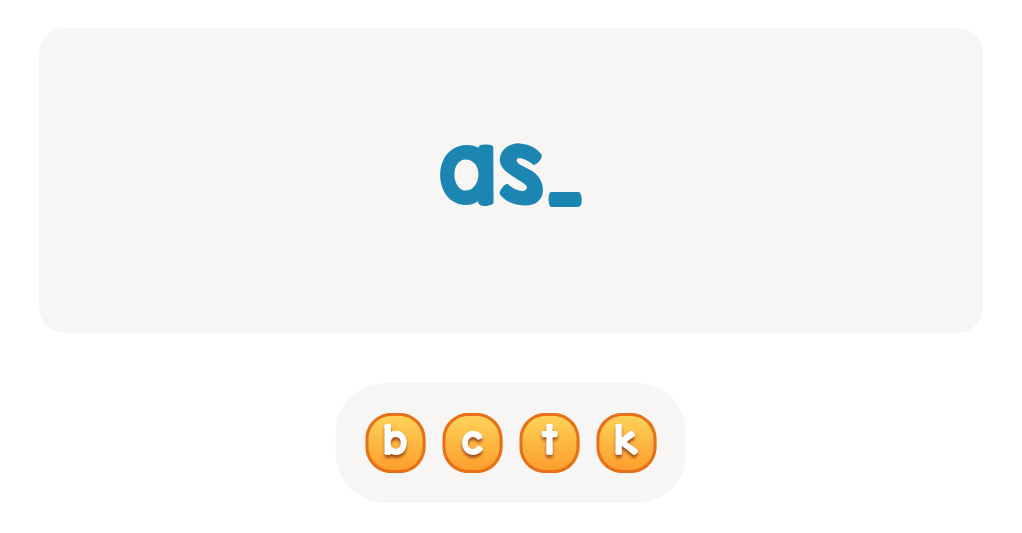
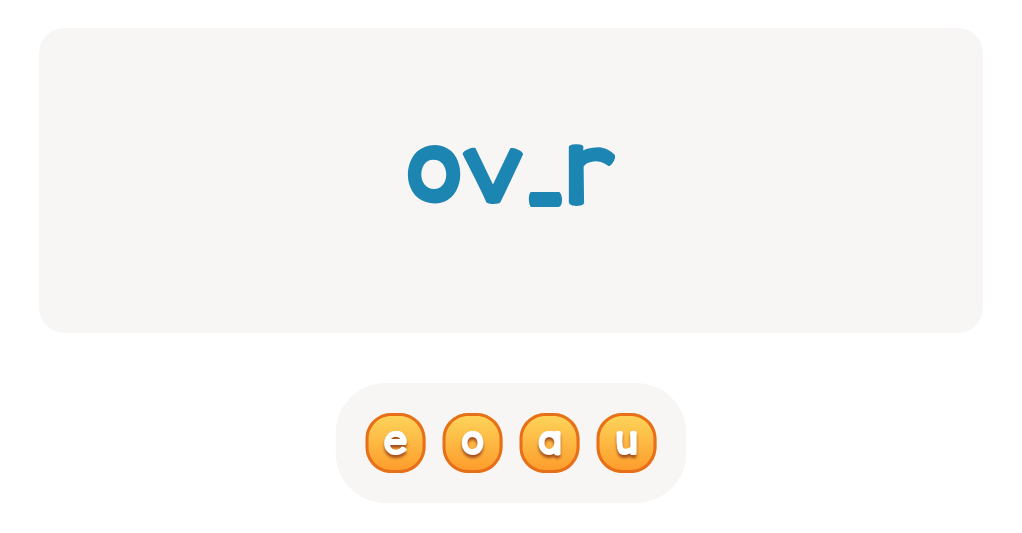
Boost your child's reading and math skills with our "Comparing Fractions Sight Words Worksheets" designed for ages 4-6. These engaging worksheets expertly combine the fun of learning sight words with the fundamental concept of comparing fractions. Each activity is crafted to enhance early literacy and foundational math skills while keeping young learners engaged. With vibrant illustrations and simple exercises, kids can easily grasp complex ideas through play and practice. Perfect for preschoolers and kindergarteners, our worksheets provide an enriching, well-rounded educational experience, setting the stage for future academic success. Download and start learning today!
Check out this FREE Trial Lesson on Sight Words for age 4-6!

D

Favorites
With answer key
Interactive
  • 4-6
  • Comparing Fractions
  • Sight Words
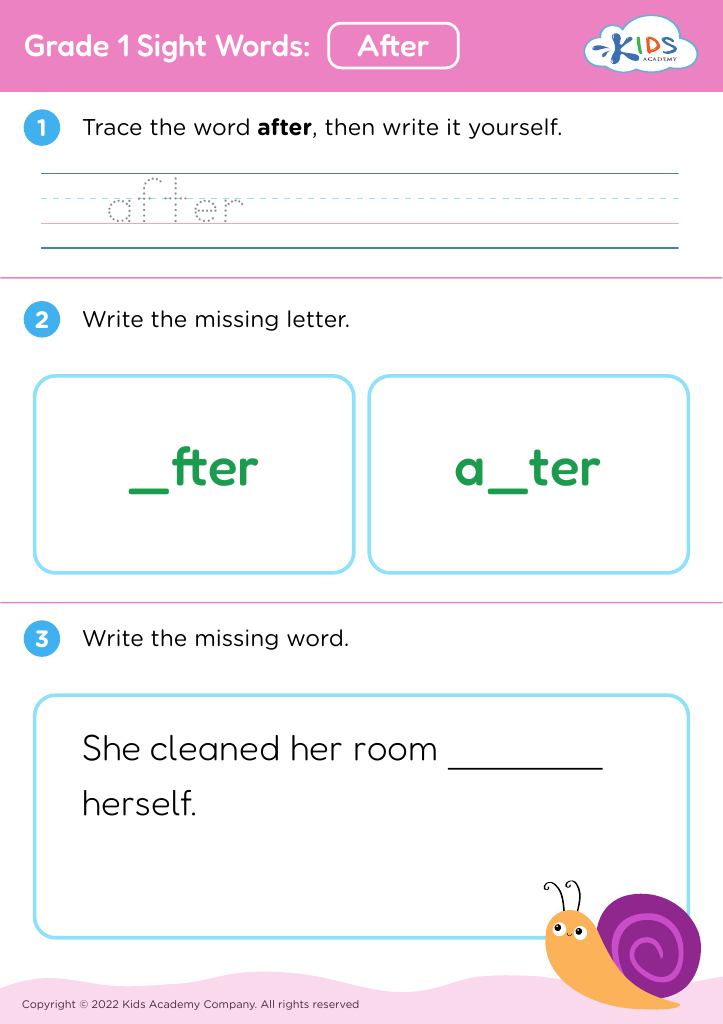
Grade 1 Sight Words: After

Grade 1 Sight Words: After

Grade 1 Sight Words: After
Worksheet
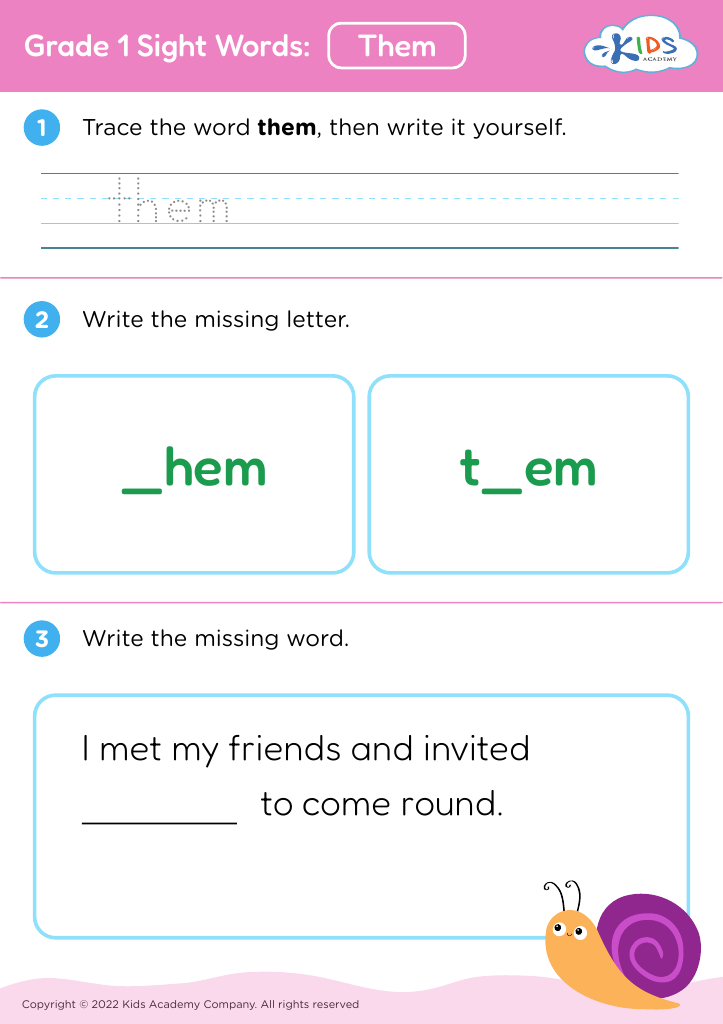
Grade 1 Sight Words: Them

Grade 1 Sight Words: Them

Grade 1 Sight Words: Them
Worksheet
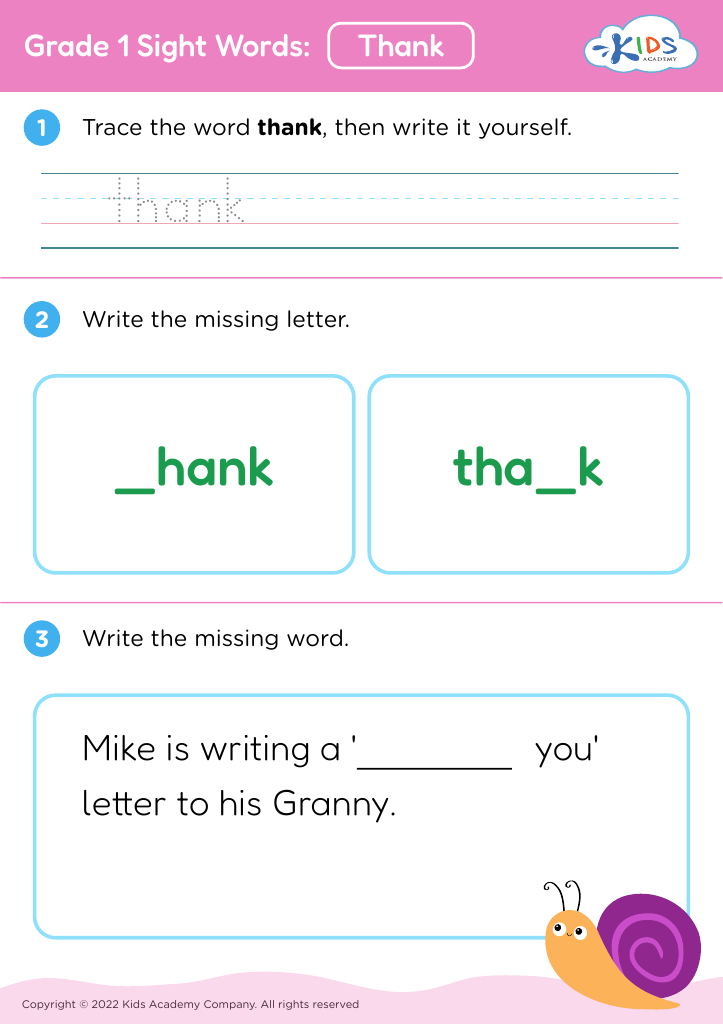
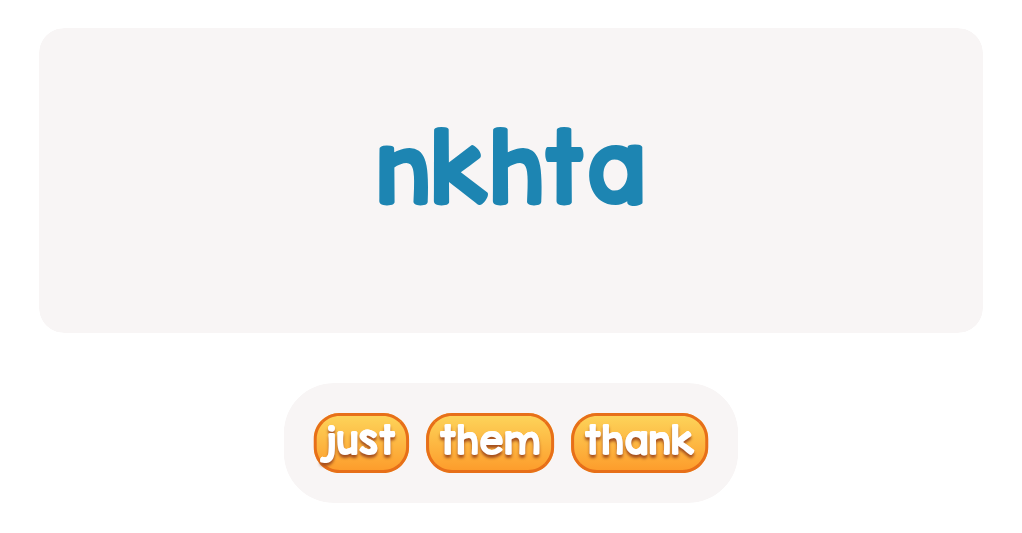
Grade 1 Sight Words: Thank

Grade 1 Sight Words: Thank

Grade 1 Sight Words: Thank
Worksheet
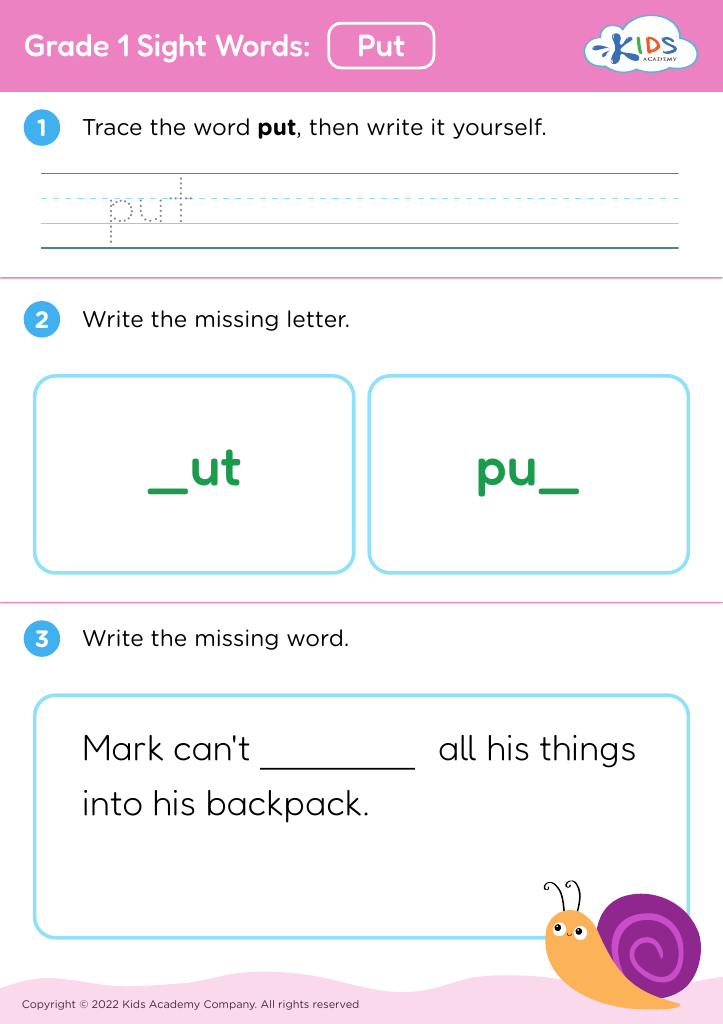
Grade 1 Sight Words: Put

Grade 1 Sight Words: Put

Grade 1 Sight Words: Put
Worksheet
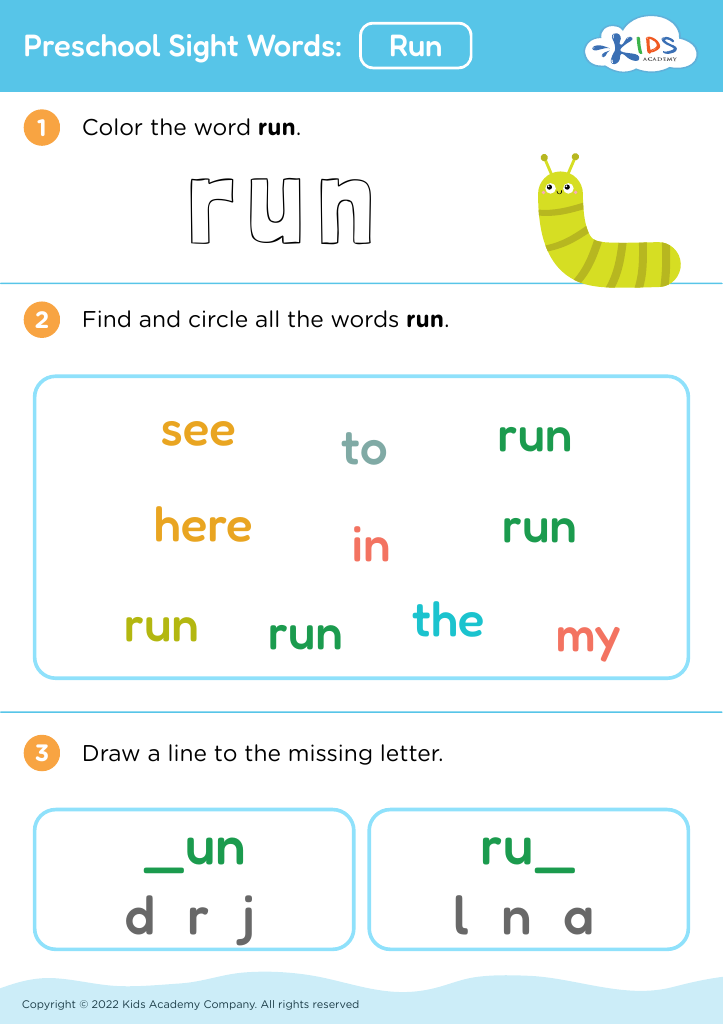
Preschool Sight Words: Run

Preschool Sight Words: Run

Preschool Sight Words: Run
Worksheet
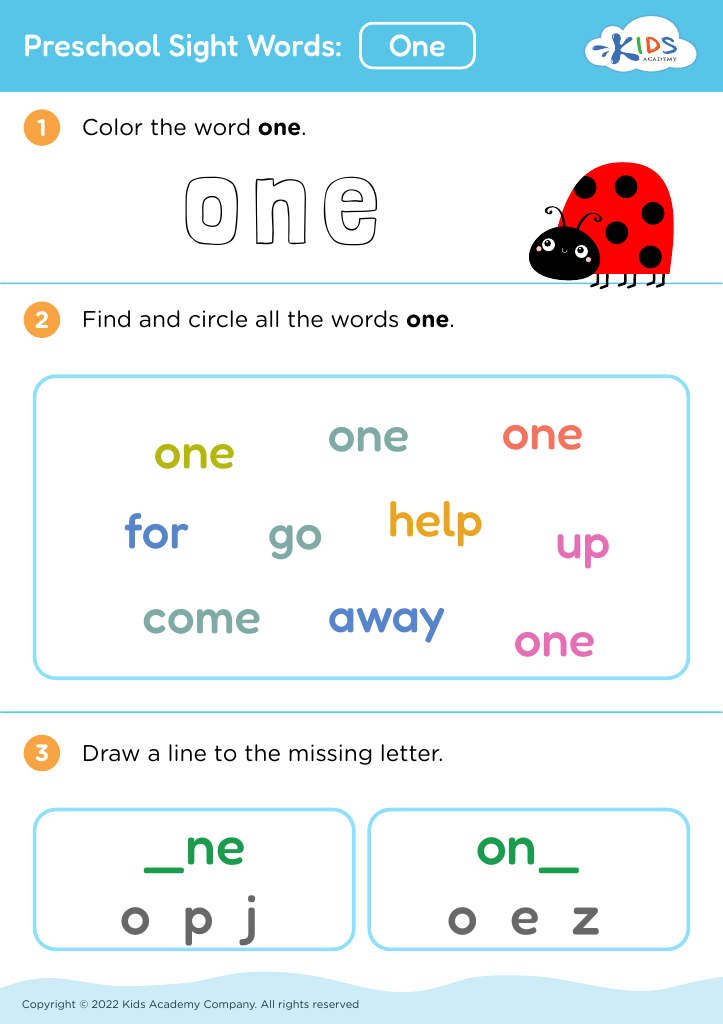
Preschool Sight Words: One

Preschool Sight Words: One

Preschool Sight Words: One
Worksheet
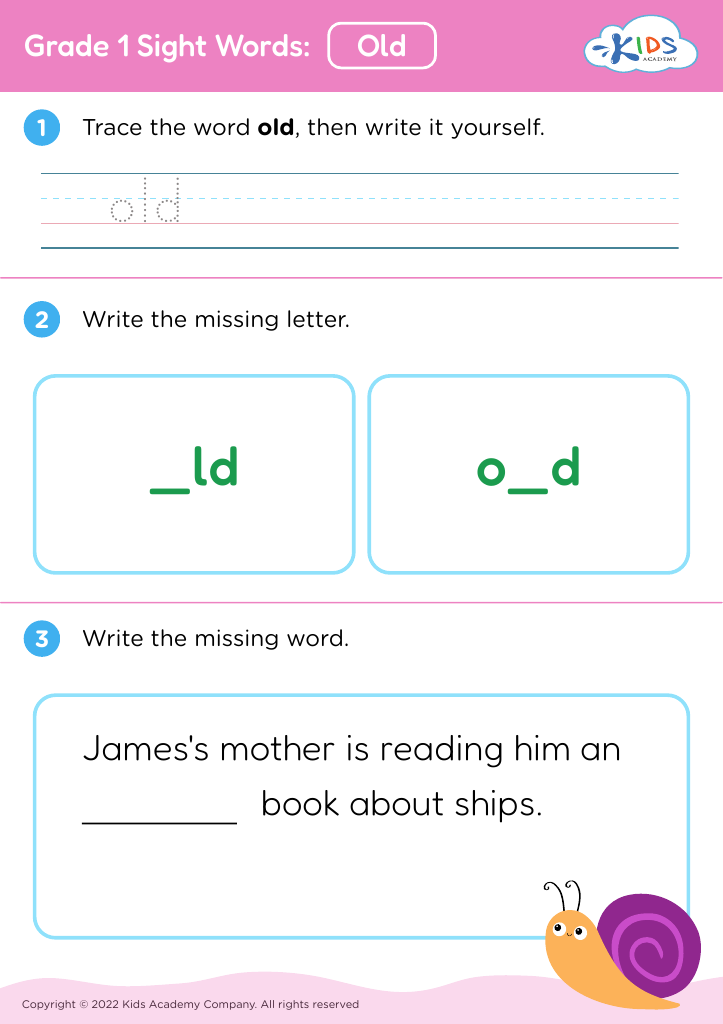
Grade 1 Sight Words: Old

Grade 1 Sight Words: Old

Grade 1 Sight Words: Old
Worksheet
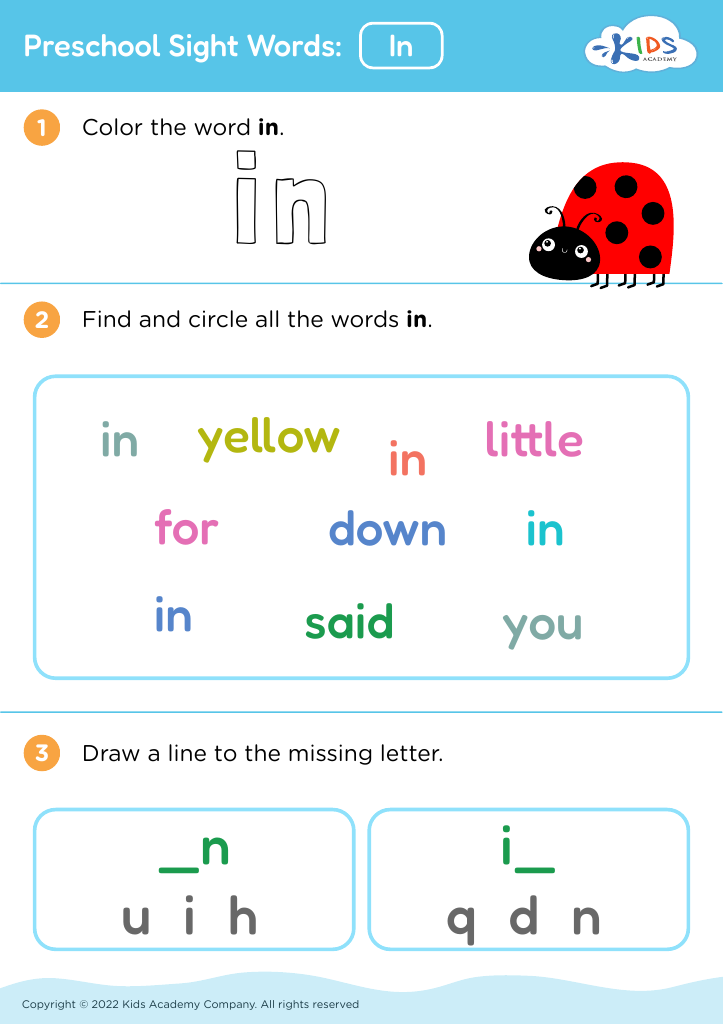
Preschool Sight Words: In

Preschool Sight Words: In

Preschool Sight Words: In
Worksheet
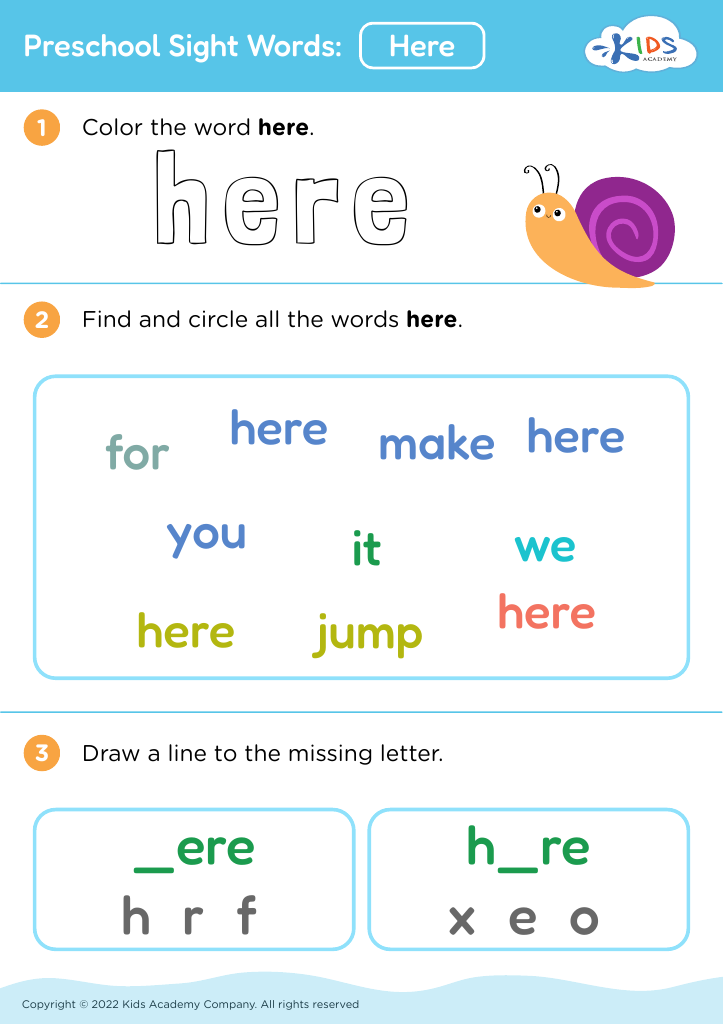
Preschool Sight Words: Here

Preschool Sight Words: Here

Preschool Sight Words: Here
Worksheet
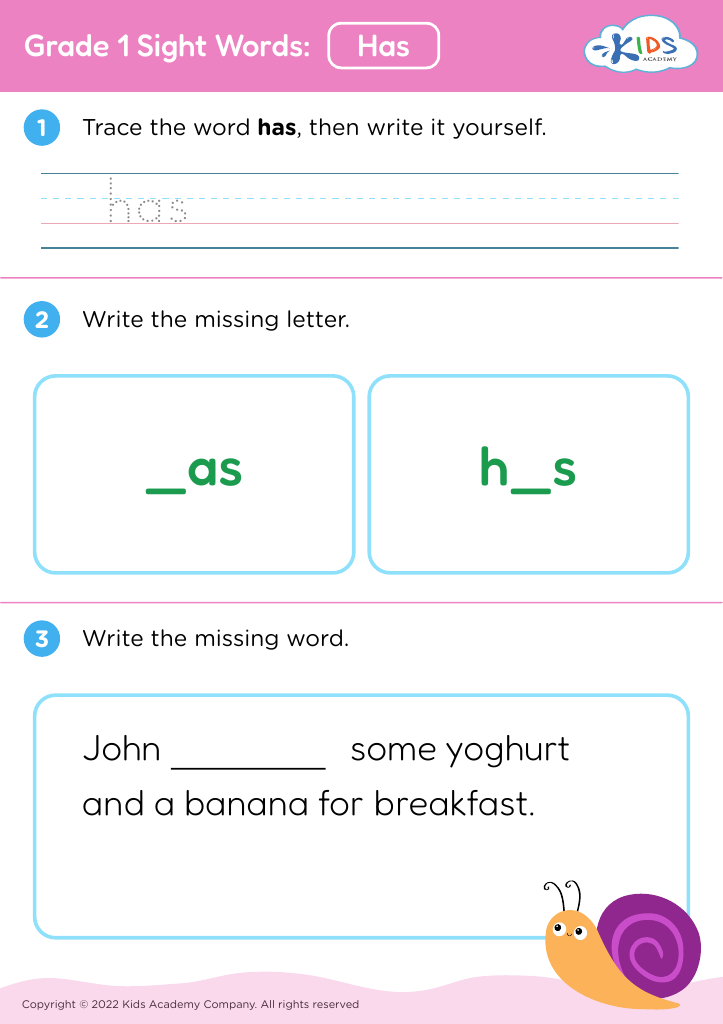
Grade 1 Sight Words: Has

Grade 1 Sight Words: Has

Grade 1 Sight Words: Has
Worksheet
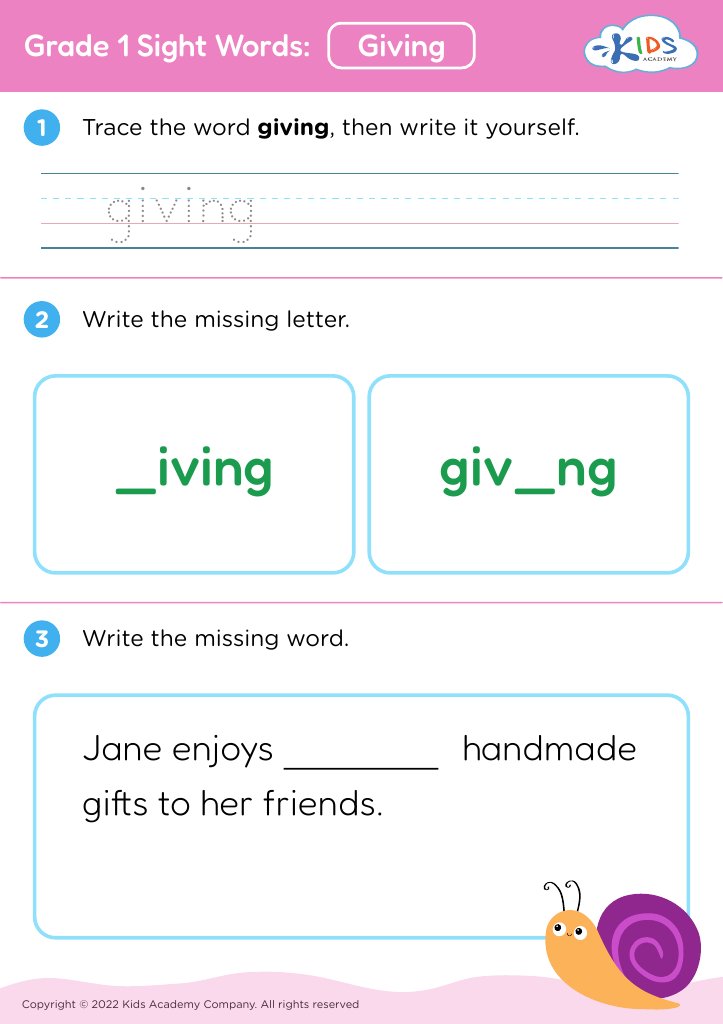
Grade 1 Sight Words: Giving

Grade 1 Sight Words: Giving

Grade 1 Sight Words: Giving
Worksheet
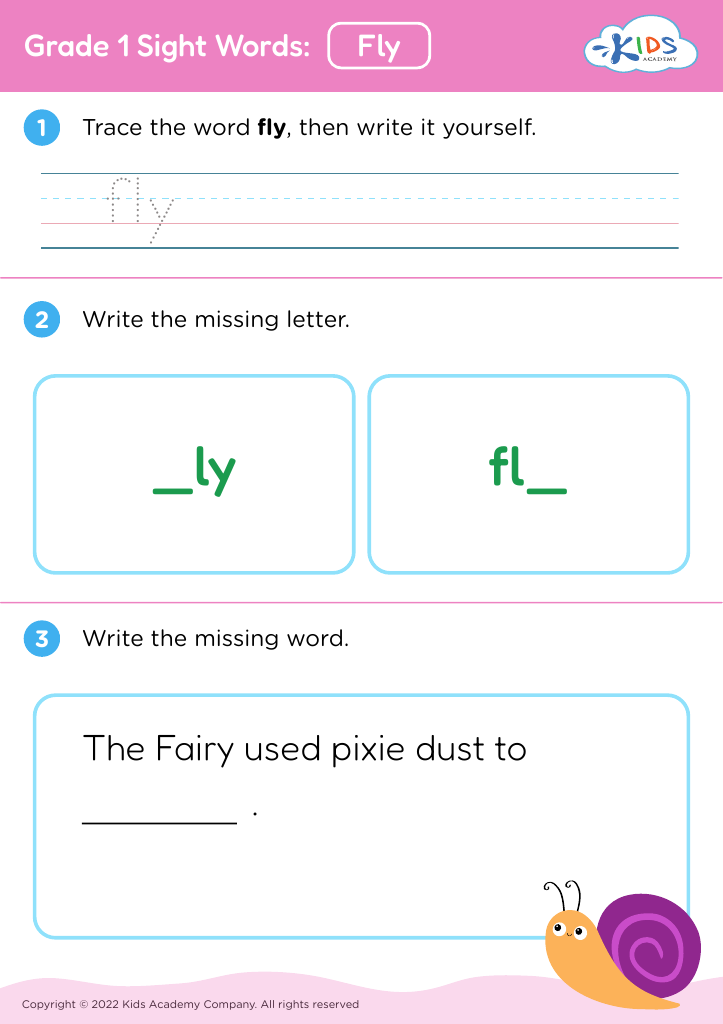
Grade 1 Sight Words: Fly

Grade 1 Sight Words: Fly

Grade 1 Sight Words: Fly
Worksheet
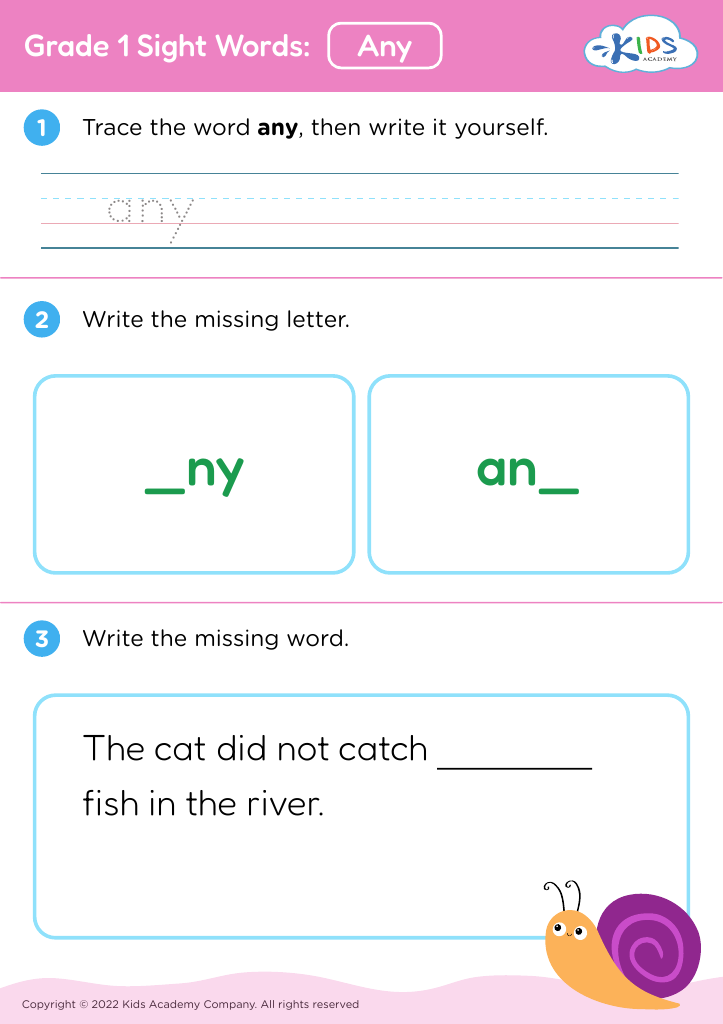
Grade 1 Sight Words: Any

Grade 1 Sight Words: Any

Grade 1 Sight Words: Any
Worksheet
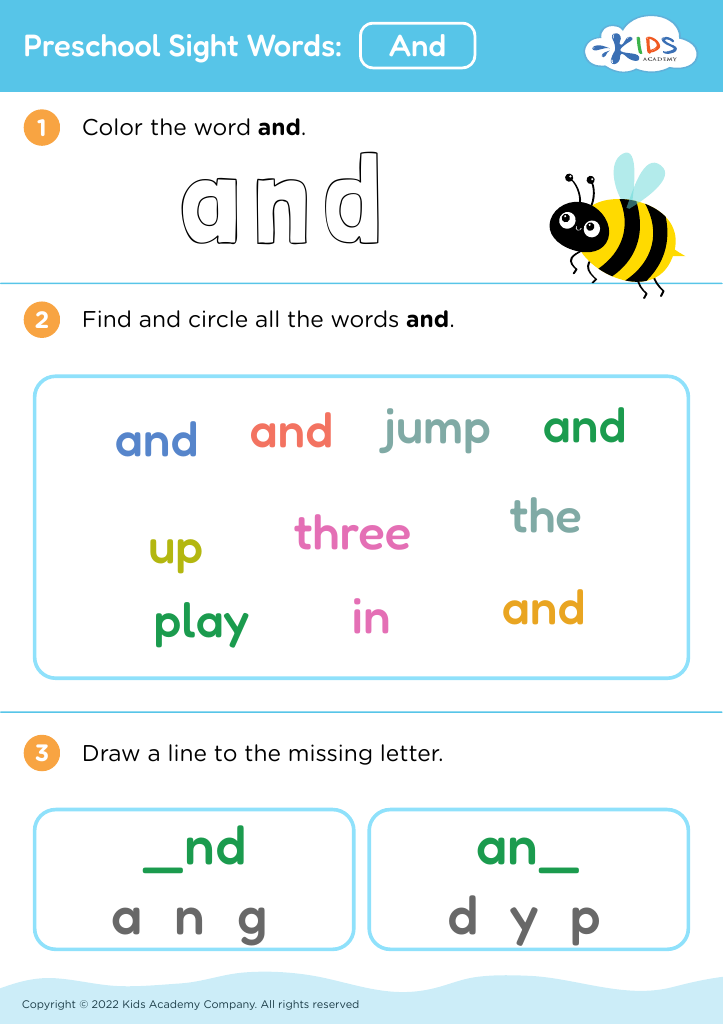
Preschool Sight Words: And

Preschool Sight Words: And

Preschool Sight Words: And
Worksheet
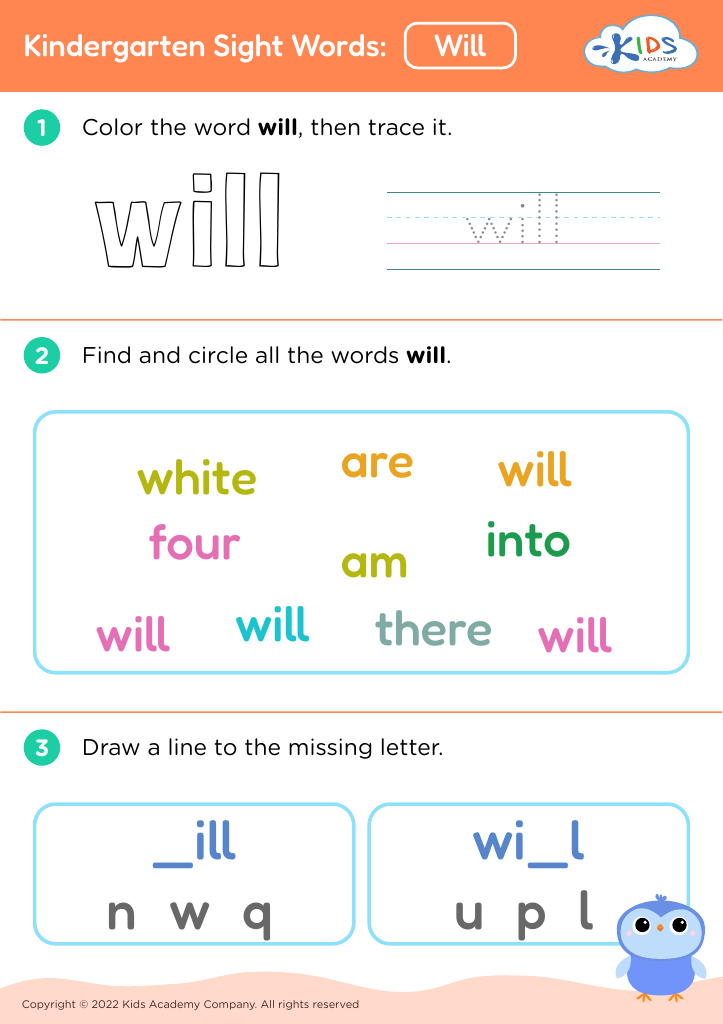
Kindergarten Sight Words: Will

Kindergarten Sight Words: Will

Kindergarten Sight Words: Will
Worksheet
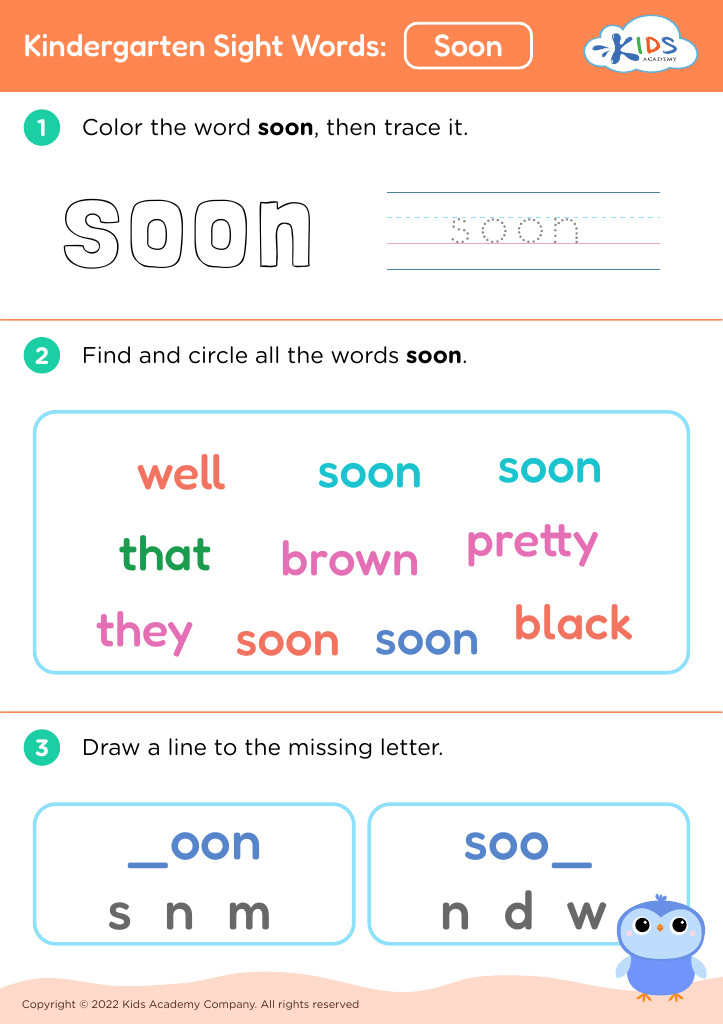
Kindergarten Sight Words: Soon

Kindergarten Sight Words: Soon

Kindergarten Sight Words: Soon
Worksheet
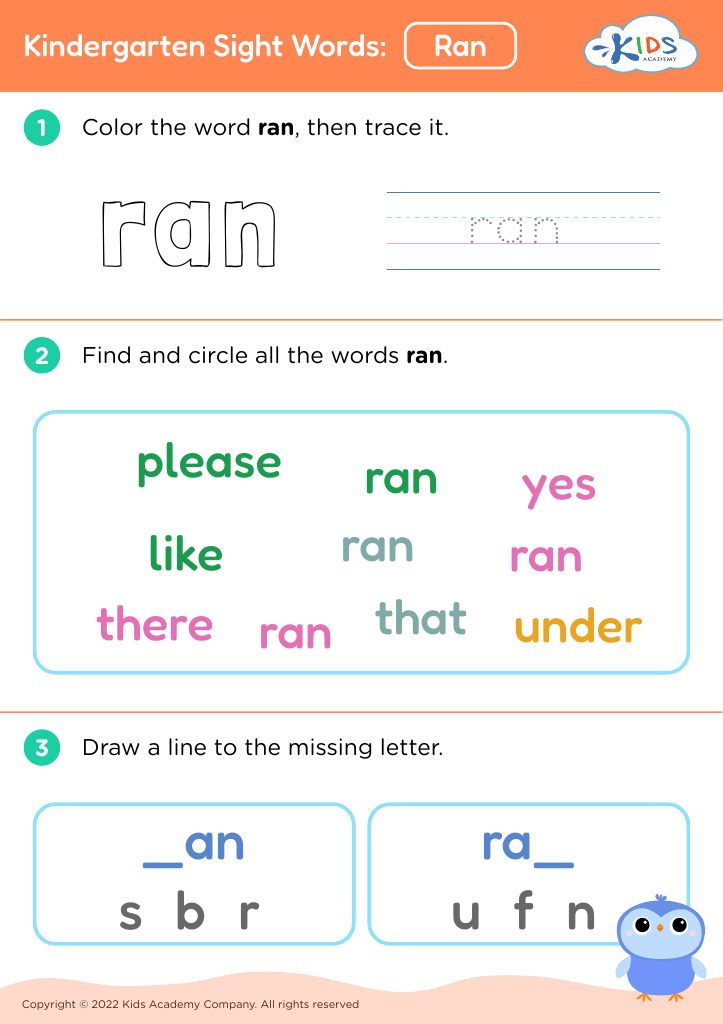
Kindergarten Sight Words: Ran

Kindergarten Sight Words: Ran

Kindergarten Sight Words: Ran
Worksheet
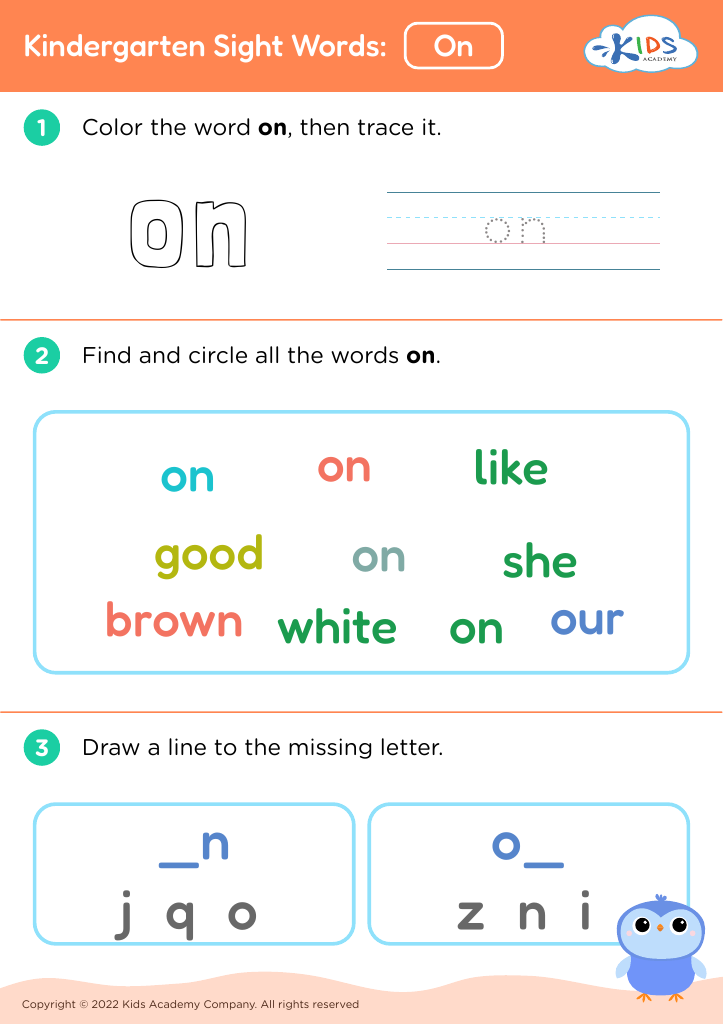
Kindergarten Sight Words: On

Kindergarten Sight Words: On

Kindergarten Sight Words: On
Worksheet
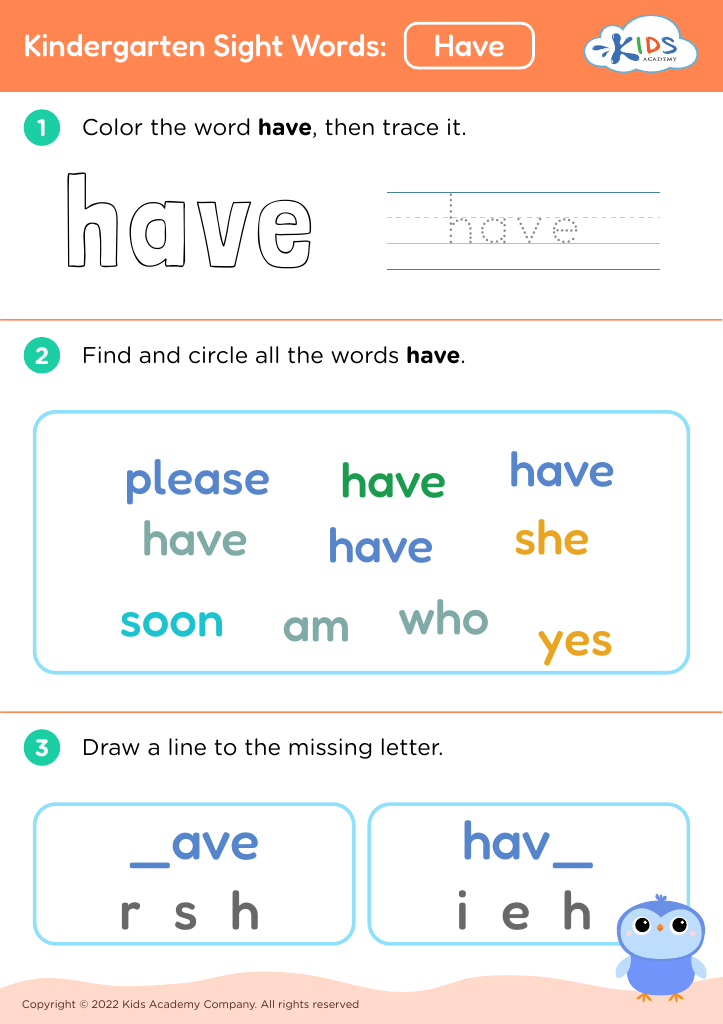
Kindergarten Sight Words: Have

Kindergarten Sight Words: Have

Kindergarten Sight Words: Have
Worksheet
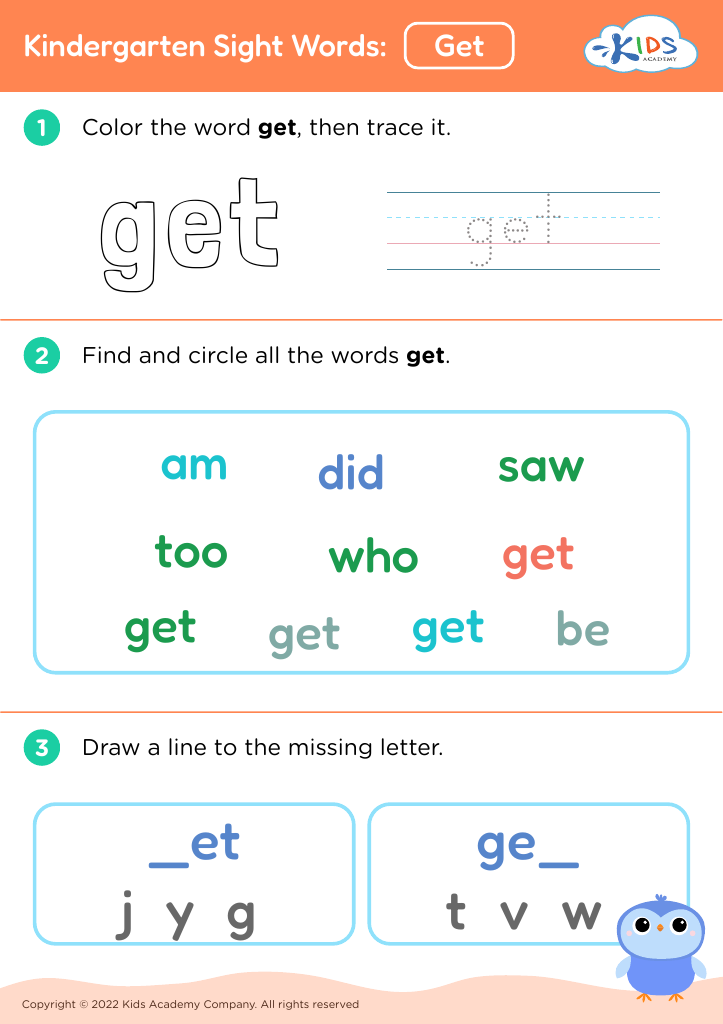
Kindergarten Sight Words: Get

Kindergarten Sight Words: Get

Kindergarten Sight Words: Get
Worksheet
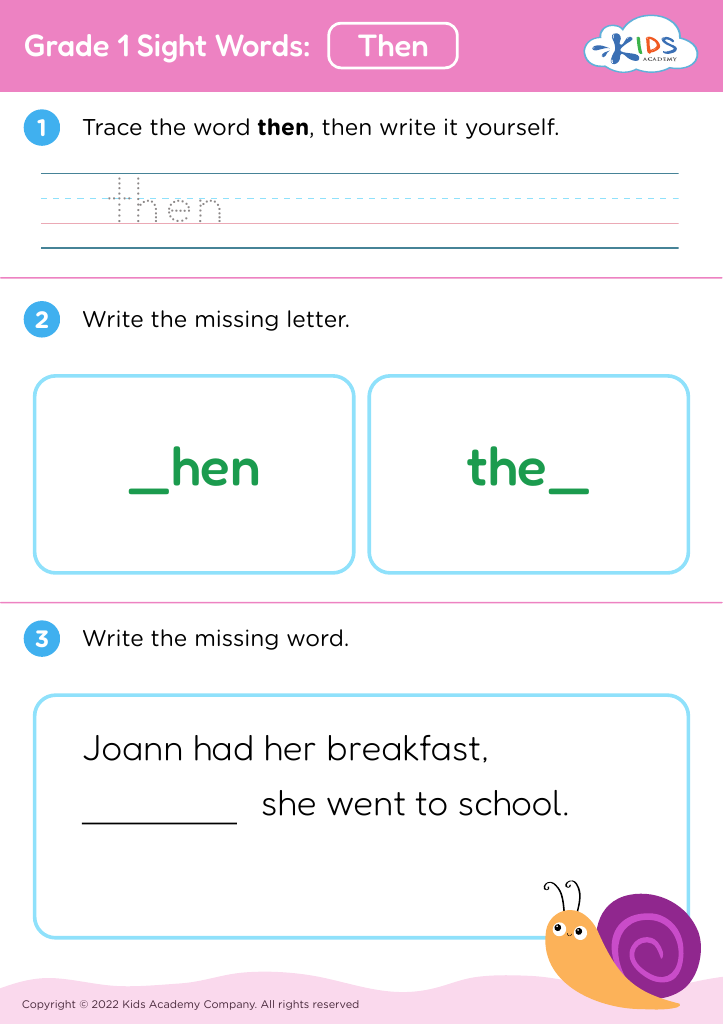
Grade 1 Sight Words: Then

Grade 1 Sight Words: Then

Grade 1 Sight Words: Then
Worksheet
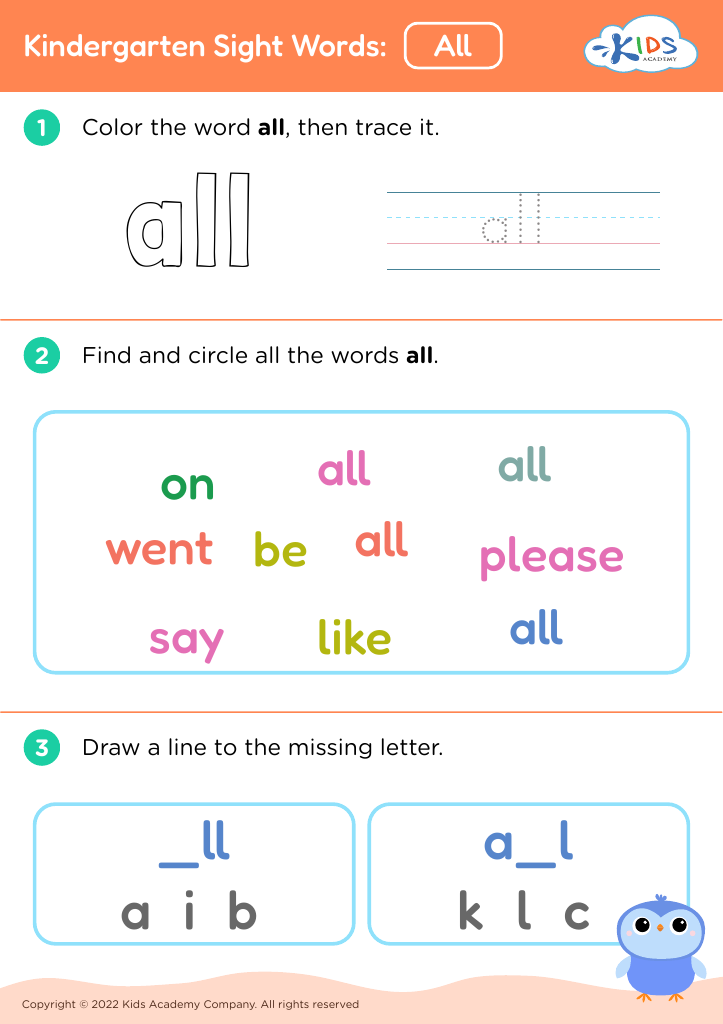
Kindergarten Sight Words: All

Kindergarten Sight Words: All

Kindergarten Sight Words: All
Worksheet


Parents and teachers should care about comparing fractions and sight words for children ages 4-6 as these foundational skills are critical for their overall academic development. At this age, children's brains are particularly receptive to learning new concepts, and laying a strong foundation in both mathematics and literacy helps set them up for future success.

Comparing fractions, even in simple forms like halves and quarters, can aid in developing key cognitive abilities such as critical thinking, problem-solving, and the ability to understand proportional relationships. These skills extend beyond math and are applicable in day-to-day decision-making and scientific comprehension.

Similarly, sight words are the building blocks of early literacy. Often, these are common words that don't follow standard phonetic rules, like "said" or "was," which children need to recognize instantly for fluent reading. Mastering sight words at an early age can improve reading speed, comprehension, and confidence, easing the transition into more complex texts and fostering a love for reading.

Integrating activities that compare fractions with sight word recognition exercises can make learning more engaging. Combining these fundamental skills enriches the child's educational experience, promotes a balanced approach to learning, and provides essential tools that will serve them in their continued academic journey and everyday life.