Color Identification Songs Worksheets for Ages 4-6
4 filtered results
-
From - To
Discover our vibrant and engaging Color Identification Songs Worksheets for children ages 4-6! Designed to make learning fun, these printable worksheets use catchy songs to help young learners identify colors. Perfect for preschool and kindergarten kids, the worksheets mix musical enjoyment with educational content, promoting memory retention and fine motor skills through coloring activities and singing. Ideal for both teachers and parents, our worksheets offer an interactive, hands-on approach to mastering color recognition, ensuring that little ones remain entertained and eager to learn. Kickstart your child’s color exploration journey with these delightful and educational resources!
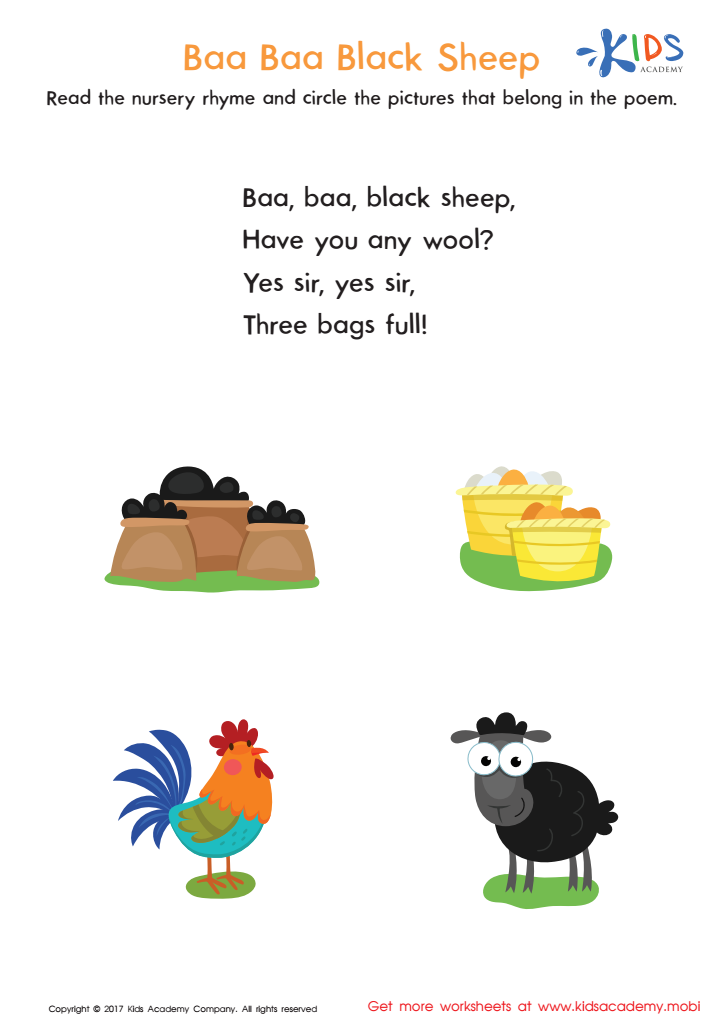
Baa Baa Black Sheep Printable
 Assign to My Students
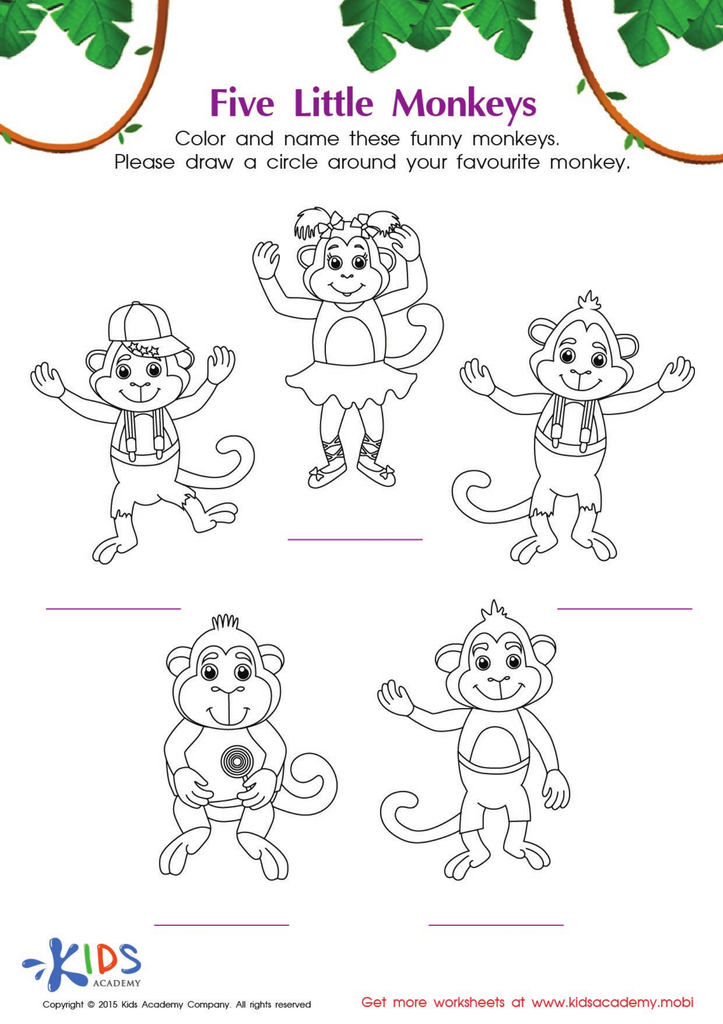
The Five Little Monkeys Coloring Worksheet
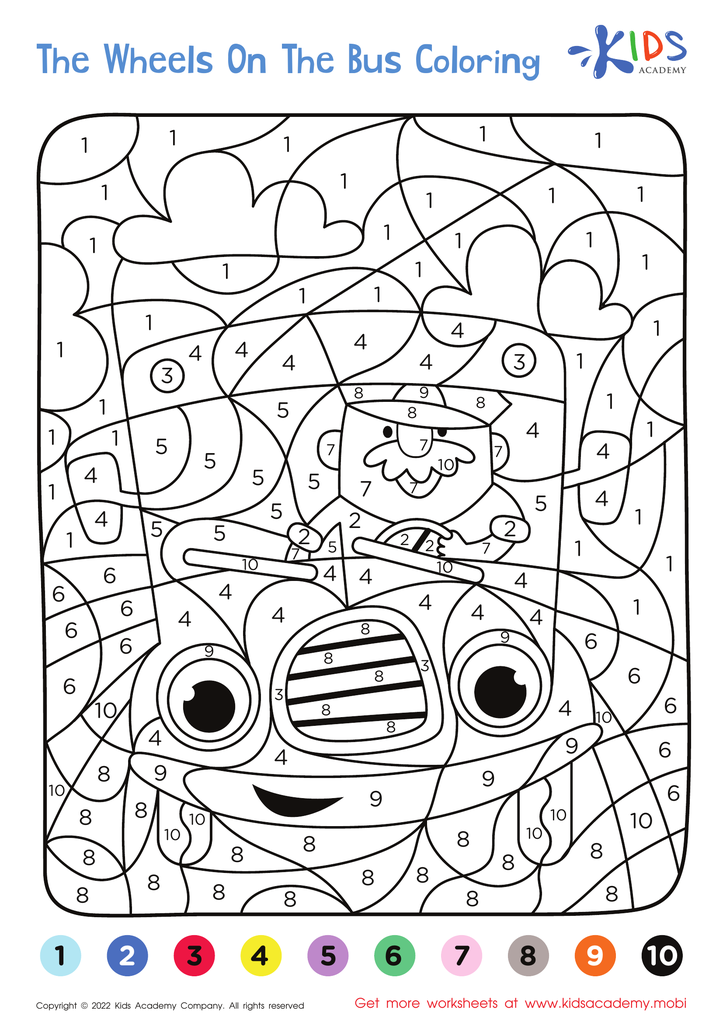
Wheels on the Bus – Coloring by Numbers
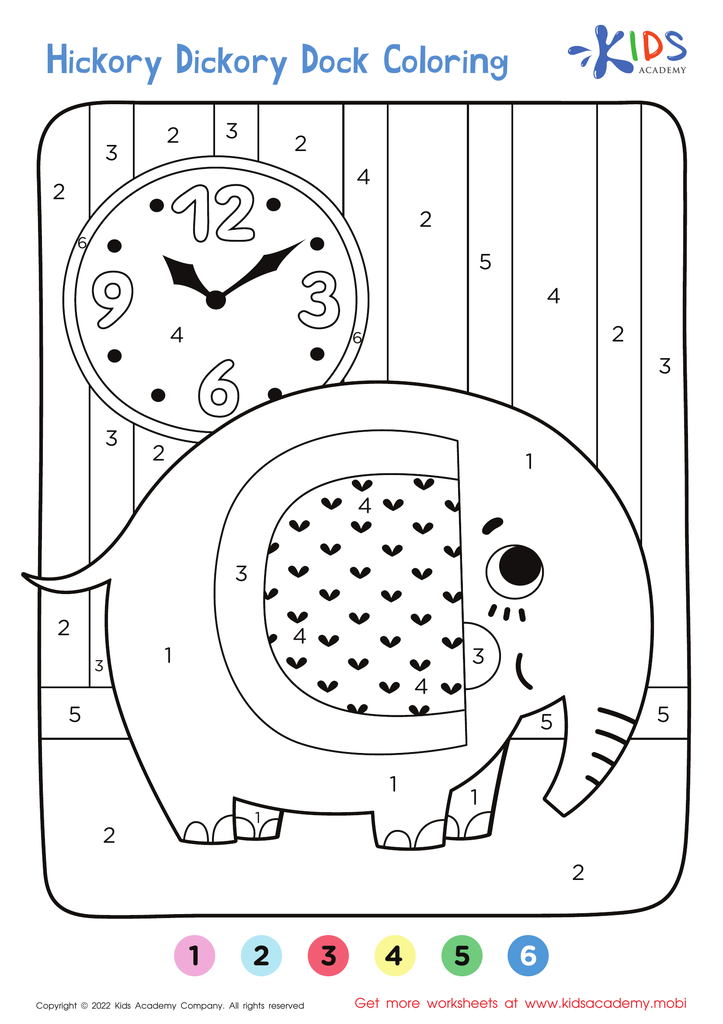
Hickory Dickory Dock – Coloring by Numbers








Color identification songs can play a valuable role in the development of children ages 4-6, making it essential for parents and teachers to incorporate them into early education. At this critical stage of development, young minds are particularly receptive to new information, and songs provide a multisensory learning experience that can enhance memory and retention.
These songs combine auditory (hearing the lyrics and melody), visual (seeing the colors via associated images), and kinesthetic (actions or movements tied to the songs) learning modalities, catering to different learning styles and making the information more accessible. The rhythmic and repetitive nature of songs also helps reinforce color recognition while making the learning experience enjoyable and engaging, thereby motivating children to participate.
Additionally, early identification of colors through engaging methods like songs supports cognitive development and can serve as a foundational skill for further educational concepts. For instance, knowing colors is a pre-requisite for understanding more complex tasks in pre-math and pre-reading activities, such as sorting, categorizing, and pattern recognition.
By integrating color identification songs into daily routines, parents and teachers help build a robust framework for future learning while also supporting social bonding through shared activities. These positive interactions can foster collaboration and communication skills, providing a comprehensive developmental boost for young children.








