Number Recognition Songs Worksheets for Ages 4-6
6 filtered results
-
From - To
Welcome to our Number Recognition Songs Worksheets for ages 4-6! Our engaging worksheets are specially designed to help young learners develop essential number recognition skills through the power of music. Kids will enjoy singing along to catchy tunes while practicing identifying numbers, counting, and associations with quantities. Each worksheet features fun activities that reinforce learning, including coloring, tracing, and matching games. Ideal for home or classroom use, these resources aim to make learning numbers enjoyable and effective. Boost your child's confidence and number skills today with our delightful collection of songs and worksheets tailored for little learners!
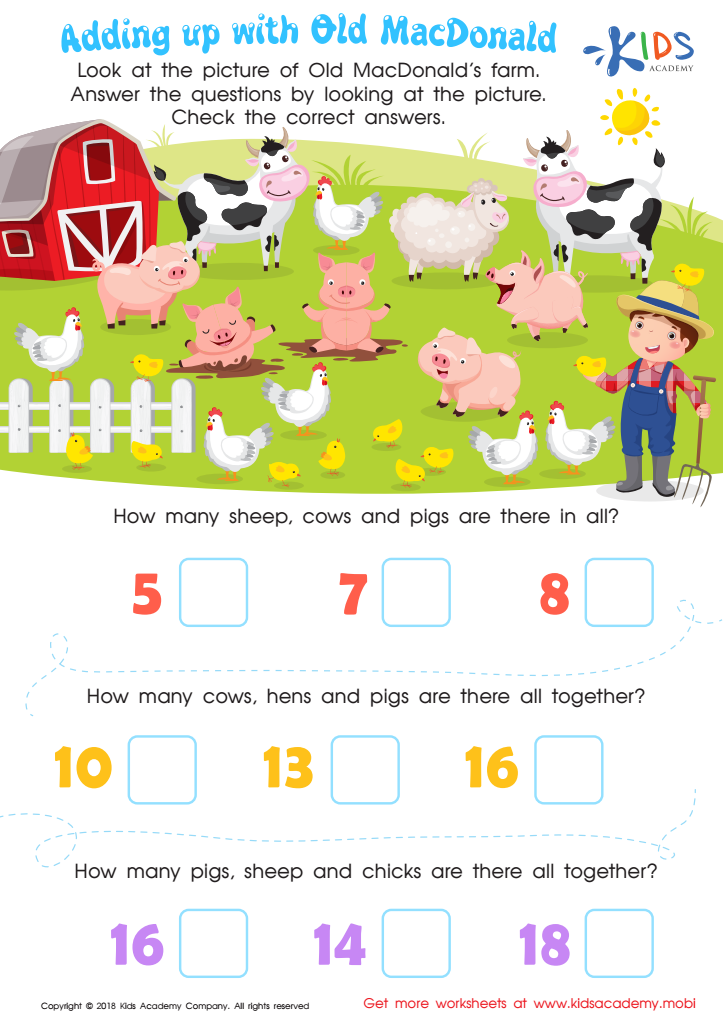
Adding Up with Old MacDonald Worksheet
 Assign to My Students
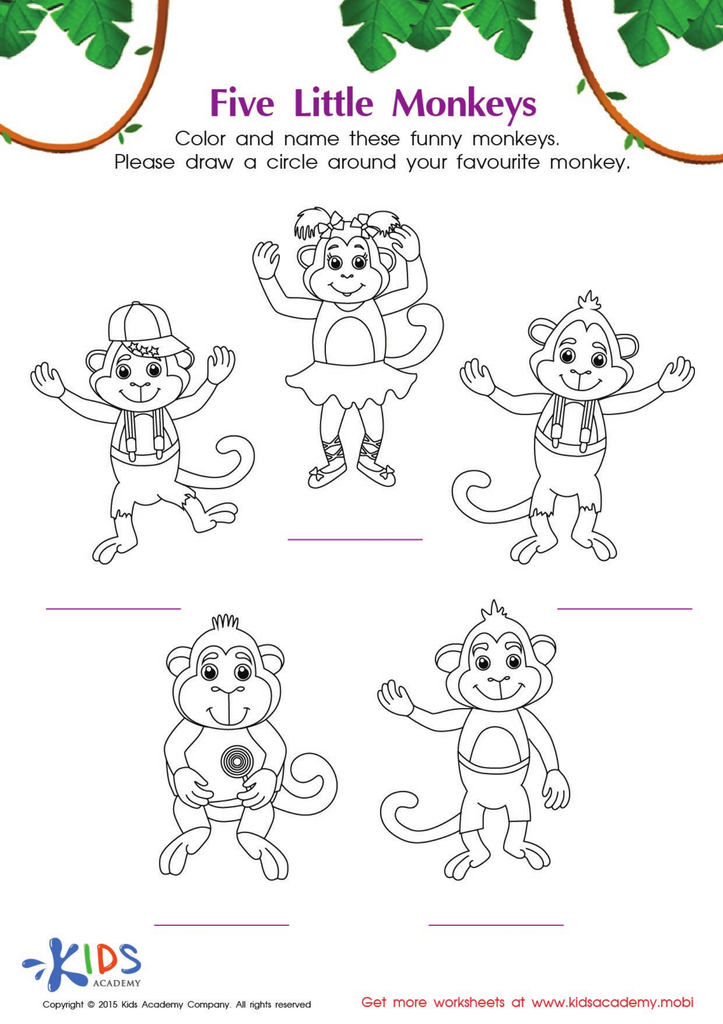
The Five Little Monkeys Coloring Worksheet
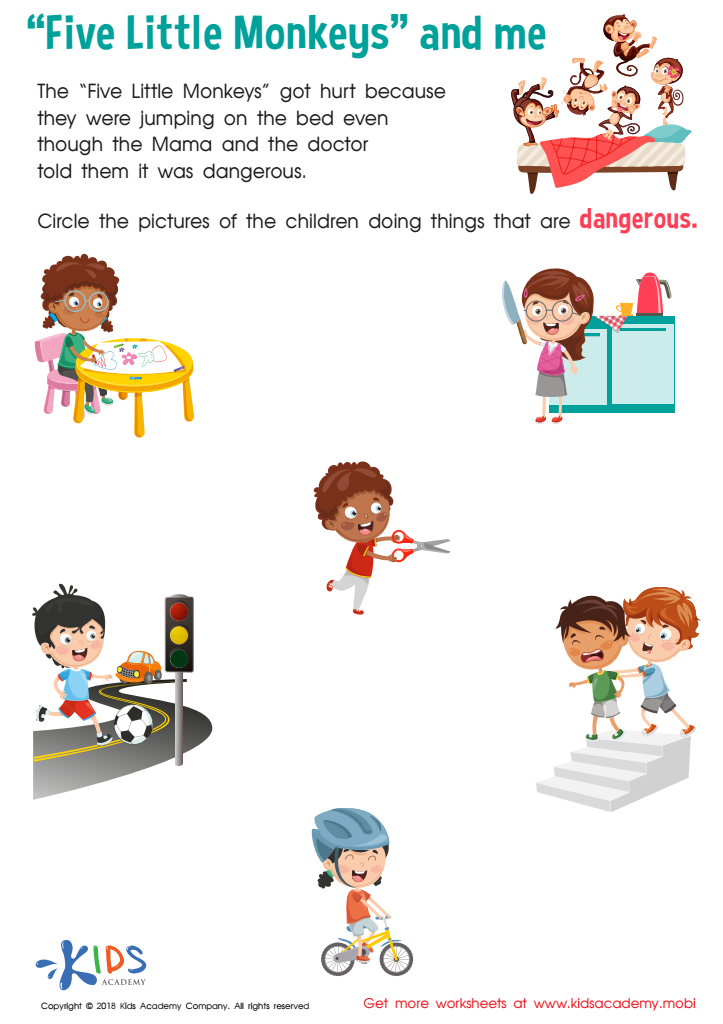
Five Little Monkeys and Me Worksheet
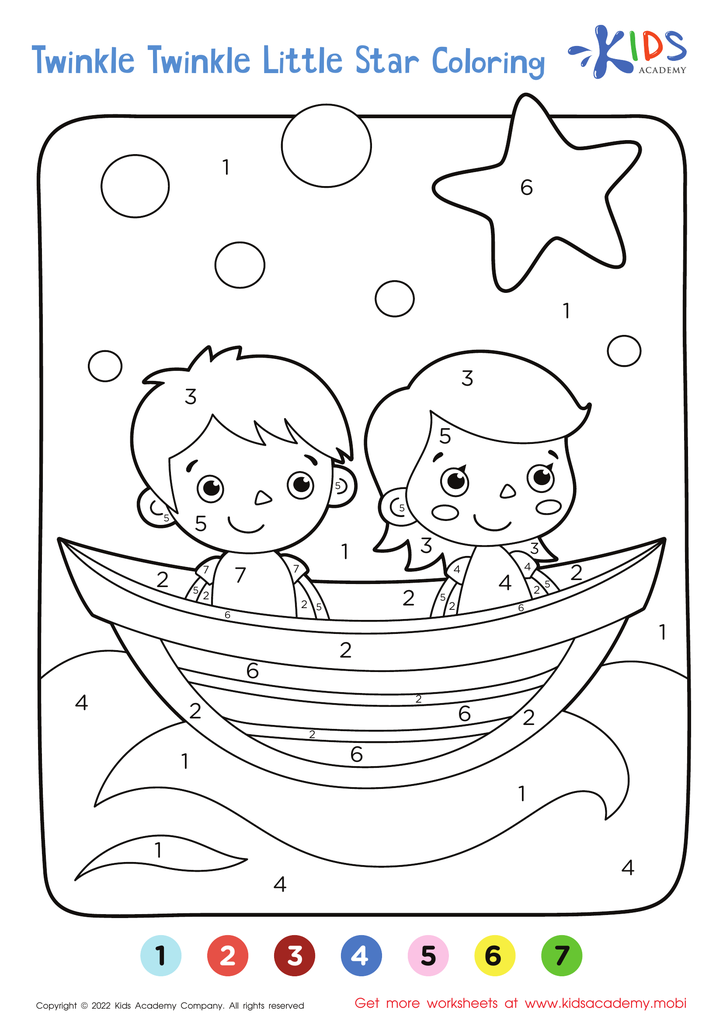
Twinkle, Twinkle, Little Star – Coloring by Numbers
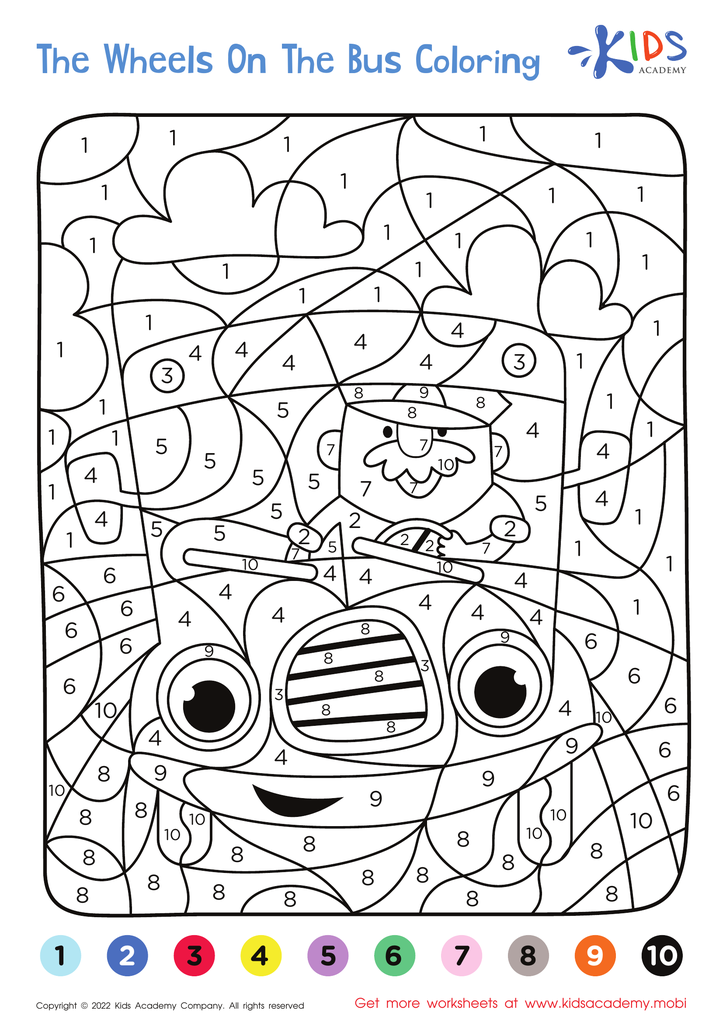
Wheels on the Bus – Coloring by Numbers
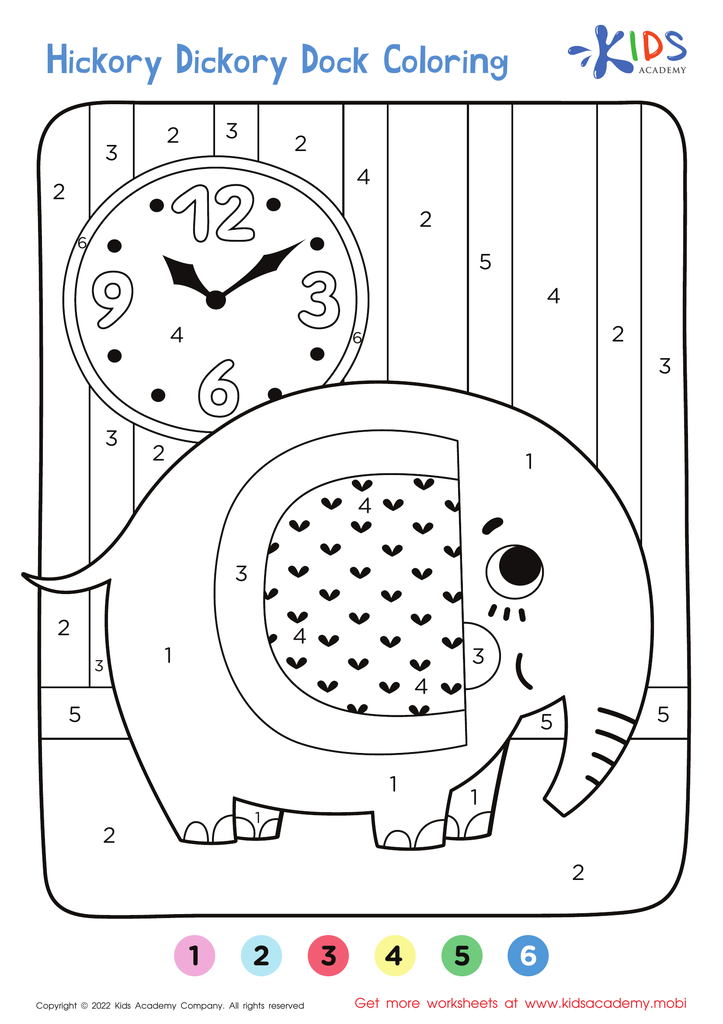
Hickory Dickory Dock – Coloring by Numbers






Number recognition songs are a valuable tool for parents and teachers of children aged 4-6, as they provide an engaging way to introduce and reinforce fundamental math concepts. At this developmental stage, children are naturally curious and eager to learn through play and music. Songs that incorporate numbers help to create a fun atmosphere, making learning less daunting and more memorable.
These songs often utilize catchy rhythms, repetitive patterns, and engaging visuals, which cater to young listeners’ attention spans while promoting auditory learning. When children sing along, they not only learn to recognize numbers but also enhance their language skills, improve their memory, and develop a sense of rhythm and timing.
Moreover, incorporating music into learning supports different learning styles, accommodating visual, auditory, and kinesthetic learners alike. The interactive nature of these songs encourages children to participate actively, promoting social skills and fostering a sense of community whether at home or in the classroom.
Ultimately, nurturing number recognition in early childhood is crucial for laying the groundwork for future math skills, enabling children to approach numbers with confidence, curiosity, and enthusiasm. By prioritizing number recognition songs, parents and teachers can significantly enrich young children's educational experiences.








