Vocabulary Building Geography Worksheets for Ages 4-6
3 filtered results
-
From - To
Explore our engaging Vocabulary Building Geography Worksheets designed specifically for young learners ages 4-6! These worksheets provide a fun and interactive way for children to enhance their vocabulary while learning about the world around them. Through colorful illustrations and age-appropriate activities, children will discover key geographical terms and concepts. Our resources support early literacy development and social studies skills, ensuring a well-rounded educational experience. With a focus on teamwork and exploration, these worksheets encourage children to express their understanding of geography. Dive into a world of creativity and knowledge while helping your little ones build a strong vocabulary foundation today!
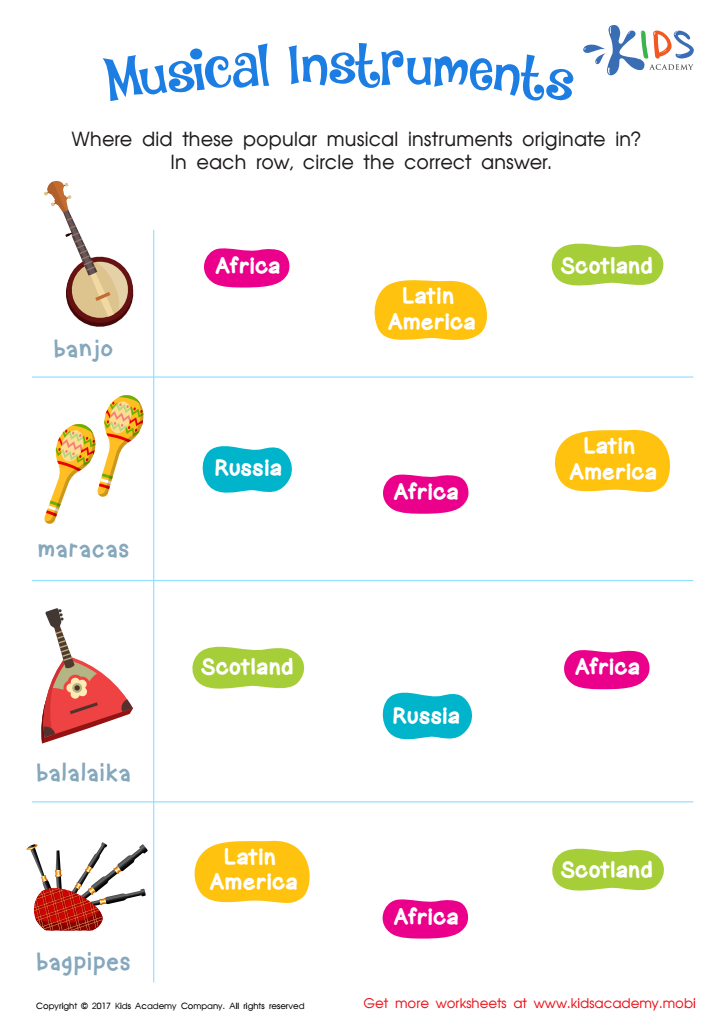
Musical Instruments Printable
 Assign to My Students
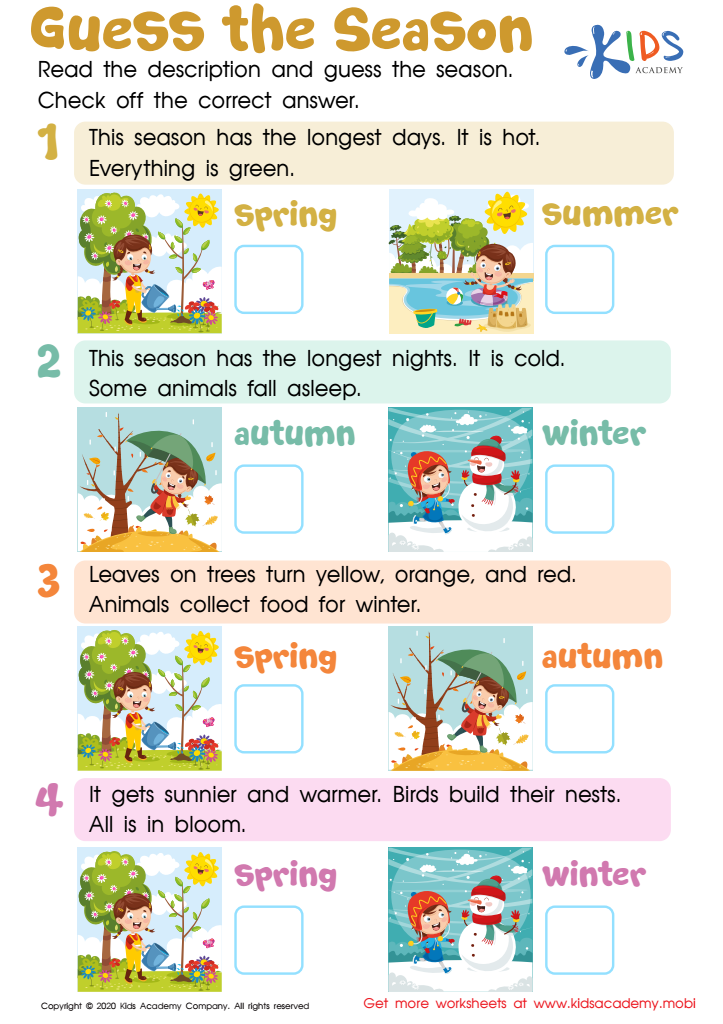
Guess the Season Worksheet
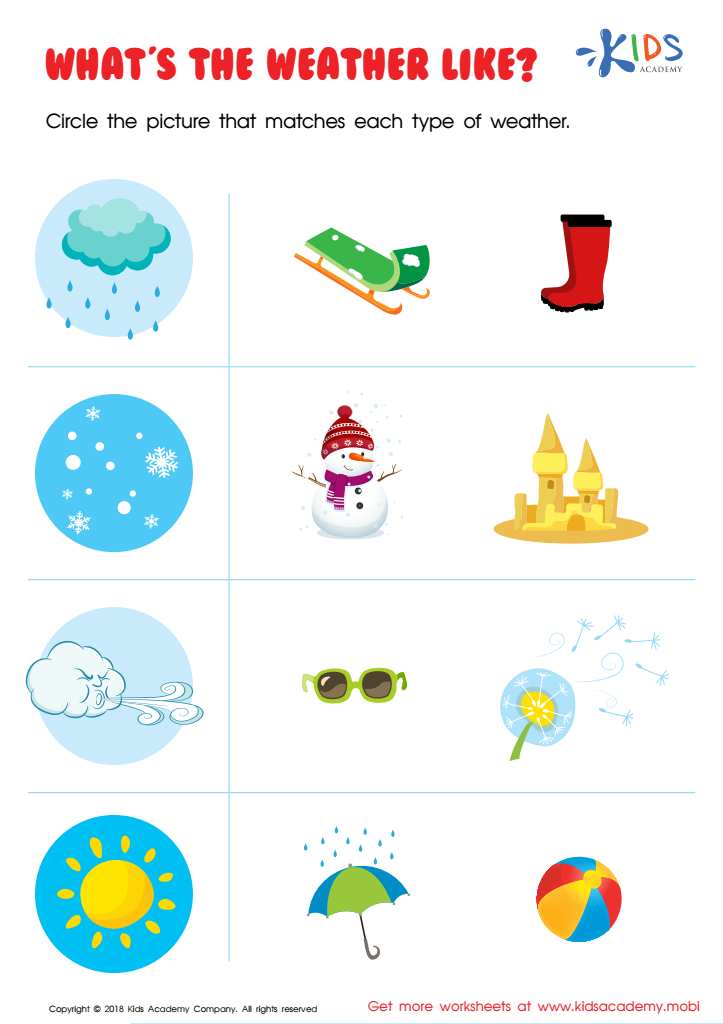
What's the Weather Like? Worksheet



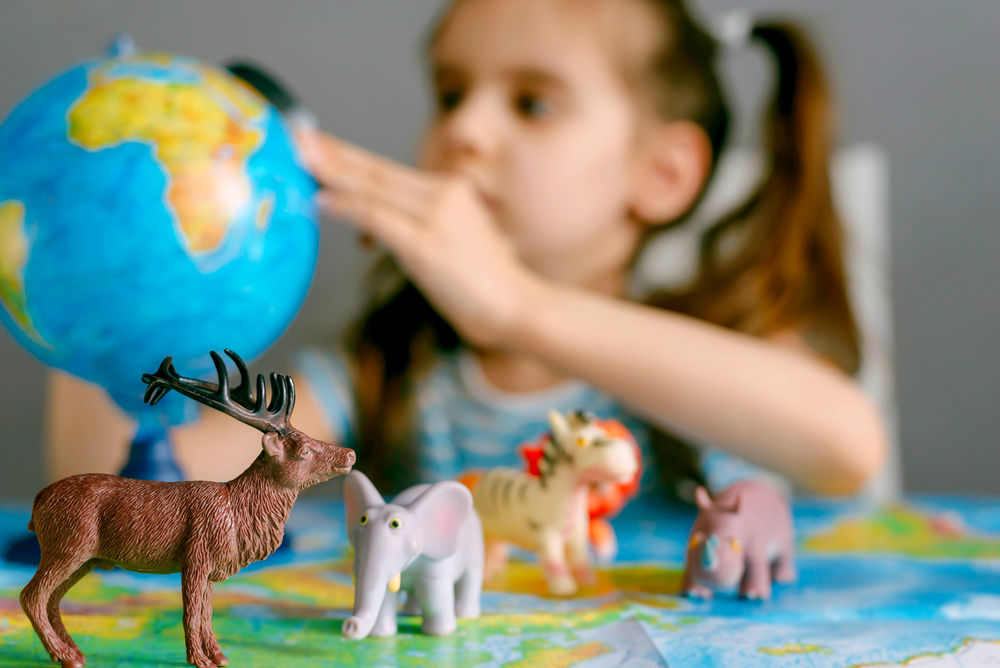



Vocabulary building in geography for children aged 4-6 is crucial for several reasons. First, early exposure to geographical terms enriches their language development, helping them communicate effectively. Children begin to understand their world better as they acquire new words related to places, landscapes, and communities.
Second, geographical vocabulary fosters critical thinking. When children learn terms like "continent," "ocean," or "ecosystem," they begin to grasp complex concepts about how the world functions and the relationships between different environments. This foundational knowledge encourages curiosity about their surroundings and instills a sense of wonder.
Moreover, vocabulary skills enhance reading comprehension. Early learners who are familiar with geographical terms find it easier to engage with stories or information about various places, cultures, and natural features. They are better equipped to link what they read with real-world understanding, making their education more meaningful.
Finally, building vocabulary in geography supports social awareness. It helps children understand diverse cultures and fosters respect for differences. By learning about the world around them, parents and teachers equip young learners with the language skills necessary to ask questions and engage in conversations that promote inclusivity and global citizenship, laying the groundwork for a well-rounded education.