Visual recognition Social Studies Worksheets for Ages 4-6
5 filtered results
-
From - To
Discover engaging Visual Recognition Social Studies Worksheets designed for children ages 4-6 at Kids Academy. Our vibrant, interactive worksheets promote early learning skills through the identification of shapes, symbols, and patterns. Children will explore community helpers, family roles, and cultural celebrations, fostering foundational understanding in social studies. These visually stimulating activities are perfect for developing keen observation skills, critical thinking, and early literacy. Ideal for both home and classroom settings, our worksheets provide a fun, educational experience that inspires a genuine interest in the world around them. Foster curiosity and learning with our expertly crafted resources today!
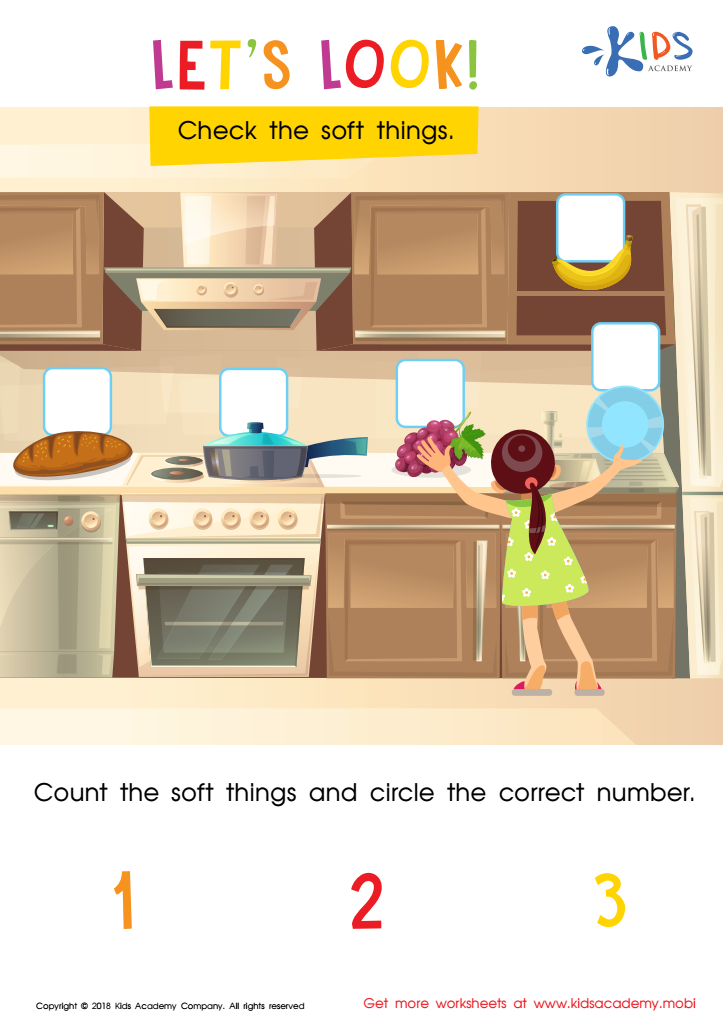
Let's Look! Assessment Worksheet
 Assign to My Students
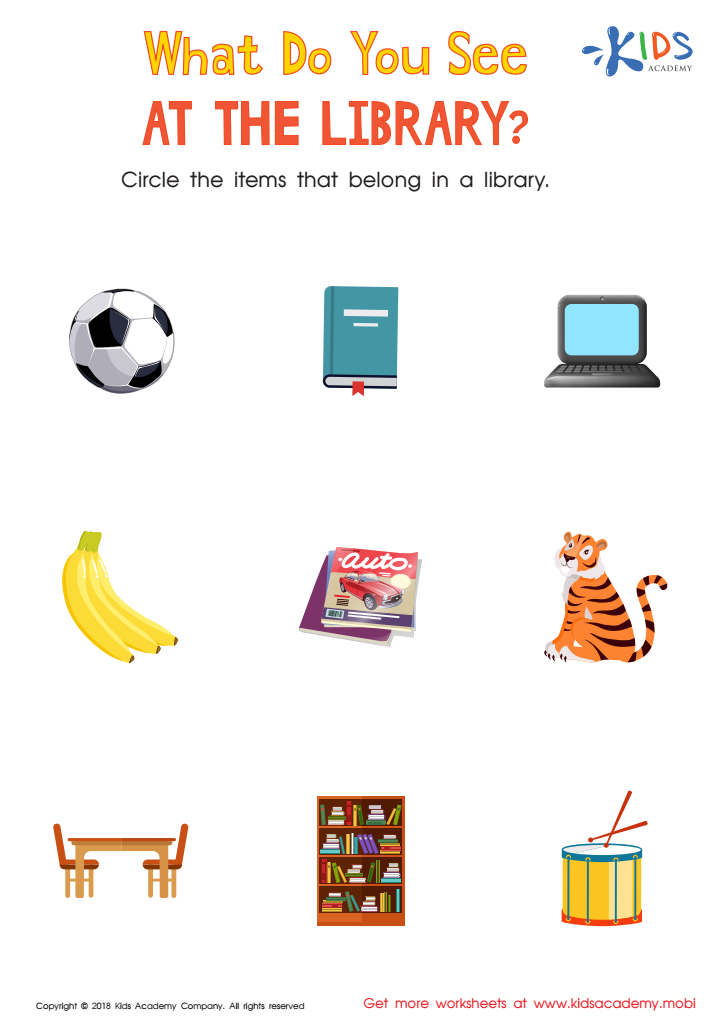
What Do you See at the Library? Worksheet
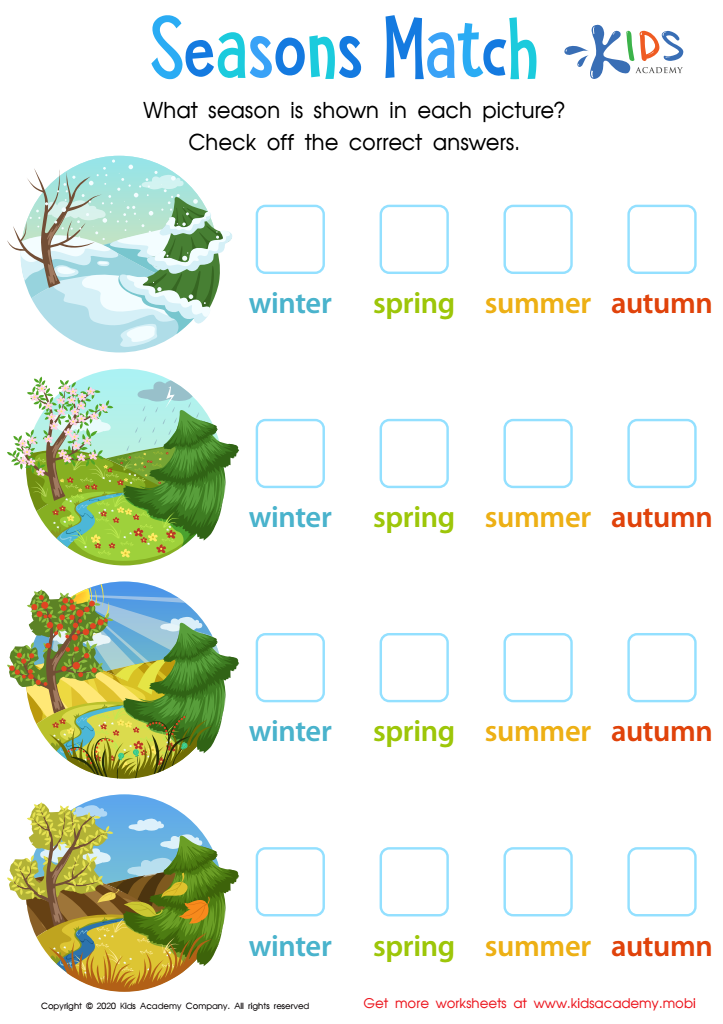
Seasons Match Worksheet
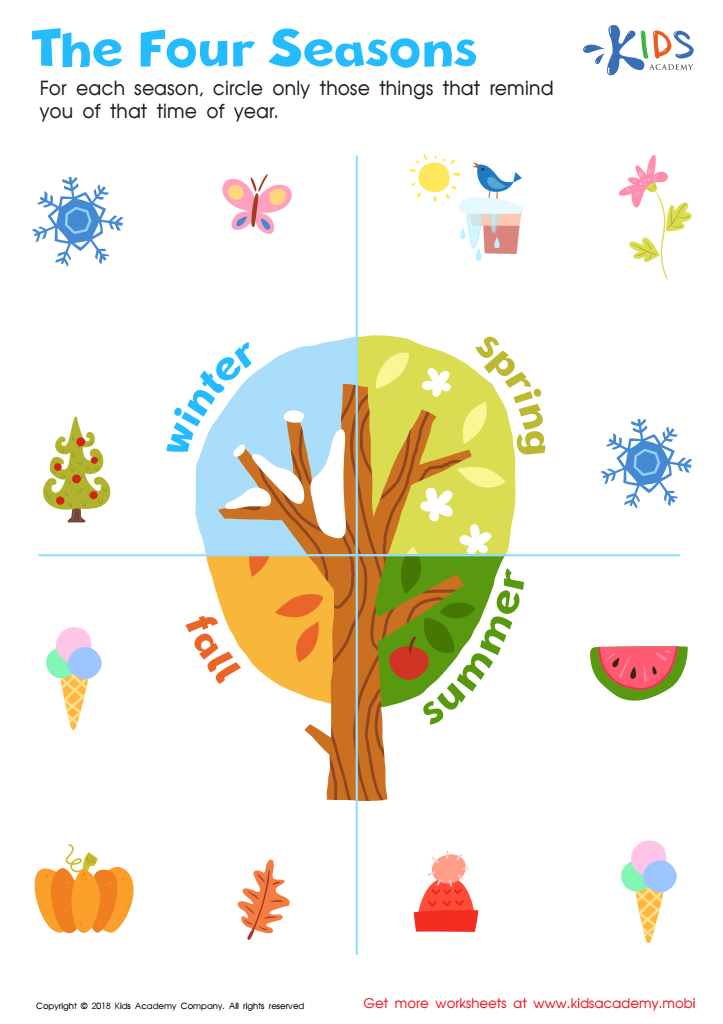
The Four Seasons Worksheet
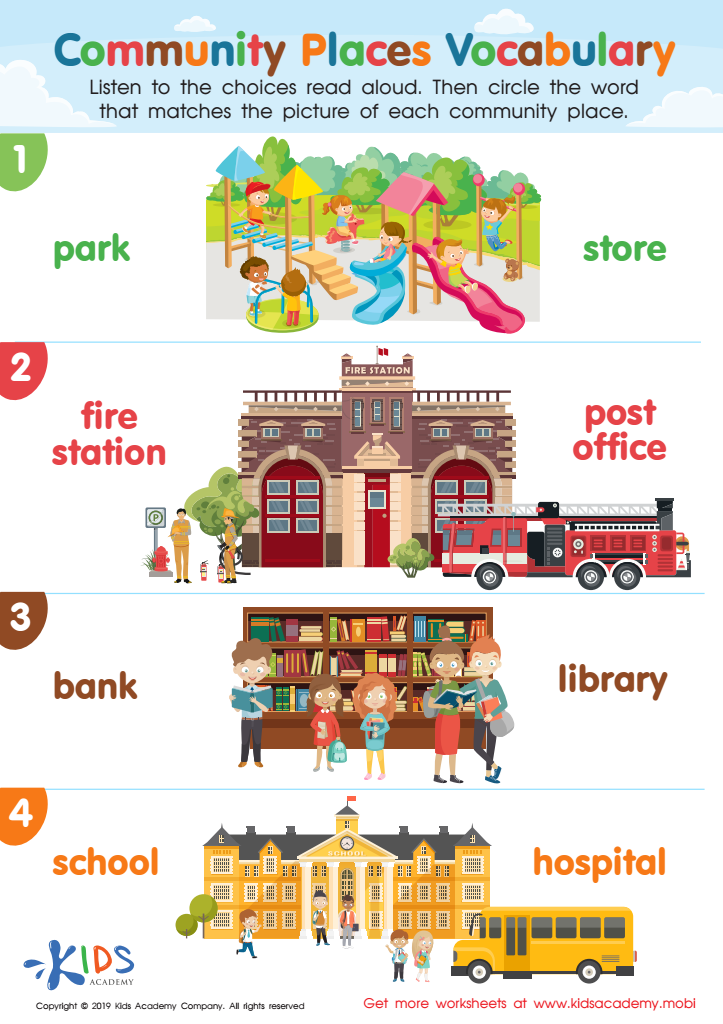
Community Places Vocabulary Worksheet








Visual recognition in Social Studies for young children aged 4-6 is critically important as it lays the groundwork for more comprehensive learning and cognitive development while fostering societal awareness. At this tender age, children learn best through images, symbols, and hands-on experiences. Visual aids like pictures of landmarks, cultural artifacts, maps, or simple charts help them grasp abstract concepts and relate these to their own lives and environments.
When teaching Social Studies using visual recognition, children improve their observation skills, pattern recognition, and memory retention. They begin to identify and differentiate between community roles, cultural backgrounds, and historical events. This early familiarity helps to nurture empathy, diversity appreciation, and curiosity about the world around them.
Additionally, visuals can bridge language barriers and support diverse learners by providing a common understanding platform. For non-verbal or less-verbose children, pictures and visual storytelling can communicate ideas effectively, ensuring inclusivity in learning.
Parents and teachers focusing on visual recognition not only bolster academic readiness but also contribute to the holistic development of socio-emotional skills. Recognizing and understanding visual cues enhance children’s ability to interact constructively with peers from various backgrounds, creating a harmonious and inclusive social environment from a young age.








