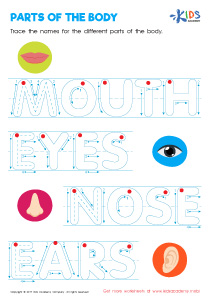
Counting practice World Around Us Worksheets for Ages 4-6
3 filtered results
-
From - To
Discover engaging Counting Practice Worksheets designed for children ages 4-6, inspired by the fascinating world around us! These interactive activities nurture early math skills while encouraging curiosity about nature and everyday life. Your little learners will enjoy counting objects in various thematic contexts, from animals to plants, helping them connect numbers with real-life discoveries. Our worksheets support numeral recognition, one-to-one correspondence, and develop critical thinking. Perfect for home or classroom use, they offer a fun and educational way to reinforce essential math concepts. Get ready to inspire your child's love for numbers and the wonders of their environment with our creative counting resources!
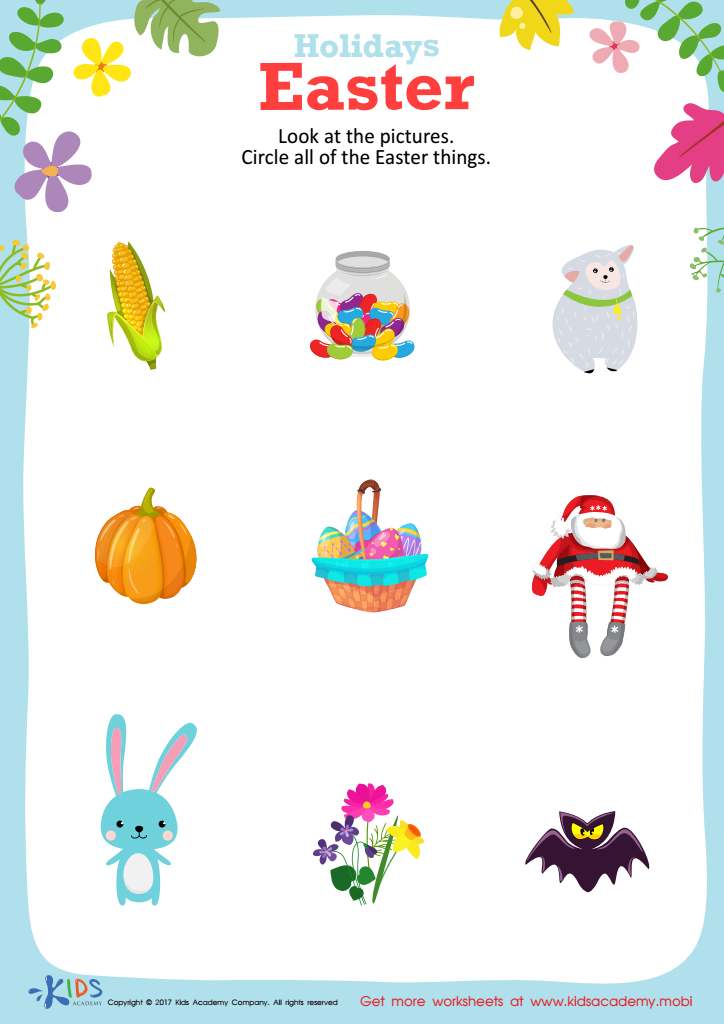
Easter Holiday Printable
 Assign to My Students
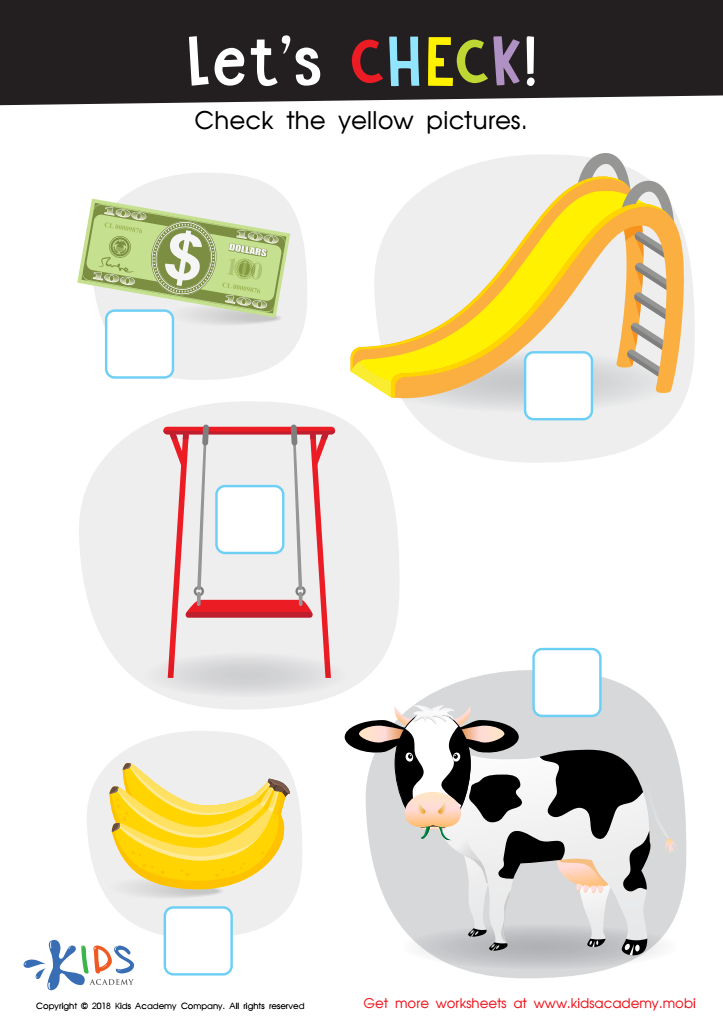
Let's Check! Worksheet





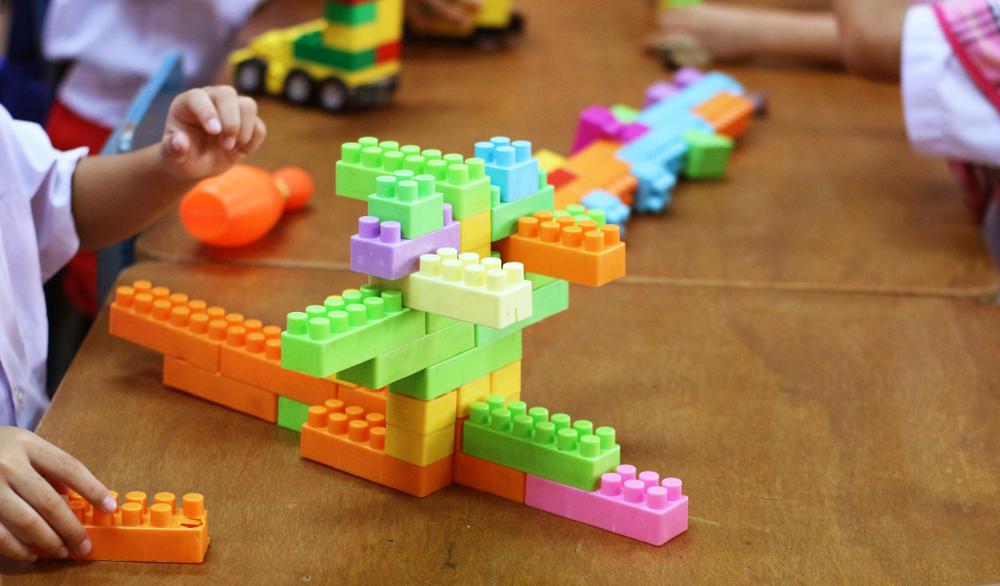


Counting practice in the "World Around Us" for children aged 4-6 is crucial for several reasons. Firstly, it helps build foundational math skills, which are essential for everyday problem-solving and decision-making. At this age, children are naturally curious and eager to explore, making it an ideal period to introduce counting in a meaningful context that connects with their experiences, such as counting leaves, toys, or animals.
Secondly, engaging with counting through everyday interactions fosters critical thinking and cognitive development. By incorporating counting into activities like shopping or cooking, children learn to apply math in real-life scenarios, reinforcing their understanding and making learning enjoyable.
Additionally, counting helps in developing language skills. As children count objects, they enhance their vocabulary by associating numbers with quantities, which promotes both numeracy and literacy skills.
Moreover, this practice fosters social skills. Whether they're counting together in a group or participating in games that involve numbers, children learn to collaborate and communicate effectively with peers.
Ultimately, the integration of counting practice within the context of the world around them not only strengthens mathematical foundations but also promotes a holistic approach to learning, preparing children for future academic success and fostering a lifelong love for knowledge.