Counting skills World Around Us Worksheets for Ages 4-6
5 filtered results
-
From - To
Explore our engaging "Counting Skills World Around Us Worksheets" designed for ages 4-6! These exciting printable resources help young learners develop their counting abilities in a fun and interactive manner. Through vibrant illustrations and relatable themes from the world around us, children will practice number identification, counting objects, and understanding quantities. Each worksheet encourages hands-on activities that make learning enjoyable, promoting both cognitive skills and a love for numbers. Perfect for parents and educators, our worksheets foster essential math skills while sparking curiosity about the environment. Dive into a world of counting adventures today and watch your child's confidence soar!
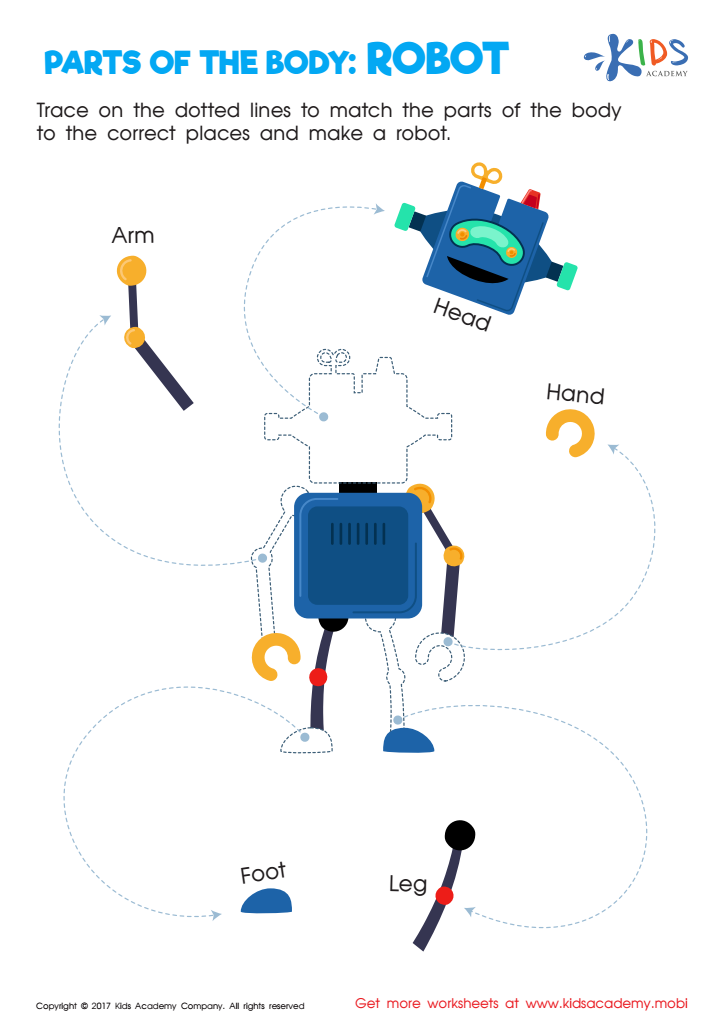
Robot Printable
 Assign to My Students

African Wildlife: Giraffe Worksheet
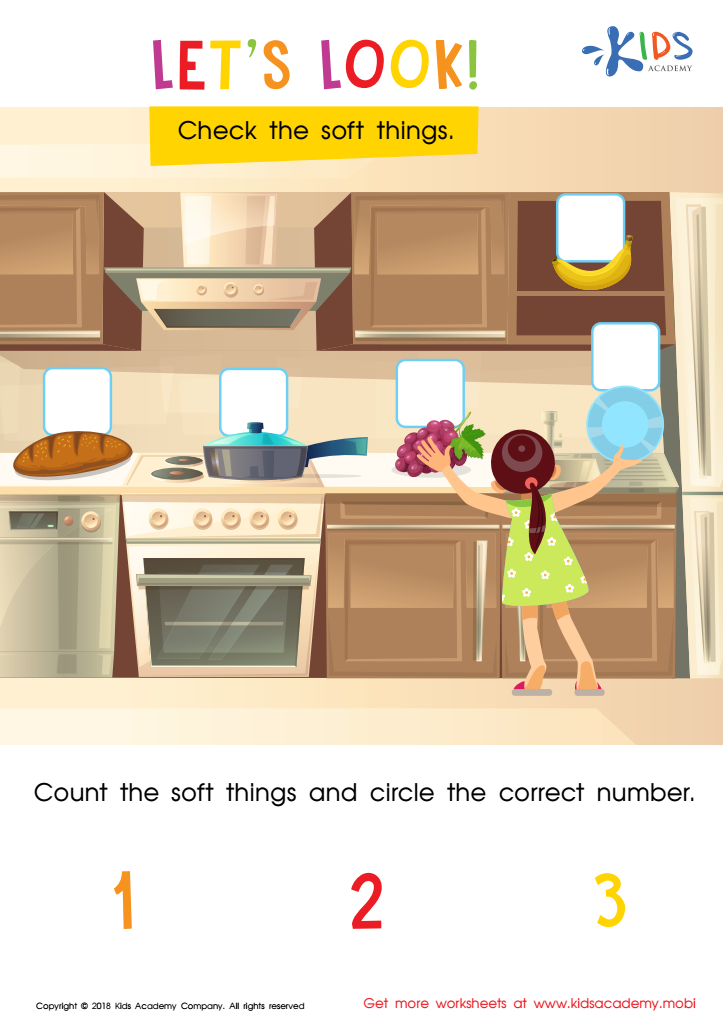
Let's Look! Assessment Worksheet
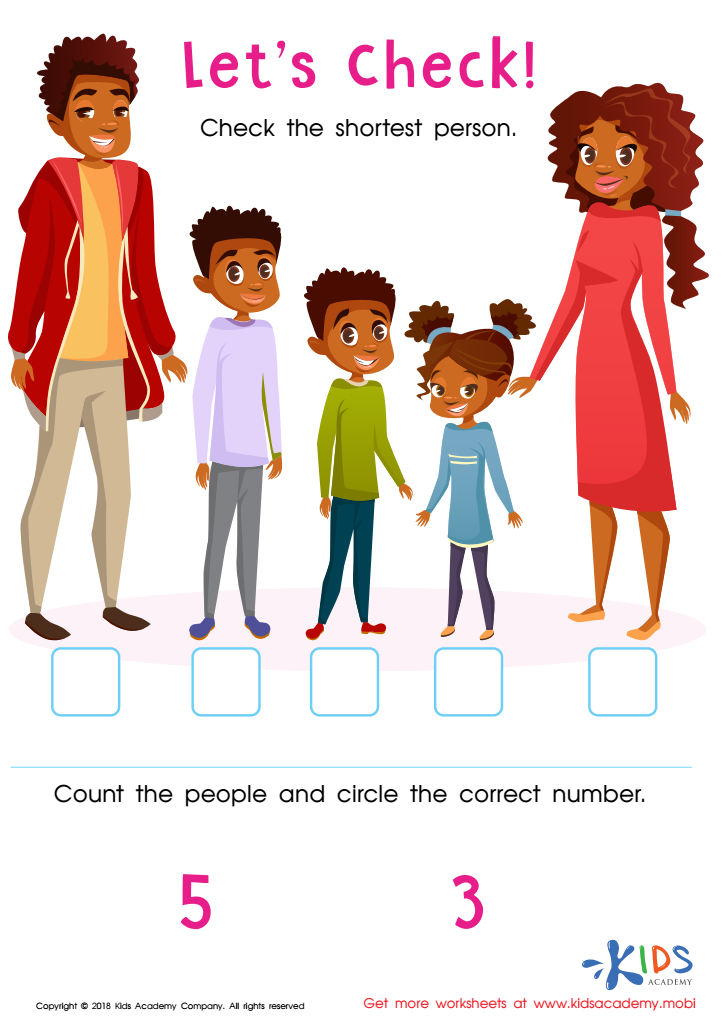
Let's Check! Assessment Worksheet
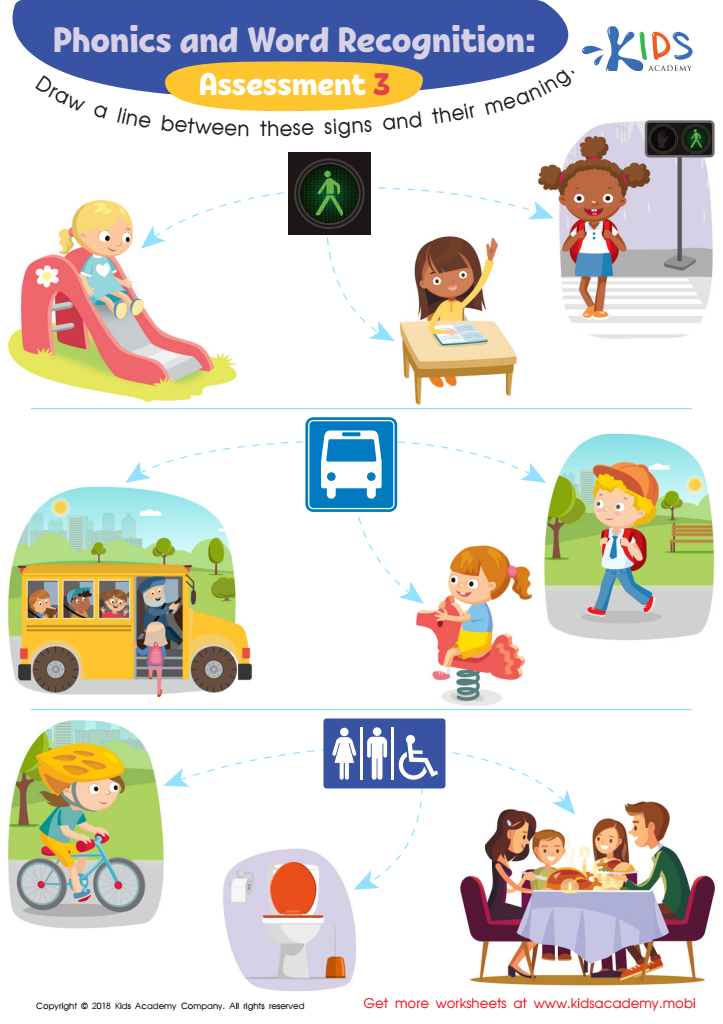
Phonological Awareness: Assessment 3 ELA Worksheet






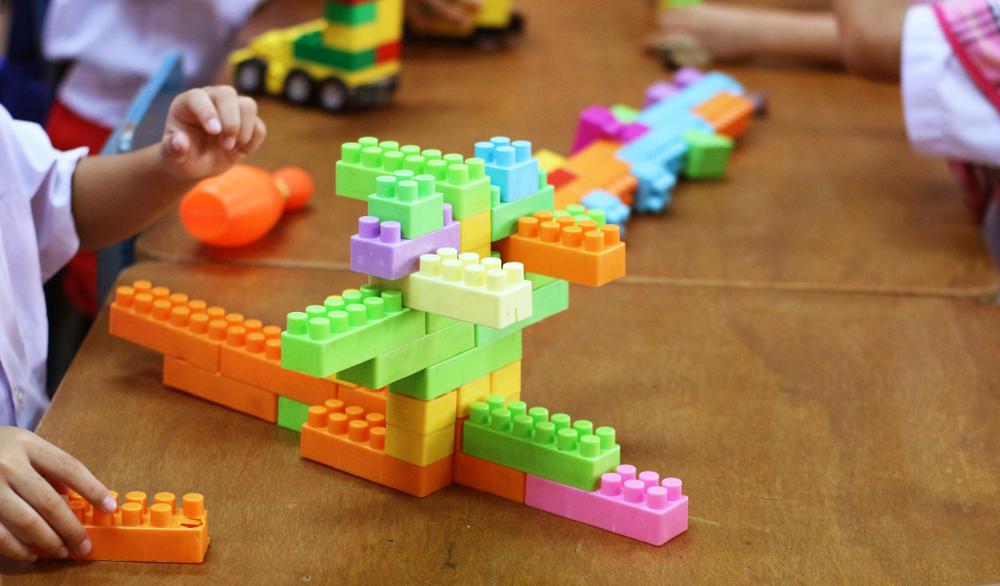

Counting skills are fundamental for children aged 4-6, forming the backbone of early mathematical understanding and cognitive development. These skills lay the groundwork for concepts that will be built upon in later years, influencing not only academic success but also everyday life.
First, counting helps children develop numerical fluency. It fosters their ability to recognize patterns, make comparisons, and understand quantities, which are critical for solving real-world problems. As children count objects in their environment—a common practice when exploring the world around them—they begin to connect numbers with tangible experiences.
Additionally, counting promotes social skills, as collaborative counting activities encourage communication and teamwork. Children learn the concept of sharing and taking turns, boosting their emotional intelligence.
Moreover, teachers and parents nurture curiosity through counting-related play and exploration. This active engagement makes learning enjoyable and helps cultivate a lifelong love for mathematics.
In summary, by prioritizing counting skills for young children, parents and teachers not only equip them with the tools they need for academic achievement but also help them navigate their social worlds and develop problem-solving abilities that will benefit them throughout life. Fostering these skills is a crucial investment in a child’s holistic development.