Sentence construction Writing Worksheets for Ages 4-6
9 filtered results
-
From - To
Welcome to our engaging "Sentence Construction Writing Worksheets" designed specifically for ages 4-6! These worksheets provide a fun and interactive way for young learners to enhance their writing skills. Through a variety of exercises, children will practice forming complete sentences, improving their understanding of structure and grammar. Our carefully crafted activities encourage creativity and expression, helping kids to articulate their thoughts effectively. Perfect for both classroom and home use, these worksheets foster a love for writing at an early age. Start your child’s writing journey today with our vibrant and easy-to-use resources, perfect for developing essential language skills in the little ones!
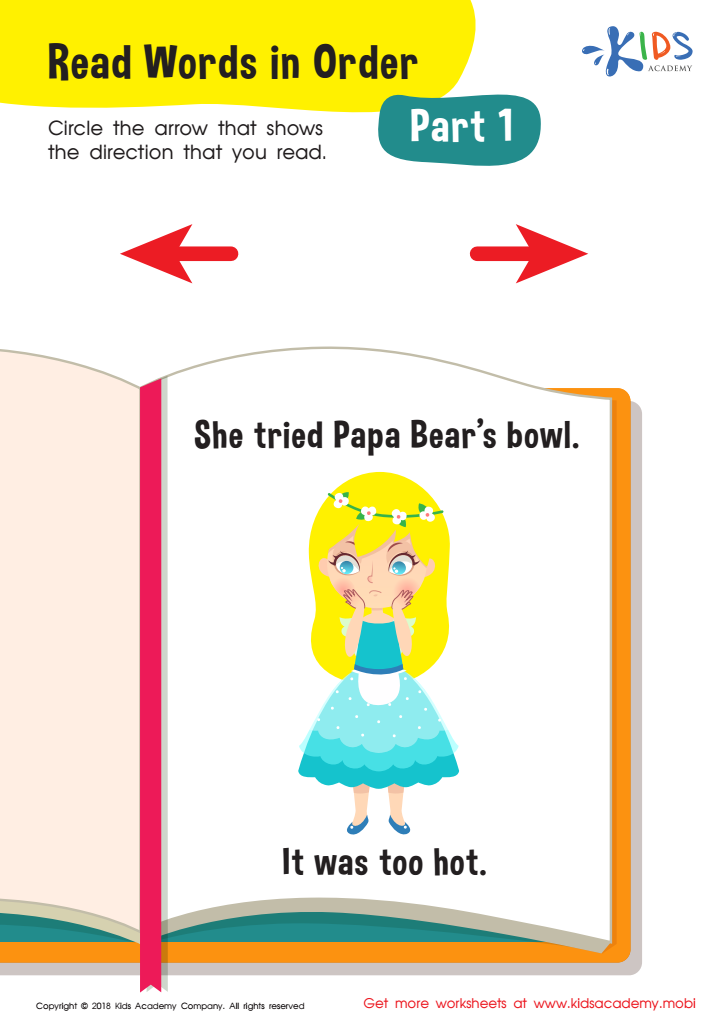
Read Words Order Part 1 Worksheet
 Assign to My Students
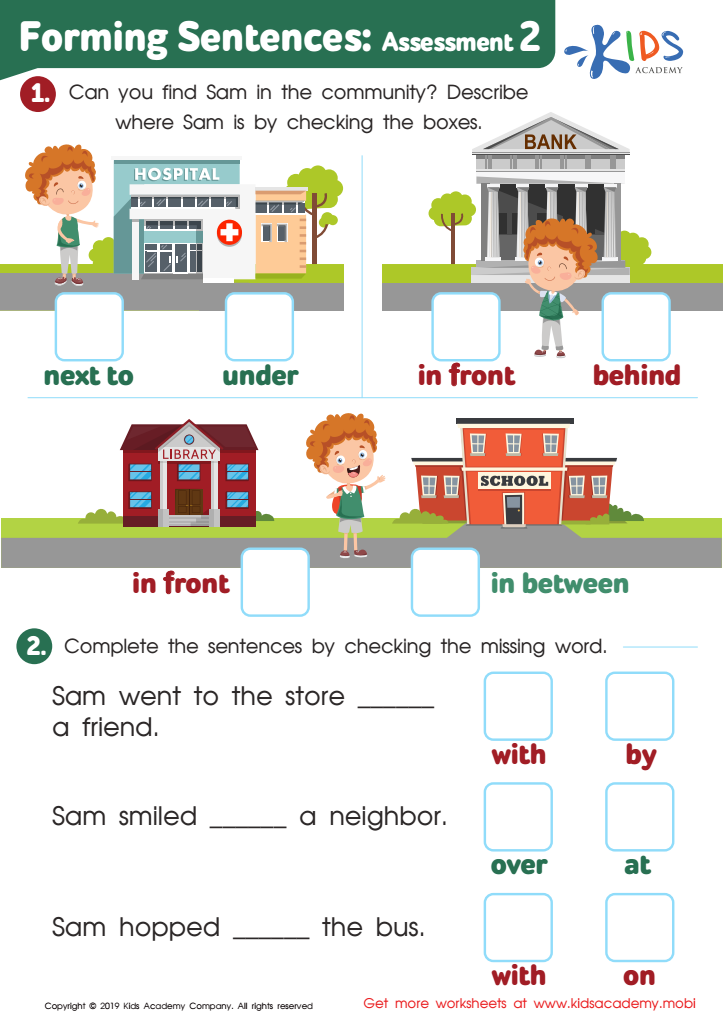
Forming Sentences: Assessment 2 Worksheet
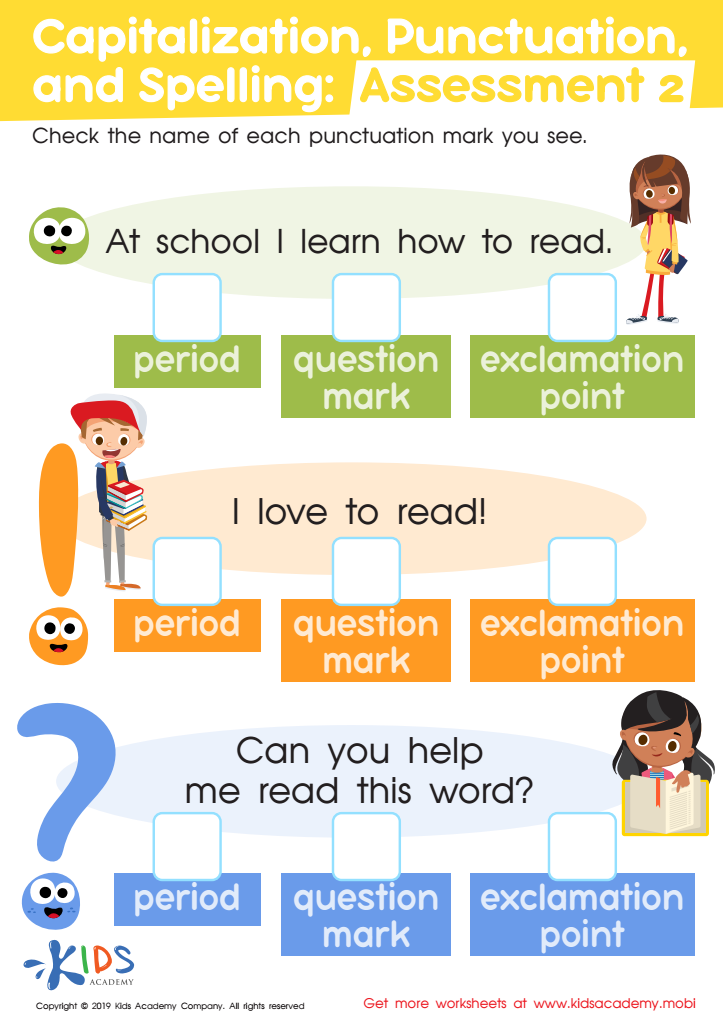
Capitalization. Punctuation. Spelling: Assessment 2 Worksheet
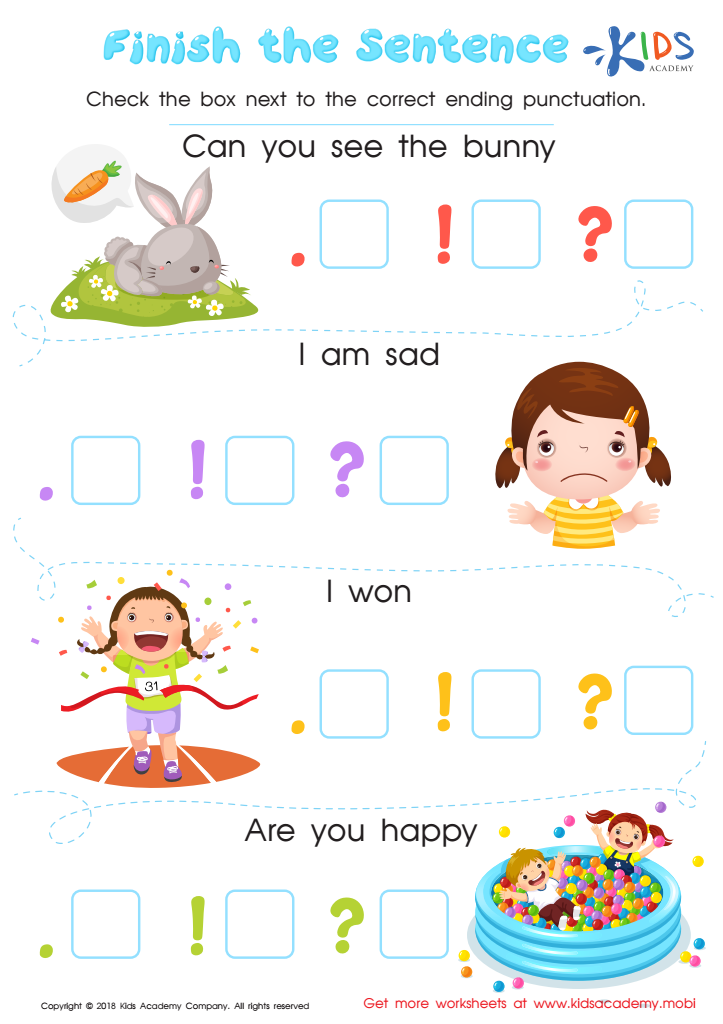
Finish the Sentence Worksheet
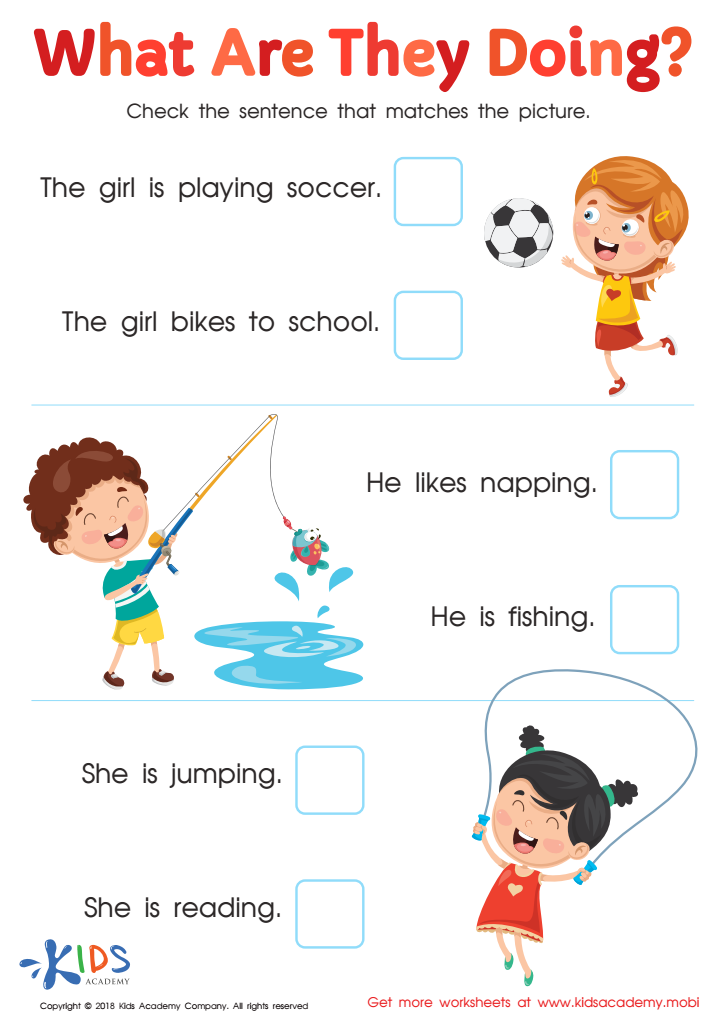
What Are They Doing? Worksheet
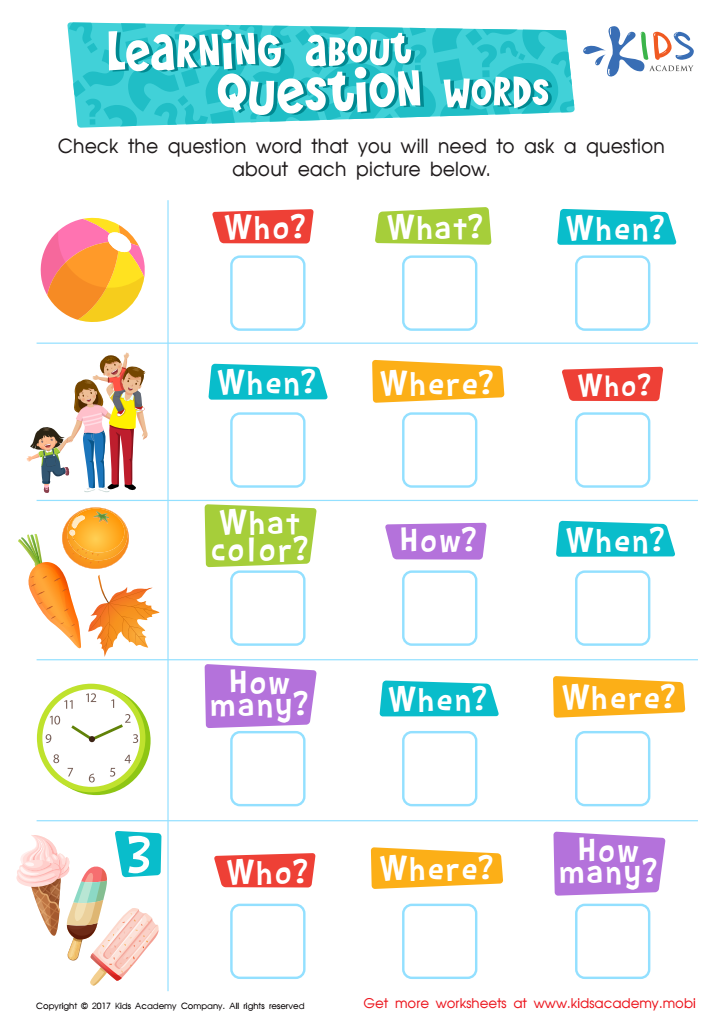
Learning about Question Words Worksheet
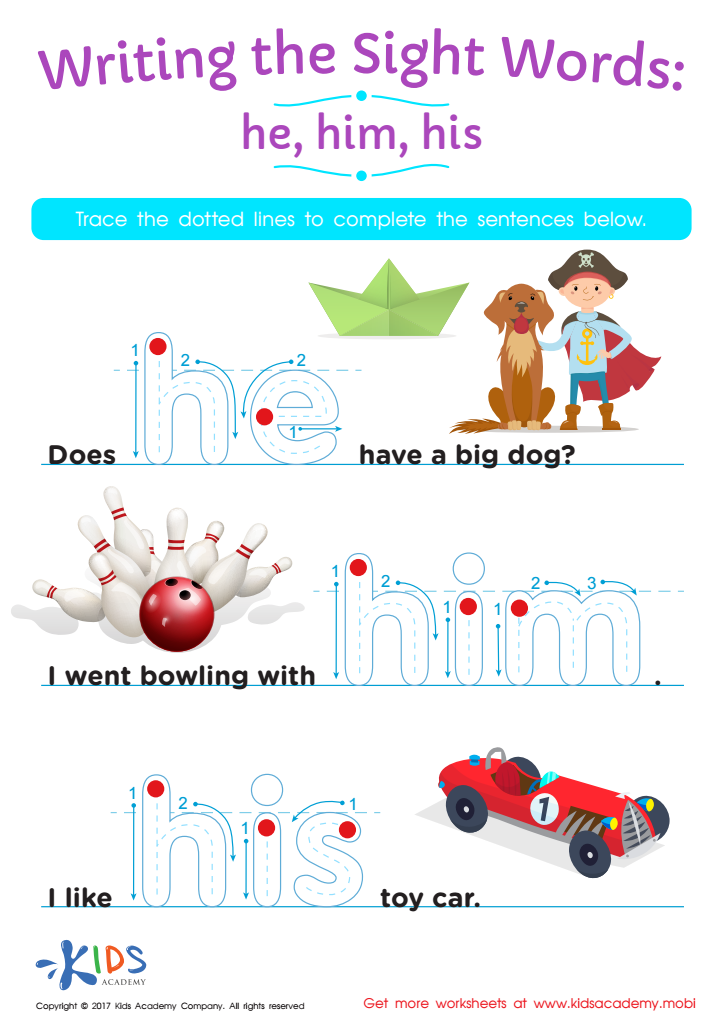
He, Him, His Printable Sight Words Worksheet
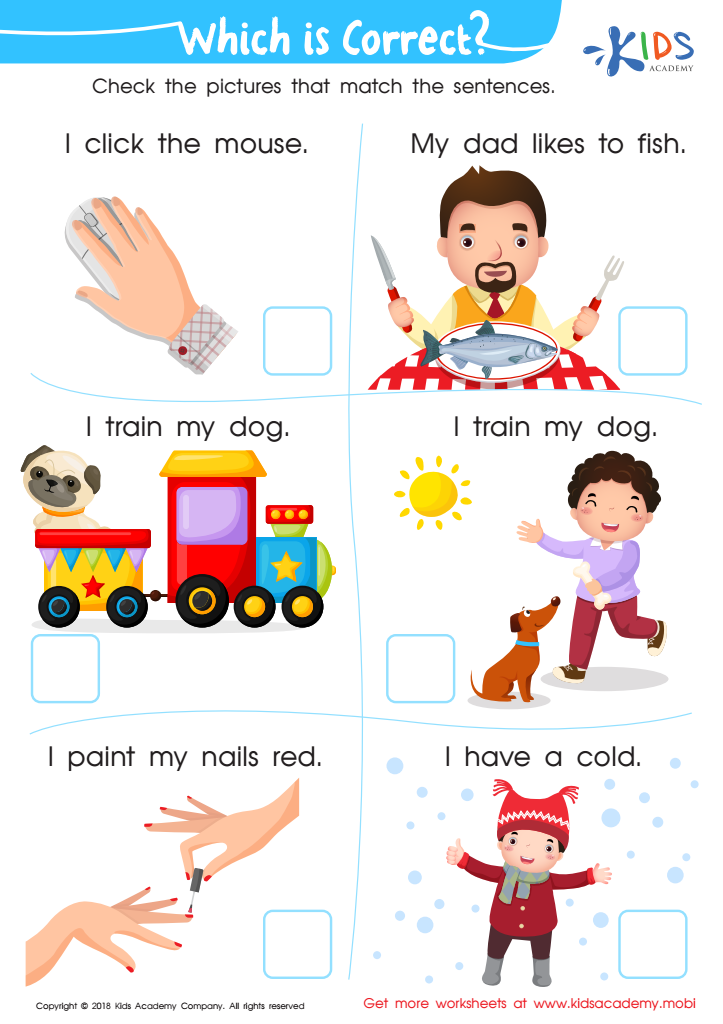
Which Is Correct? Worksheet
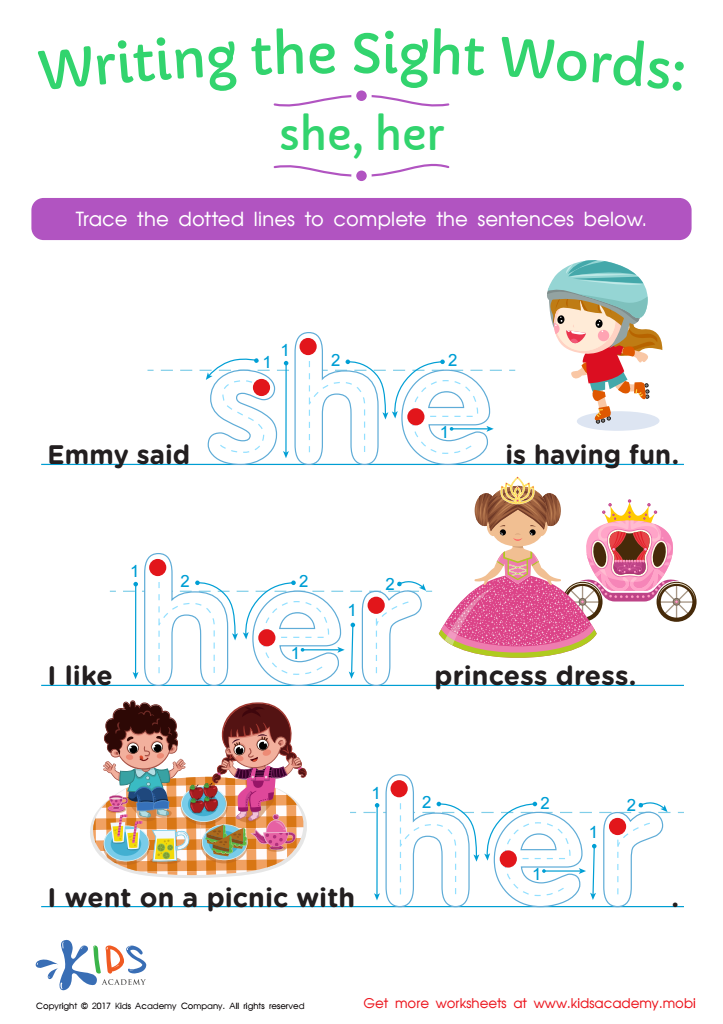
She, Her Printable Sight Words Worksheet




.jpg)

Sentence construction is a foundational skill in early literacy development, particularly for children ages 4-6. During these formative years, children are mastering language, and effective sentence construction directly enhances their communication abilities. When parents or teachers focus on this skill, they actively contribute to a child's cognitive growth, as constructing sentences requires a blend of language skills and critical thinking.
At this age, children begin to express their thoughts, feelings, and ideas more clearly. By teaching them to form simple, coherent sentences, we empower them to share their voices with confidence. This not only fosters self-expression but also promotes social skills as they engage with peers and adults more effectively.
Moreover, sentence construction lays the groundwork for more complex language skills, such as reading and writing. A solid understanding of grammar and structure will aid in their later academic success. Teachers and parents can encourage sentence construction through playful activities like storytelling, rhyming games, and interactive reading, making learning enjoyable.
Ultimately, promoting sentence construction at this stage cultivates not only language proficiency but also boosts enthusiasm for learning, making it essential for both parents and teachers to prioritize this critical aspect of early education.








