Vocabulary enhancement Writing Worksheets for Ages 4-6 - Page 2
41 filtered results
-
From - To
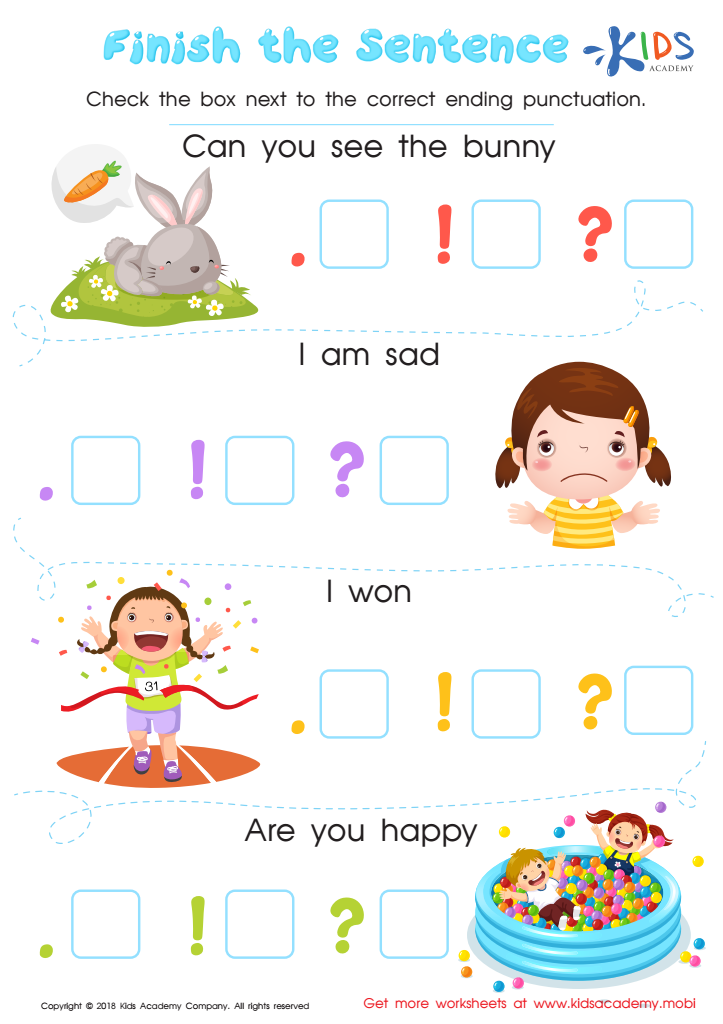
Finish the Sentence Worksheet
 Assign to My Students
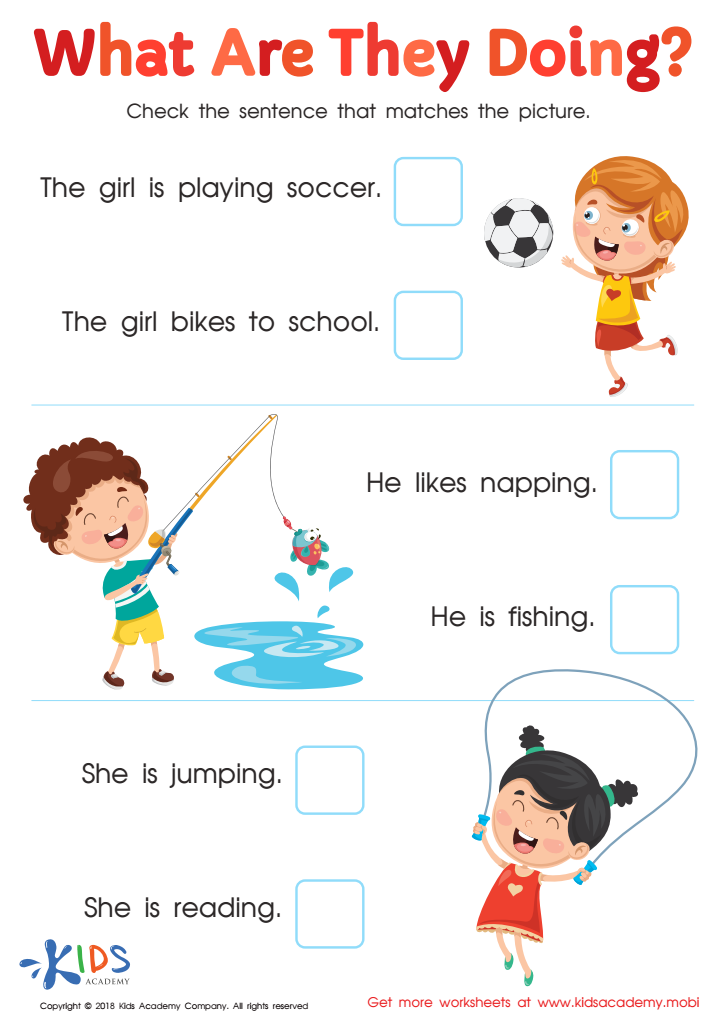
What Are They Doing? Worksheet
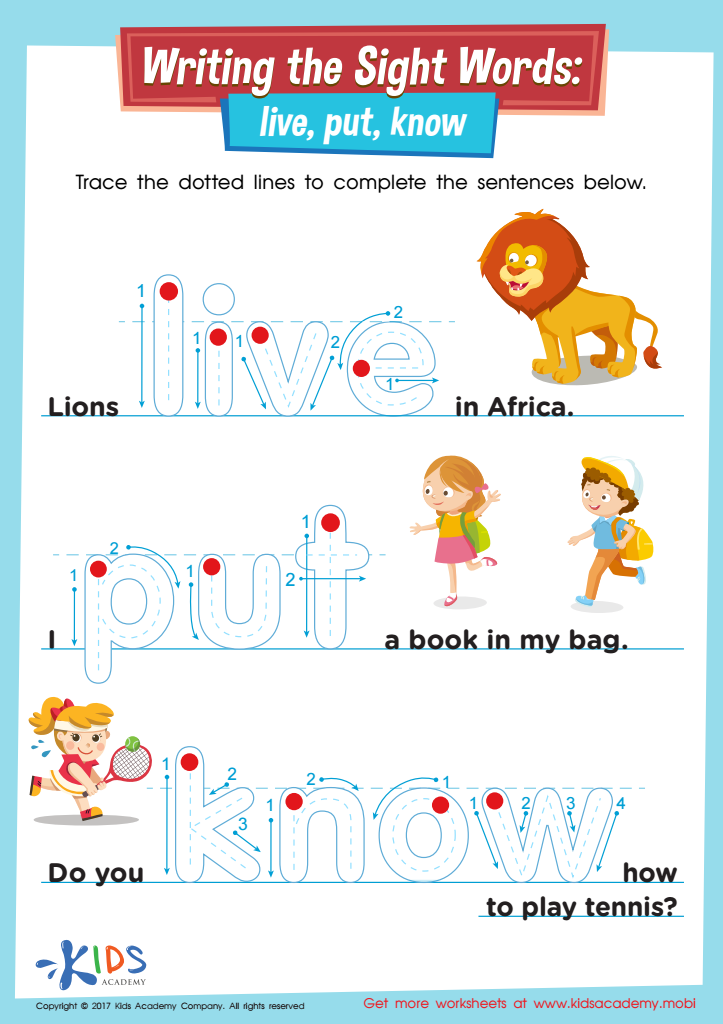
Live, Put, Know Printable Sight Words Worksheet
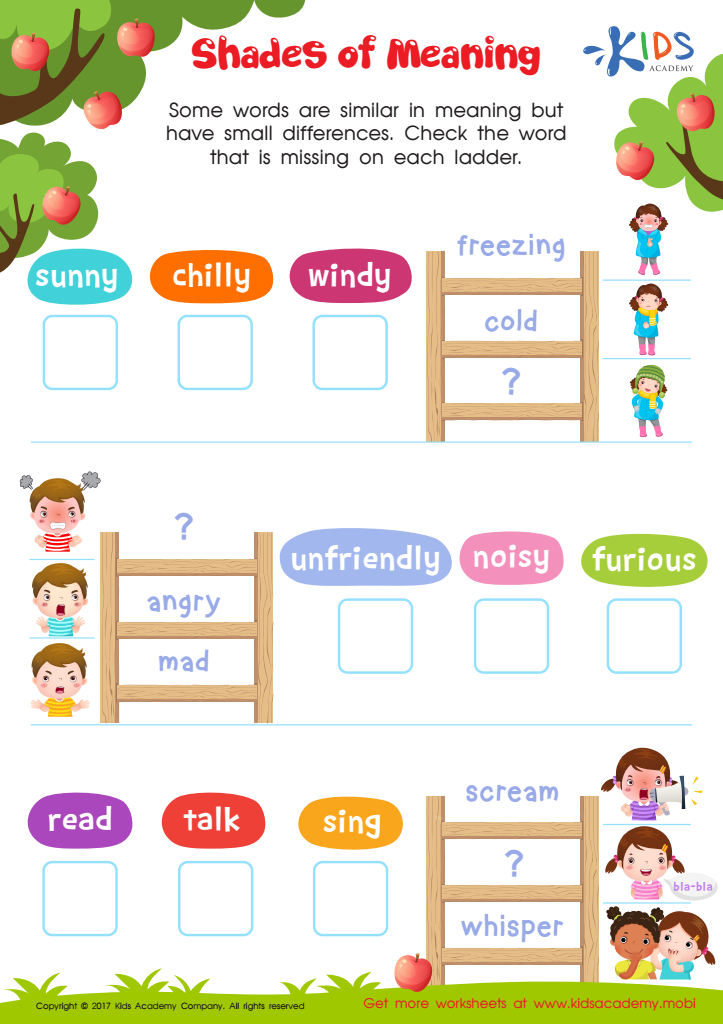
Shades of Meaning Worksheet
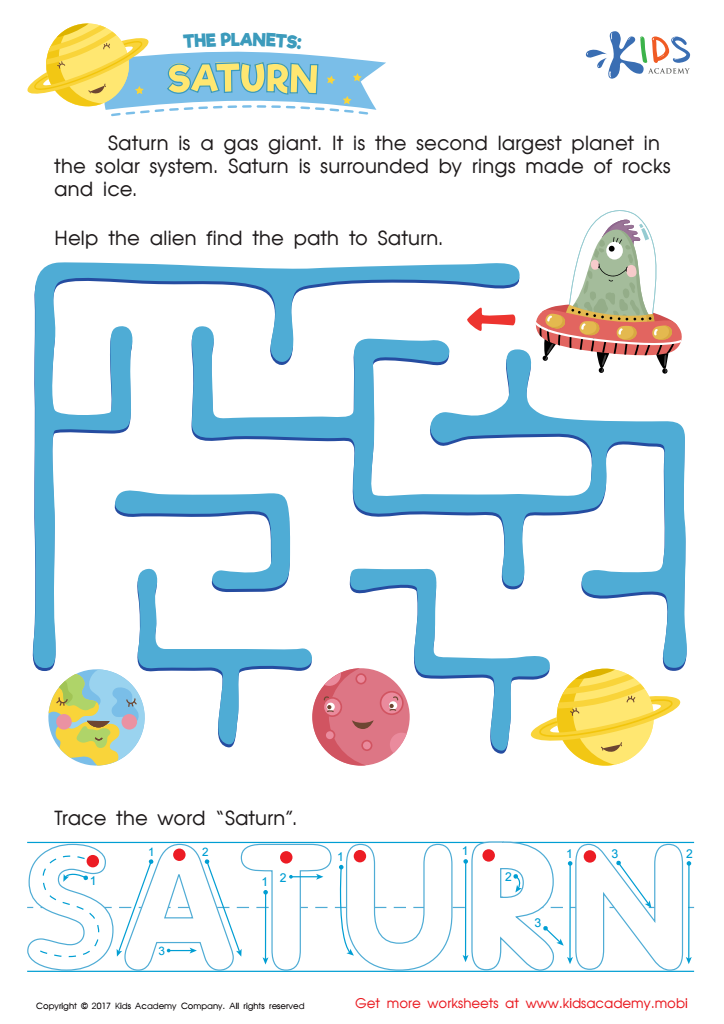
The Planets: Saturn Printable
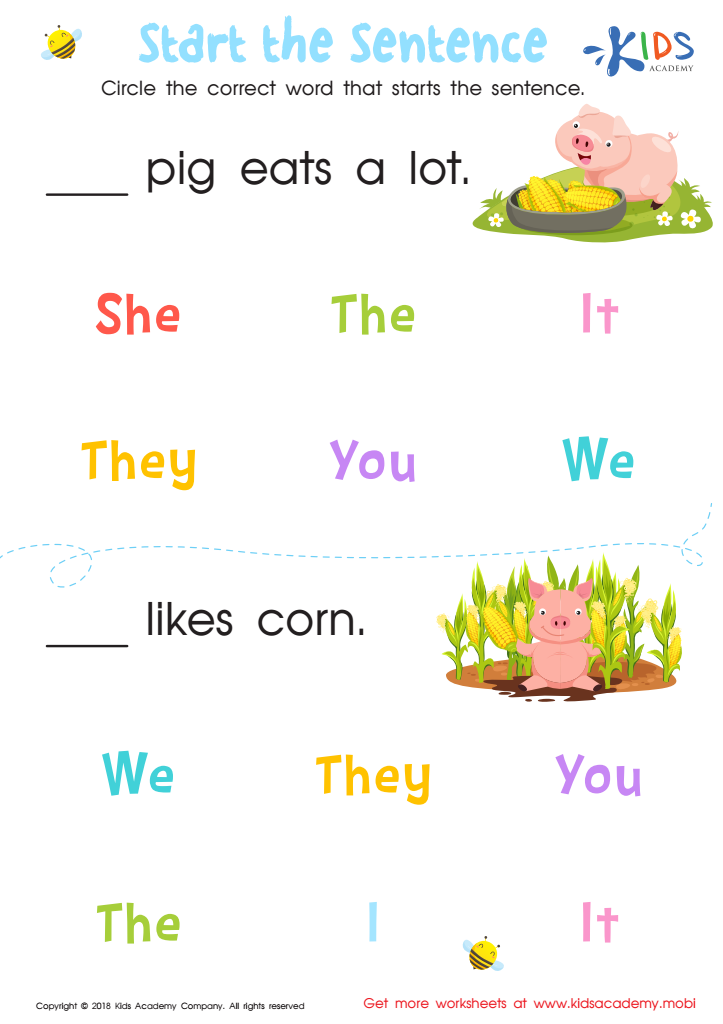
Start the Sentence Worksheet
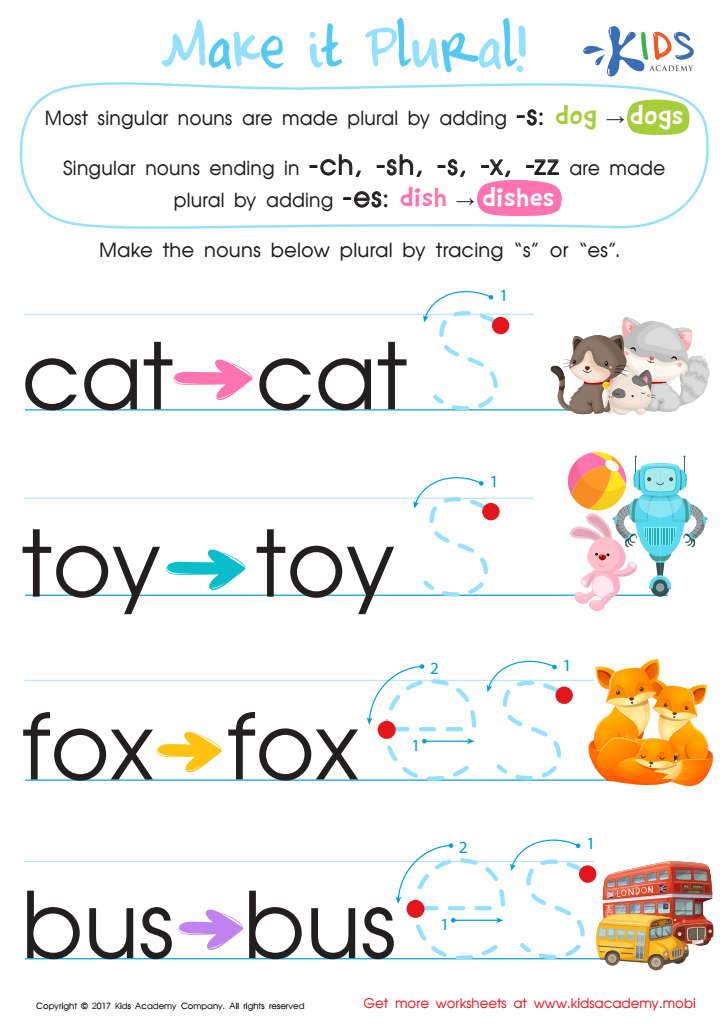
Make it Plural Worksheet
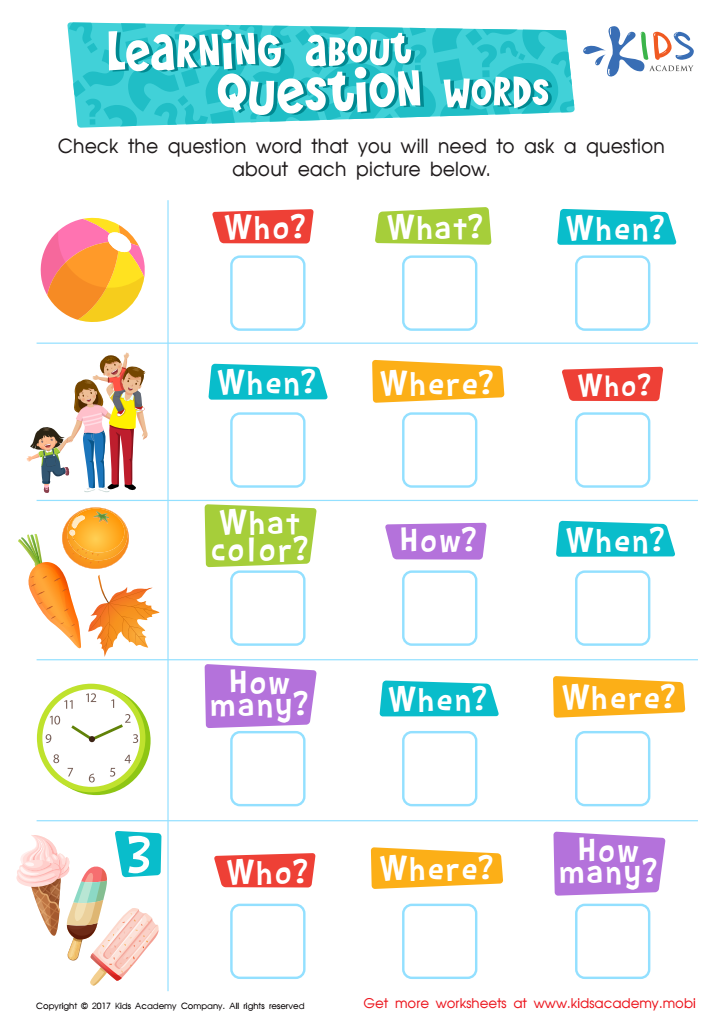
Learning about Question Words Worksheet
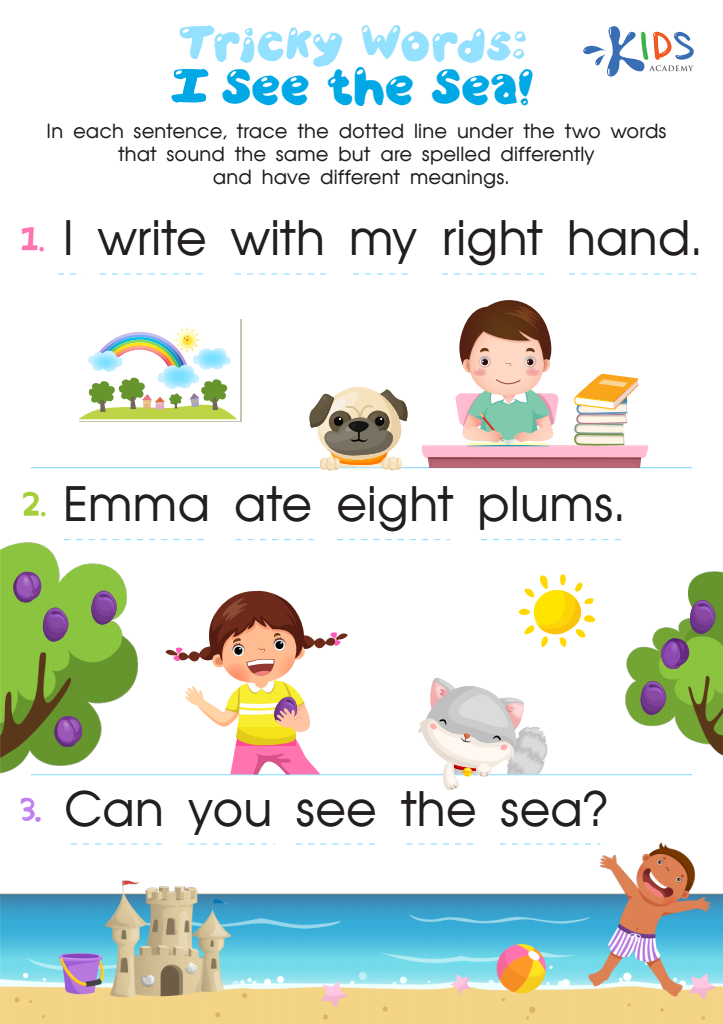
Tricky Words Worksheet
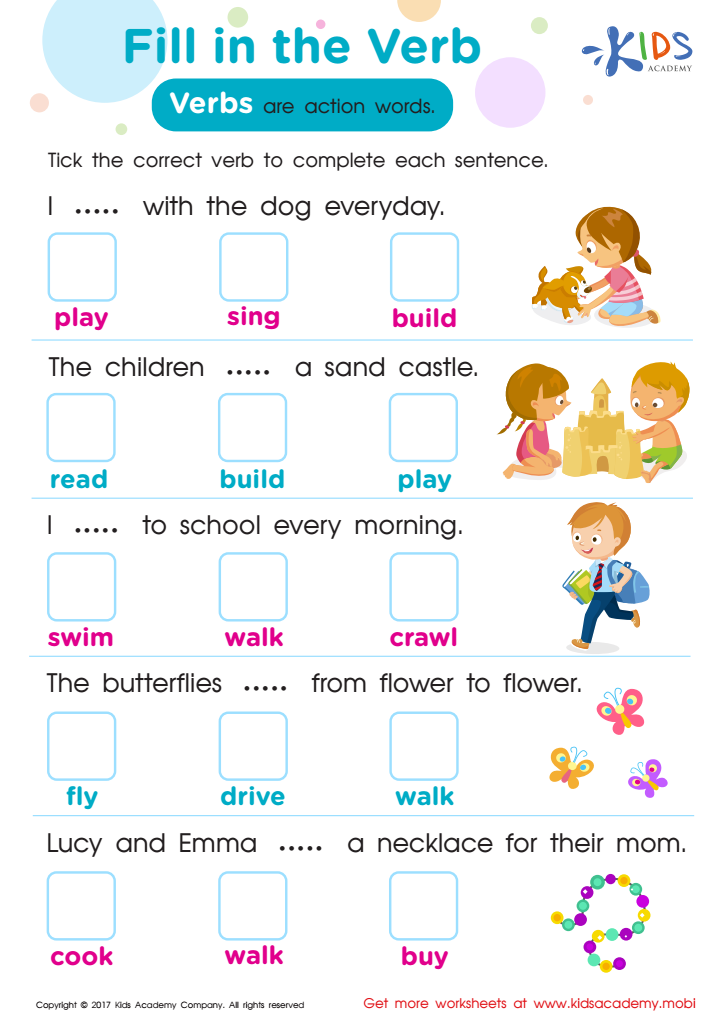
Fill in the Verb Printable
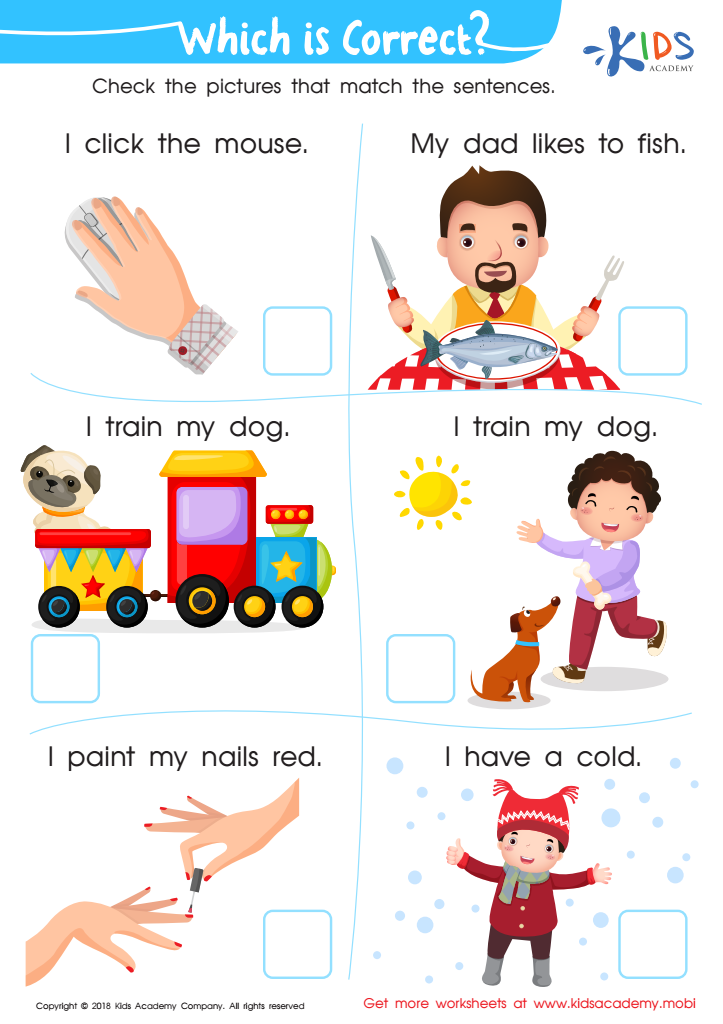
Which Is Correct? Worksheet
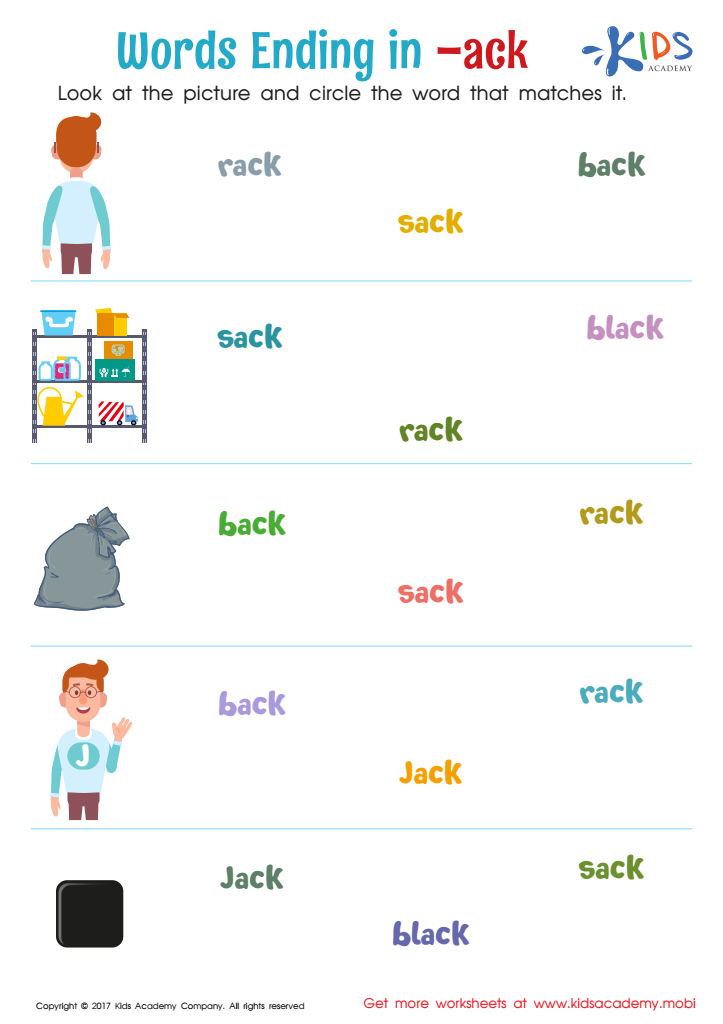
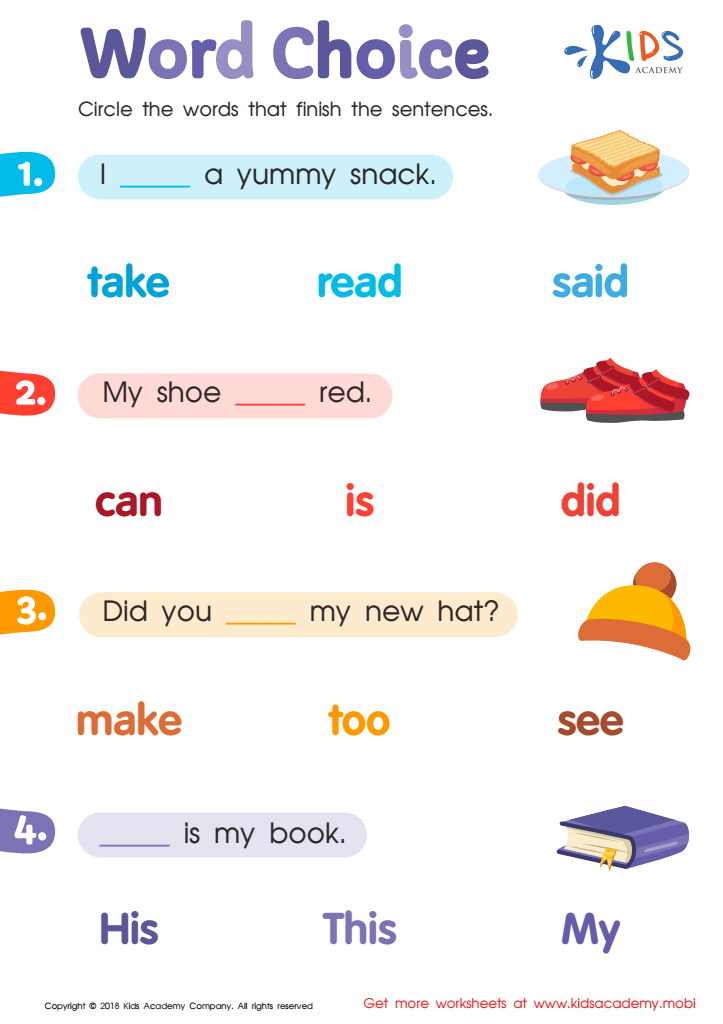
Word Choice Worksheet
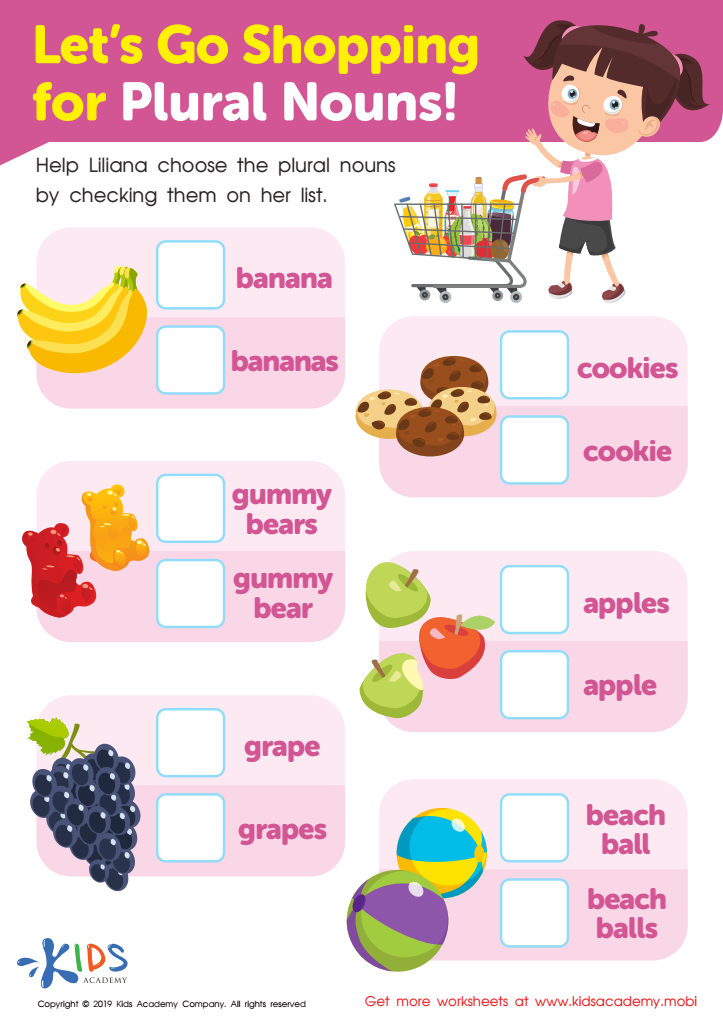
Let's Go Shopping for Plural Nouns! Worksheet
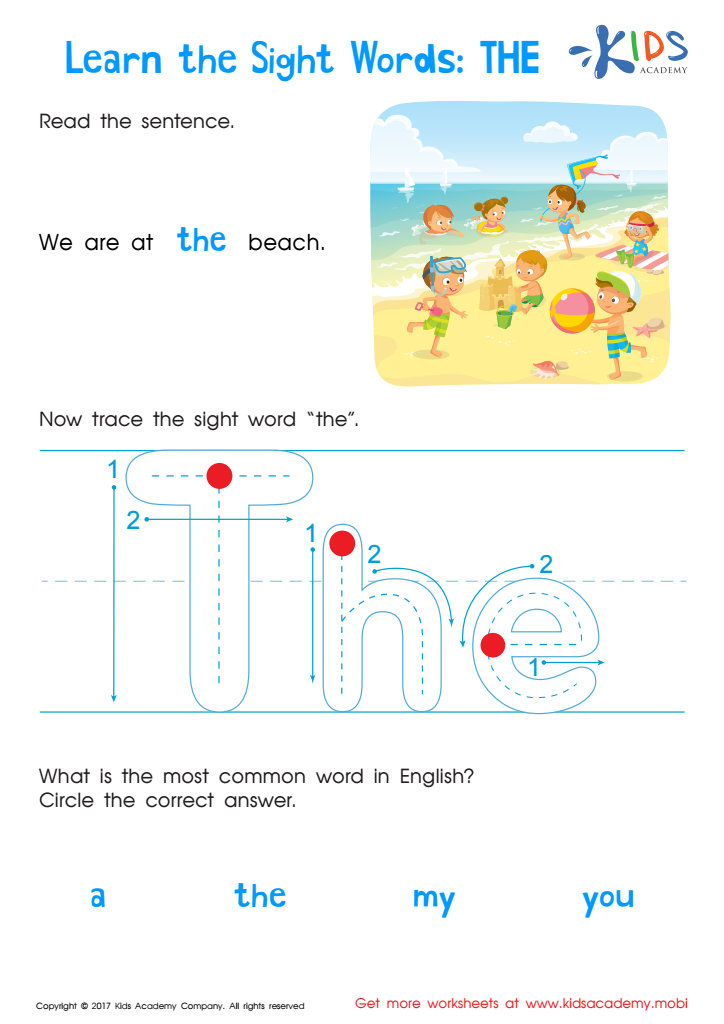
Sight Words: The Worksheet
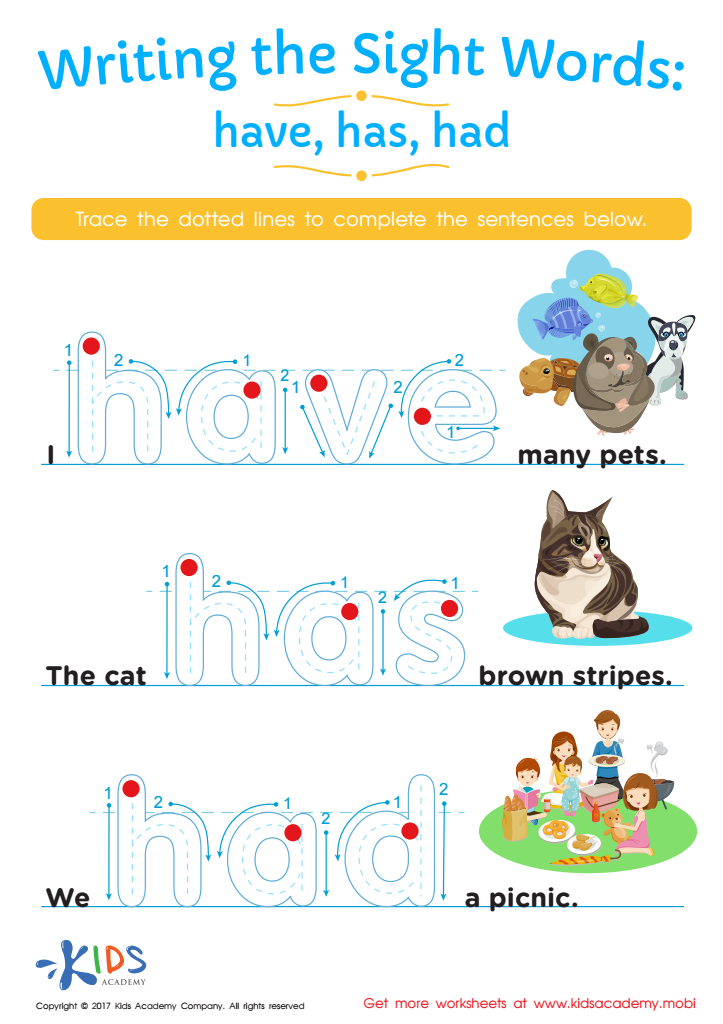
Have, Has, Had Worksheet Sight Words Worksheet
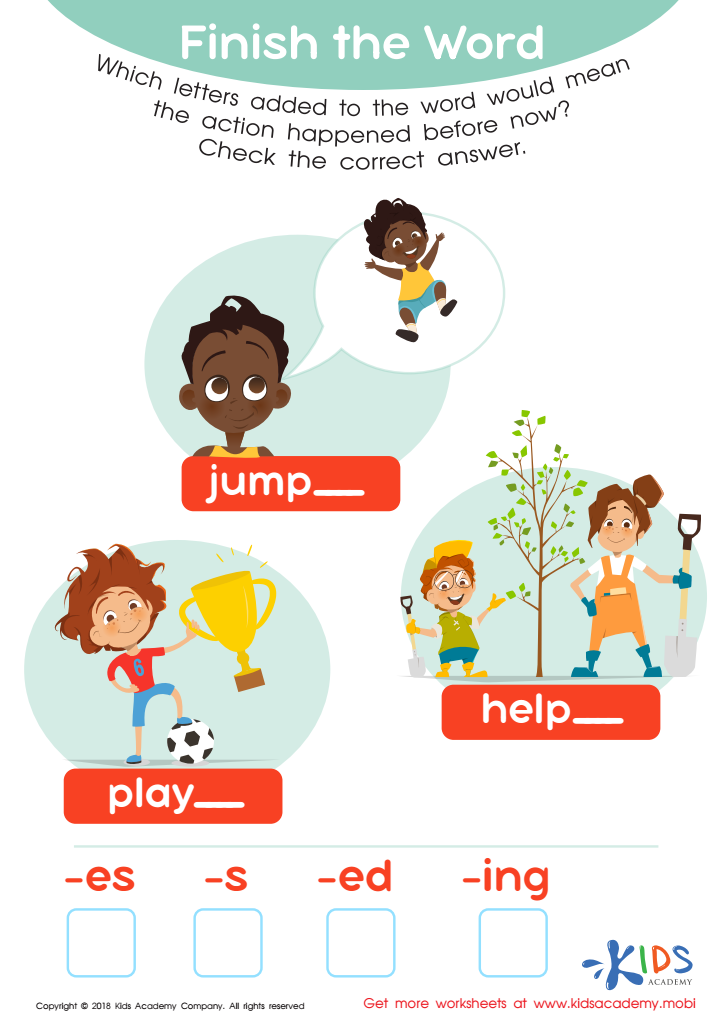
Finish the Word Worksheet








Vocabulary enhancement for ages 4-6 is critical for early childhood development and sets a strong foundation for future learning. At this stage, children are rapidly acquiring language skills and their brains are exceptionally receptive to new words. Building a robust vocabulary aids in effective communication, allowing children to express their thoughts, needs, and emotions clearly. This early foundation is crucial for reading comprehension and academic success.
When children encounter new words regularly, either through reading or engaging conversations, they begin to recognize and understand the nuances of language. Enhanced vocabulary helps them better grasp the meaning of stories and instructions, making it easier to follow lessons and participate in classroom activities. Moreover, a rich vocabulary fosters cognitive development, improving memory, attention, and critical thinking skills.
Parental and teacher involvement in vocabulary building activities, such as reading aloud, discussing stories, and using descriptive language during routine conversations, ensures a supportive environment for growth. Engaging and varied language exposure in a child's early years nurtures curiosity and a love for learning, which are essential traits for academic and lifelong success. Therefore, prioritizing vocabulary enhancement from ages 4-6 is a pivotal step in raising confident, articulate, and intellectually capable individuals.








