Fine motor skills development ABC Letters Worksheets for Ages 4-7
3 filtered results
-
From - To
Discover our engaging Fine Motor Skills Development ABC Letters Worksheets designed for children ages 4-7. These worksheets provide an interactive way for young learners to improve their fine motor skills while mastering the alphabet. Featuring fun activities like tracing, coloring, and cutting out letters, each worksheet encourages the development of hand-eye coordination and dexterity. Ideal for homeschoolers and classroom settings, these resources make learning enjoyable and effective. Watch your child's confidence grow as they practice letter shapes and enhance their writing abilities. Download now to inspire creativity and learning in your preschool or kindergarten classroom! Get started today!
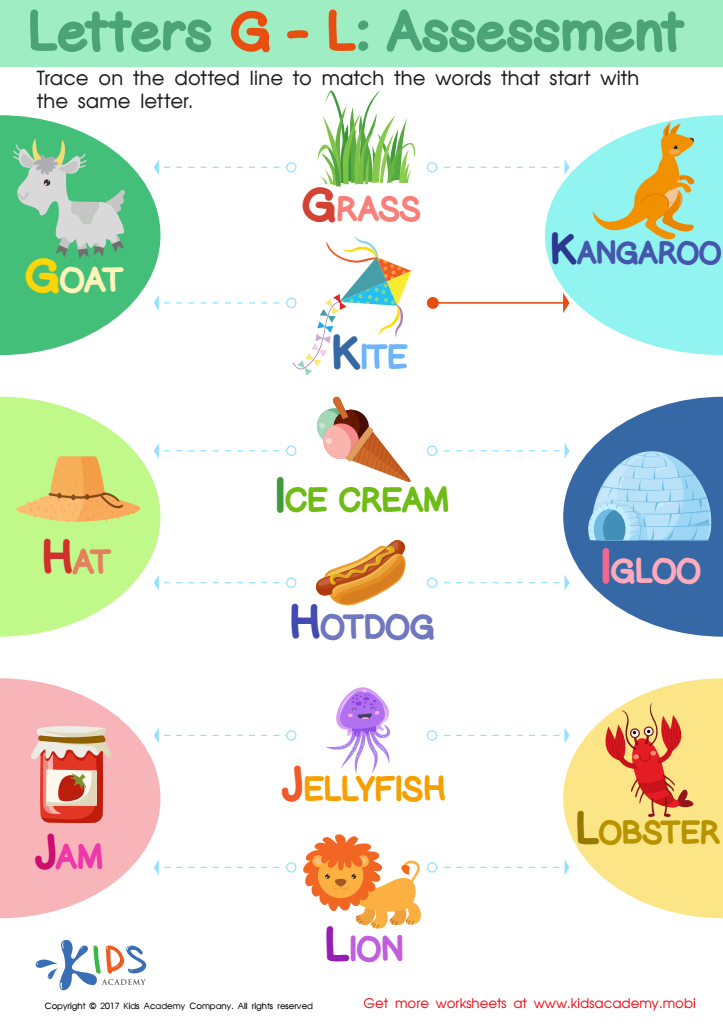
Letters G-L Worksheet










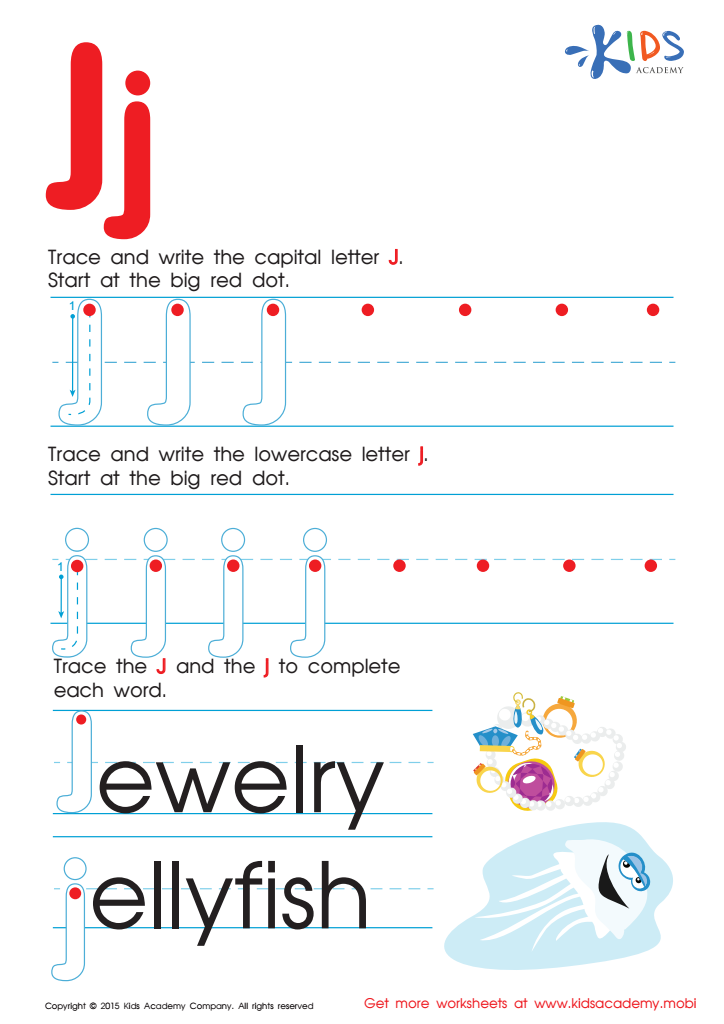
Letter J Tracing Page
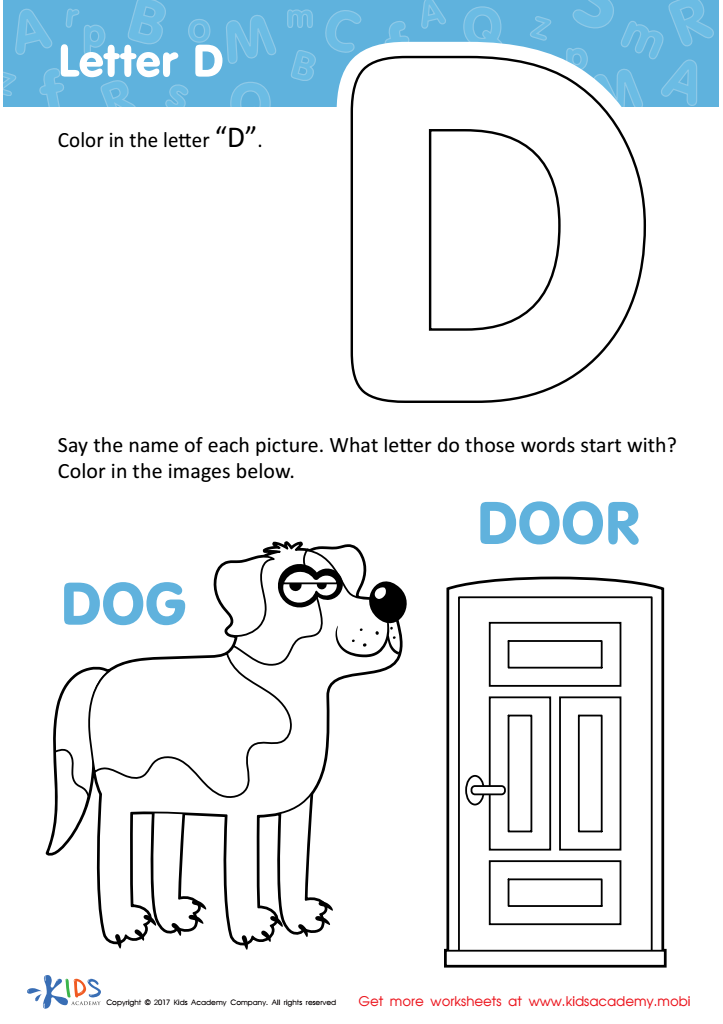
Letter D Coloring Sheet
 Assign to My Students







Fine motor skills are crucial for children aged 4-7 as they serve as the building blocks for numerous everyday tasks and academic successes. The development of these skills is particularly vital when it comes to learning the ABC letters. Fine motor skills involve the coordination of small muscles in the hands and fingers, which are essential for writing, drawing, and manipulating objects.
For young learners, confidently forming letters not only aids in literacy but also boosts their self-esteem. As they engage in activities like tracing, cutting, or using play-dough to shape letters, children develop hand-eye coordination and dexterity. This early exposure fosters a love for learning, encouraging creativity and exploration in their educational journey.
Moreover, strong fine motor skills help children in other subjects, as they facilitate tasks such as completing puzzles and handling tools in science projects. Parents and teachers should prioritize activities that refine these skills, as they directly impact academic readiness and social interactions. Investing in fine motor development ensures children are well-equipped for more complex tasks later in life. Ultimately, nurturing this aspect of childhood yields long-term benefits, setting the stage for future success in both school and daily activities.







