Motor skills development ABC Letters Worksheets for Ages 4-7
3 filtered results
-
From - To
Discover an engaging way to enhance motor skills while learning the ABCs with our "Motor Skills Development ABC Letters Worksheets" for ages 4-7! These thoughtfully designed worksheets provide fun activities that promote fine motor skills, hand-eye coordination, and letter recognition. Through tracing, coloring, and interactive exercises, kids will develop their writing abilities and gain confidence in their literacy skills. Perfect for at-home learning or classroom use, these worksheets combine educational value with playful engagement. Join us on this exciting journey and watch your child flourish as they explore the world of letters, all while strengthening their motor skills!

Letter H Tracing Page

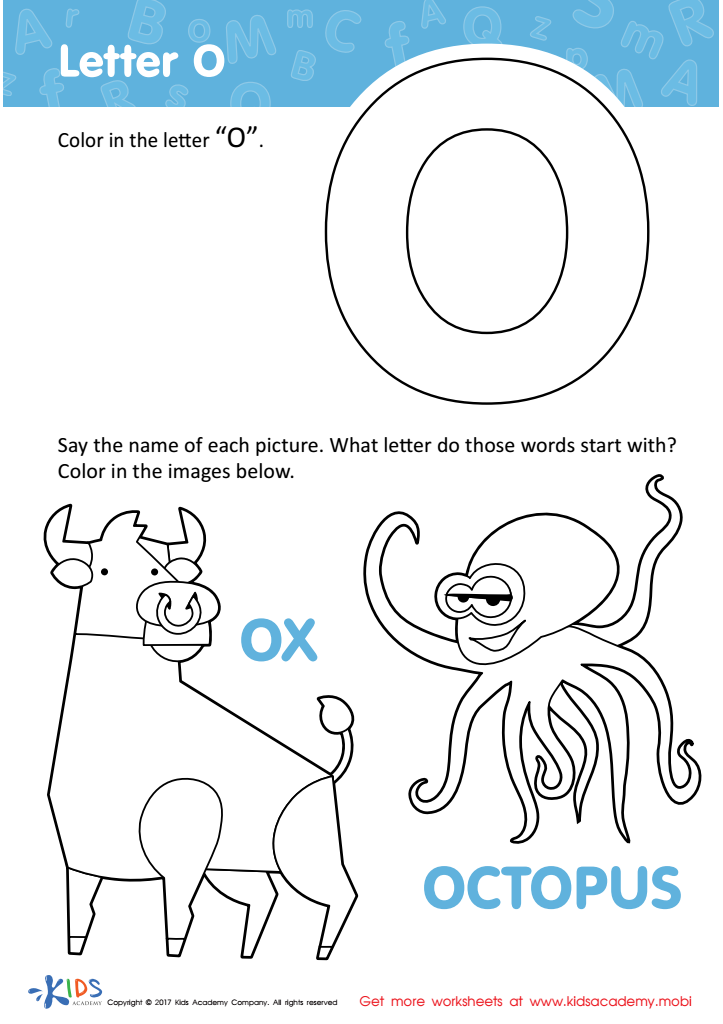
Letter O Coloring Sheet
 Assign to My Students
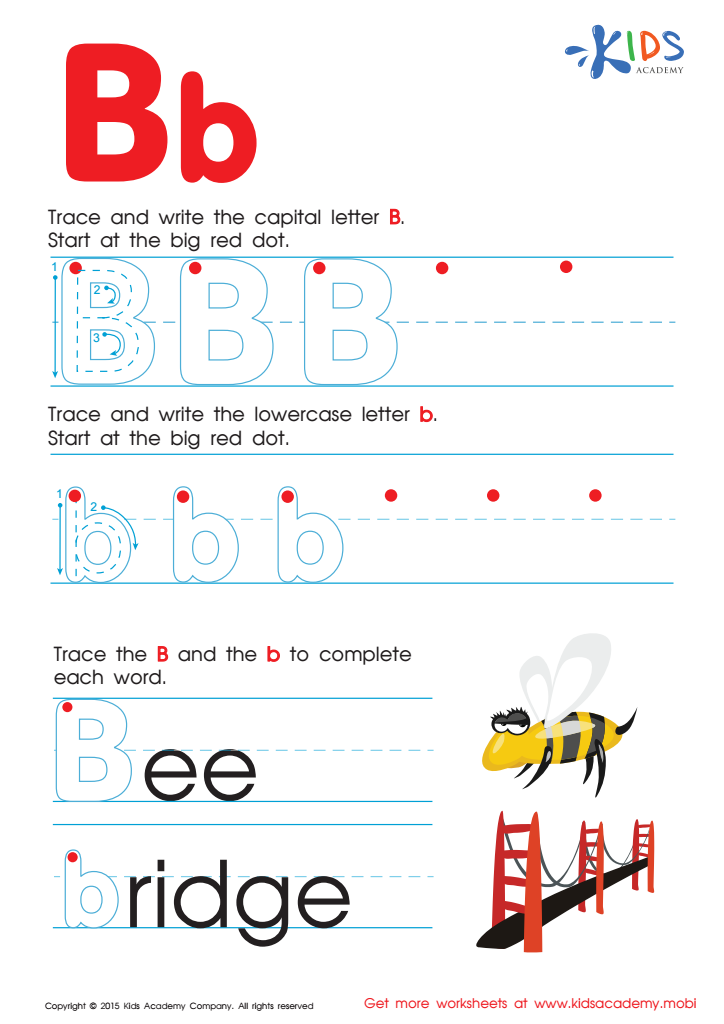
Letter B Tracing Page








Motor skills development, particularly in relation to learning the ABC letters, is crucial for children aged 4-7. During this formative stage, children refine their fine and gross motor skills, which directly impacts their ability to write and engage with books. Developing these skills helps improve hand-eye coordination, dexterity, and muscle control, all of which are essential for holding a pencil and forming letters correctly.
Parents and teachers should care about this developmental aspect because strong motor skills lay the foundation for academic success. When children can effectively manipulate tools for writing, they feel confident and capable, fostering a positive attitude toward learning. Moreover, engaging in activities that promote motor skills, such as tracing letters, cutting shapes, or playing with letter blocks, can make learning the alphabet fun and interactive.
Additionally, research indicates that motor skills are linked to cognitive development; thus, encouraging motor skill activities can enhance problem-solving abilities and spatial awareness. Ensuring that children develop their motor skills will not only prepare them for writing but will also support their overall academic journey, facilitating smoother transitions into more advanced literacy and learning tasks in the future.







