Phonics practice Consonants Worksheets for Ages 4-7
5 filtered results
-
From - To
Discover our engaging Consonants Worksheets designed for children aged 4-7 to enhance their phonics skills! These user-friendly resources focus on identifying, writing, and sounding out consonants, providing a fun and interactive way for kids to build their reading foundation. Featuring colorful illustrations and playful activities, these worksheets keep young learners motivated while supporting early literacy development. Ideal for both classroom use and home practice, our phonics worksheets cater to various learning styles, making phonics practice an enjoyable experience. Encourage your child's reading journey today with our carefully crafted worksheets that promote essential consonant recognition and pronunciation!
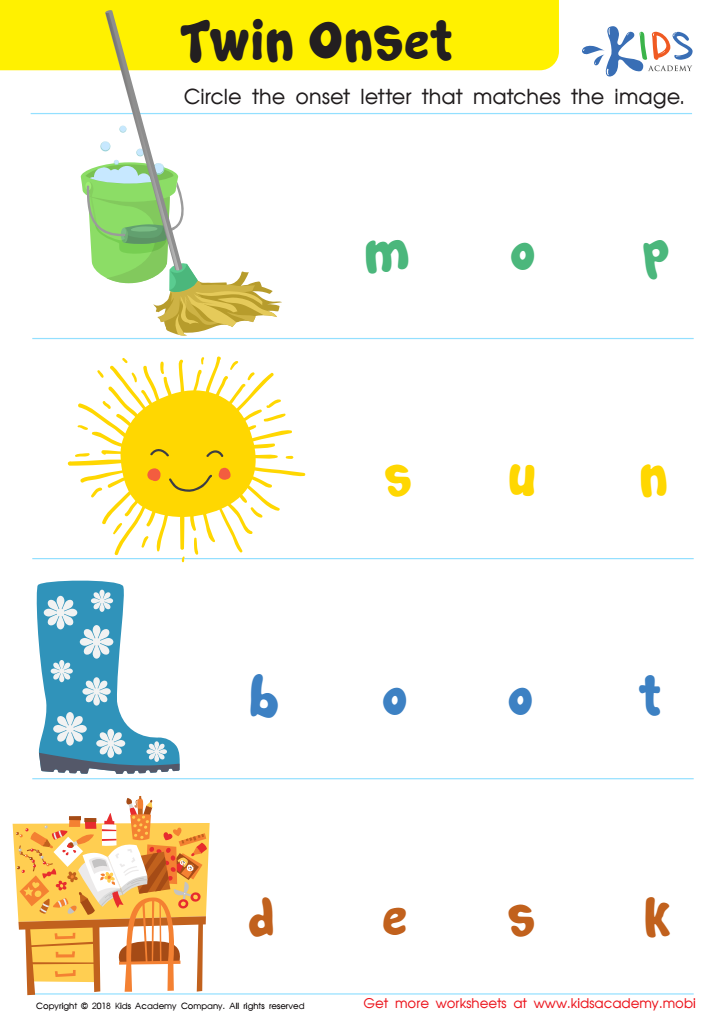
Twin Onset Worksheet
 Assign to My Students
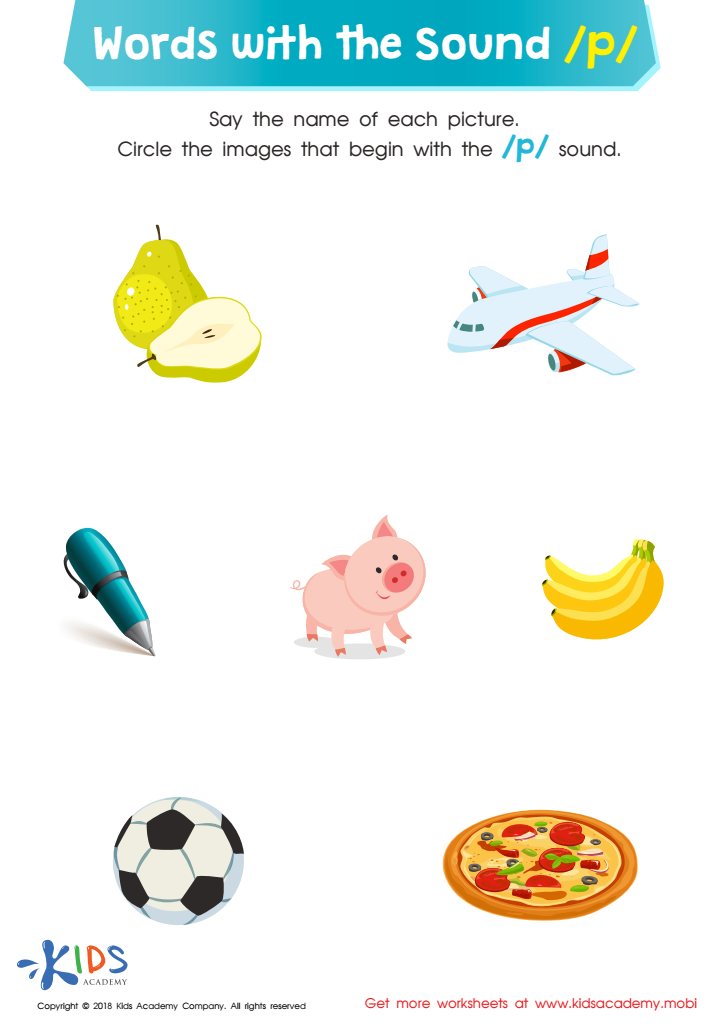
Words with sound p Reading Worksheet
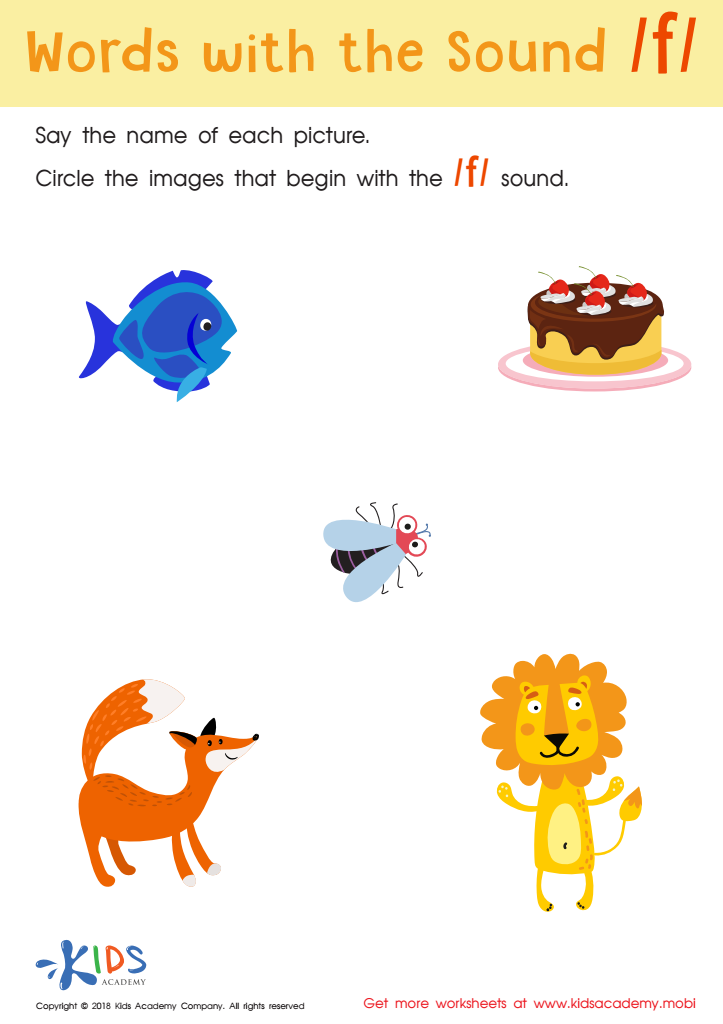
Words with sound f Reading Worksheet
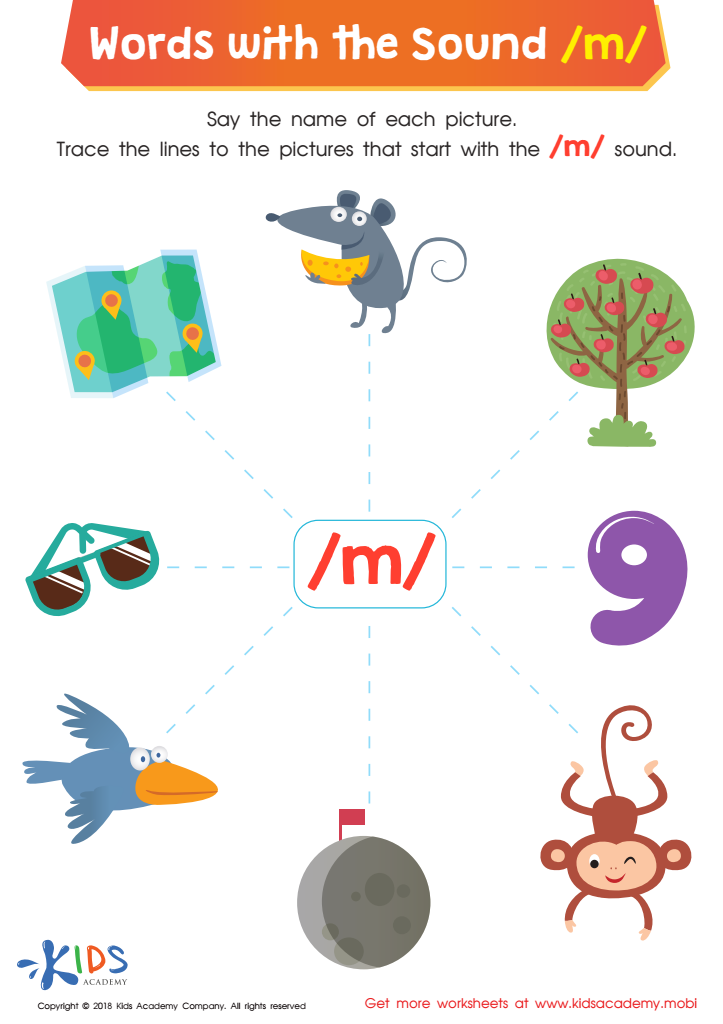
Words with Sound M Reading Worksheet
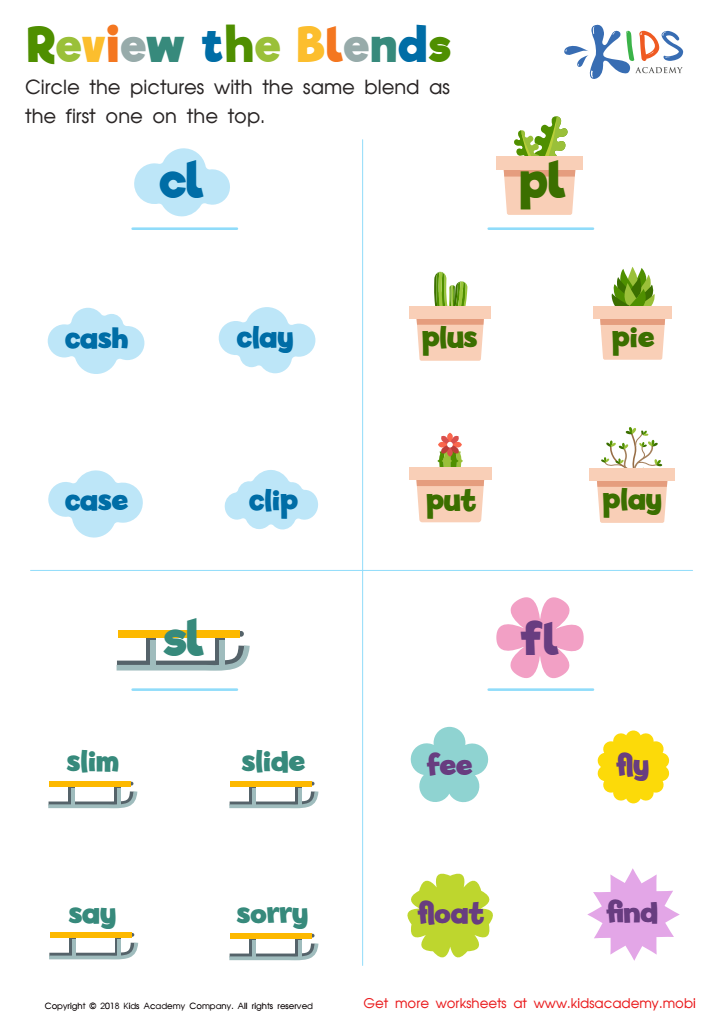
Review the Blends Worksheet



Phonics practice, particularly consonants, is essential for children aged 4-7 as it lays the foundation for their reading and writing skills. During this crucial stage of development, children begin to connect sounds with letters, significantly enhancing their literacy abilities. Understanding consonants helps kids decode words, making it easier for them to read independently and with confidence.
For parents and teachers, investing time in consonant phonics practice can yield long-term benefits. Early mastery of consonants enables children to grasp more complex phonetic concepts and improves their spelling. This practice not only enriches vocabulary but also encourages a love for reading, as children feel empowered to navigate books on their own.
Incorporating phonics activities into daily routines, such as games or songs that emphasize consonant sounds, can foster engagement and make learning fun. Furthermore, by providing children with consistent phonics practice, parents and teachers support the development of essential skills, paving the way for academic success and boosting self-esteem.
Ultimately, nurturing a strong phonics foundation ensures that children have the tools they need for future learning adventures, making it a priority for caregivers and educators alike.







