Motor skills development Alphabet Worksheets for Ages 4-7
5 filtered results
-
From - To
Enhance your child's motor skills with our engaging Alphabet Worksheets designed for ages 4-7! These fun, educational resources promote fine motor development while introducing letter recognition and writing skills. Each worksheet features interactive activities that encourage kids to trace, color, and connect letters, making learning an enjoyable experience. Perfect for home or classroom use, our worksheets not only build motor skills but also boost confidence in young learners as they master the alphabet. Get started today and watch your child's coordination and writing abilities flourish with our expertly crafted worksheets! Ideal for early learners eager to explore the wonderful world of letters.
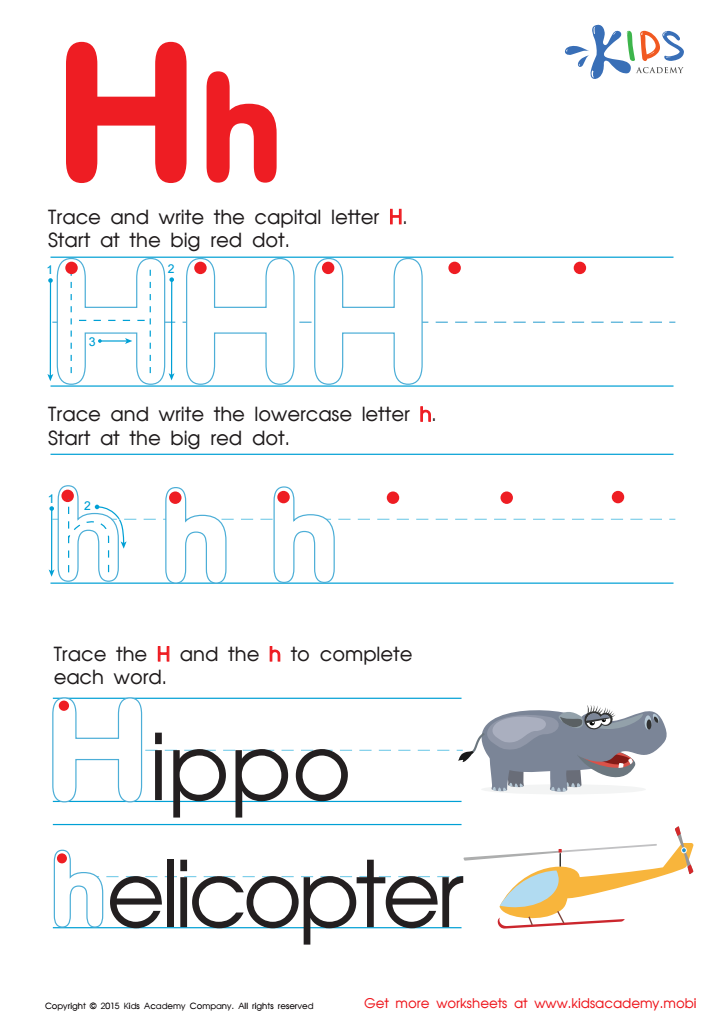
Letter H Tracing Page
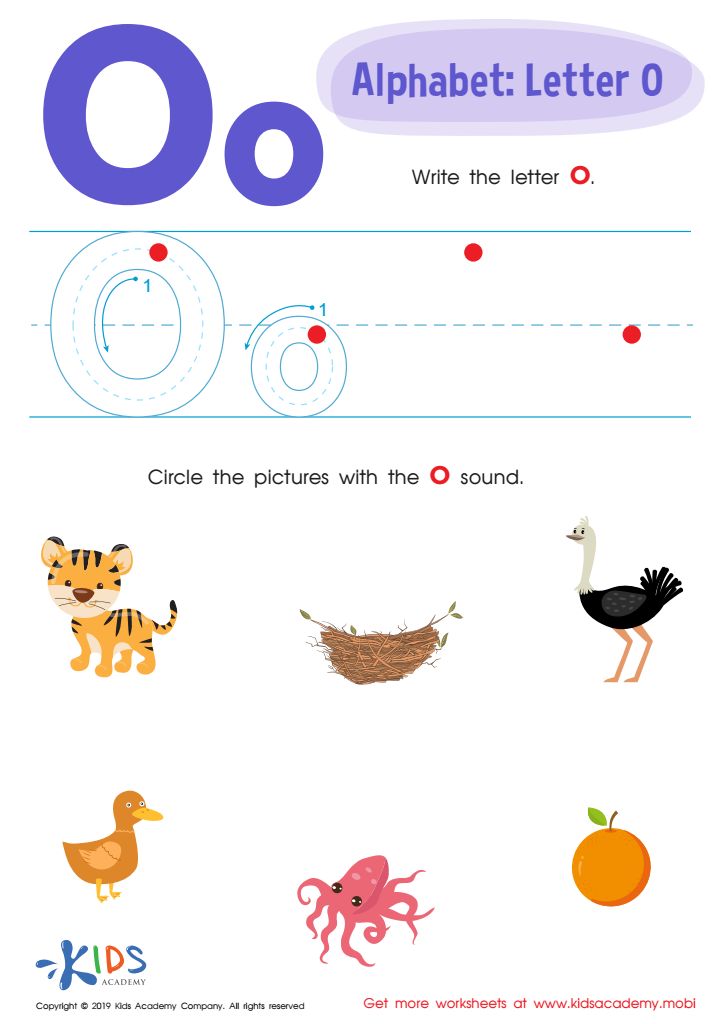
Letter O Tracing Worksheet
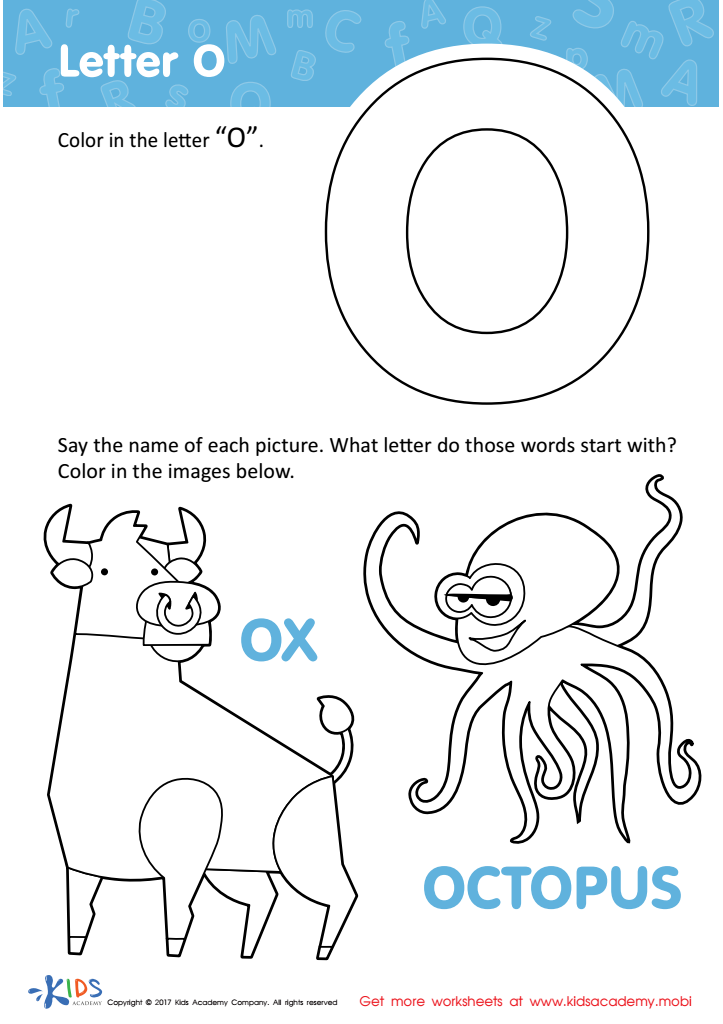
Letter O Coloring Sheet
 Assign to My Students
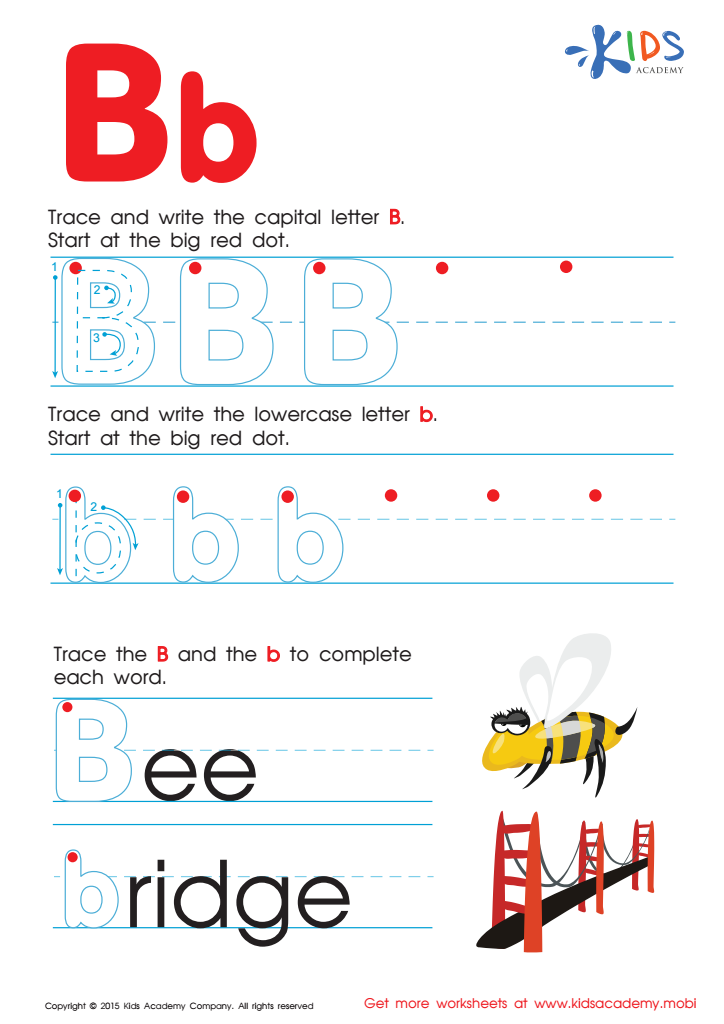
Letter B Tracing Page
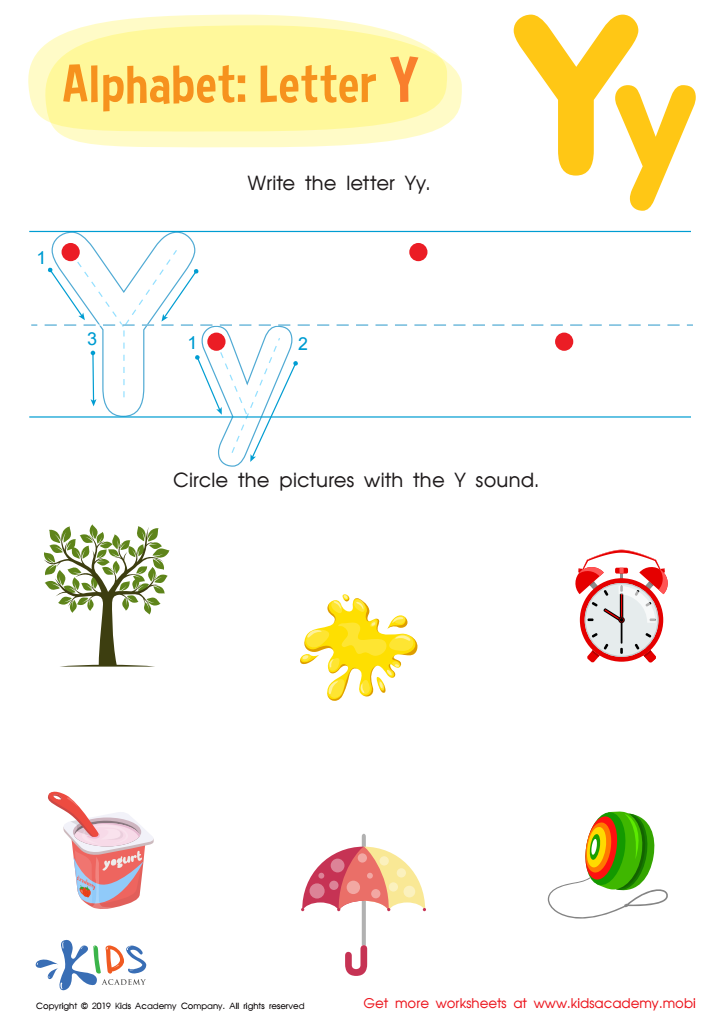
Letter Y Tracing Worksheet






Development of motor skills is crucial for children aged 4-7, as it lays the foundation for their overall physical abilities, academic achievement, and social interactions. Motor skills development encompasses both fine motor skills—requiring precise movements, like holding a pencil or using scissors—and gross motor skills, which involve larger movements, such as jumping or running.
For parents and teachers, focusing on motor skill development is essential for several reasons. First, these skills are closely linked to a child's ability to engage effectively in classroom activities. For instance, fine motor skills directly influence a child's ability to write clearly, cut shapes, and manipulate classroom materials, thus enhancing learning experiences.
Second, strong motor skills contribute to a child's confidence and self-esteem. Children who find physical activities challenging may experience frustration and social withdrawal, whereas those with proficient motor skills are more likely to participate in play and group activities, fostering peer relationships.
Finally, activities that promote motor skill development—like crafts, sports, and movement games—encourage healthy physical habits and ensure that children meet their developmental milestones. By prioritizing motor skills, parents and teachers can help children thrive both academically and socially, setting a strong foundation for their future.







