Reading development Alphabet Worksheets for Ages 4-7
5 filtered results
-
From - To
Enhance your child's reading skills with our engaging Alphabet Worksheets designed for ages 4-7! These thoughtfully crafted resources help young learners master letter recognition, phonics, and vocabulary. Each worksheet features fun activities that promote creativity while reinforcing important literacy concepts. Designed for easy integration into your child's learning routine, our Alphabet Worksheets encourage independent practice and can be used in both home and classroom settings. Ideal for early readers, they foster a love for reading and build a solid foundation for future learning. Explore our variety of worksheets and watch your child thrive as they embark on their reading journey!
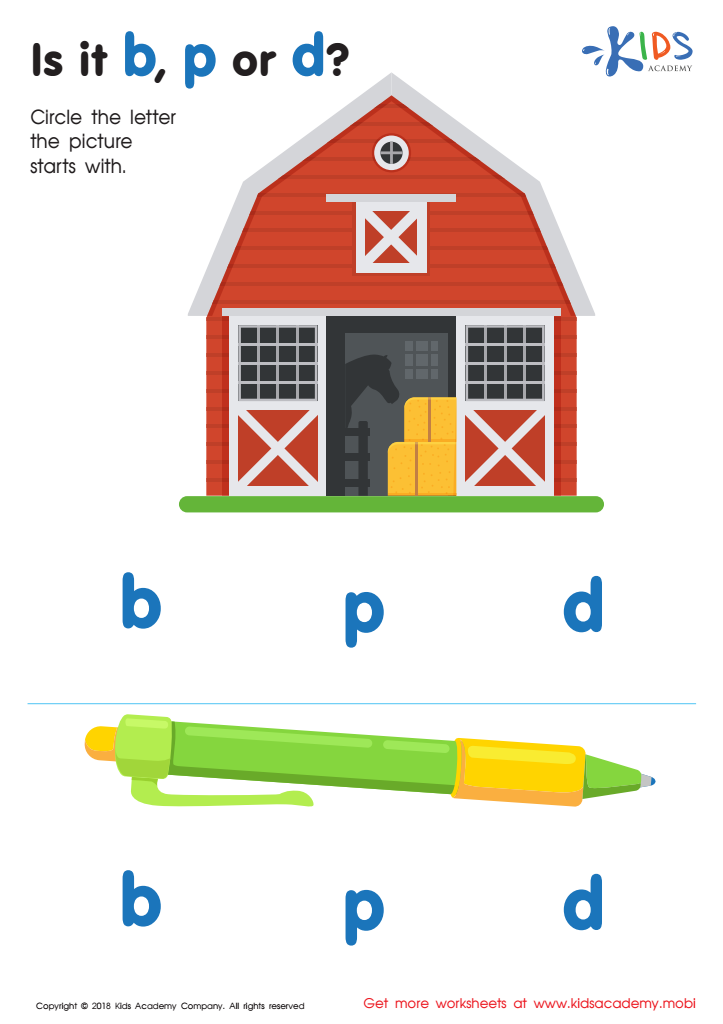
Is it b, p or d? Worksheet
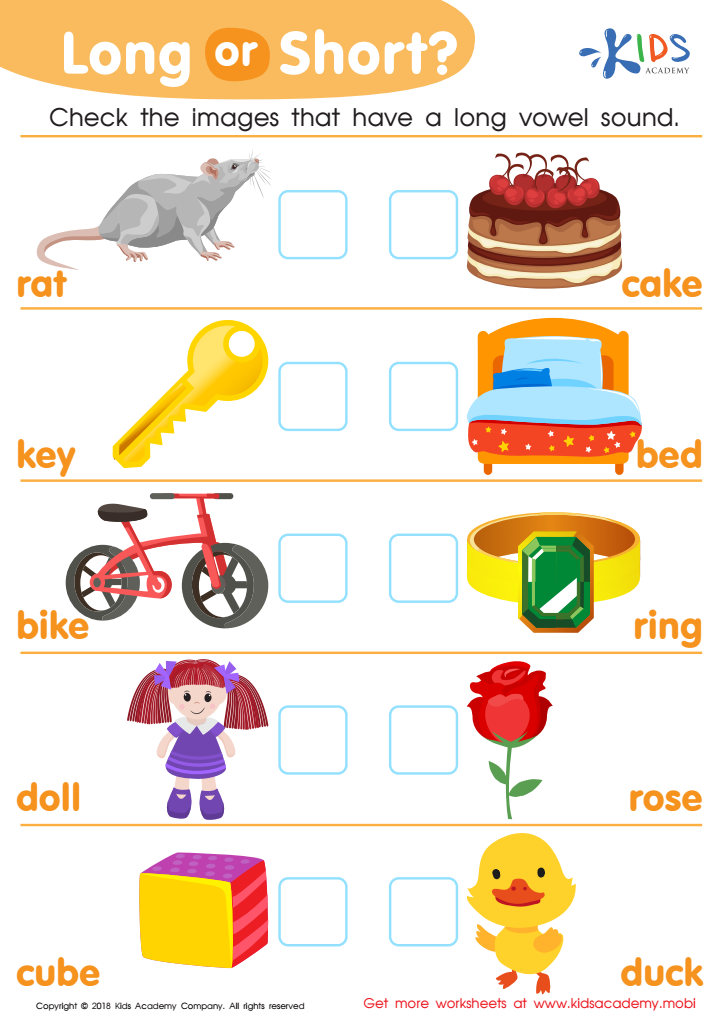
Long or Short Reading Worksheet
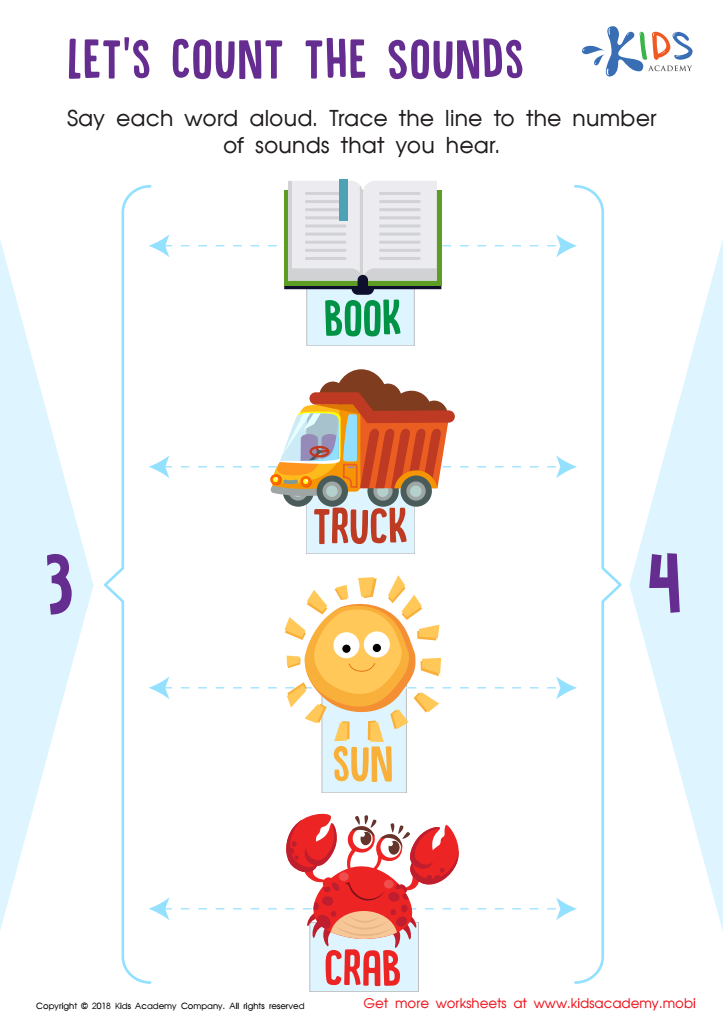
Let's Count the Sounds Worksheet
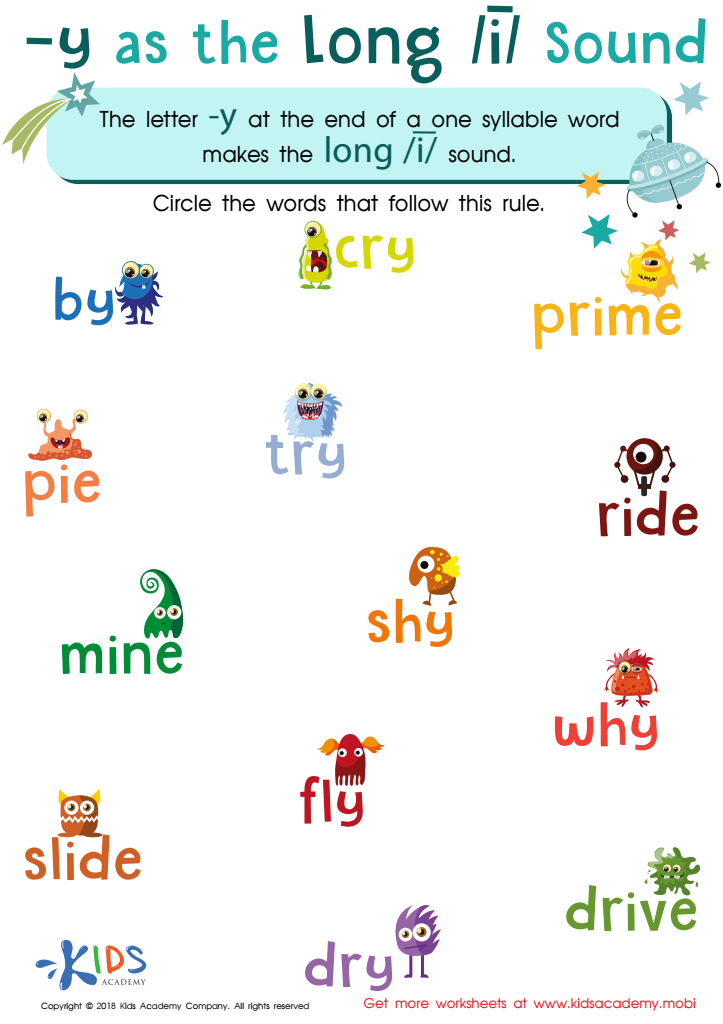
Reading: Y as Long I Worksheet
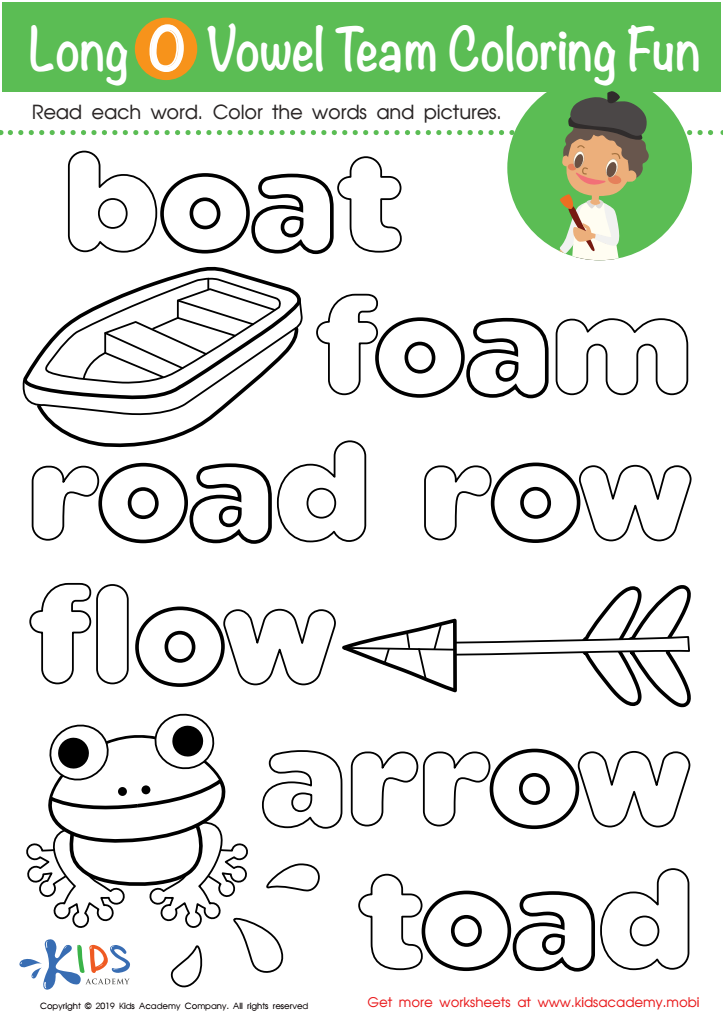
Long O Vowel Team Coloring Worksheet
 Assign to My Students




.jpg)


Reading development is crucial for children aged 4-7 as it lays the foundation for future academic success and lifelong learning. During these formative years, children are typically introduced to the alphabet, phonics, and basic reading concepts. Understanding the alphabet enhances their ability to recognize letters and sounds, paving the way for word formation and reading fluency.
Parents and teachers play a vital role in fostering a positive reading environment. Early exposure to books, storytelling, and interactive reading activities cultivates a love for literature and encourages vocabulary development. Engaging children in fun alphabet games helps them learn letter recognition and pronunciation in an enjoyable way.
Moreover, reading skills are closely linked to cognitive growth, critical thinking, and communication abilities. Children who master early reading skills often experience improved performance in other subjects. For those struggling, timely intervention is essential to address challenges and ensure they don't fall behind.
Ultimately, supporting reading development during these years not only contributes to a child's academic achievements but also nurtures social and emotional skills as they connect with stories and characters. Thus, investing time and resources into teaching the alphabet is essential for a child’s holistic growth.







