Alphabet tracing Letter Recognition Worksheets for Ages 4-7
8 filtered results
-
From - To
Discover our engaging Alphabet Tracing Letter Recognition Worksheets designed specifically for children ages 4 to 7! These printable worksheets help young learners master letter recognition and improve their handwriting skills through fun and interactive tracing activities. Each worksheet is tailored to foster creativity and enhance fine motor skills, making learning enjoyable. As children trace both uppercase and lowercase letters, they'll build confidence while developing essential literacy skills. Ideal for home or classroom use, our worksheets provide a solid foundation for early reading and writing preparedness. Encourage your child's learning journey with our delightful alphabet tracing resources today!
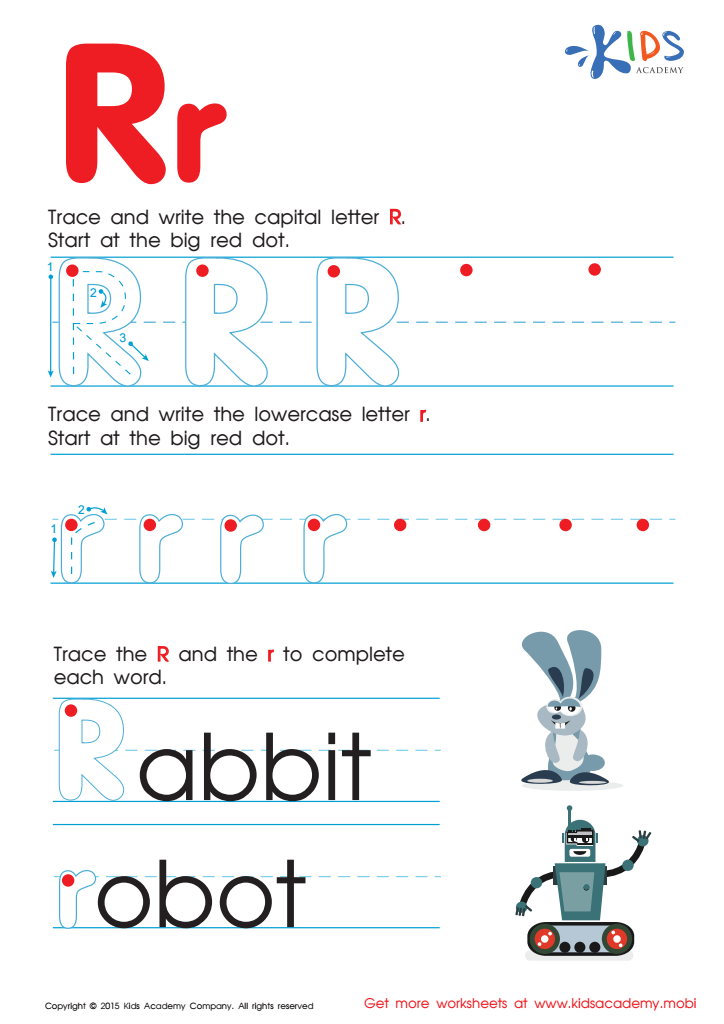
Letter R Tracing Page
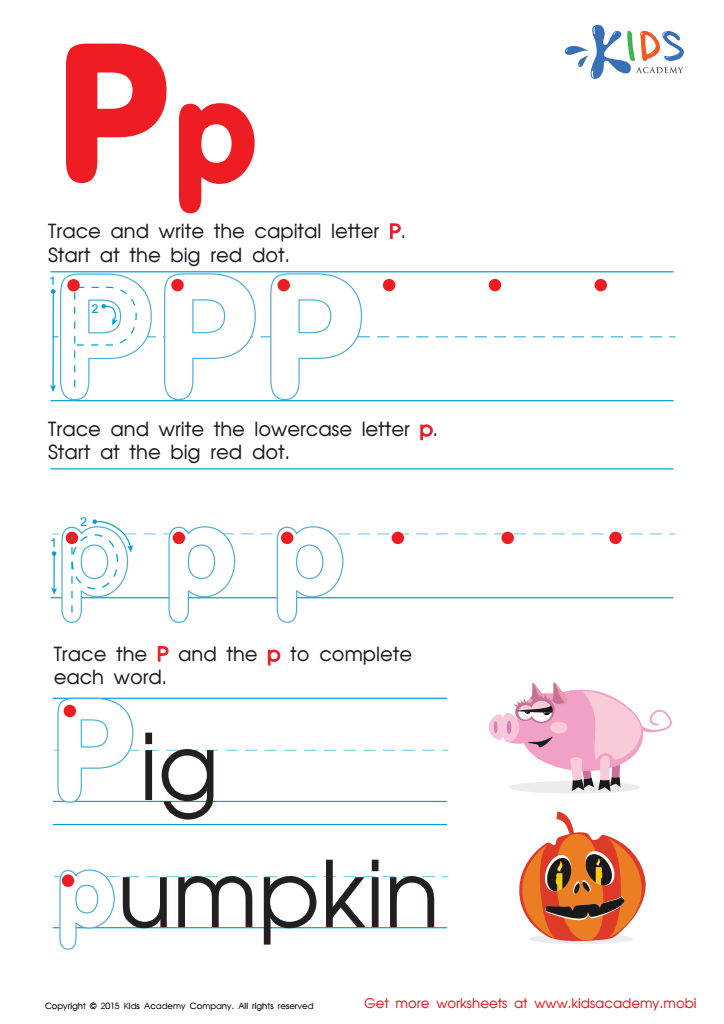
Letter P Tracing Page
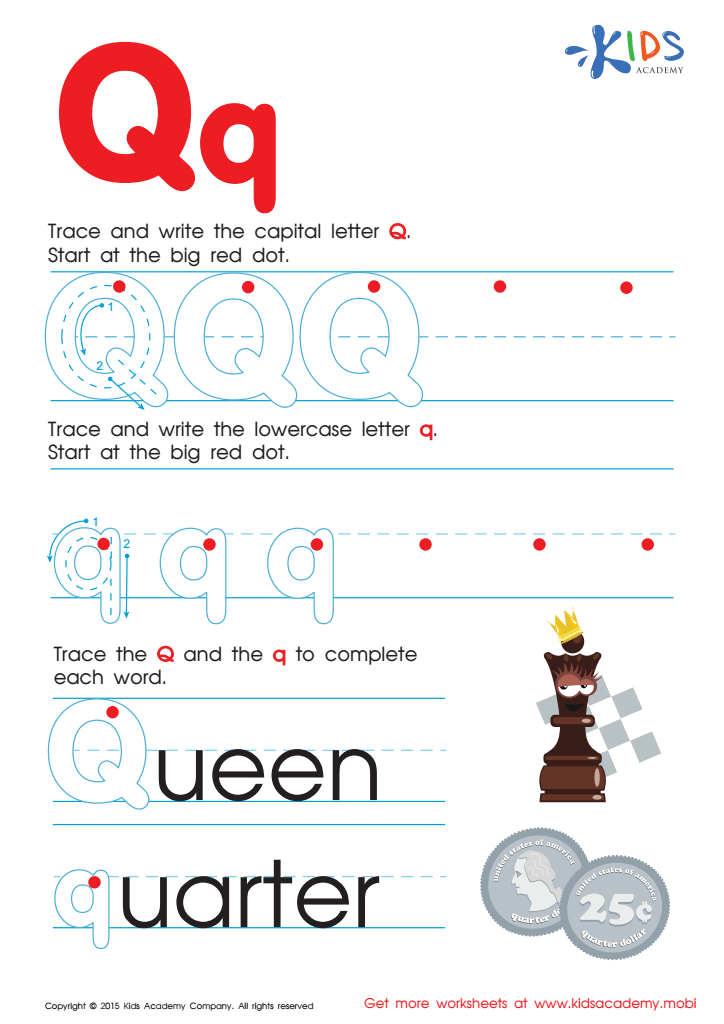
Letter Q Tracing Page
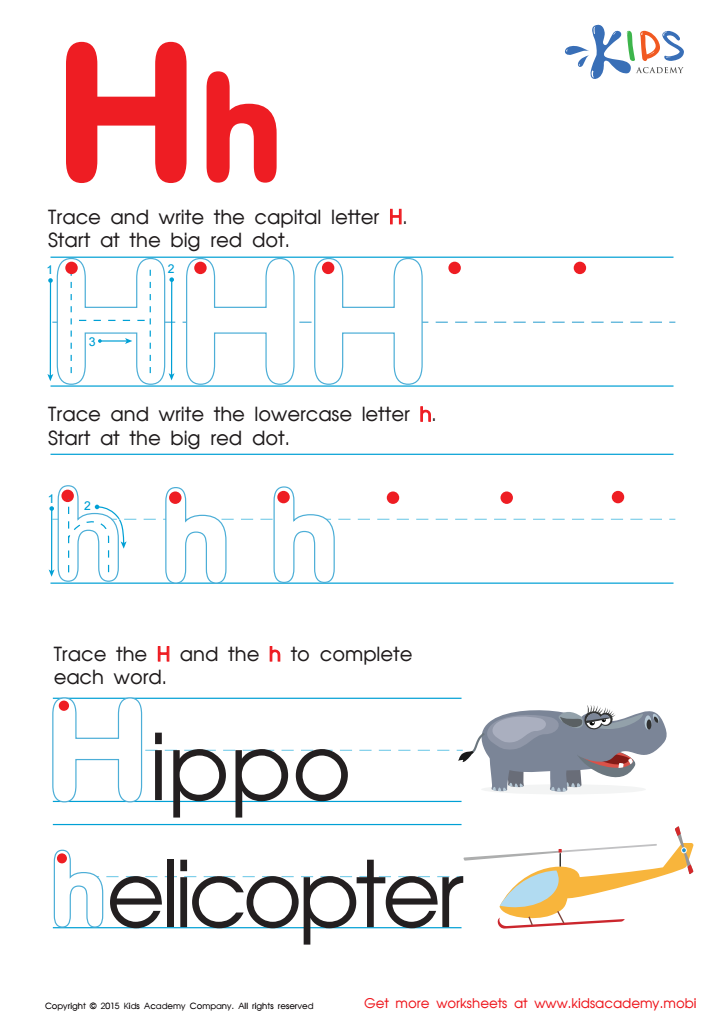
Letter H Tracing Page
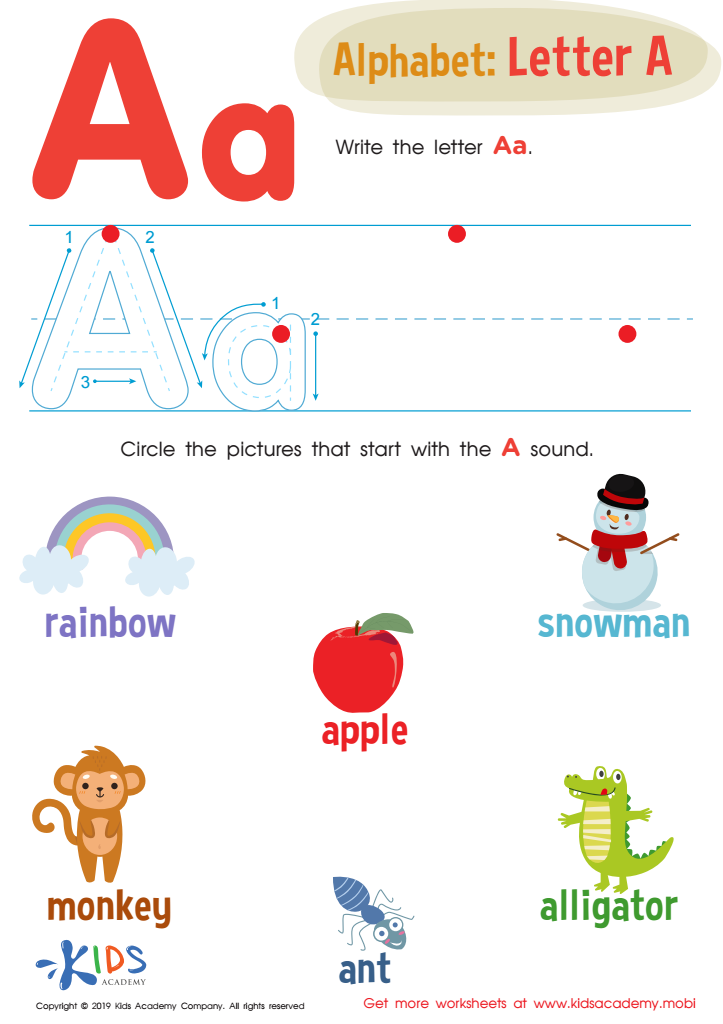
Letter A Tracing Worksheet
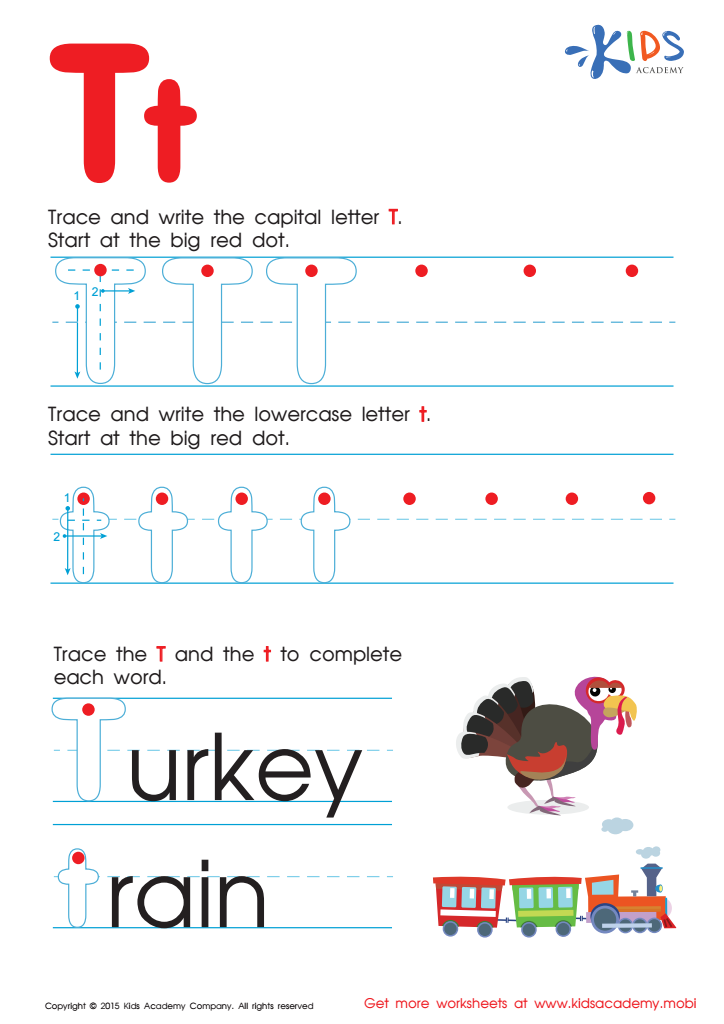
Letter T Tracing Page
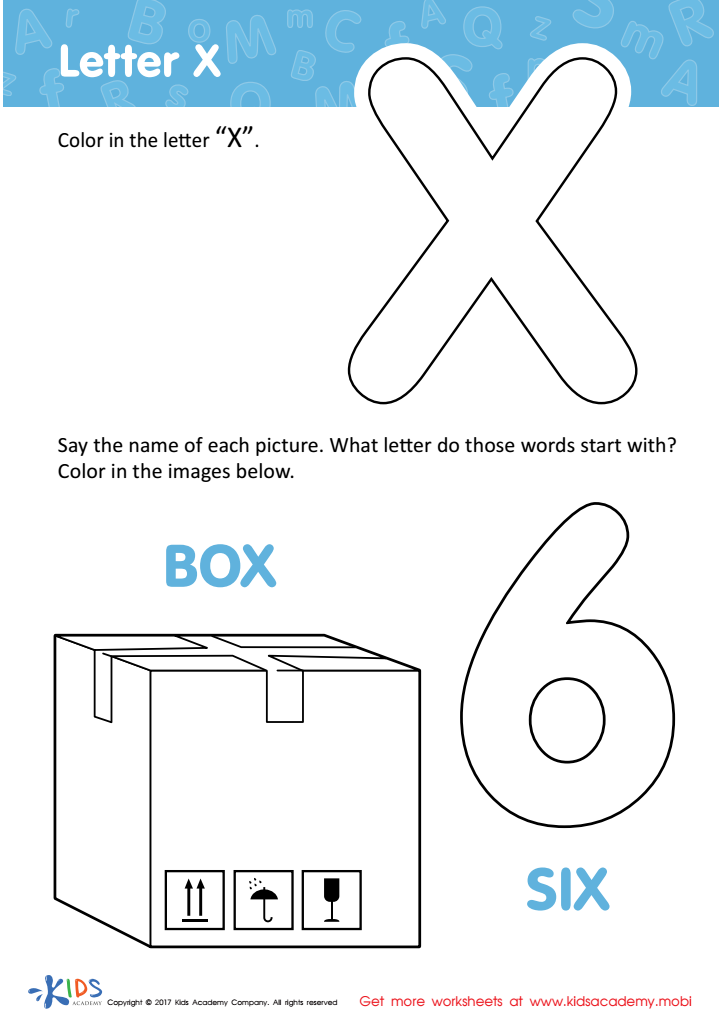
Letter X Coloring Sheet
 Assign to My Students

Letter D Tracing Page








Alphabet tracing and letter recognition are foundational skills critical for children ages 4-7 as they pave the way for reading and writing. At this developmental stage, children are developing phonemic awareness and beginning to connect sounds with letters; therefore, tracing letters helps reinforce these connections. When children trace letters, they engage in fine motor skill development, which is essential for later writing proficiency. The act of forming letters helps to build muscle memory and visualization of letter shapes, aiding in eventual independent writing.
Additionally, mastering letter recognition leads to enhanced cognitive skills. It allows children to start decoding words, an essential skill for beginning readers. This leads to increased confidence as they progress in their literacy journey.
For parents and teachers, fostering letter tracing means engaging in important, hands-on activities that make learning enjoyable and interactive. It creates opportunities for bonding, discussion, and reinforcing concepts in various contexts, enriching the child's educational experience. Importantly, early literacy skillfulness contributes to academic success and a lifelong love for reading and learning. Therefore, investing time in alphabet tracing is vital for promoting overall development in young children.







