Hand-eye Coordination Letter Recognition Worksheets for Ages 4-7
10 filtered results
-
From - To
Enhance your child's learning journey with our Hand-eye Coordination Letter Recognition Worksheets, designed specifically for ages 4-7. These engaging worksheets combine fun activities that improve fine motor skills while helping children recognize letters. Each exercise encourages interactive play, ensuring kids not only learn but also develop essential hand-eye coordination. Perfect for parents and teachers alike, these worksheets foster a strong foundation in literacy through enjoyable tasks. Discover the joy of learning as your child confidently identifies letters and enhances their writing skills. Download now to support your child’s educational growth in a playful and effective way!
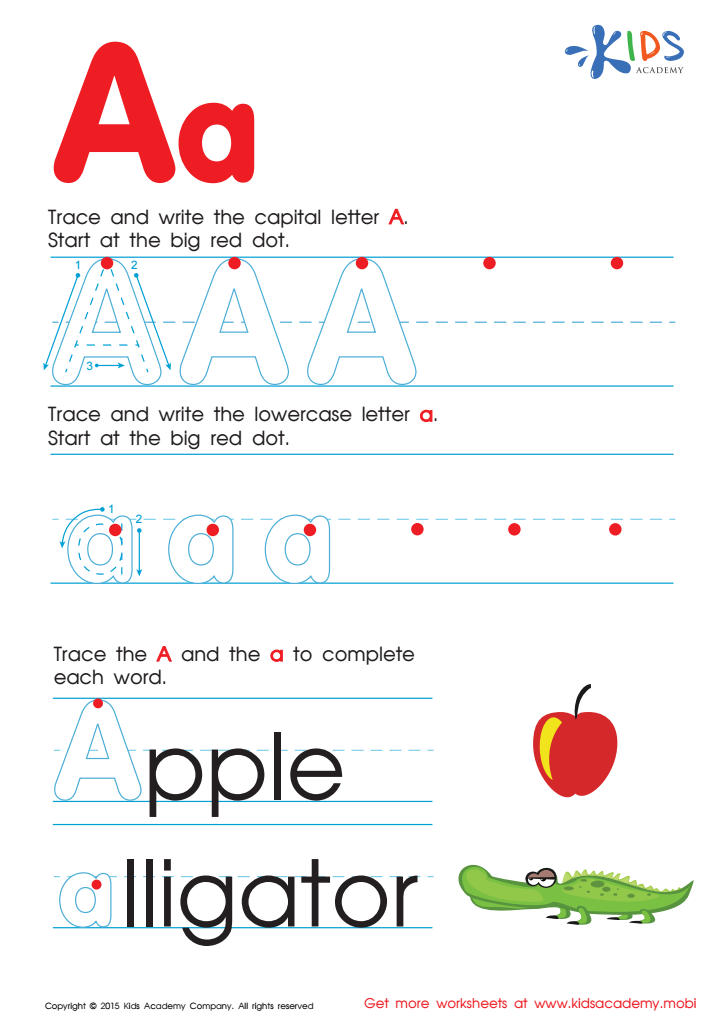
Letter A Tracing Page
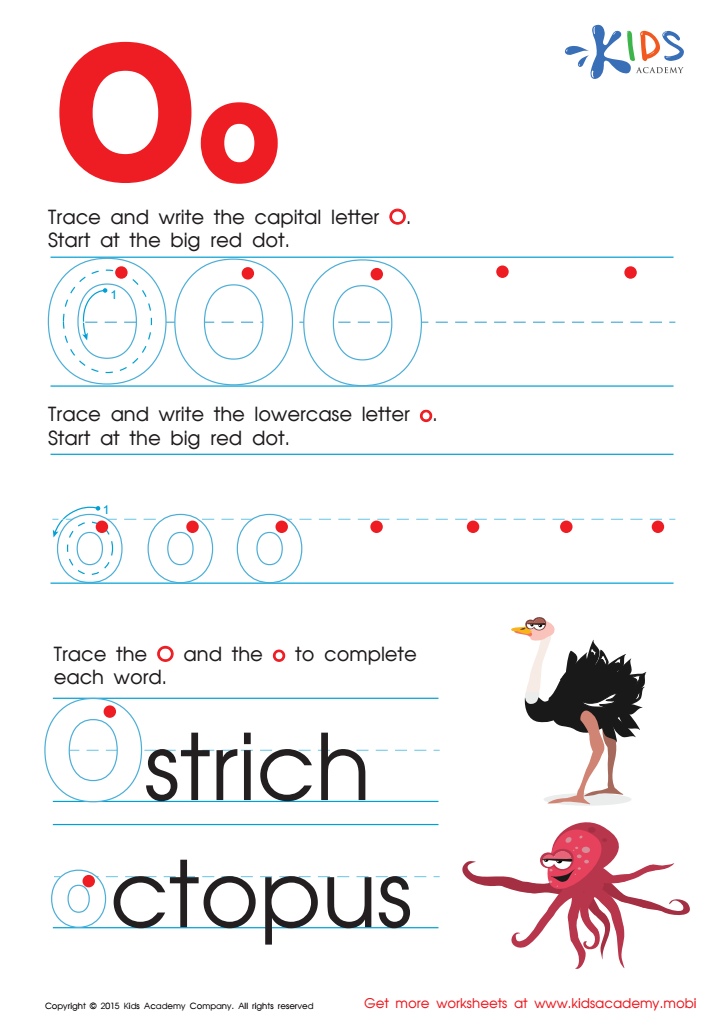
Letter O Tracing Page
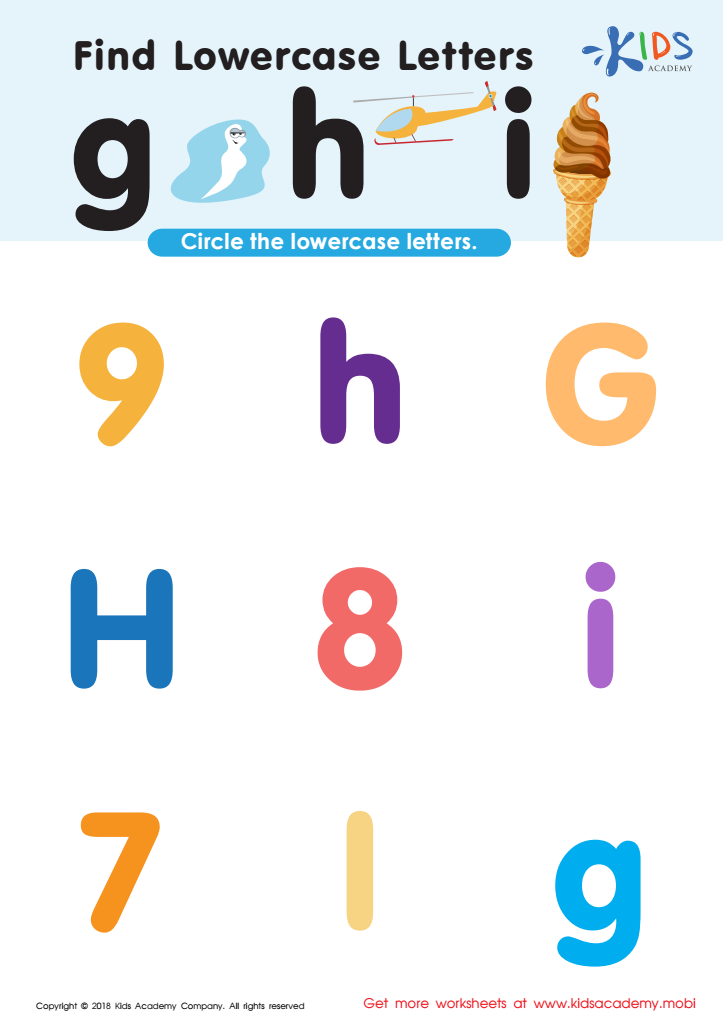
Find Lowercase Letters g h i Worksheet
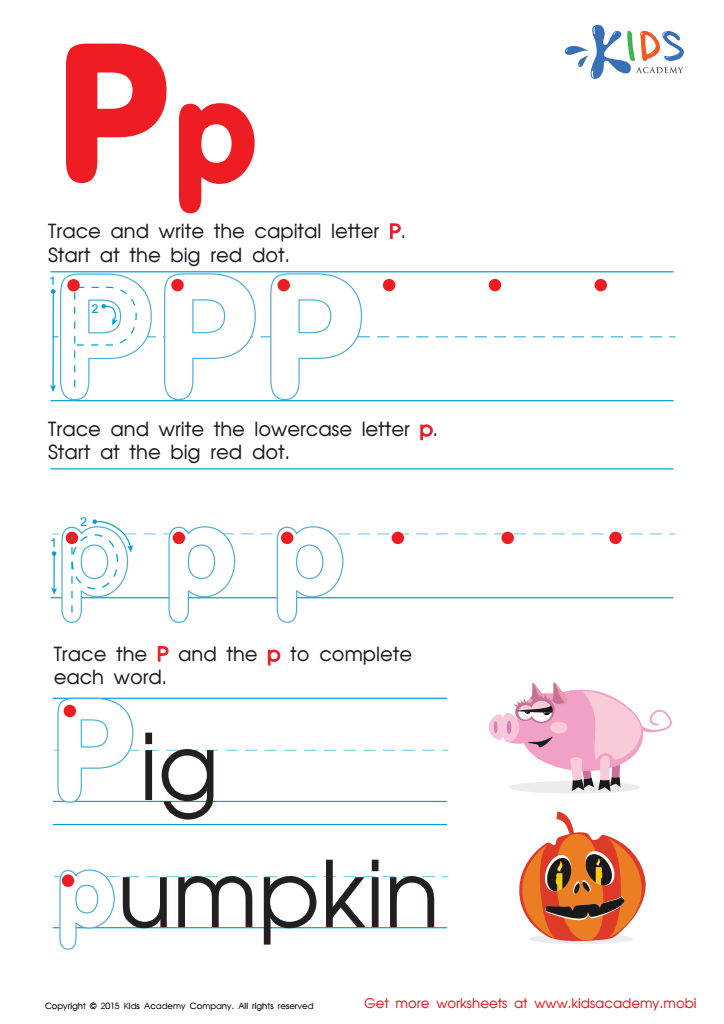
Letter P Tracing Page
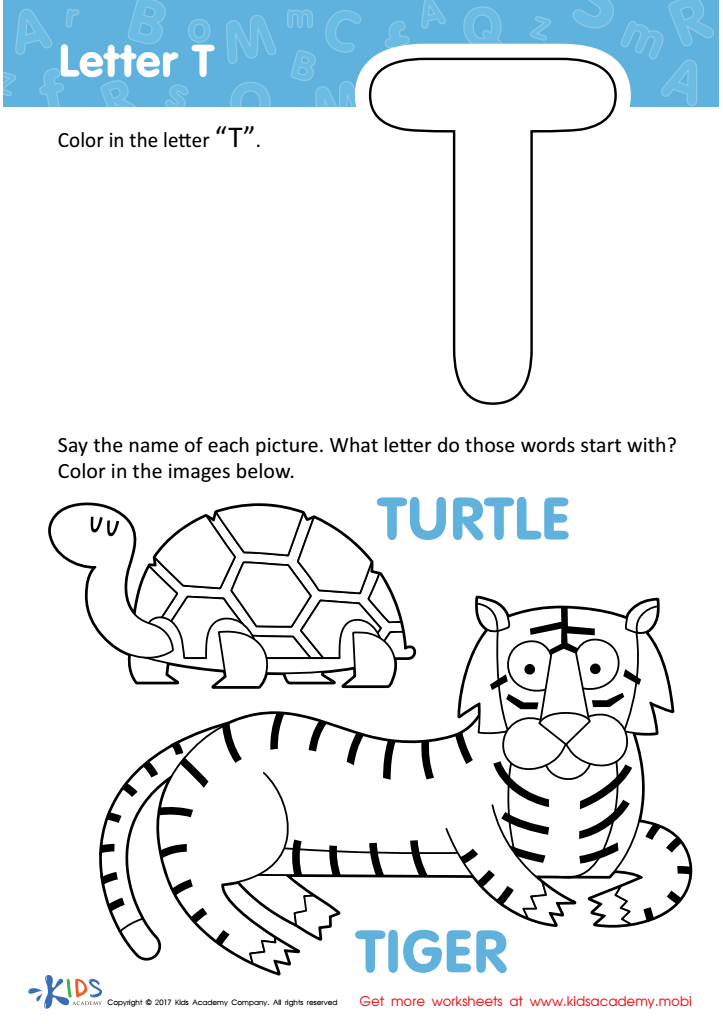
Letter T Coloring Sheet
 Assign to My Students
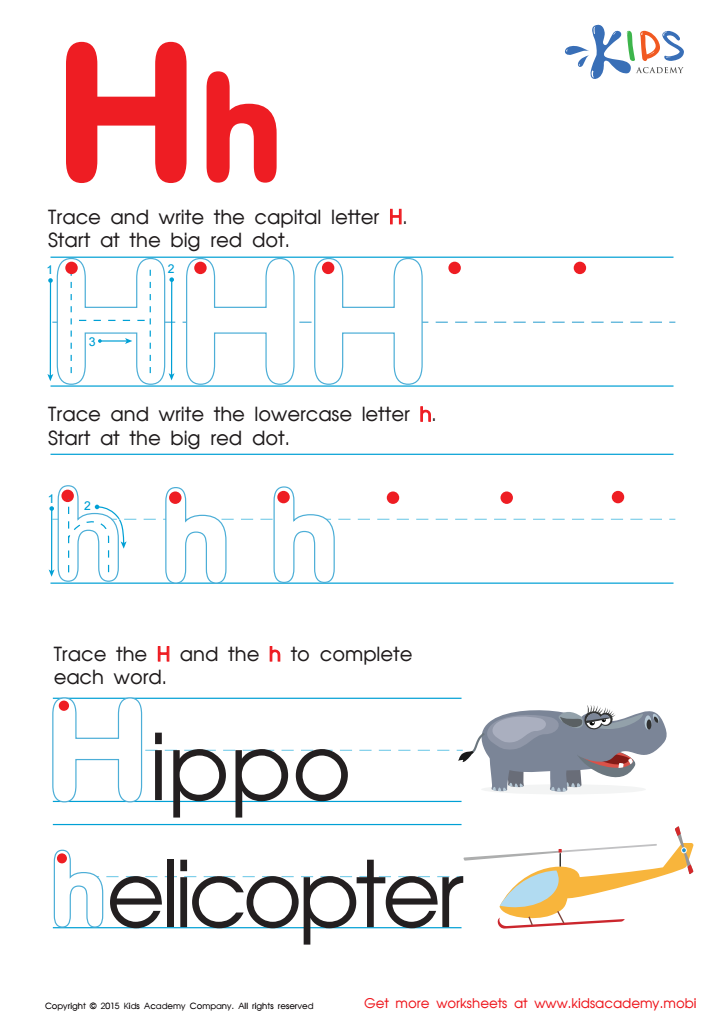
Letter H Tracing Page
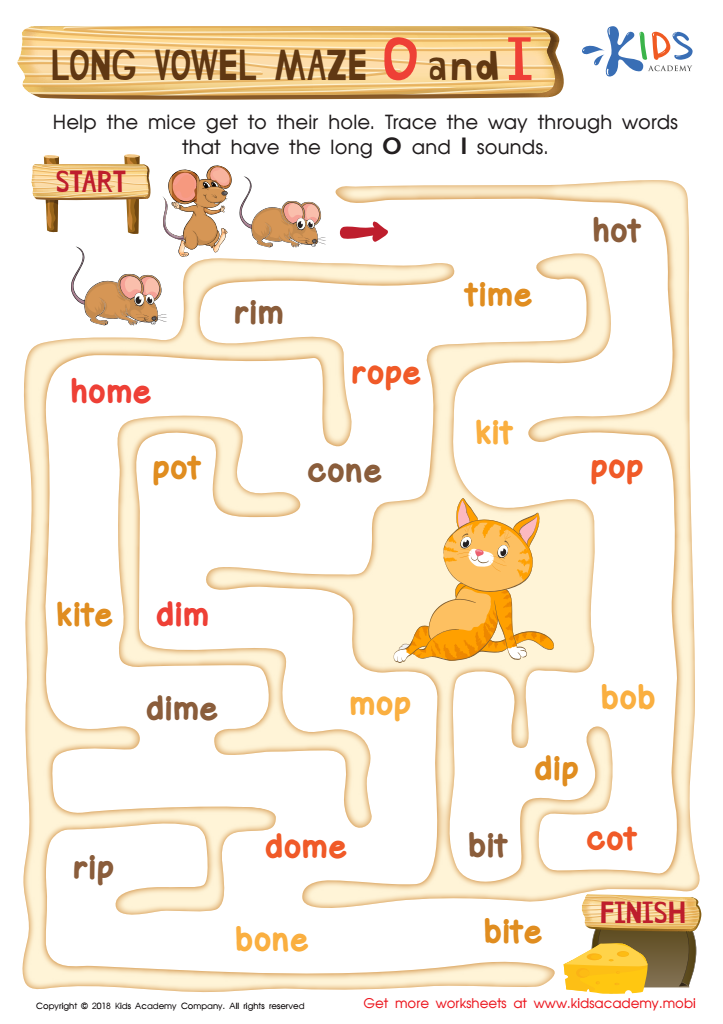
Long Vowel Maze /o/ and /i/ Worksheet
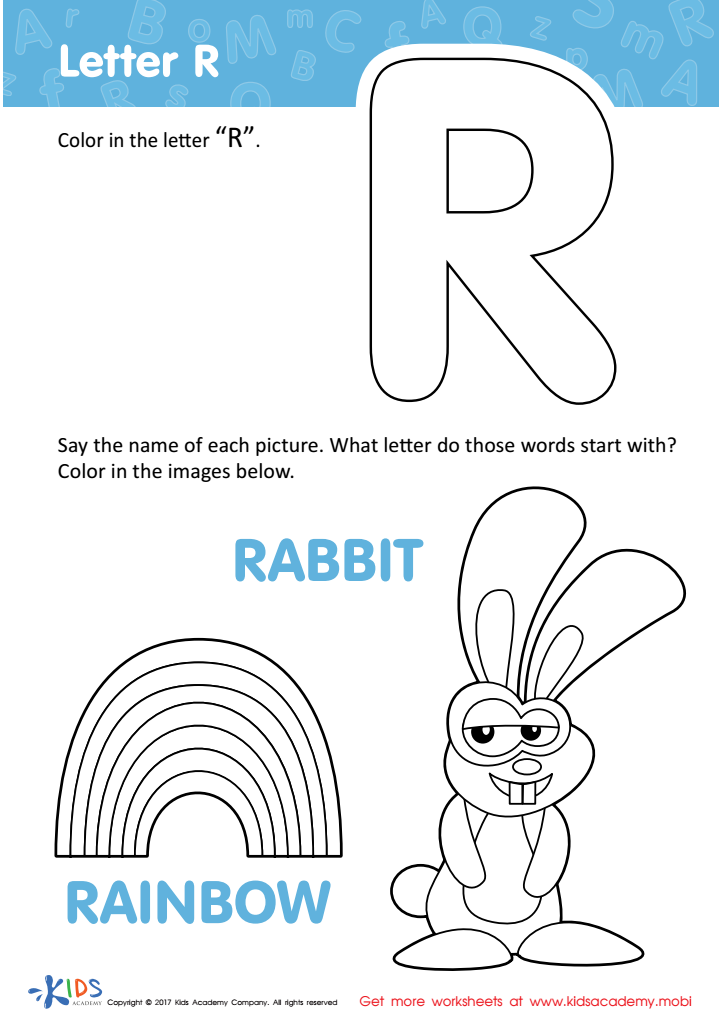
Letter R Coloring Sheet
Assign to My Students
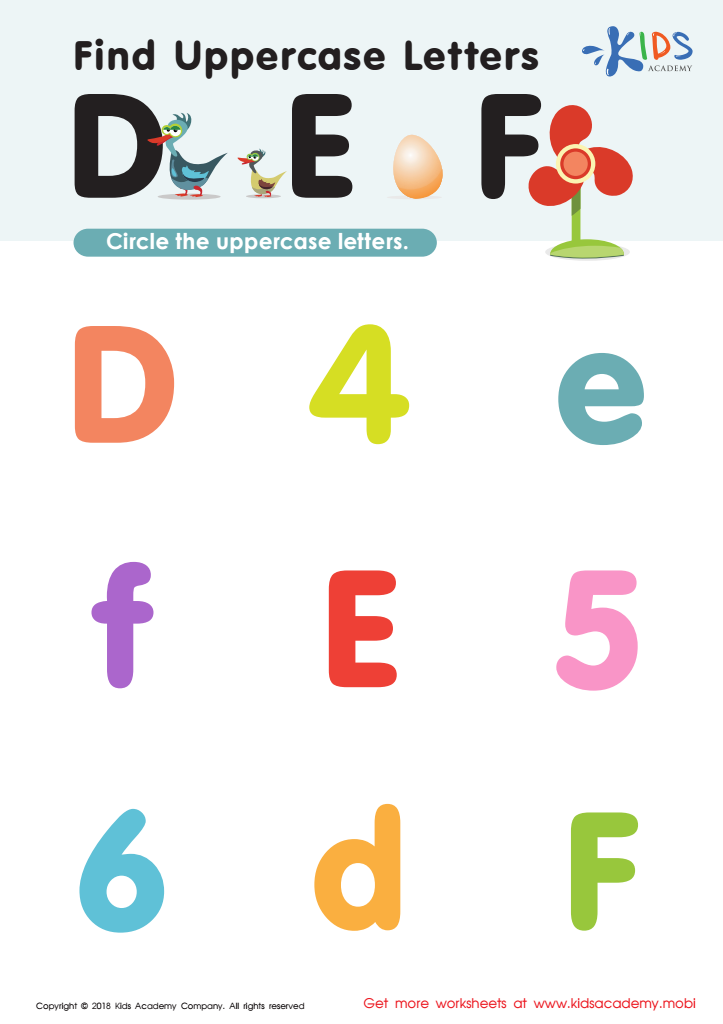
Find Uppercase Letters D, E, and F Worksheet

Letter D Tracing Page








Hand-eye coordination and letter recognition are crucial components of early childhood development, particularly for children aged 4-7. At this stage, children are beginning to grasp the mechanics of writing and reading, skills that are foundational for their future academic success. Developing hand-eye coordination plays a vital role in mastering these skills as it allows children to effectively control their movements and manipulate writing tools, which is essential for letter formation.
Moreover, early letter recognition empowers children to become confident readers. By recognizing letters, children can start to decode words, paving the way for reading fluency. When combined with hand-eye coordination, this recognition emerges naturally through engaging activities such as drawing letters, tracing, or interactive games. These fun and practical approaches make learning enjoyable and keep children motivated.
Additionally, strong hand-eye coordination can enhance a child’s performance in various settings beyond literacy, such as sports, arts, and everyday tasks. For parents and teachers, focusing on these skills in early education nurtures well-rounded, self-assured learners. Establishing a strong foundation in both areas significantly contributes to cognitive development, encouraging lifelong learning habits and fostering curiosity during these formative years.







