Handwriting practice Letter Recognition Worksheets for Ages 4-7 - Page 2
40 filtered results
-
From - To
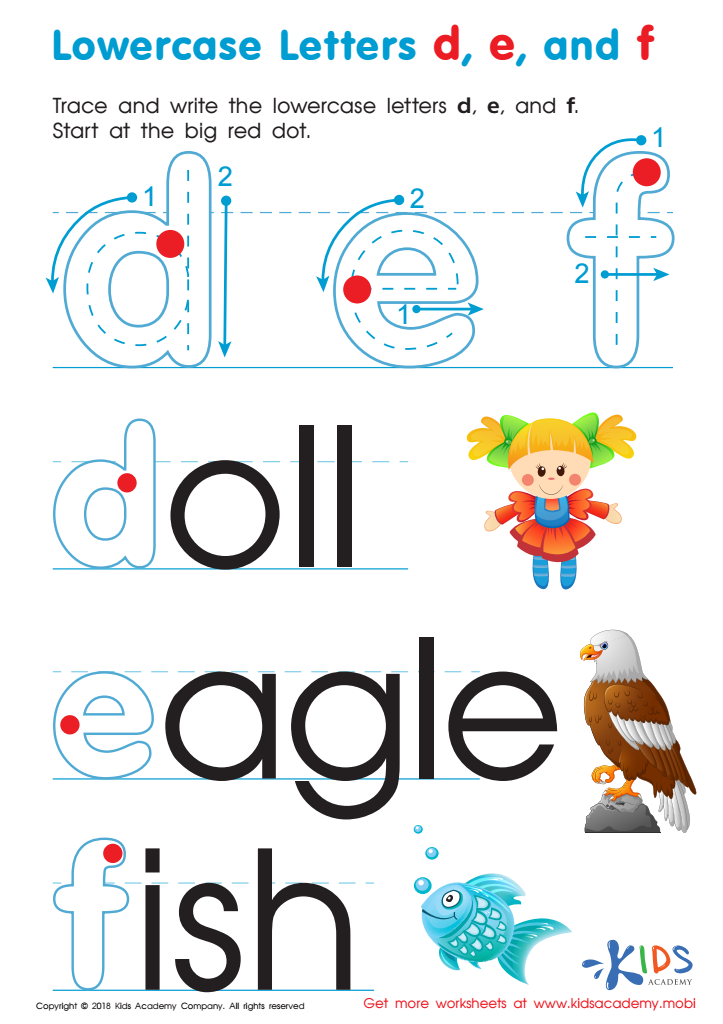
Lowercase Letters d e f Worksheet
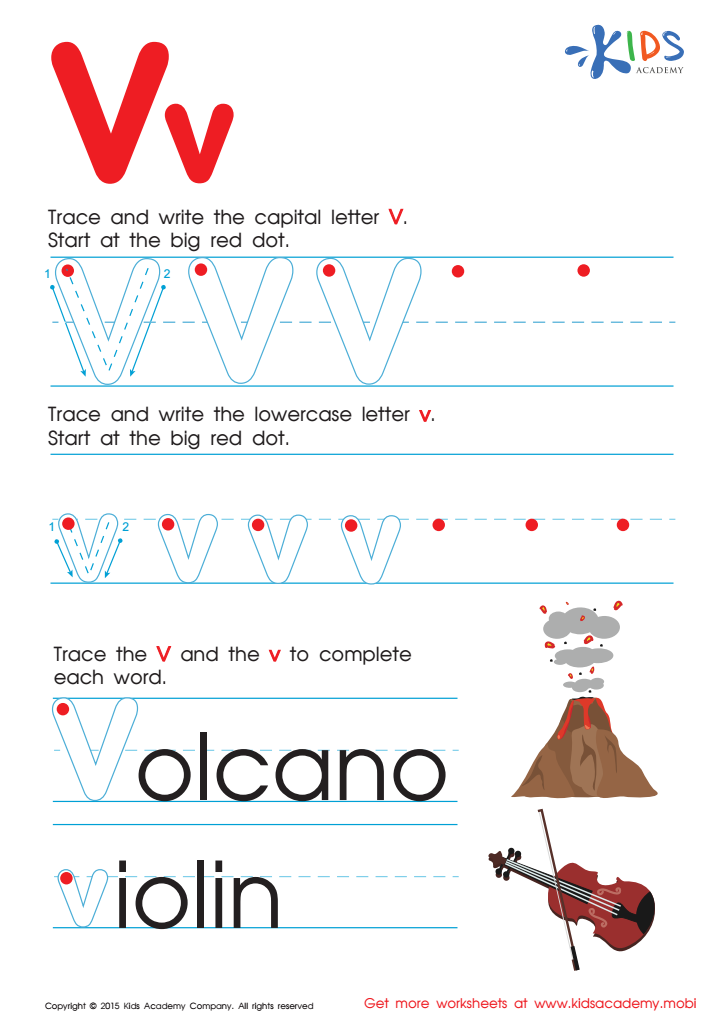
Letter V Tracing Page
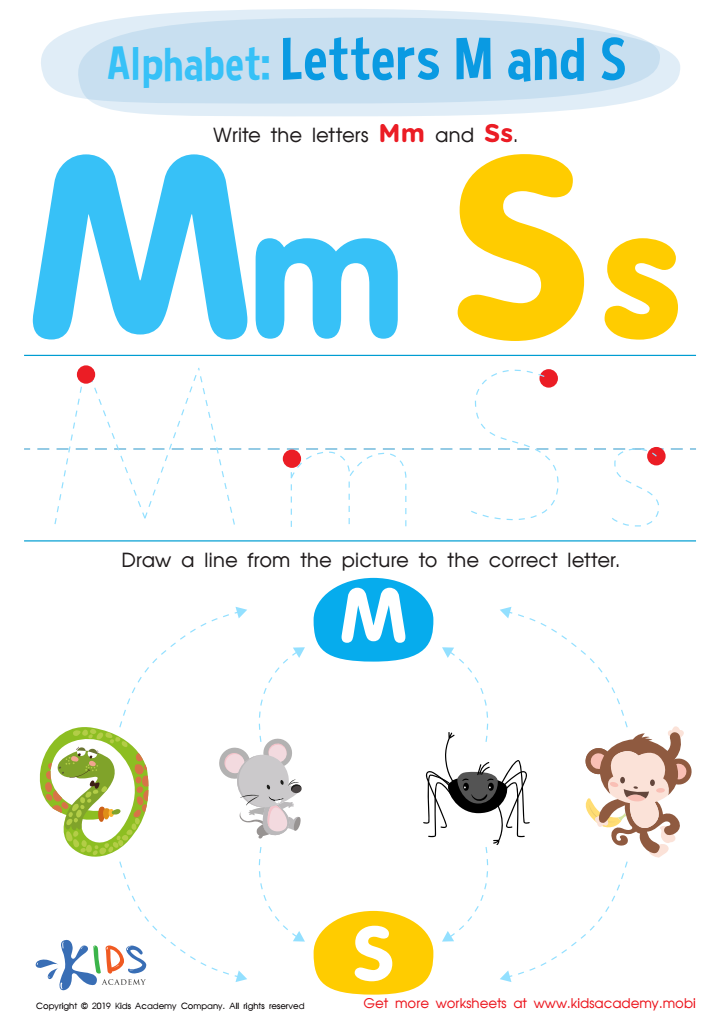
Letters M and S Tracing Worksheet
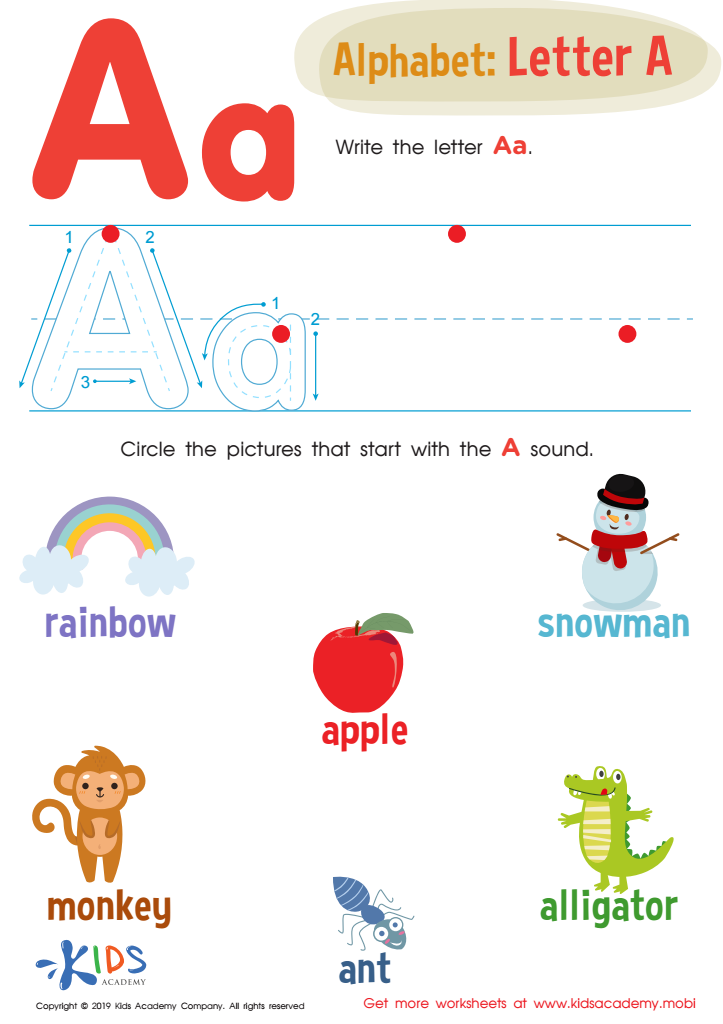
Letter A Tracing Worksheet
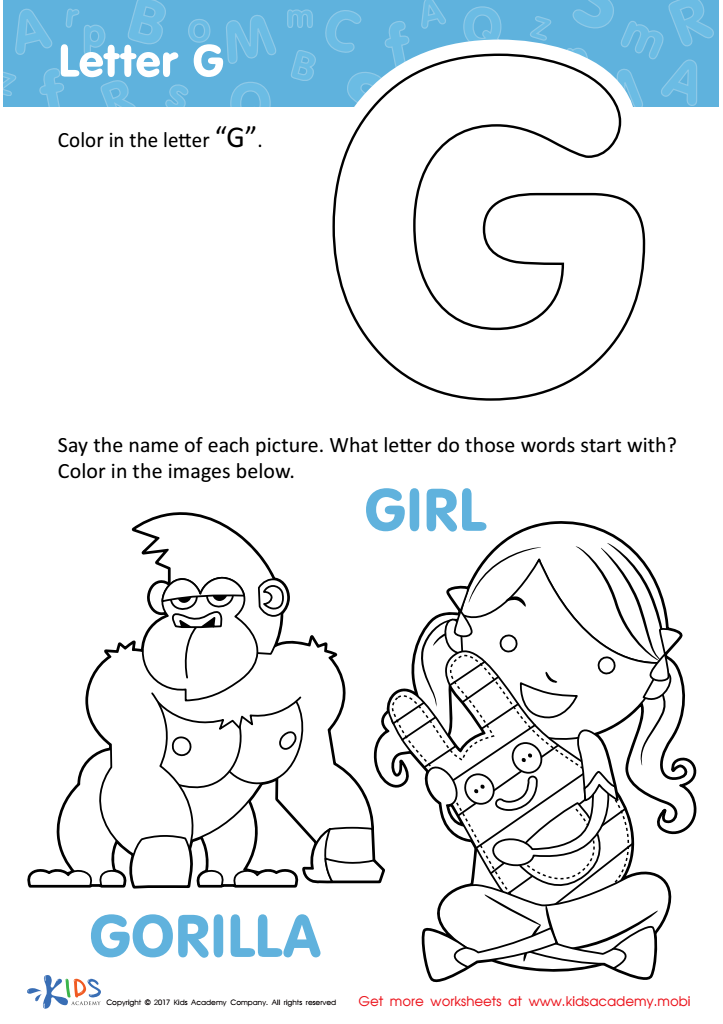
Letter G Coloring Sheet
 Assign to My Students
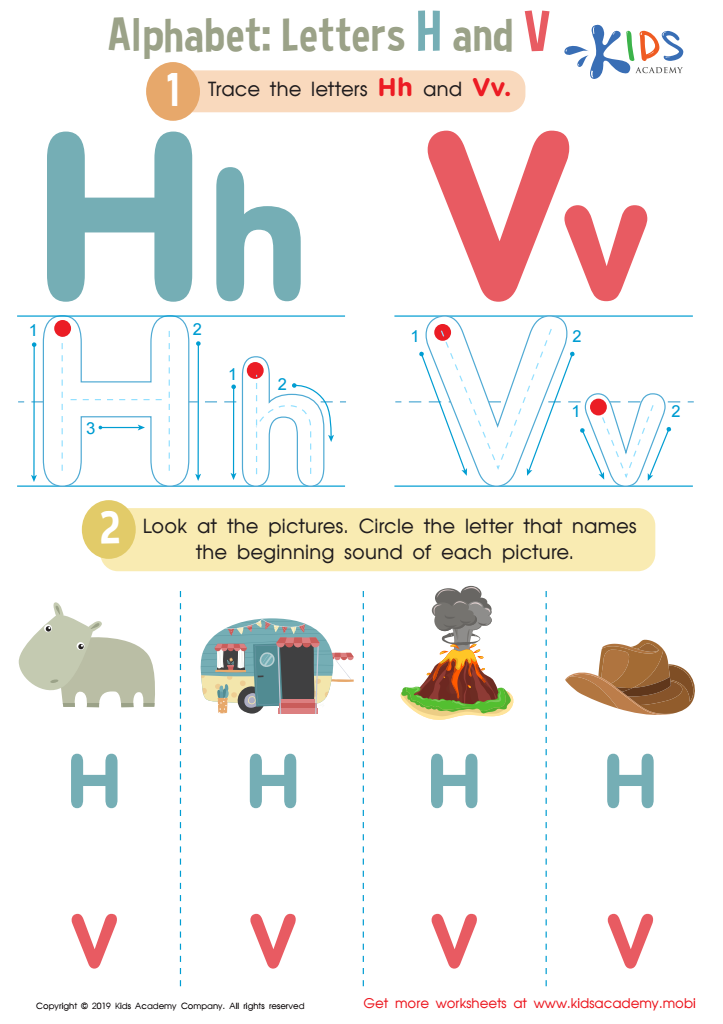
Letters H and V Tracing Worksheet
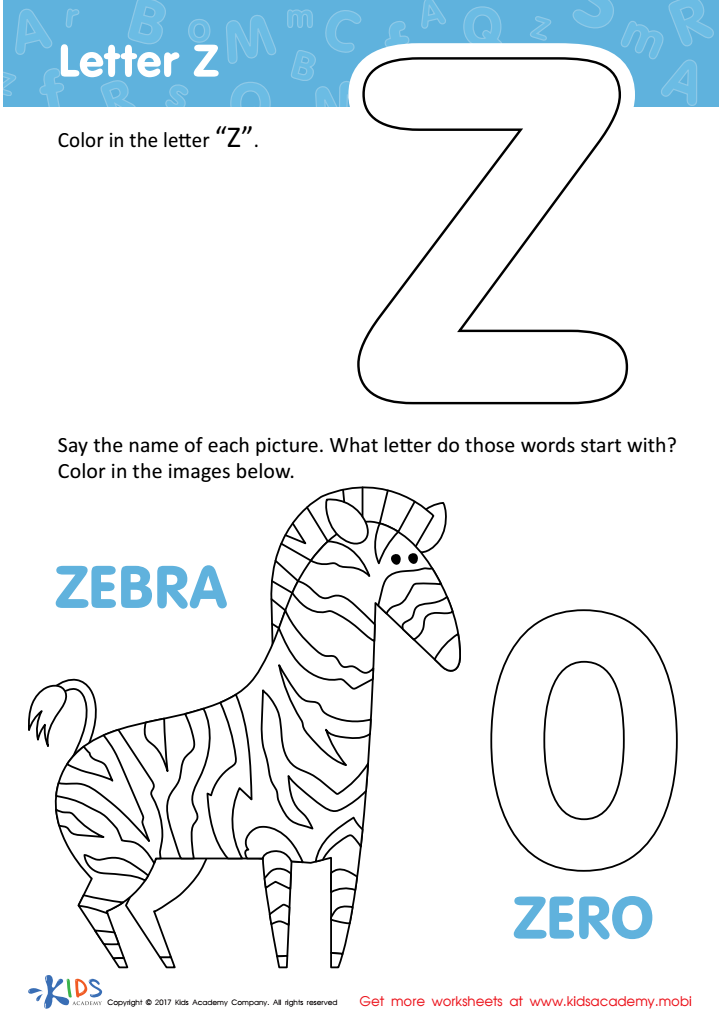
Letter Z Coloring Sheet
Assign to My Students
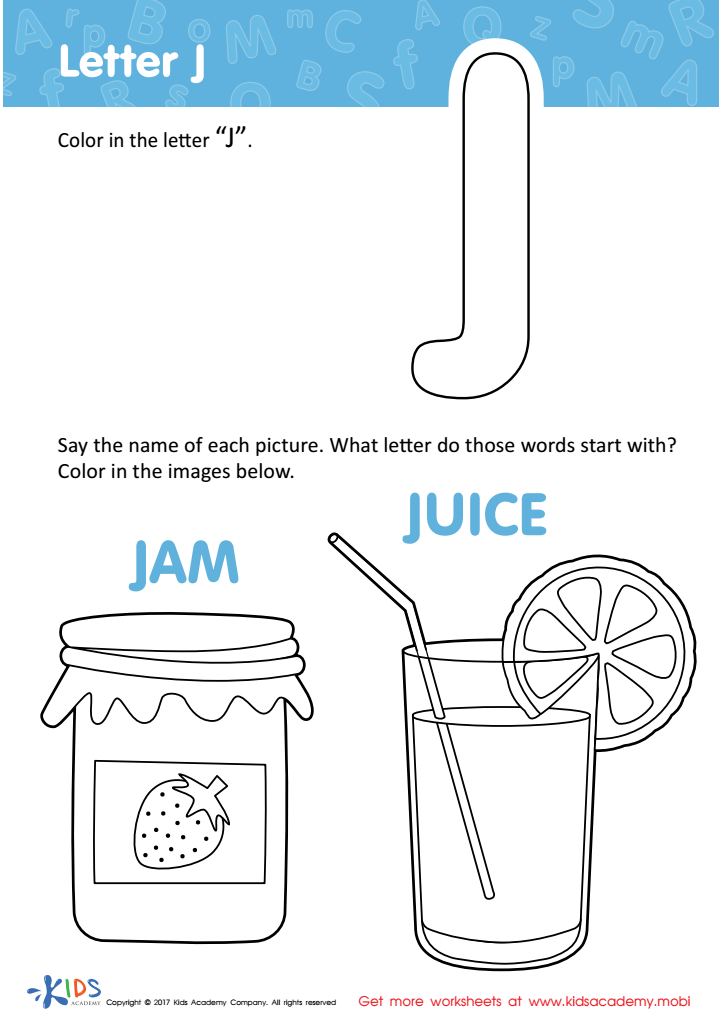
Letter J Coloring Sheet
Assign to My Students
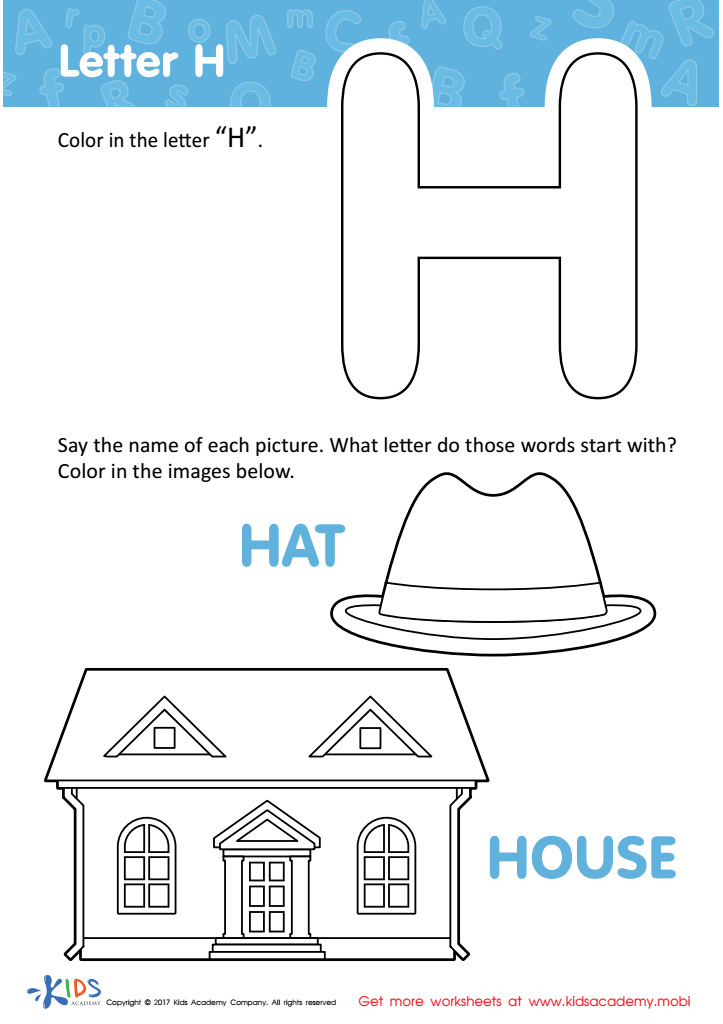
Letter H Coloring Sheet
Assign to My Students
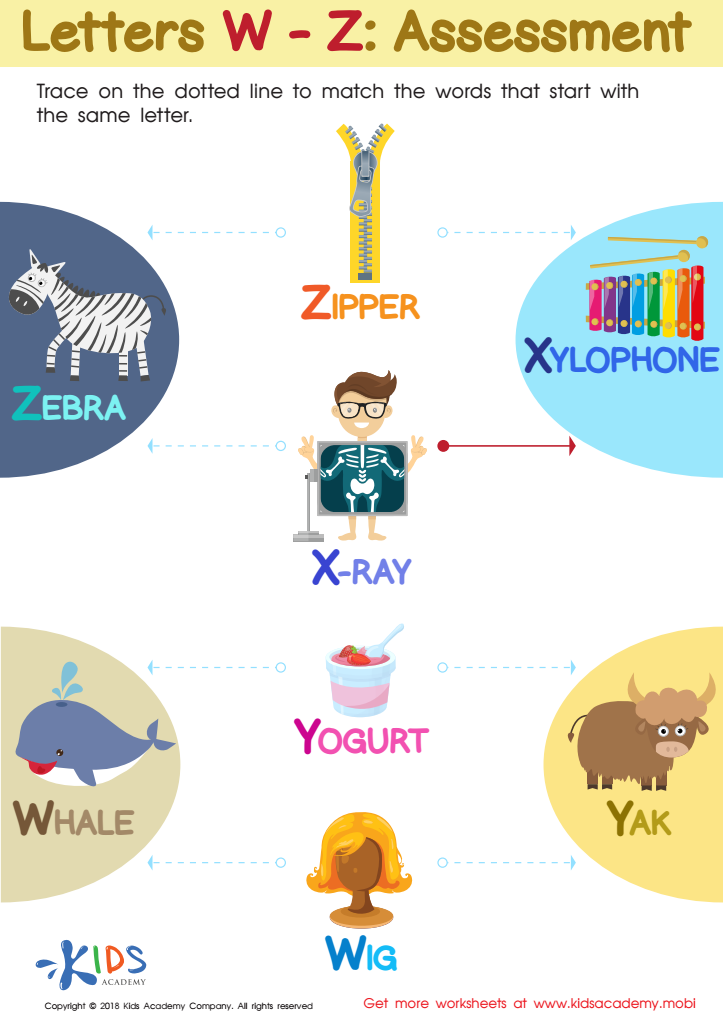
Letters W–Z Tracing Worksheet
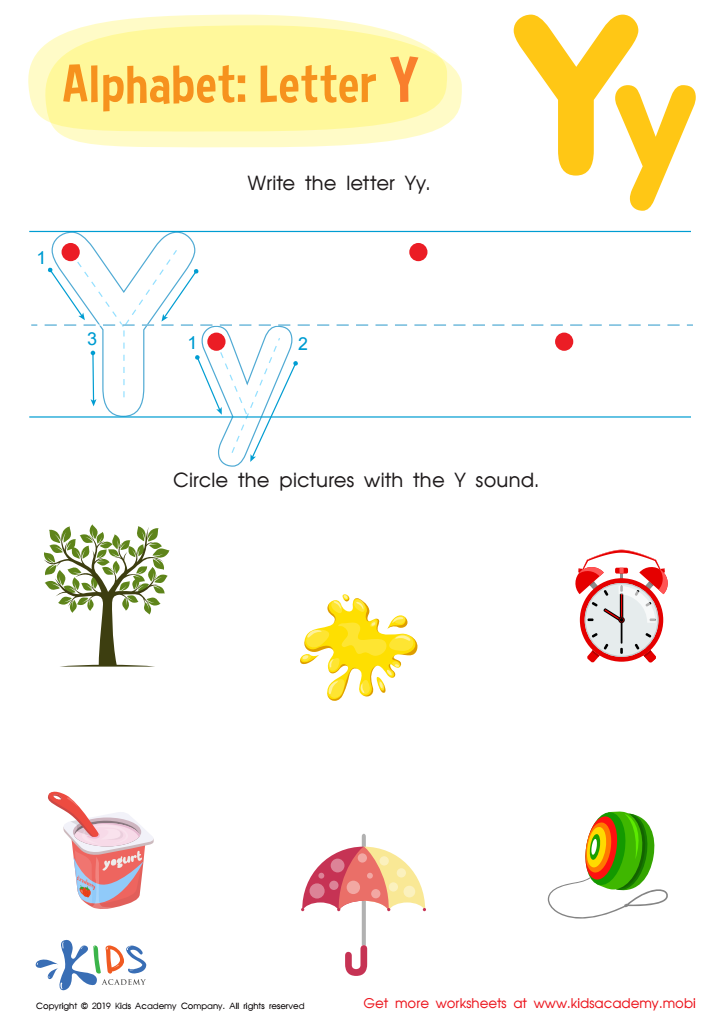
Letter Y Tracing Worksheet
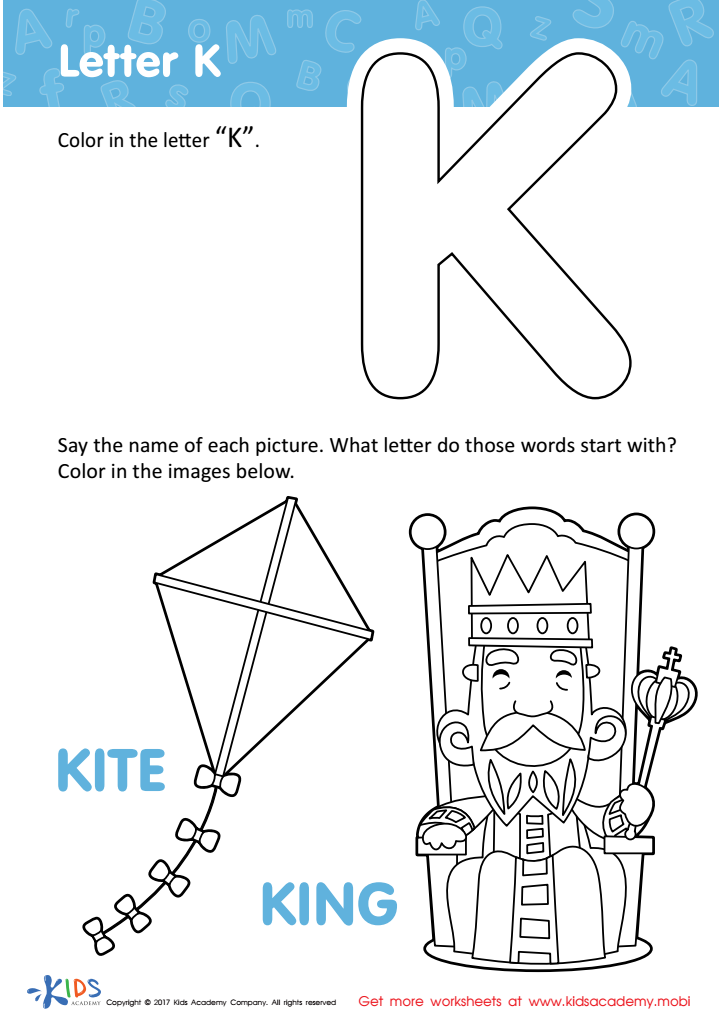
Letter K Coloring Sheet
Assign to My Students
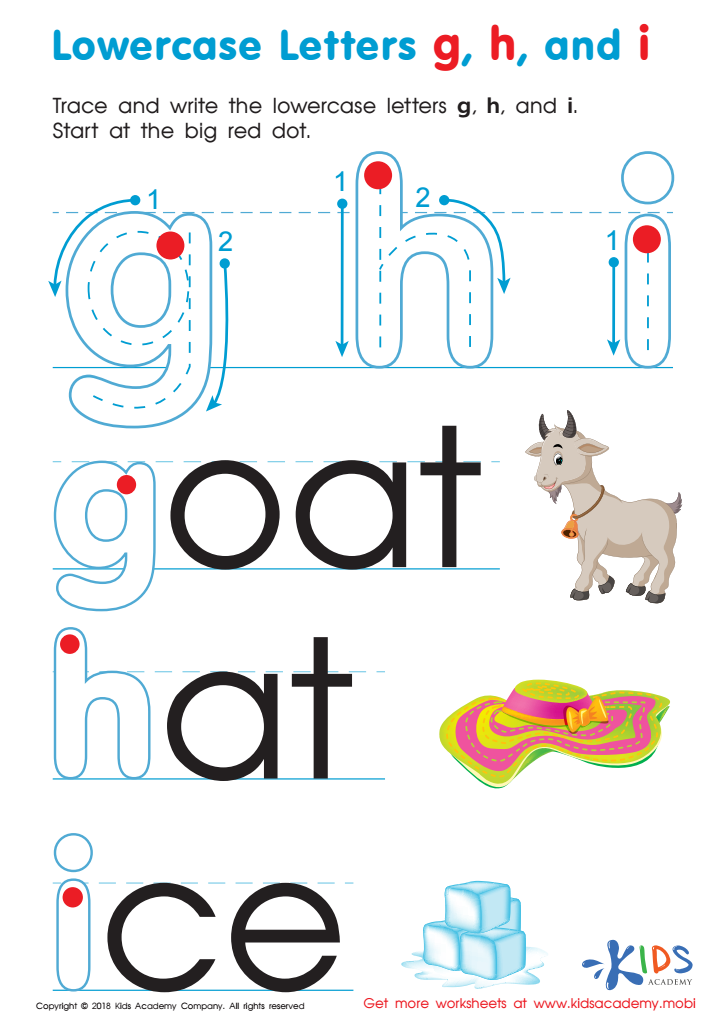
Lowercase Letters g h i Worksheet
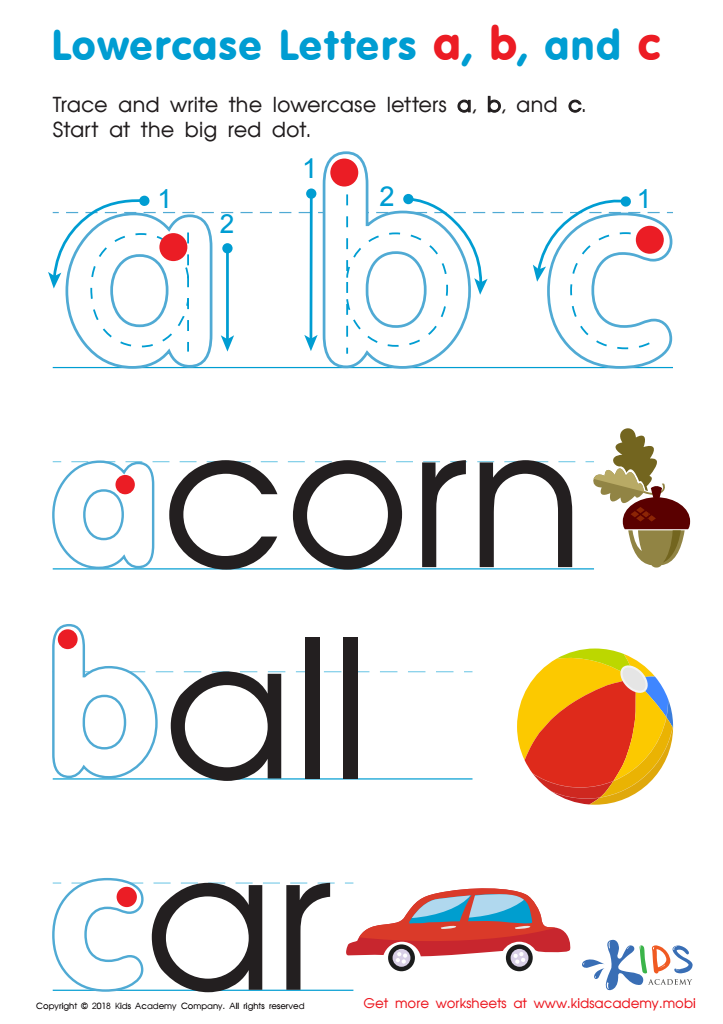
Lowercase Letters a b c Worksheet
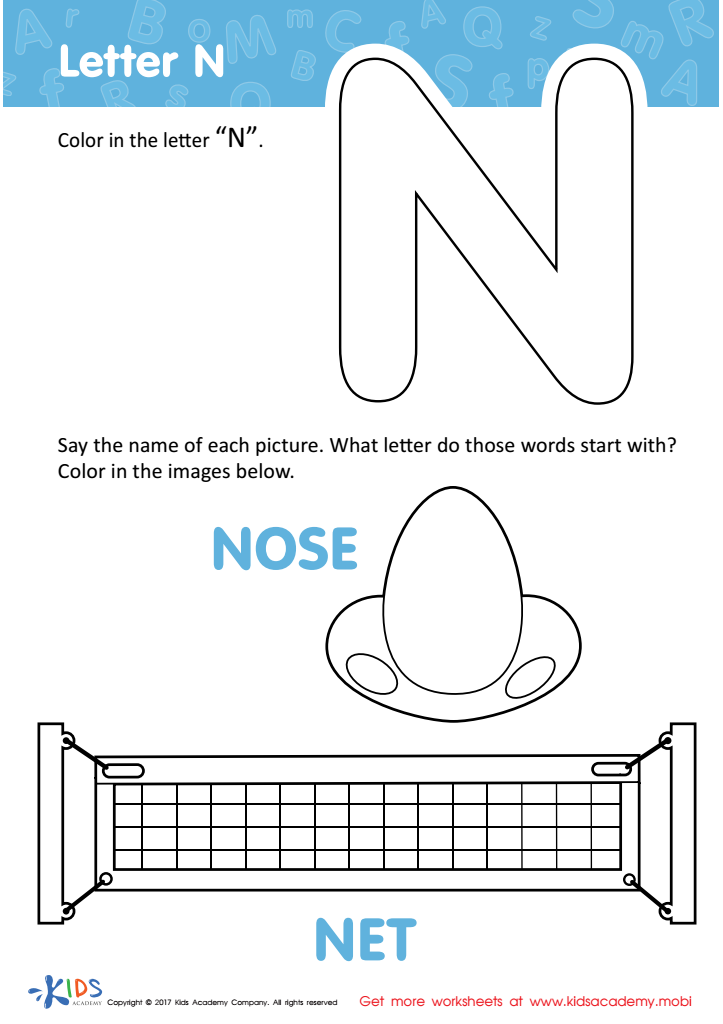
Letter N Coloring Sheet
Assign to My Students
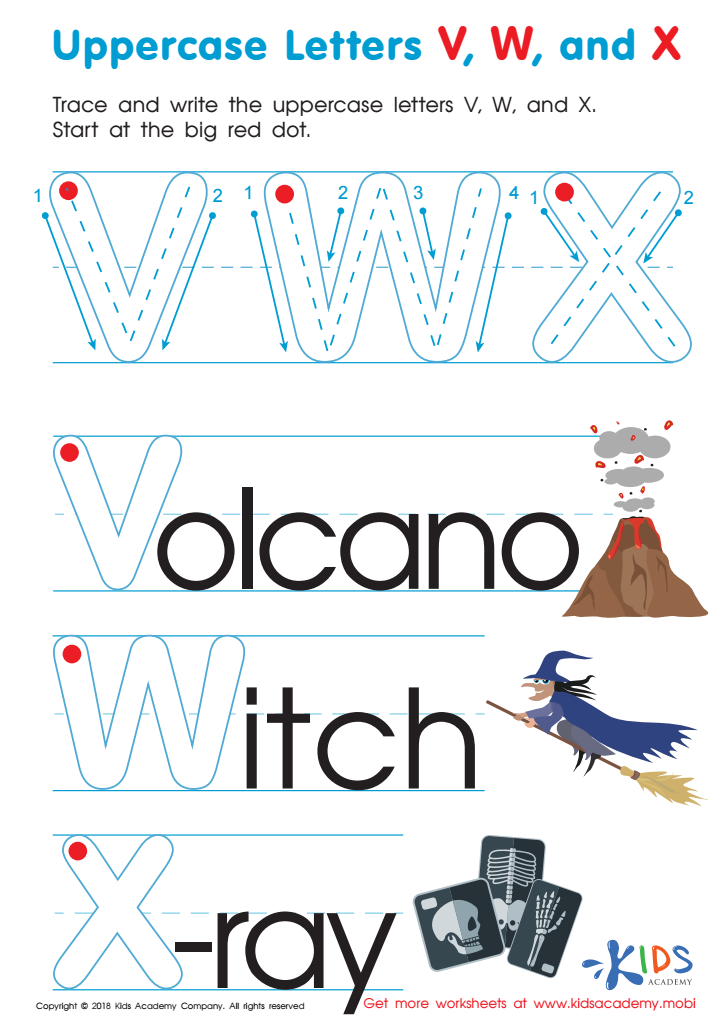
Uppercase Letters V, W, and X Worksheet








Handwriting practice and letter recognition are crucial for children aged 4-7 as they form the foundational skills needed for literacy development. At this stage, children are beginning to understand the relationship between spoken sounds and written symbols. By emphasizing handwriting practice, parents and teachers help children develop fine motor skills that enhance their ability to control a pencil or crayon, which is essential for writing.
Moreover, letter recognition aids in building vocabulary and reading skills. Recognizing letters helps children decode words, making them more confident in their reading abilities. This confidence spills over into other areas of learning, as children who can read are often more engaged and interested in school.
Additionally, handwriting practice encourages cognitive development, as it involves memory, concentration, and coordination. A well-rounded focus on these skills during the early years supports overall academic success and a positive attitude towards learning.
Ultimately, investing time in handwriting and letter recognition fosters a love for reading and writing, setting the stage for lifelong literacy skills. Parents and teachers should prioritize these activities to promote not just academic performance but also essential life skills that extend beyond the classroom.







