Reading comprehension Letter Recognition Worksheets for Ages 4-7
10 filtered results
-
From - To
Boost your child's reading skills with our engaging "Reading Comprehension Letter Recognition Worksheets" designed for ages 4-7. These thoughtfully crafted resources help young learners master letter recognition while developing essential reading comprehension abilities. Each fun and interactive worksheet combines colorful illustrations with simple, age-appropriate activities to keep kids engaged and excited to learn. Perfect for both parents and teachers, these printable worksheets offer a structured yet enjoyable approach to early literacy. Through practice, kids will strengthen their foundation for future reading success. Unlock the joy of learning and help your child thrive with our comprehensive collection today!
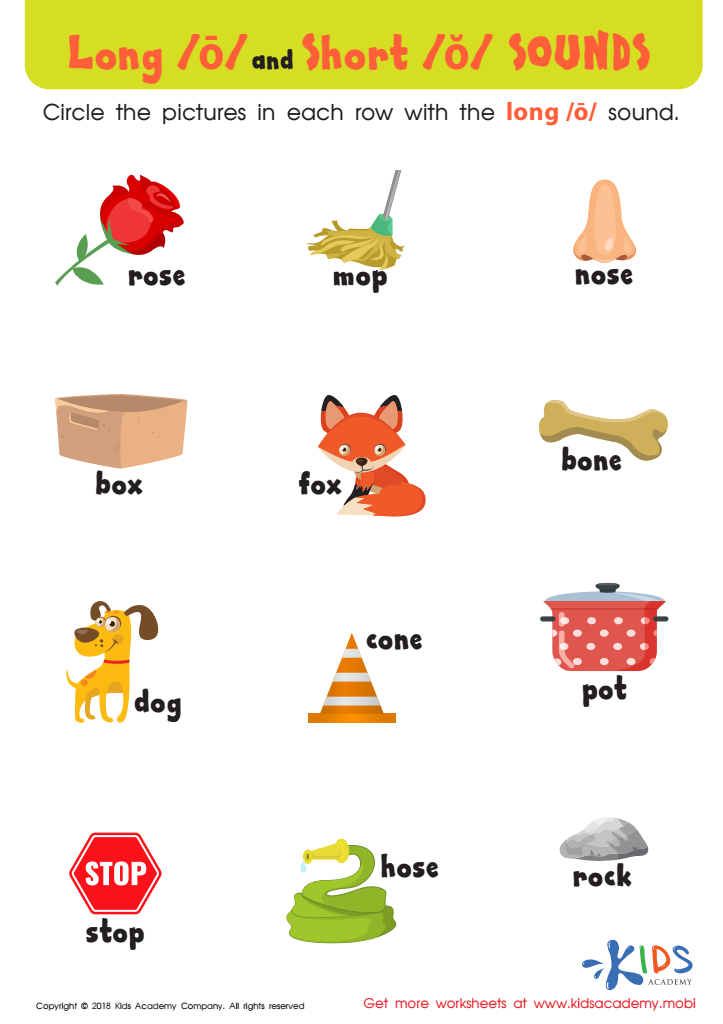
Reading: Long O and Short O Sounds Worksheet
 Assign to My Students
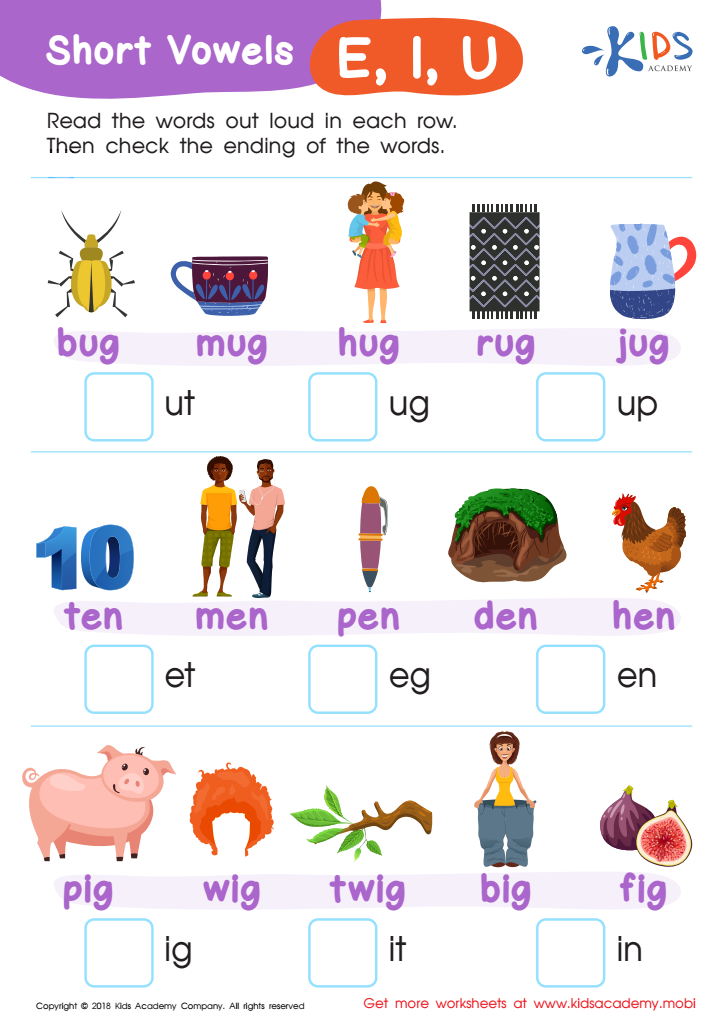
Short Vowels /e/, /i/, and /u/ Worksheet
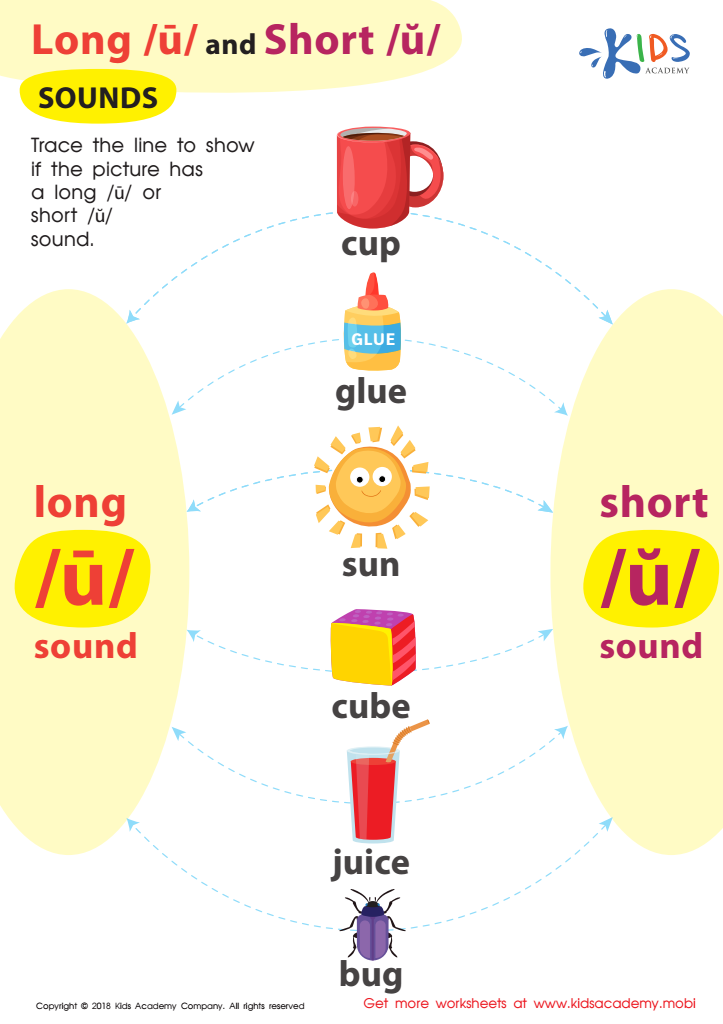
Reading: Long U and Short U Sounds Worksheet
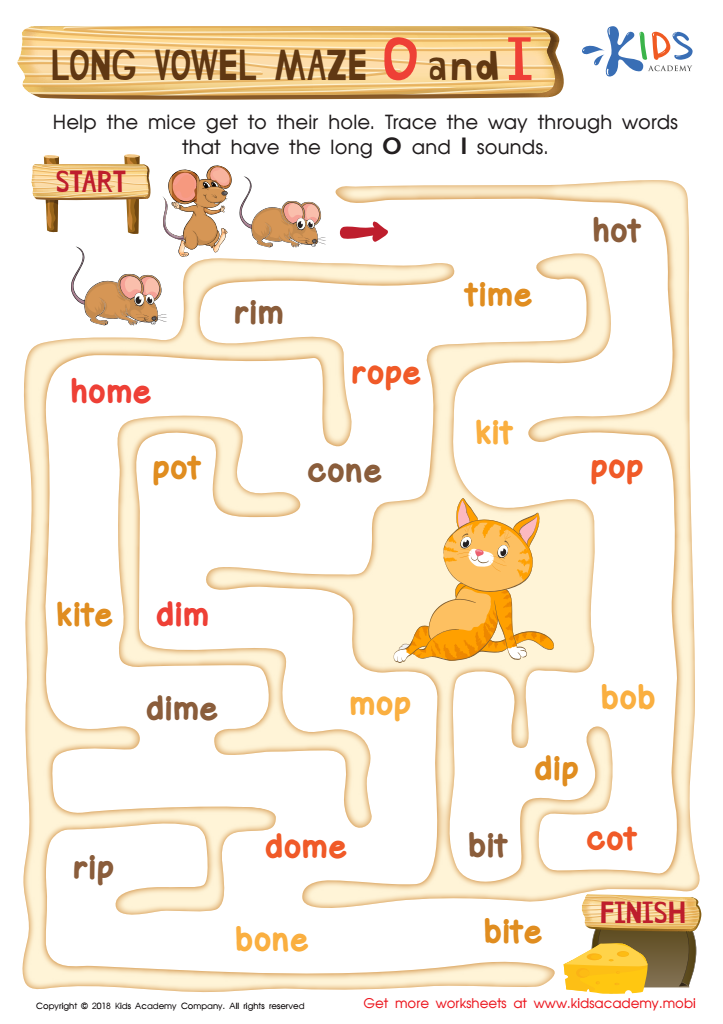
Long Vowel Maze /o/ and /i/ Worksheet
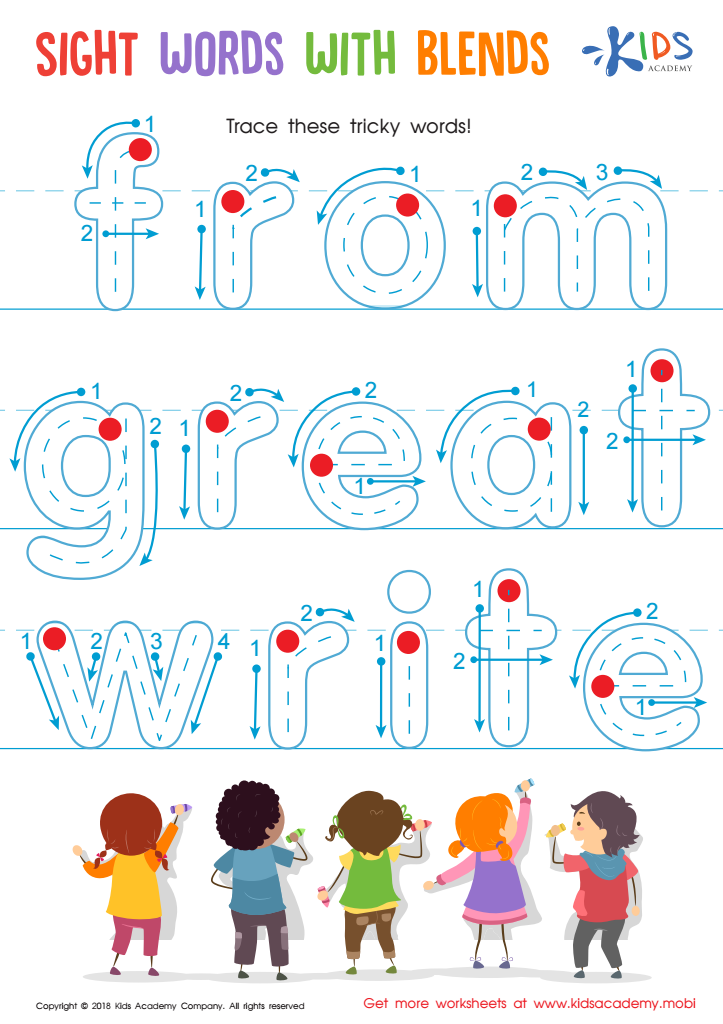
Sight Words with Blends Worksheet
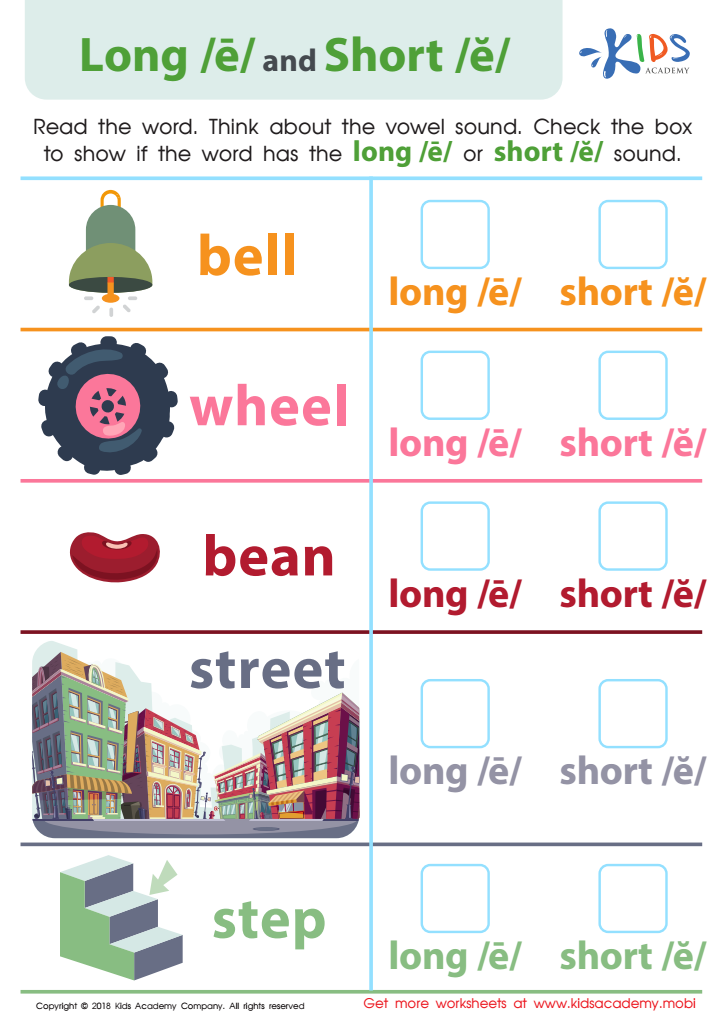
Reading: Long E and Short E Worksheet
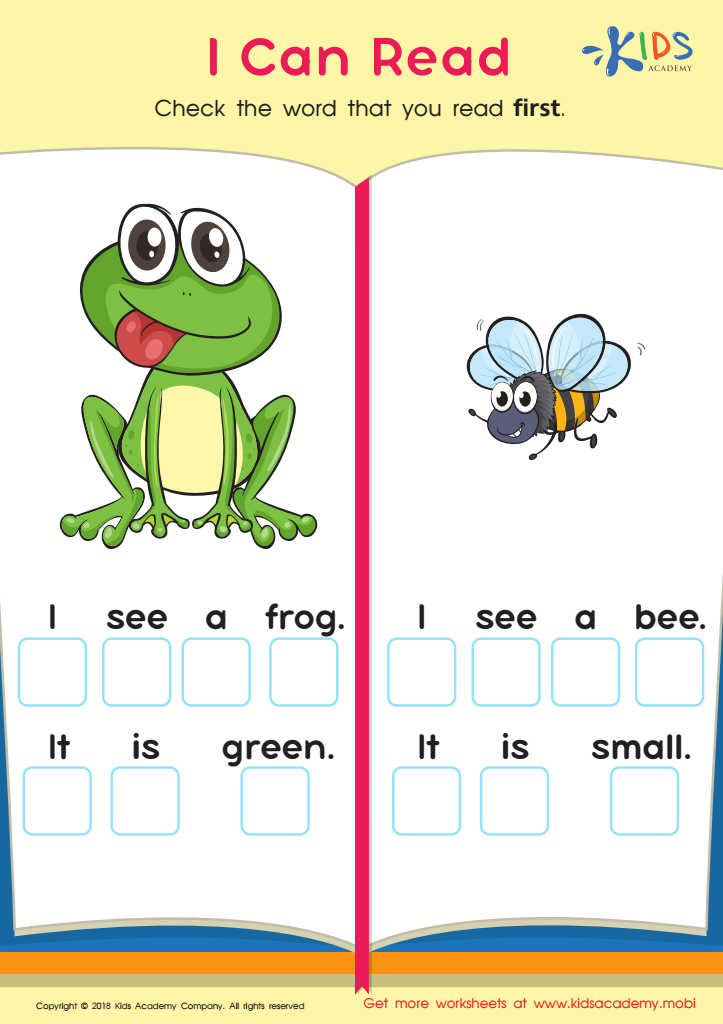
I Can Read Worksheet
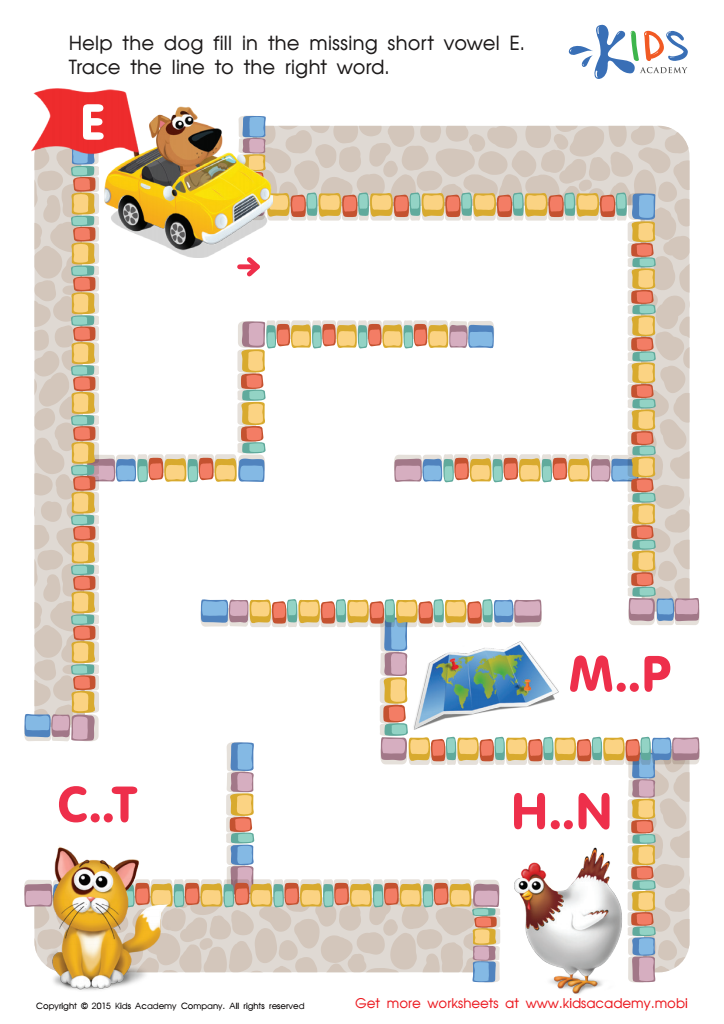
Short Vowel Sound E Worksheet
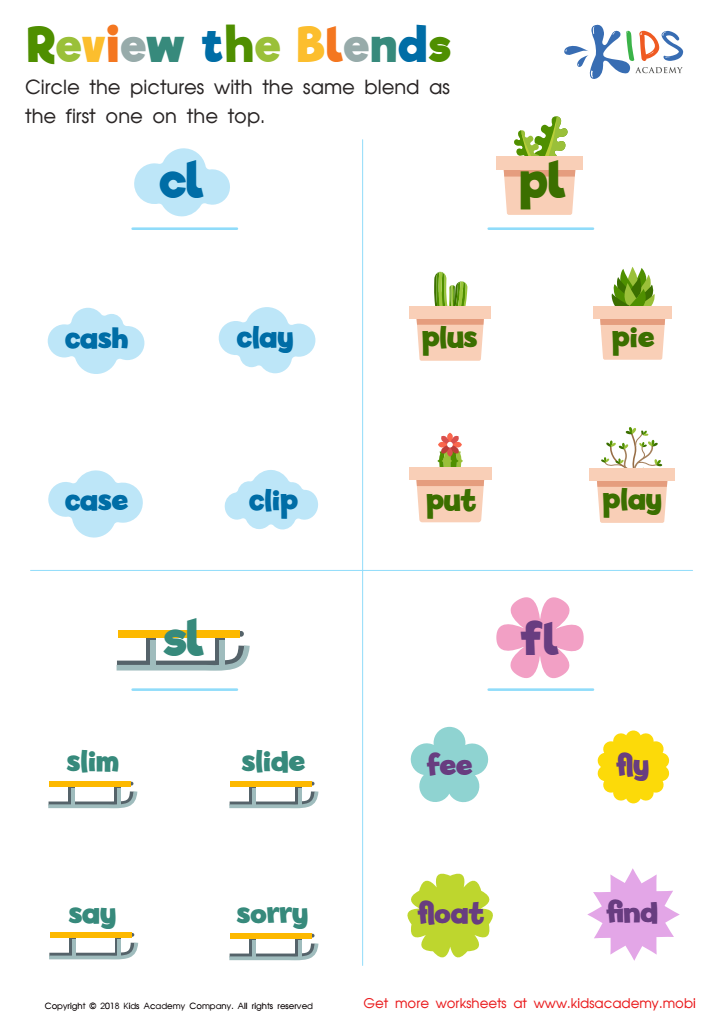
Review the Blends Worksheet
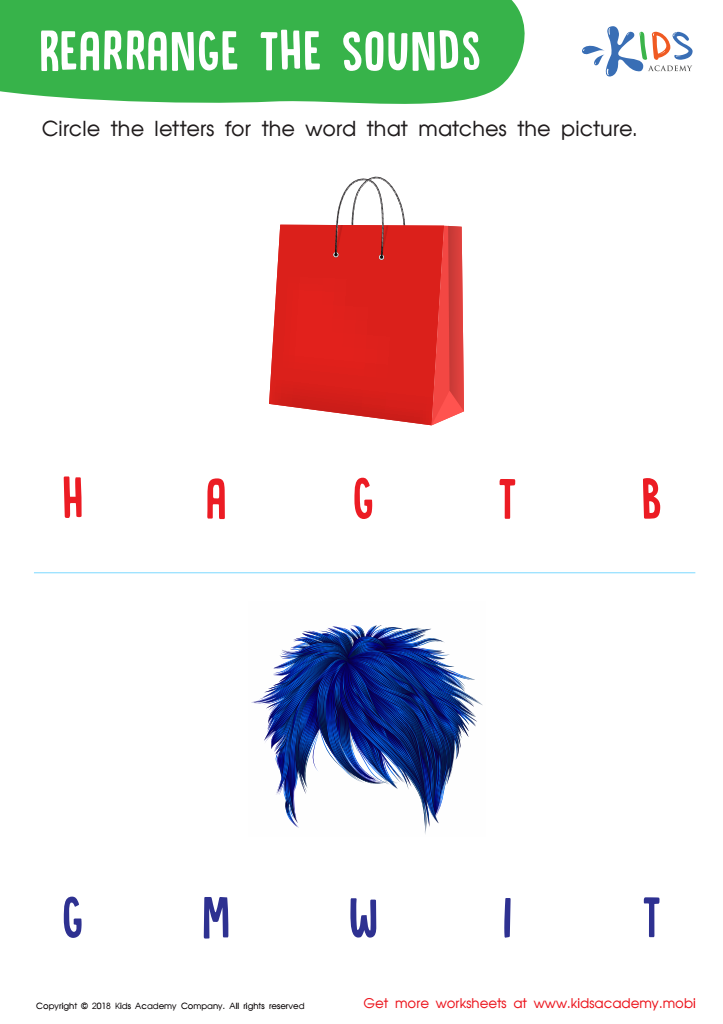
Rearrange the Sounds Worksheet








Reading comprehension and letter recognition are foundational skills critical to a child's academic success and overall cognitive development. For ages 4-7, an emphasis on these skills forms the bedrock for future learning.
Firstly, letter recognition is the ability to identify letters by name, sound, and shape, which is fundamental to reading proficiency. Children who can recognize letters easily transition to phonemic awareness—understanding how letter sounds combine to form words. This helps in accurate decoding, alleviating the struggles of word recognition.
Reading comprehension, the ability to understand and interpret text, is equally crucial. Comprehension skills enable a child not just to read words, but to derive meaning, ask questions, and build a lasting interest in books. This fosters critical thinking skills and nurtures a lifelong love for reading, contributing positively to their educational trajectories.
Moreover, early proficiency in these areas correlates with increased literacy rates and better academic performance in later years. Strong reading capabilities enhance vocabulary, improve communication skills, and make it easier to grasp complex subjects across the curriculum.
Parents and teachers play pivotal roles in cultivating these skills, providing structured learning environments, engaging reading materials, and positive reinforcement. Their involvement transforms abstract letters and words into vibrant storytelling, making learning both effective and enjoyable. In essence, investing time and resources in letter recognition and reading comprehension during these formative years cultivates confident, capable, and enthusiastic learners.







