Writing practice Letter Recognition Worksheets for Ages 4-7
14 filtered results
-
From - To
Looking to enhance your child's letter recognition skills? Our Writing Practice Letter Recognition Worksheets for Ages 4-7 are the perfect tools! Designed to support early learners, these engaging worksheets help kids identify letters while practicing their handwriting. Tailored for preschool and kindergarten-aged children, our printables combine fun visuals with essential writing exercises, making learning enjoyable and effective. With a variety of activities focused on both uppercase and lowercase letters, children will build their confidence in their reading and writing abilities. Explore our collection today and watch your child's literacy skills flourish with these interactive and educational worksheets!

Letter A Tracing Page
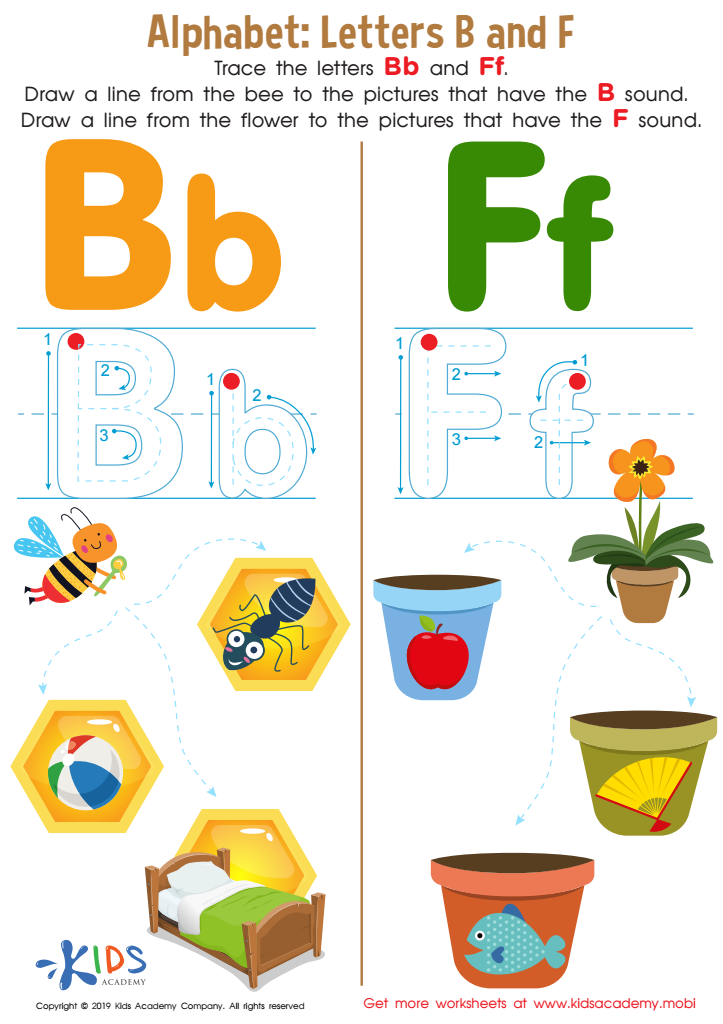
Letters B and F Tracing Worksheet
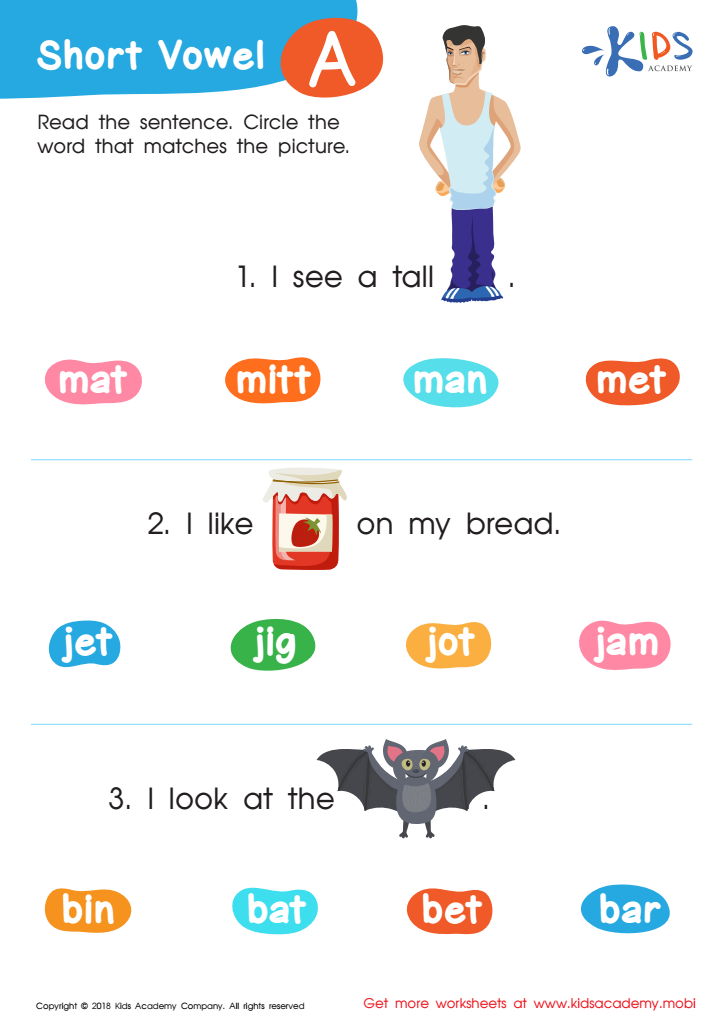
Short Vowel /a/ Worksheet
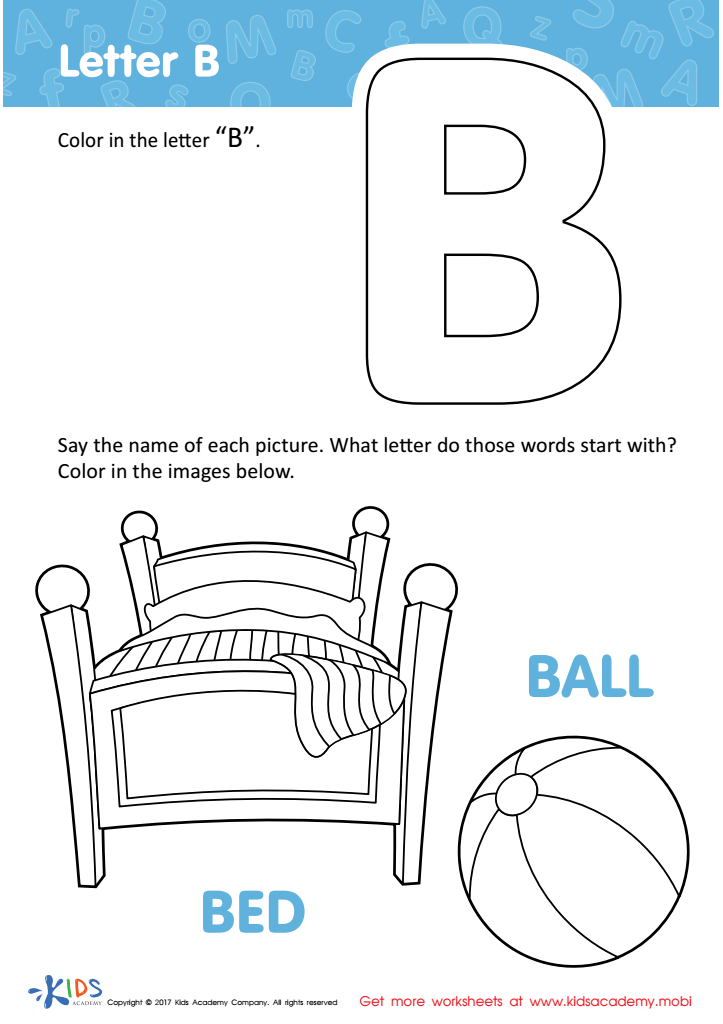
Letter B Coloring Sheet
 Assign to My Students
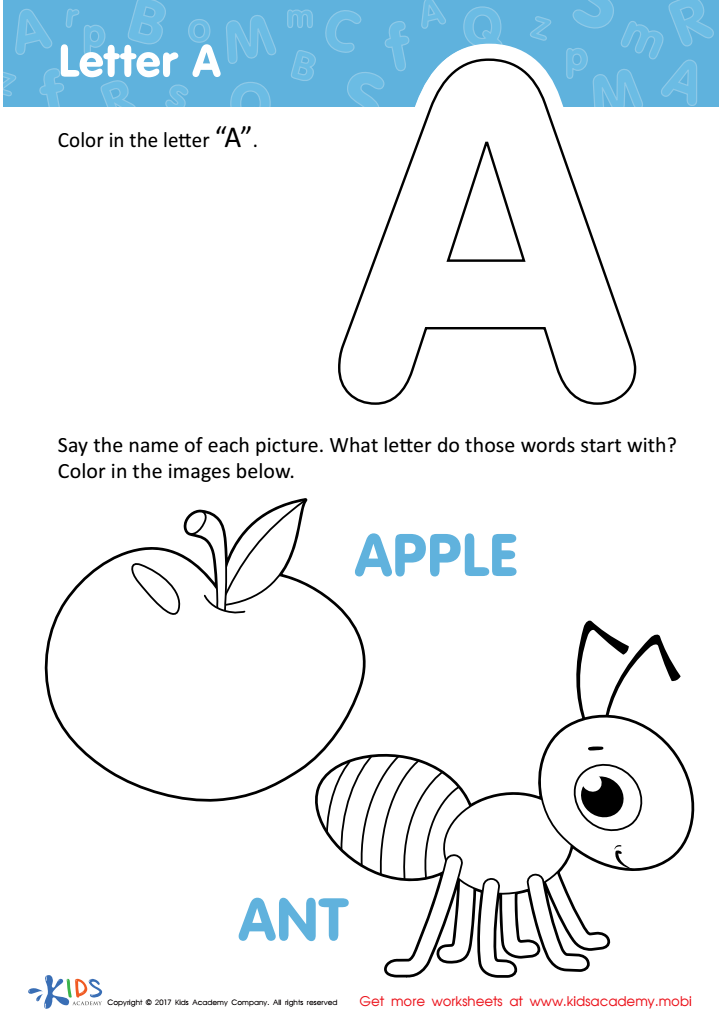
Letter A Coloring Sheet
Assign to My Students
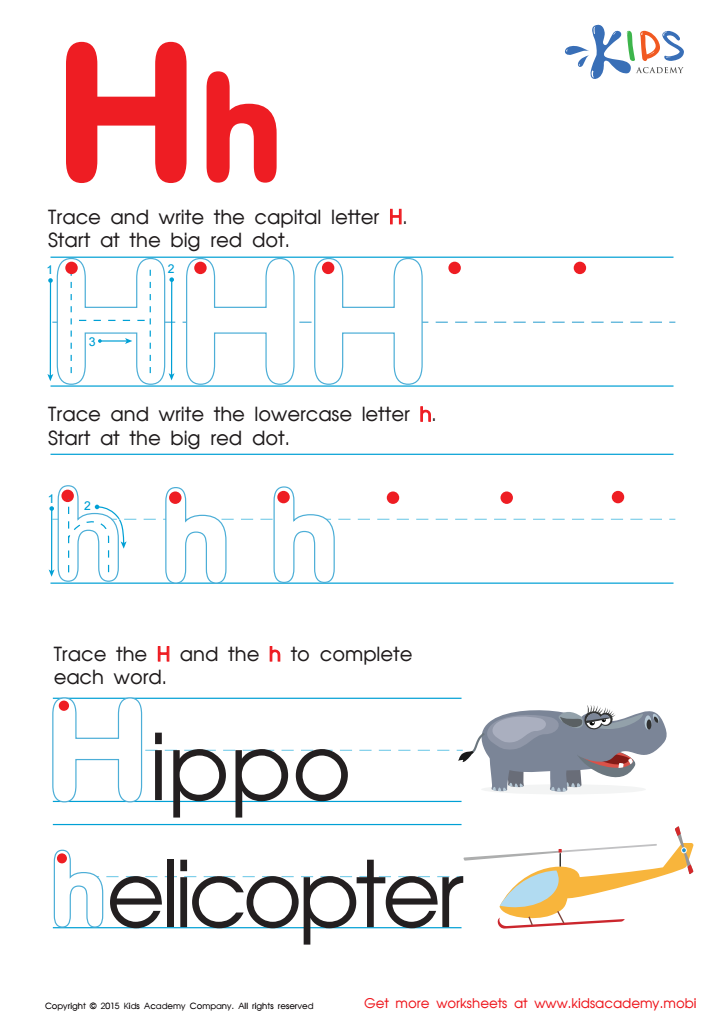
Letter H Tracing Page
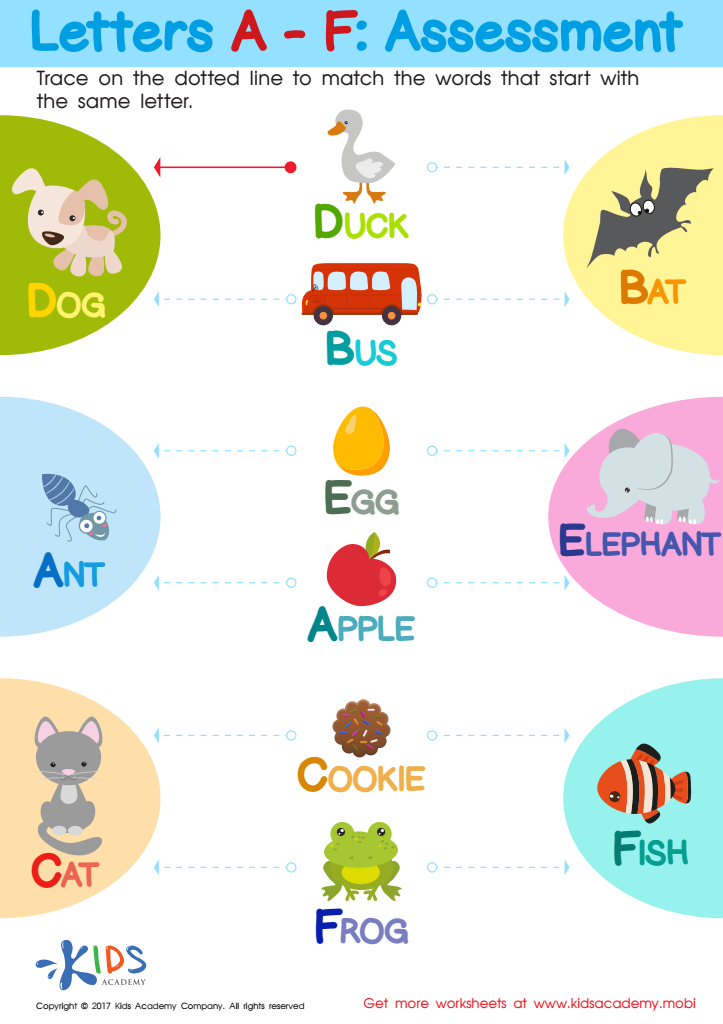
Letters A - F Worksheet
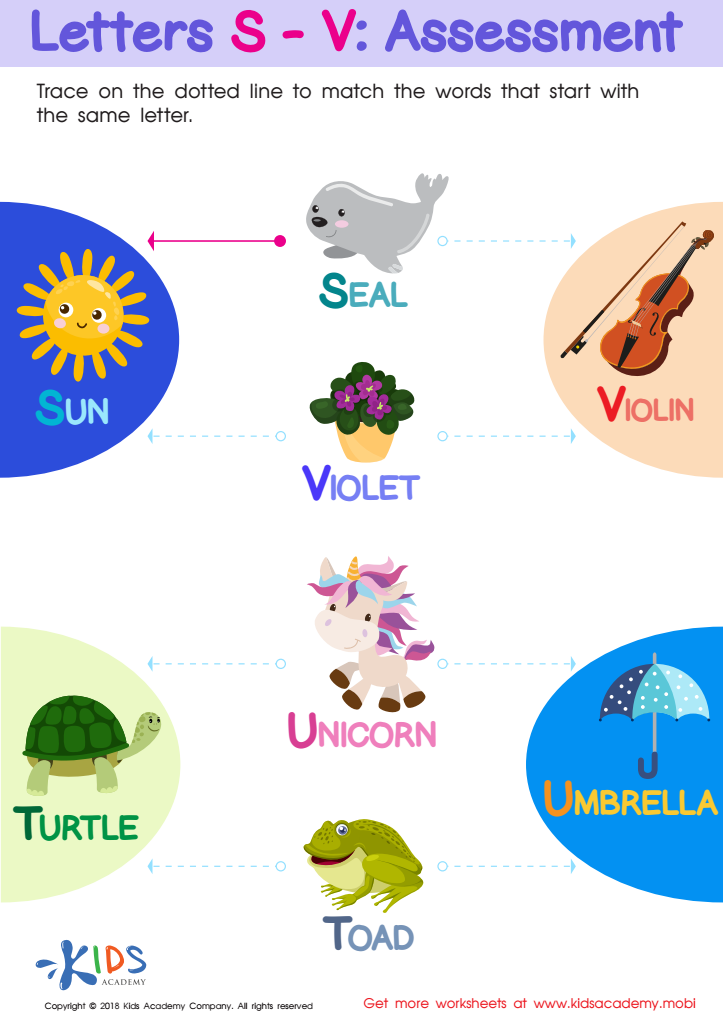
Letters S - V Tracing Worksheet
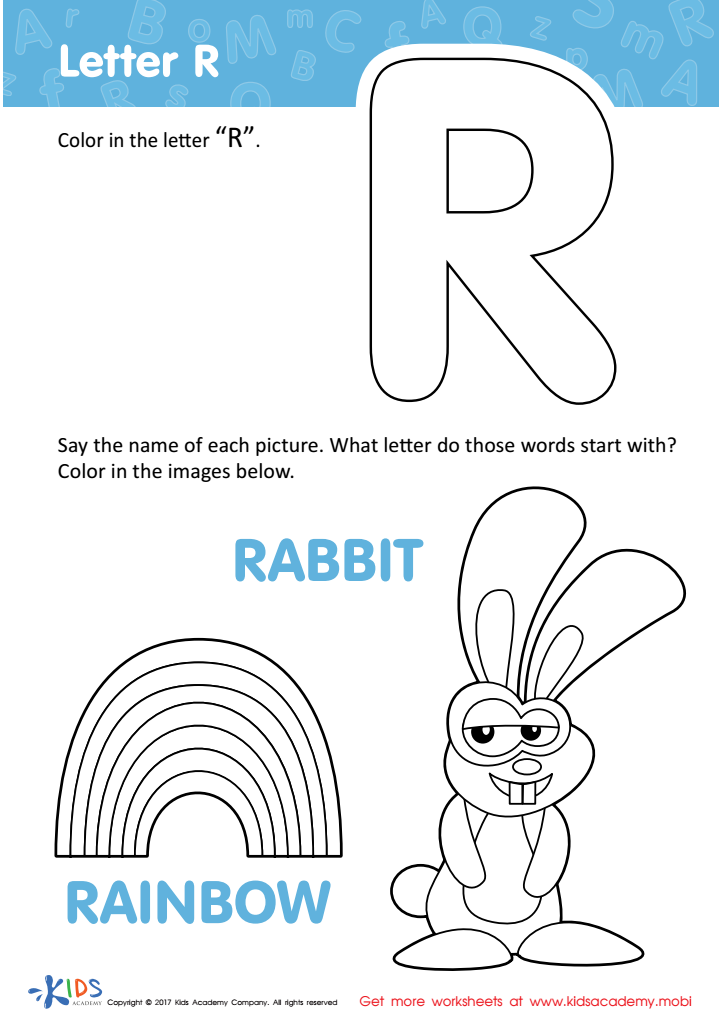
Letter R Coloring Sheet
Assign to My Students
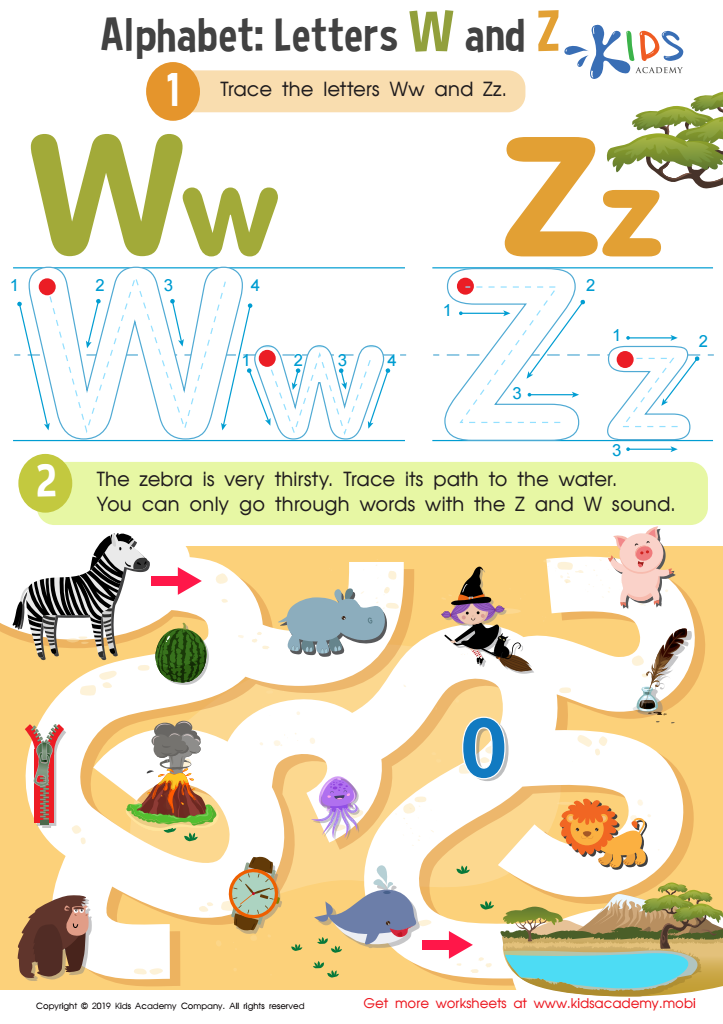
Letters W and Z Tracing Worksheet
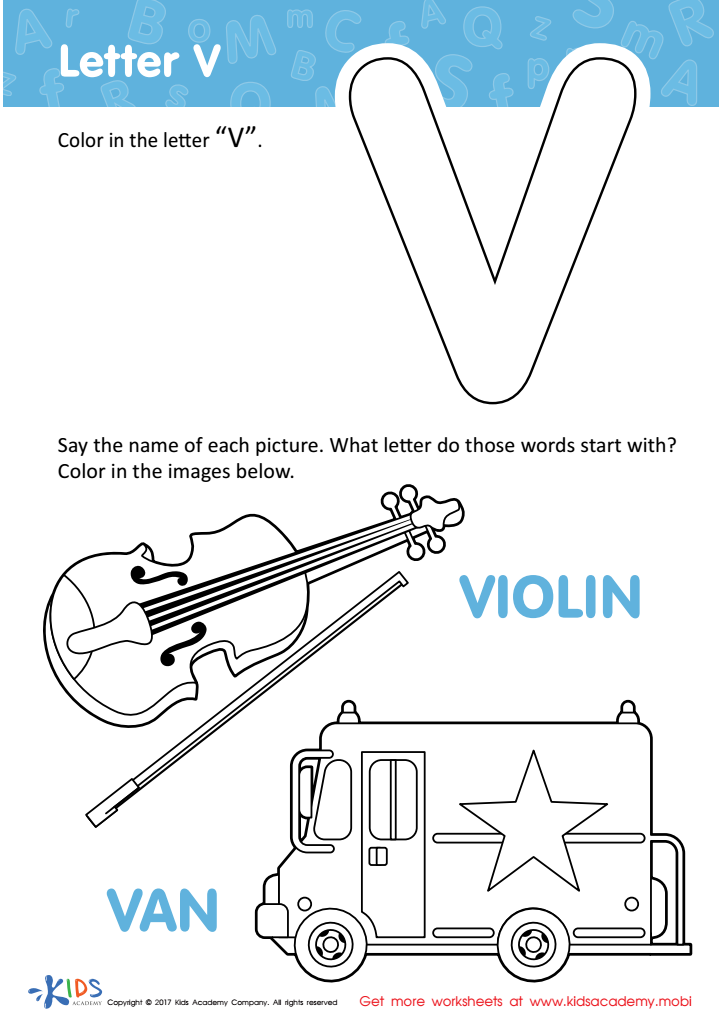
Letter V Coloring Sheet
Assign to My Students
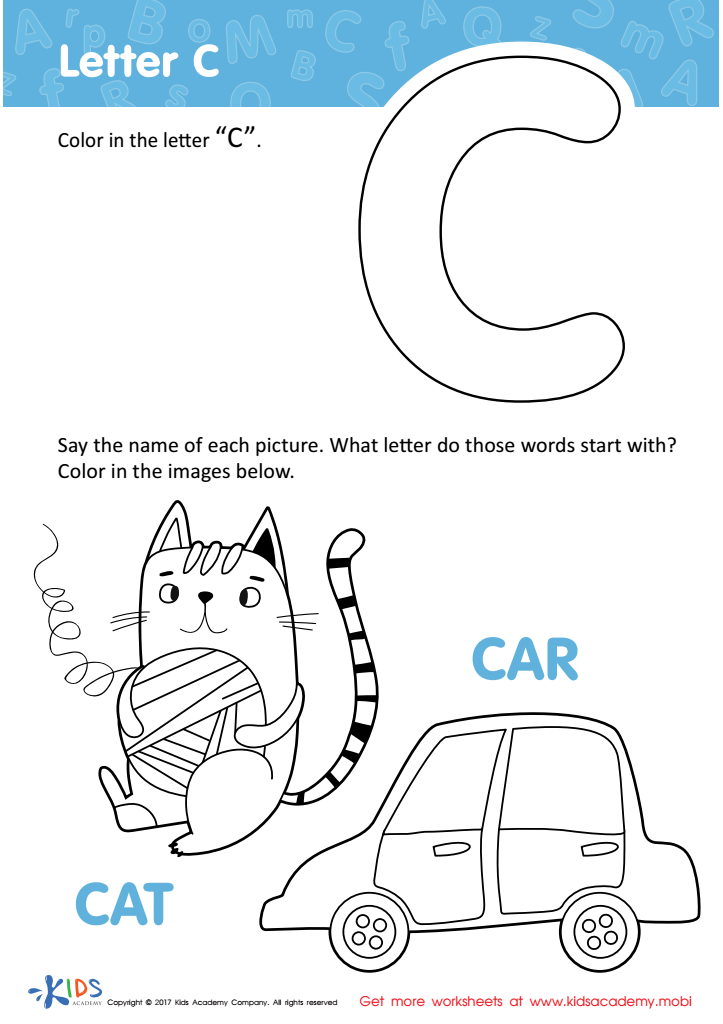
Letter C Coloring Sheet
Assign to My Students
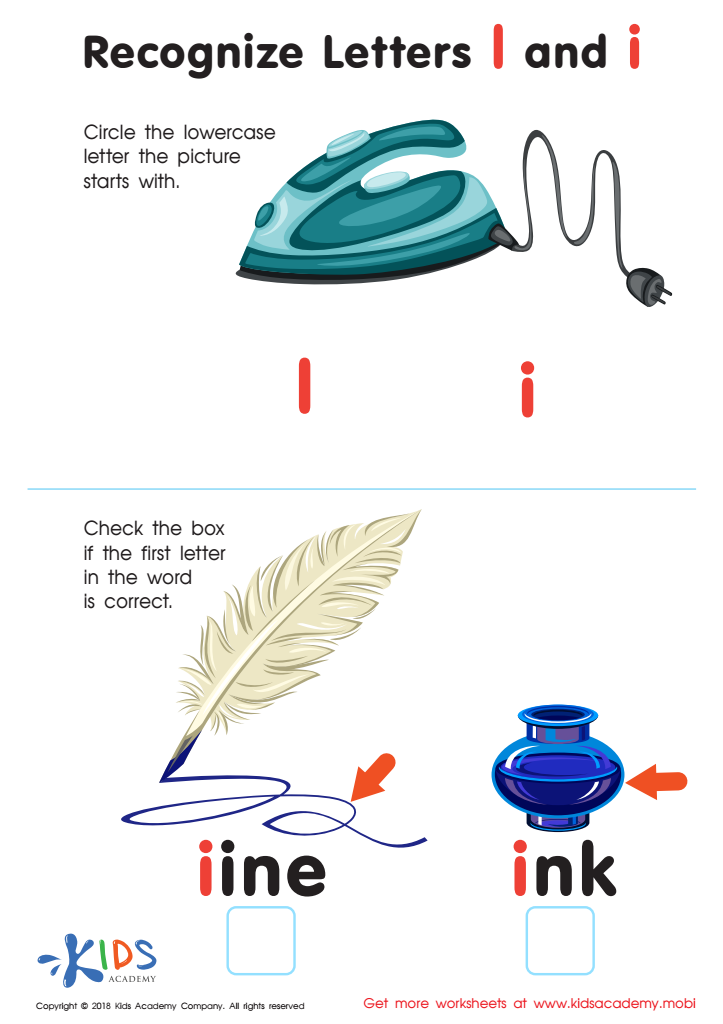
Recognize Letters l and i Worksheet
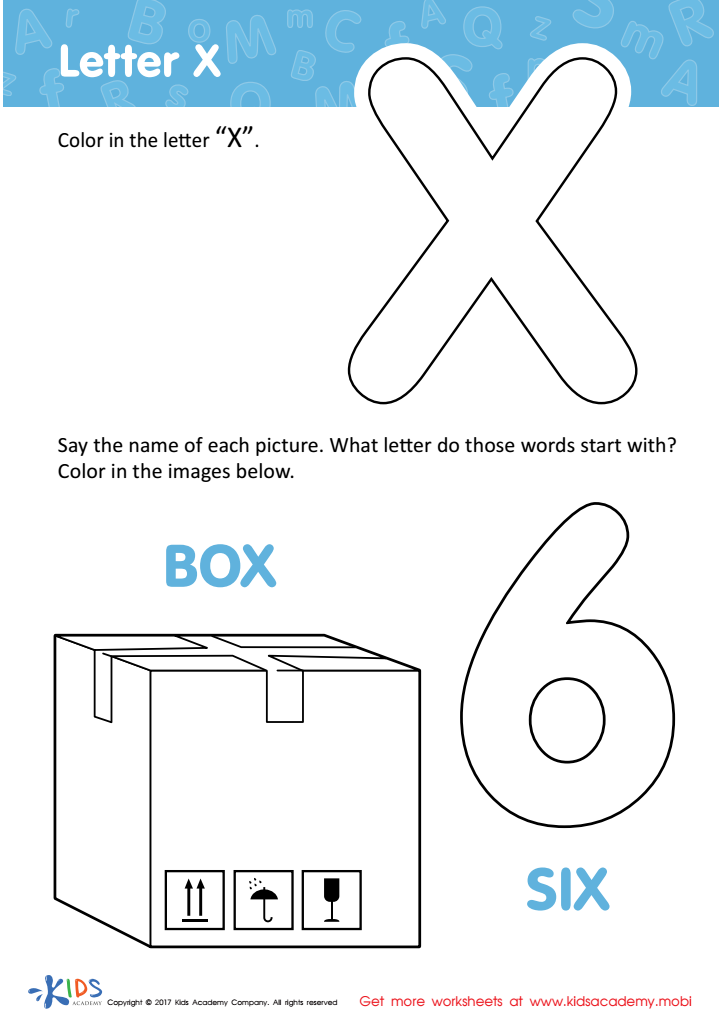
Letter X Coloring Sheet
Assign to My Students








Writing practice and letter recognition are crucial components of early childhood education, especially for children aged 4-7. At this stage, children are developing foundational skills that will serve as the backbone of their literacy journey. Letter recognition is the first step in helping children understand the alphabetic principle—the idea that letters represent sounds, which in turn form words.
Fostering letter recognition helps children become more confident readers and writers. When they can easily identify letters, they can start decoding simple words, paving the way for more complex reading. Simultaneously, writing practice enables children to develop fine motor skills, hand-eye coordination, and spatial awareness. As young learners practice forming letters, they not only reinforce their understanding of each letter’s shape but also develop vital writing skills that will be used throughout their education.
Parents and teachers should prioritize writing and letter recognition activities because they promote literacy readiness, cognitive development, and self-esteem in young learners. Engaging children in playful letter games or structured writing tasks can turn learning into an enjoyable experience, encouraging a lifelong love for reading and writing. By caring about these practices, adults play a vital role in shaping confident, competent future learners.







