Hand-eye Coordination Phonics Worksheets for Ages 4-7
5 filtered results
-
From - To
Enhance your child's learning journey with our Hand-eye Coordination Phonics Worksheets for ages 4-7! Designed to foster essential skills, these engaging worksheets seamlessly combine phonics practice with hand-eye coordination activities. Each worksheet includes fun illustrations and interactive exercises, helping young learners connect letters and sounds while improving their fine motor skills. Ideal for parents and educators, these resources create dynamic learning experiences that promote literacy and physical dexterity. Empower your child with the tools they need for academic success while ensuring they have fun along the way! Explore our collection today and watch your child thrive in their learning adventure.
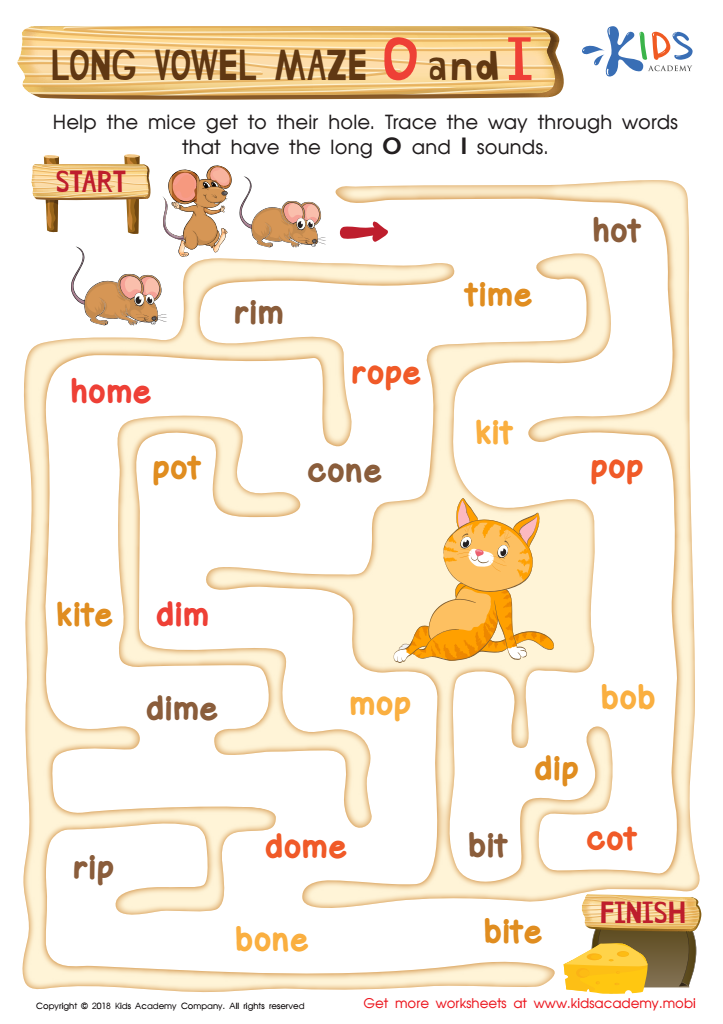
Long Vowel Maze /o/ and /i/ Worksheet
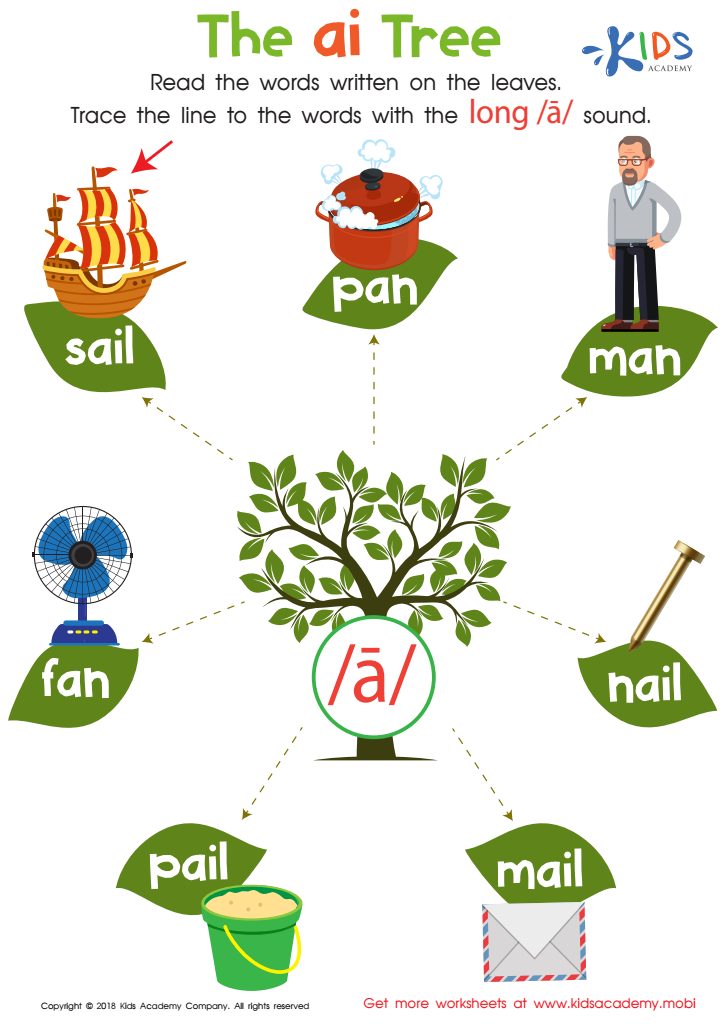
The AI Tree Worksheet

Long and Short U Worksheet
 Assign to My Students
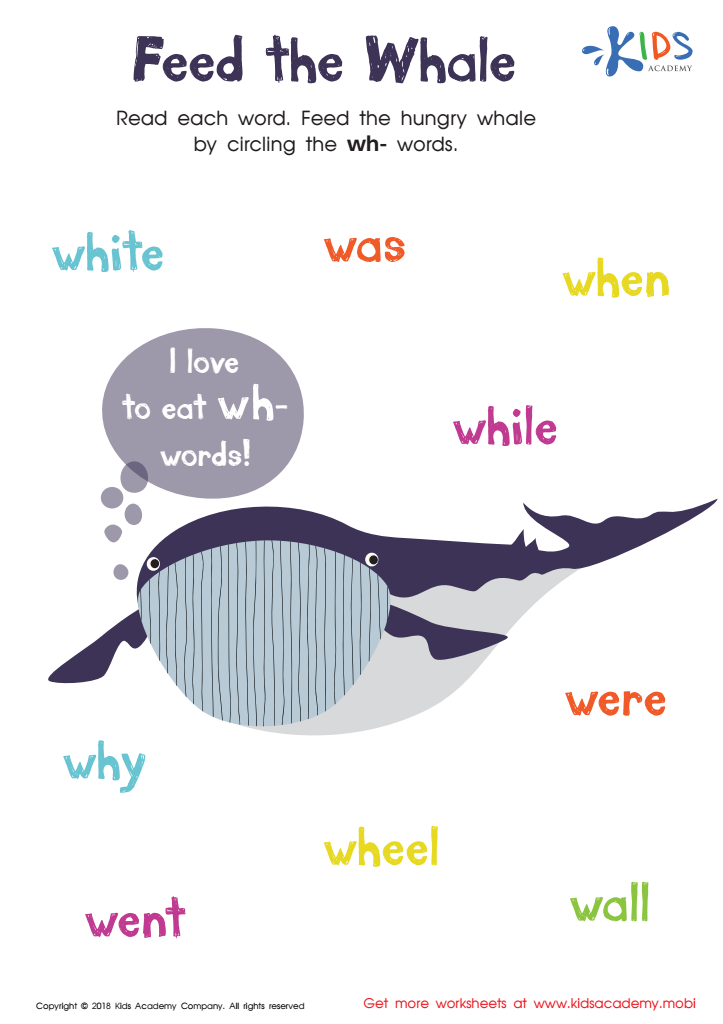
Feed the Whale Worksheet

Long and Short E Worksheet
Assign to My Students








Hand-eye coordination is a critical skill that significantly influences the development of young children, particularly in the context of phonics for ages 4-7. This age group is pivotal for developing literacy skills, which are foundational for academic success. Hand-eye coordination involves the synchronization of visual input with fine motor skills, which is essential when learning to read and write.
This skill facilitates the ability to recognize letters, track text from left to right, and grasp writing tools effectively. When children possess strong hand-eye coordination, they are more likely to confidently engage in activities such as tracing letters, coloring, and practicing spelling—vital tasks in phonics education.
Moreover, activities that enhance hand-eye coordination, like playing with building blocks or engaging in arts and crafts, can also promote cognitive development, encompass problem-solving, and encourage creativity. By nurturing this coordination, parents and teachers can create a more enjoyable and efficient learning atmosphere. Recognizing its importance can lead to implementing targeted activities that develop these skills alongside phonics, ultimately setting children up for greater long-term success in literacy and overall learning. Consequently, understanding and focusing on hand-eye coordination should be a priority for both educators and parents during these formative years.







