Handwriting practice Phonics Worksheets for Ages 4-7
5 filtered results
-
From - To
Discover our Handwriting Practice Phonics Worksheets for ages 4-7! These engaging and educational activities help young learners develop critical literacy skills. Each worksheet combines fun phonics exercises with handwriting practice, ensuring children can master letter sounds while perfecting their penmanship. Ideal for early learners, these resources are designed to build a strong foundation in reading and writing through repetition, colorful illustrations, and age-appropriate challenges. Whether at home or in the classroom, our worksheets make learning enjoyable and effective. Enhance your child's educational journey and watch their confidence soar with our expertly crafted handwriting practice phonics worksheets.
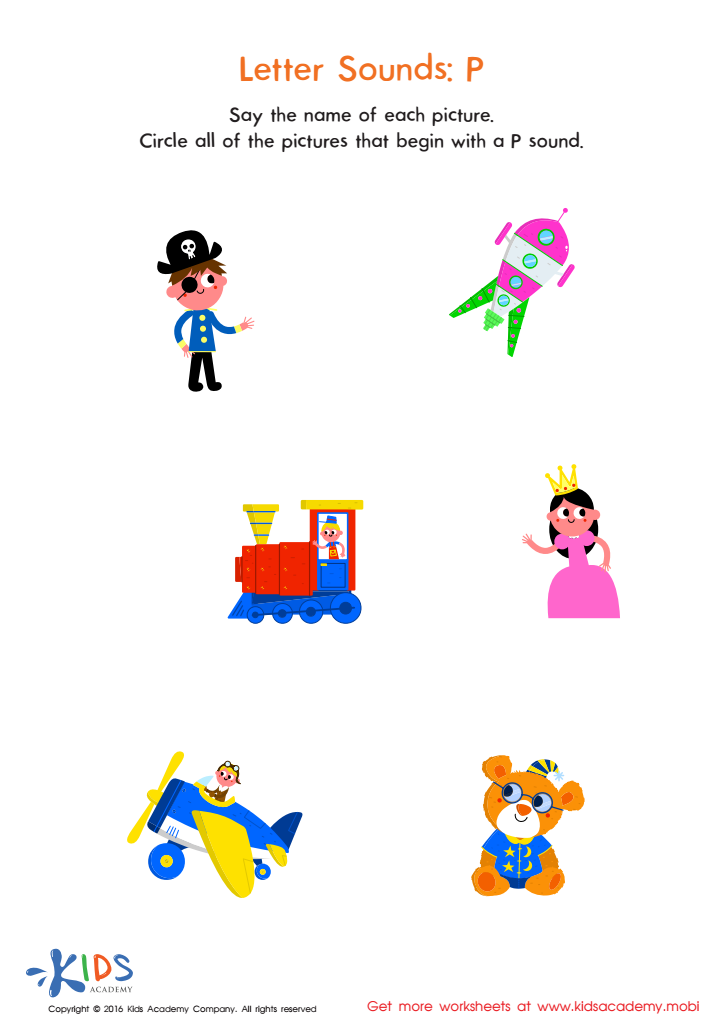
Letter P Sound Worksheet
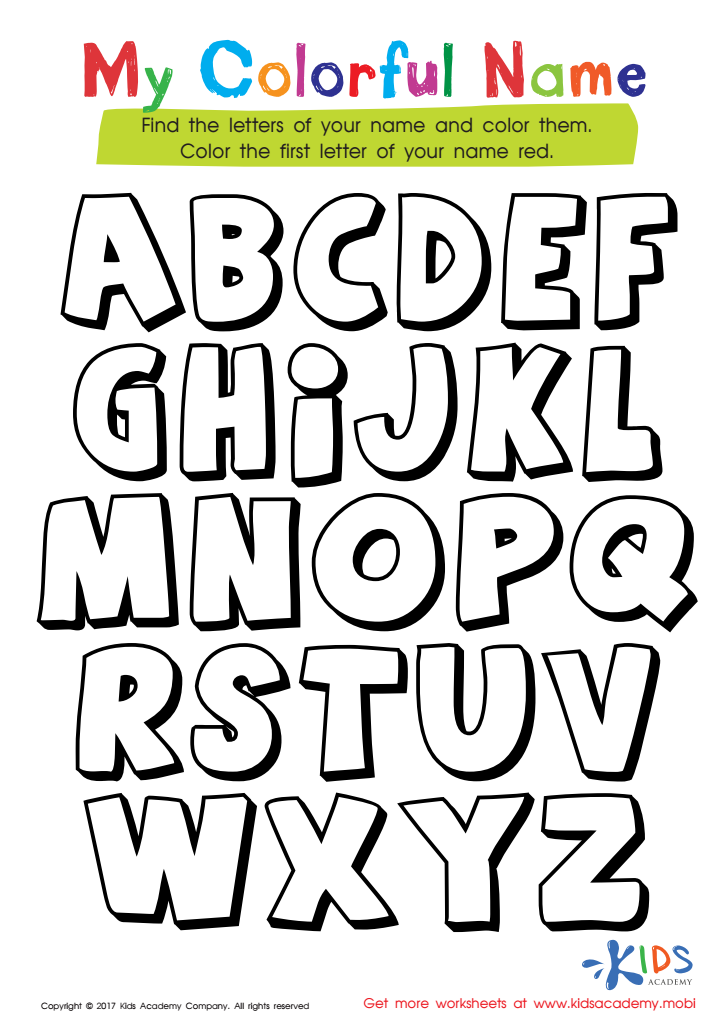
My Colorful Name Worksheet
 Assign to My Students
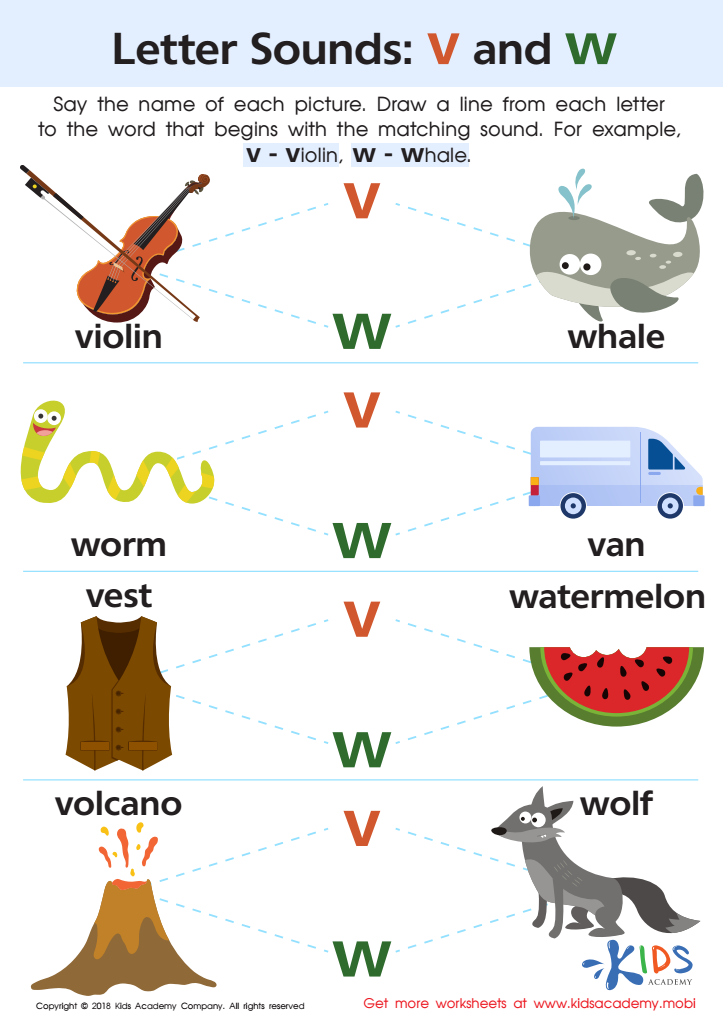
Letter V and W Sounds Worksheet
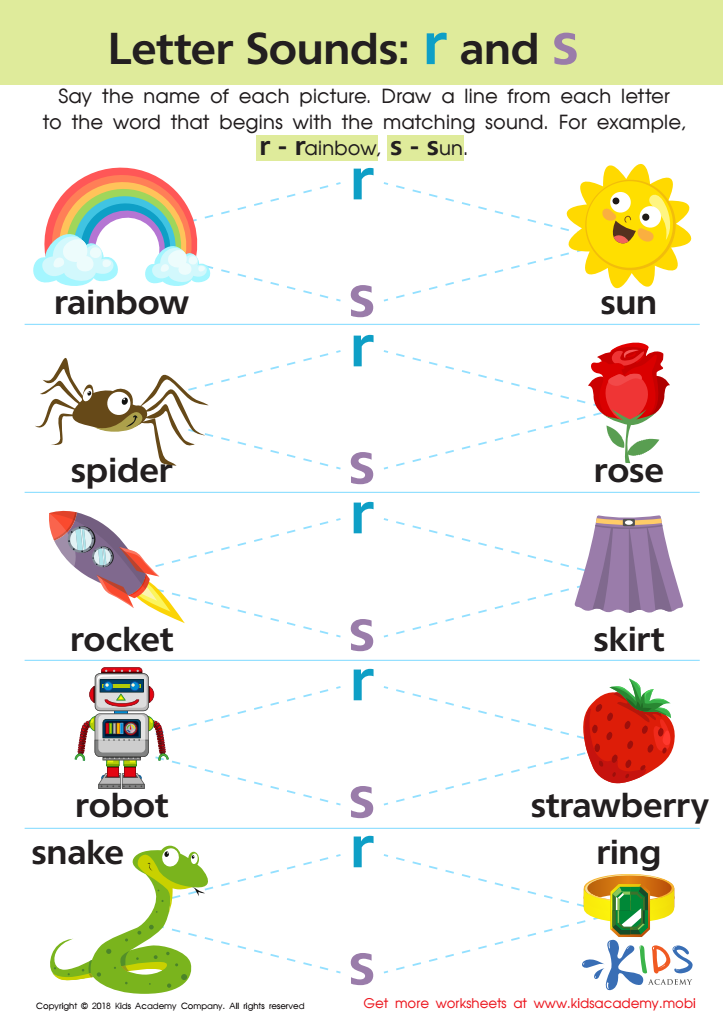
Letter R and S Sounds Worksheet
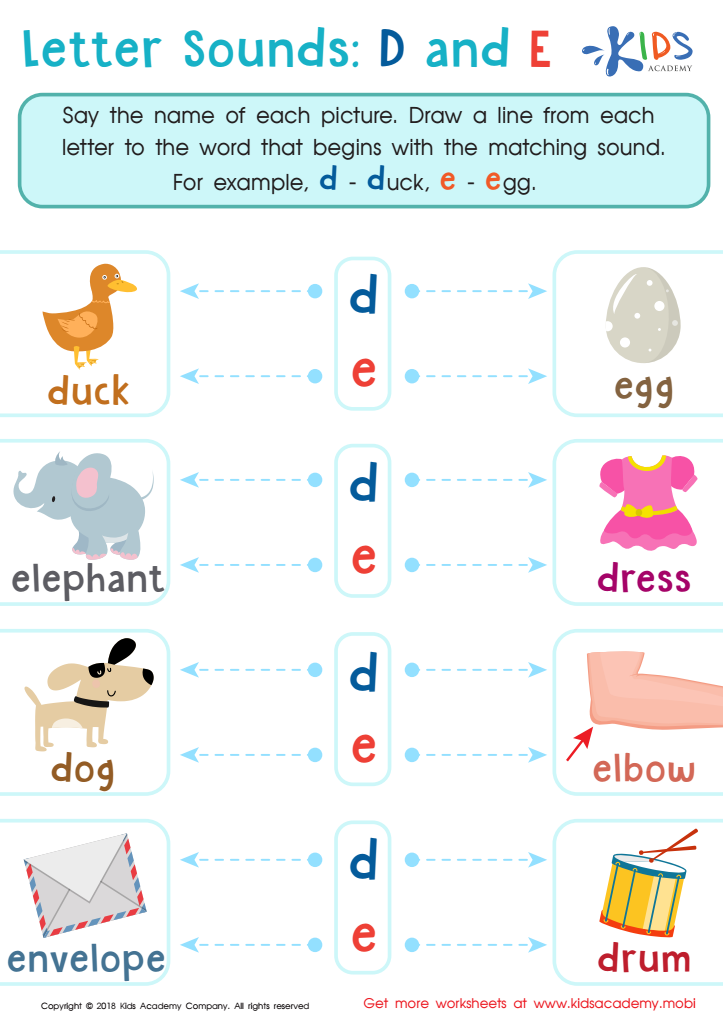
Letter D and E Sounds Worksheet








Handwriting practice and phonics education for children ages 4-7 are crucial elements in early childhood learning, setting a strong foundation for future academic success. Handwriting practice enhances fine motor skills, which are essential for writing legibly and efficiently. It helps children to develop muscle memory, coordination, and control over their writing instruments, allowing them to focus better on the content rather than the act of writing itself. When children write by hand, it links to cognitive processes that reinforce reading and comprehension skills.
Phonics education complements handwriting by teaching kids the relationships between sounds and letters. This integrated approach helps children decode words and improves their reading accuracy and fluency. Phonics instruction fosters a robust understanding of language structure, enabling kids to tackle new words and enhance vocabulary. It aids them in becoming more confident, independent readers, which is a critical step in their overall literacy development.
Together, handwriting practice and phonics lay the groundwork for reading proficiency, fluency in writing, and efficient communication. Parents and teachers who prioritize these elements equip children with vital skills for academic success and build a solid base for lifelong learning and cognitive development. Supporting these early literacy practices ensures children are set up for a bright and competent future.







