Phonics development Phonics Worksheets for Ages 4-7
5 filtered results
-
From - To
Boost your child’s reading journey with our Phonics Development Worksheets, tailored for ages 4-7. These engaging, colorful exercises enhance letter recognition, sound identification, and reading skills through various fun activities involving tracing, matching, and simple word formation. Perfect for early learners, our worksheets support phonics foundations, aligning with educational standards to ensure your child gains confidence and proficiency in reading. Daily practice with these worksheets aids in a smoother transition from recognizing letters to reading simple texts fluently. Give your young learner the advantage they need with these essential phonics development resources! Explore more at Kids Academy.
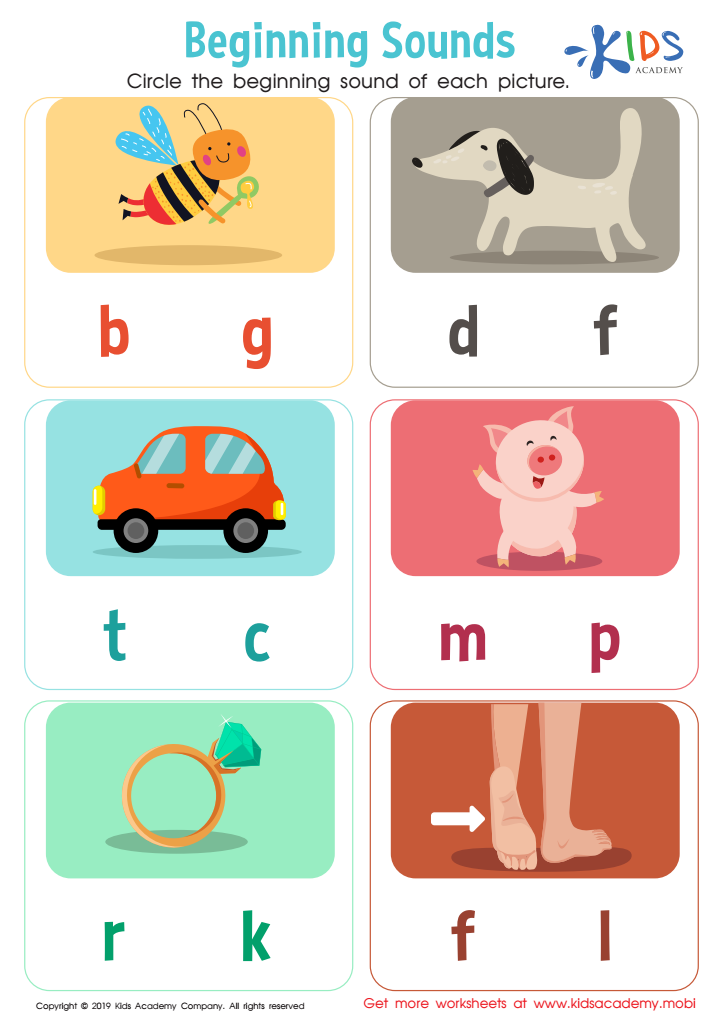
Beginning Sounds Worksheet
 Assign to My Students
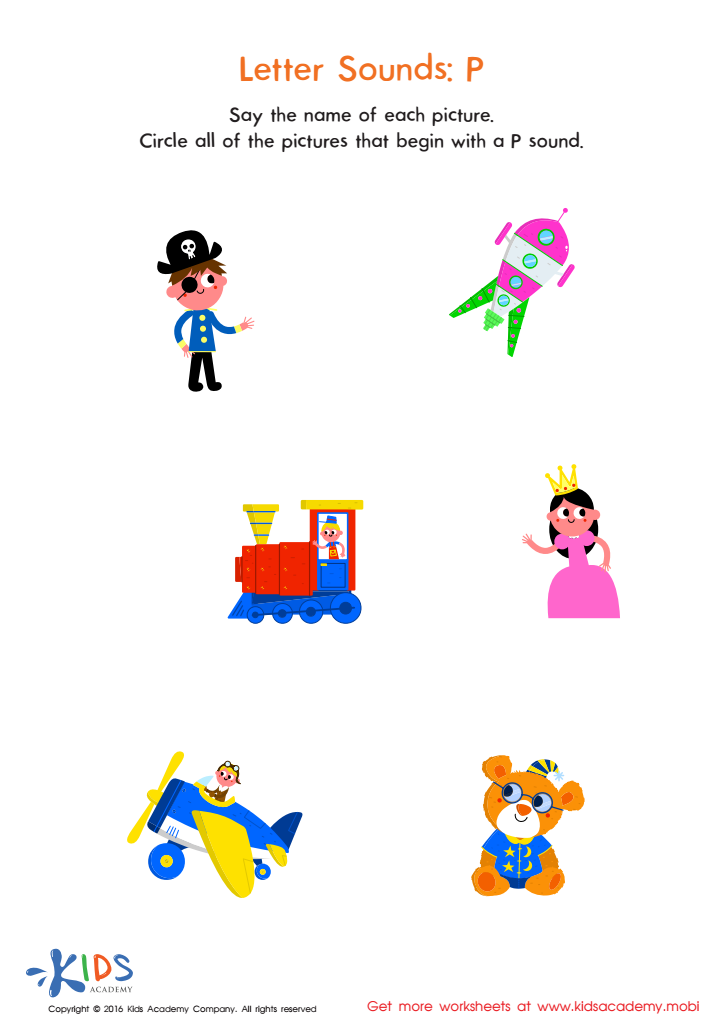
Letter P Sound Worksheet
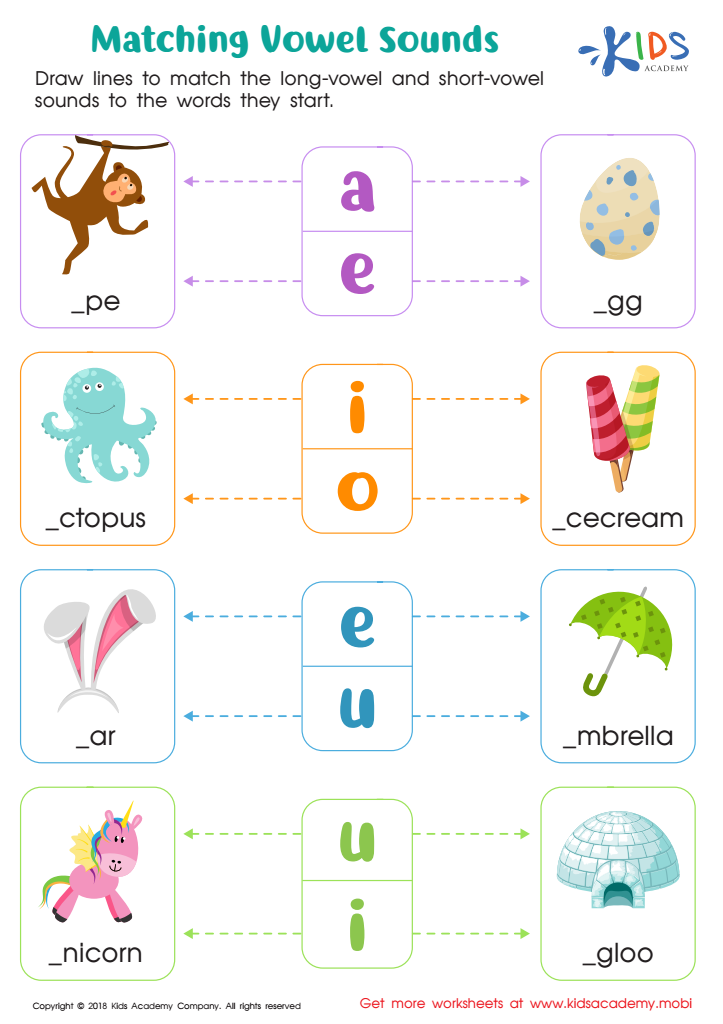
Matching Vowel Sounds Worksheet
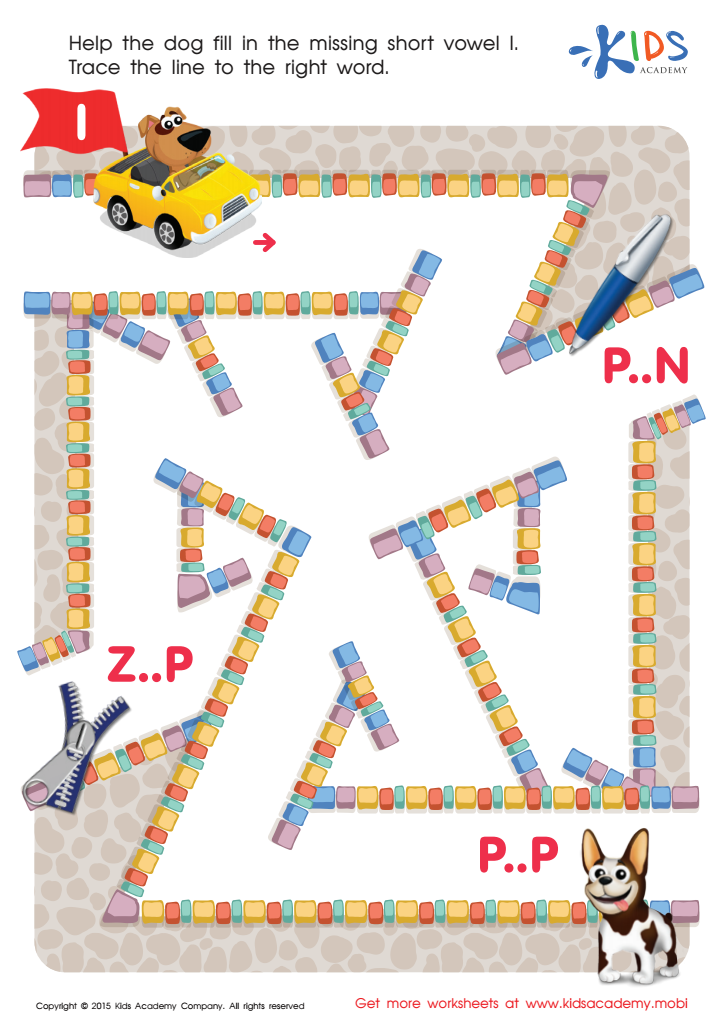
Short Vowel Sound I Worksheet
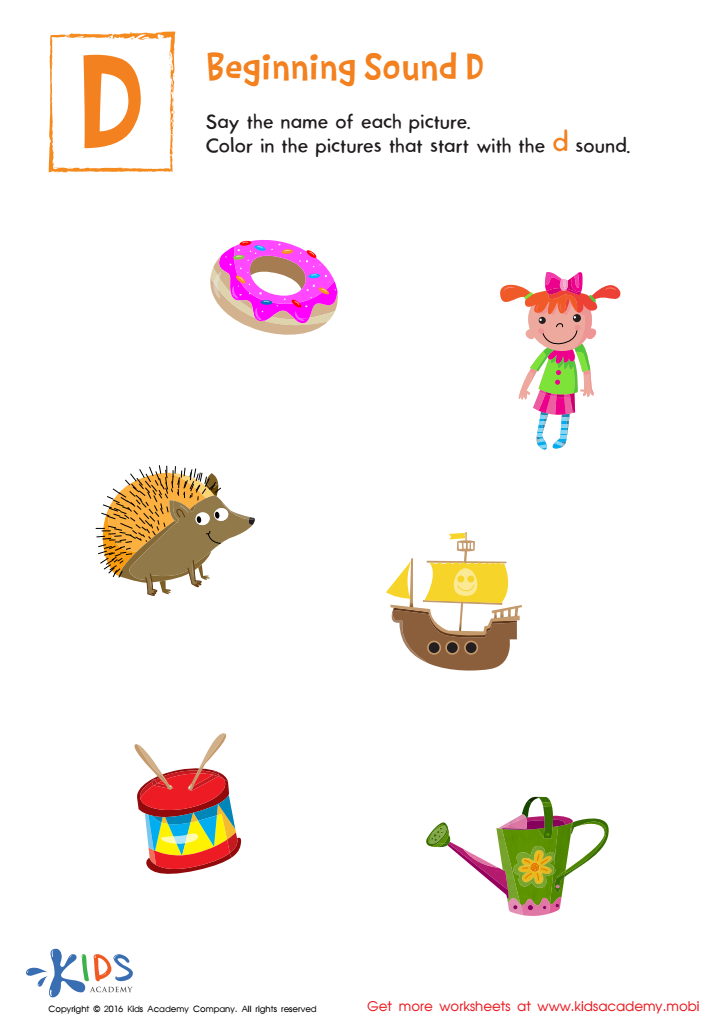
Beginning Sound D Worksheet








Phonics development is crucial for children aged 4-7 because it sets the foundation for lifelong reading and literacy skills. During these formative years, children are at a prime developmental stage where their brains are particularly receptive to learning the relationships between letters and sounds. Mastery of phonics allows children to decode words, improving their ability to read independently and accurately. This competency not only enhances reading fluency but also boosts their comprehension abilities, making it easier to understand and enjoy texts.
For parents and teachers, focusing on phonics helps ensure that children have a strong grasp of important literacy concepts early on. Early literacy skills are directly linked to academic success in later years; children who develop strong reading skills in their early grades perform better across all subjects as they advance in school. Moreover, successful phonics instruction supports children’s confidence and motivation to read, sparking a lifelong love for reading and learning.
Consequently, prioritizing phonics development aids in mitigating the risk of future reading difficulties and learning obstacles. Teachers and parents play a significant role by providing supportive, engaging, and consistent phonics instruction at this critical age. This ensures every child has the chance to build a robust and enduring foundation for educational success and intellectual growth.







