Alphabet Recognition Tracing Letters Worksheets for Ages 4-7 - Page 2
28 filtered results
-
From - To

Uppercase Letters Y Z Worksheet
 Assign to My Students
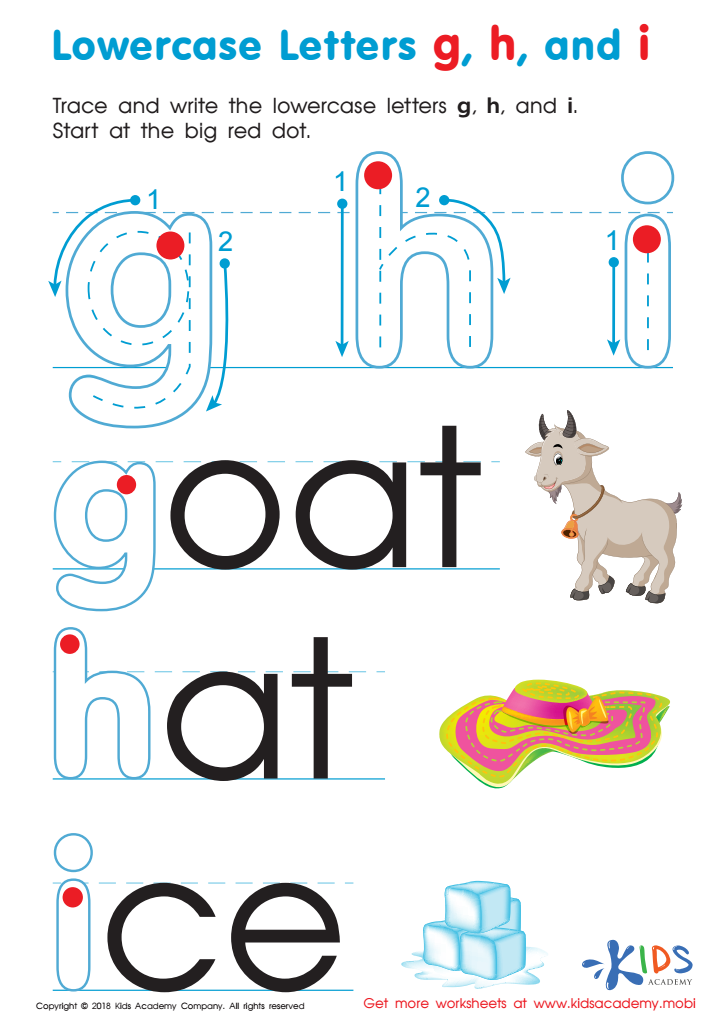
Lowercase Letters g h i Worksheet
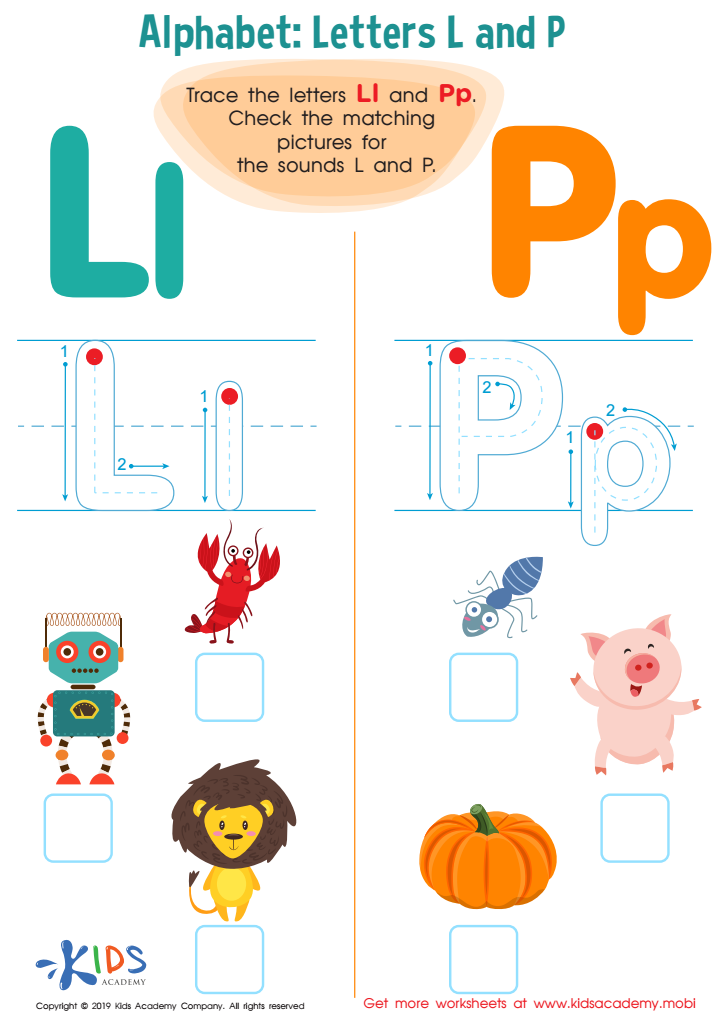
Letter L and P Tracing Worksheet
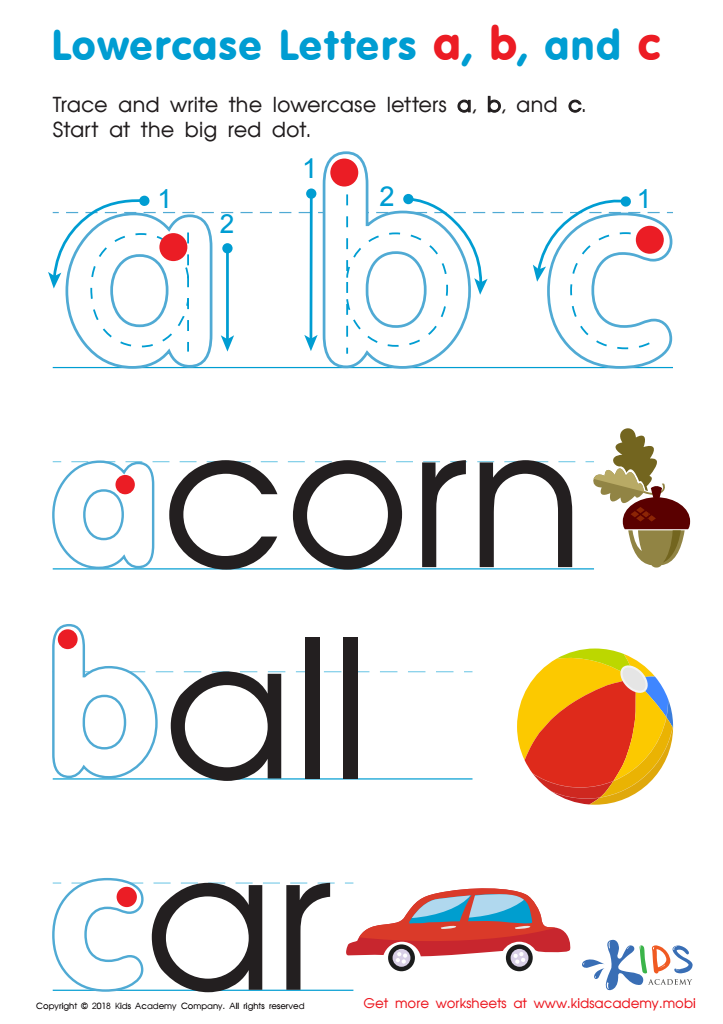
Lowercase Letters a b c Worksheet







Alphabet recognition and tracing letters are foundational skills essential for early literacy development in children aged 4-7. At this critical stage, children's identification of letters shapes their ability to read, write, and communicate effectively. By recognizing letters, children load their cognitive toolbox with essential skills needed to decode words later on.
Tracing letters reinforces fine motor skills and hand-eye coordination, allowing children to develop the dexterity required for writing. This physical practice enhances their confidence as they prepare to form words and sentences. Moreover, engaging with letters through tracing aids in reinforcing visual memory, making it easier for children to recall and differentiate between similar-looking characters.
Teachers and parents should care because early literacy skills set the stage for a child’s future academic success. Children who do not master alphabet recognition by a certain age may struggle with literacy, which can affect their overall learning trajectory. Acting proactively—by incorporating practices like tracing letters into daily routines or school activities—empowers children to build a solid foundation for reading and writing. Supporting this learning process not only fosters enthusiasm for learning but also instills a love for reading that can last a lifetime.








