Handwriting improvement Tracing Letters Worksheets for Ages 4-7
5 filtered results
-
From - To
Welcome to our Handwriting Improvement Tracing Letters Worksheets for Ages 4-7 page! Designed specifically for early learners, these worksheets help children practice and perfect their handwriting skills. Each worksheet features dotted lines forming letters, guiding young hands to form correct shapes and strokes. Through regular practice, children enhance their fine motor skills, hand-eye coordination, and letter recognition. It's a fun, engaging way to build a strong foundation for future writing. Download our free resources to support your child's handwriting journey and watch their confidence soar as they master letter tracing! Perfect for both home and classroom use.
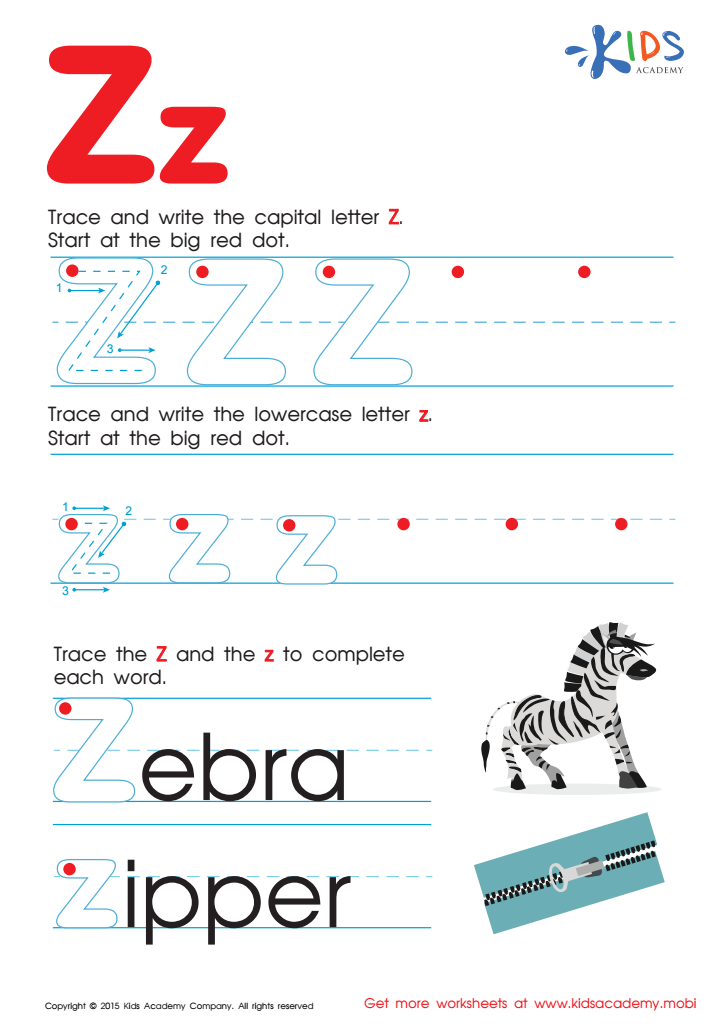
Letter Z Tracing Page
 Assign to My Students
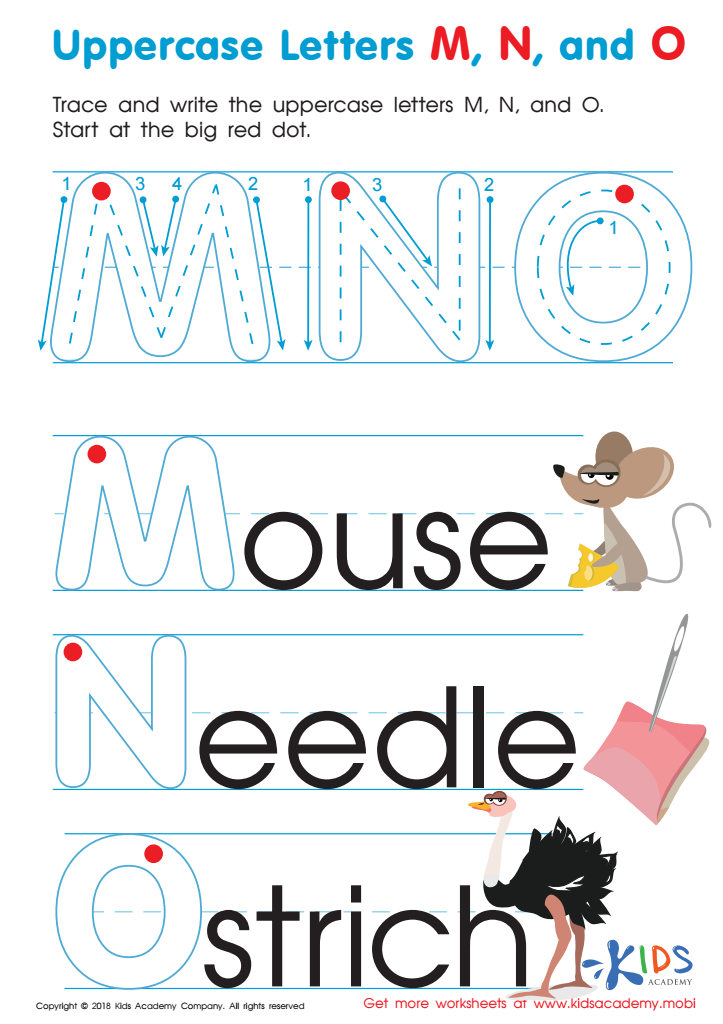
Uppercase Letters M, N, and O Worksheet
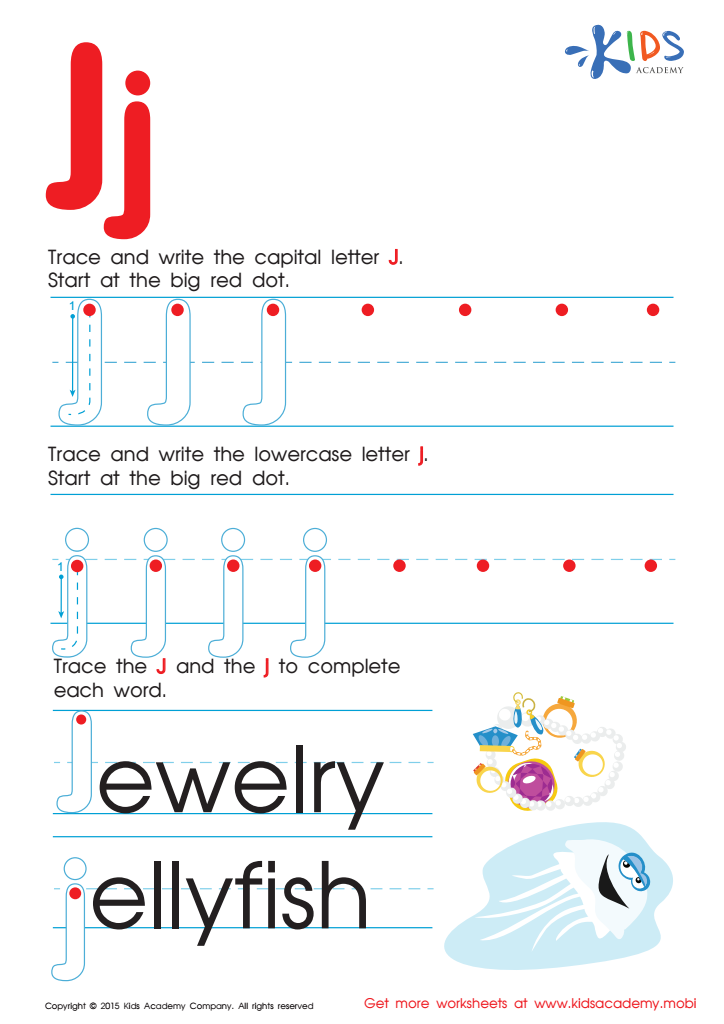
Letter J Tracing Page
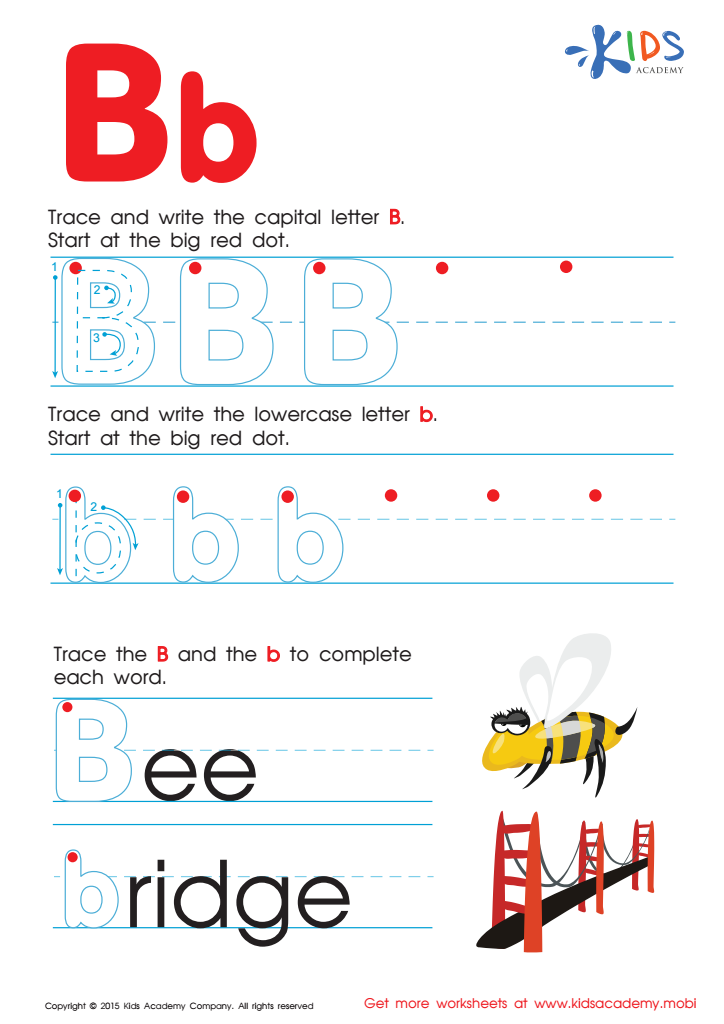
Letter B Tracing Page
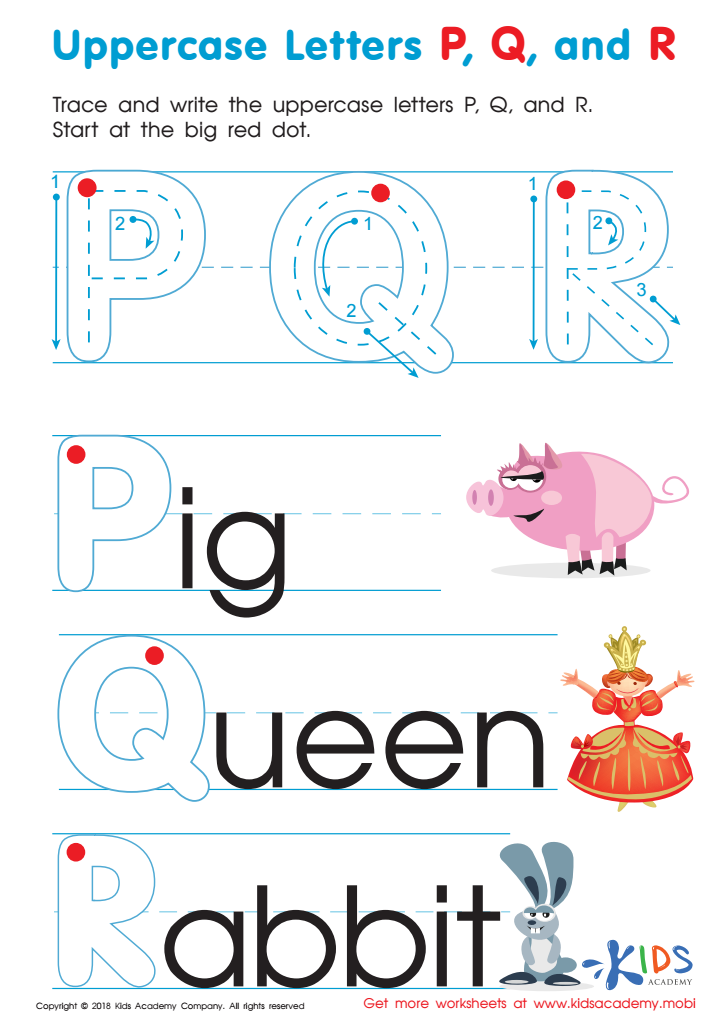
Uppercase Letters P, Q, and R Worksheet







Handwriting improvement, especially through tracing letters for ages 4-7, holds tremendous significance for both parents and teachers. Firstly, handwriting lays the foundation for literacy. It reinforces letter recognition, a critical building block for reading. As children trace letters, they become more familiar with letter shapes, which boosts their ability to identify and comprehend words.
Moreover, handwriting practice enhances fine motor skills. At ages 4-7, children are still developing dexterity and hand-eye coordination. Tracing letters strengthens the small muscles in their hands and fingers, improving control and coordination needed for everyday tasks like tying shoelaces and using utensils.
Handwriting also fosters cognitive development. The process of forming letters requires children to mentally plan and execute strokes, augmenting their problem-solving and critical thinking abilities. This translates into improved focus, attention span, and academic performance across subjects.
Additionally, proficiency in handwriting boosts self-esteem and confidence. When children can write clearly and neatly, they take pride in their work, which encourages a positive attitude towards learning. Finally, good handwriting affects future academic success as many examinations and assignments are still handwritten.
In essence, investing time in handwriting improvement through tracing letters during early childhood sets the stage for lifelong learning and development, making it an invaluable aspect of early education.








