Word Recognition Two Letter Phonics Worksheets for Ages 4-7
6 filtered results
-
From - To
Enhance your child's reading skills with our engaging Two Letter Phonics Worksheets designed for ages 4-7! These worksheets are perfect for early learners, helping them recognize and decode words through fun and interactive activities. By focusing on two-letter combinations, children develop essential phonetic skills while building their vocabulary and confidence in reading. Whether at home or in the classroom, our resources facilitate learning through play, encouraging kids to connect sounds with letters. Easy to download and print, these worksheets make it simple for parents and teachers to support young learners on their journey to word recognition mastery. Boost your child's literacy today!
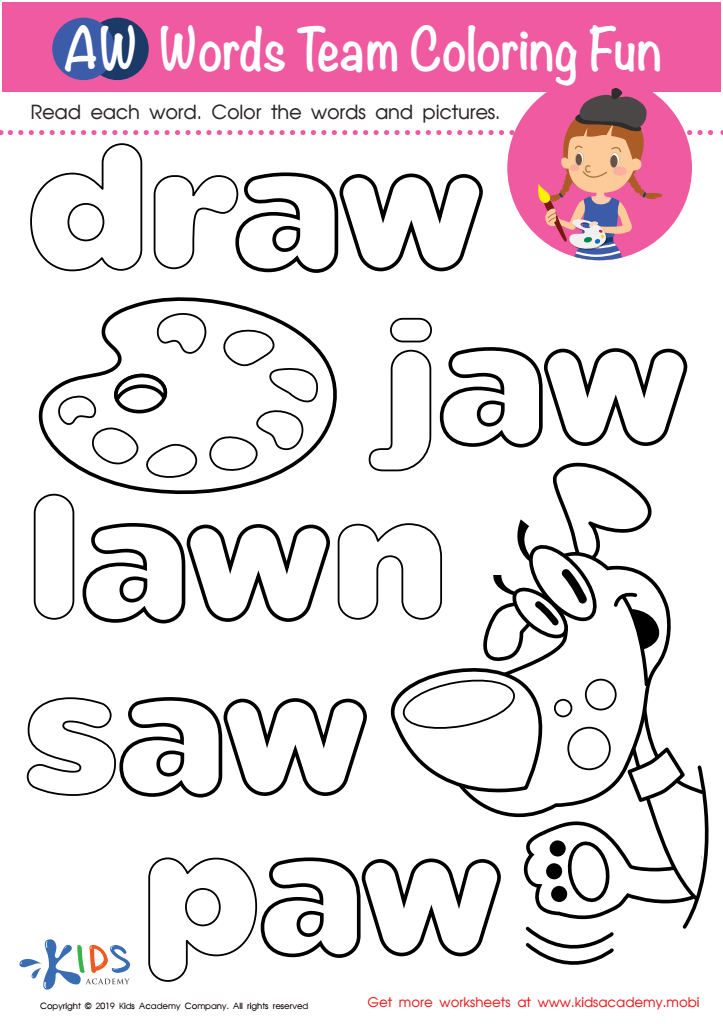
AW Words Team Coloring Fun Worksheet
 Assign to My Students
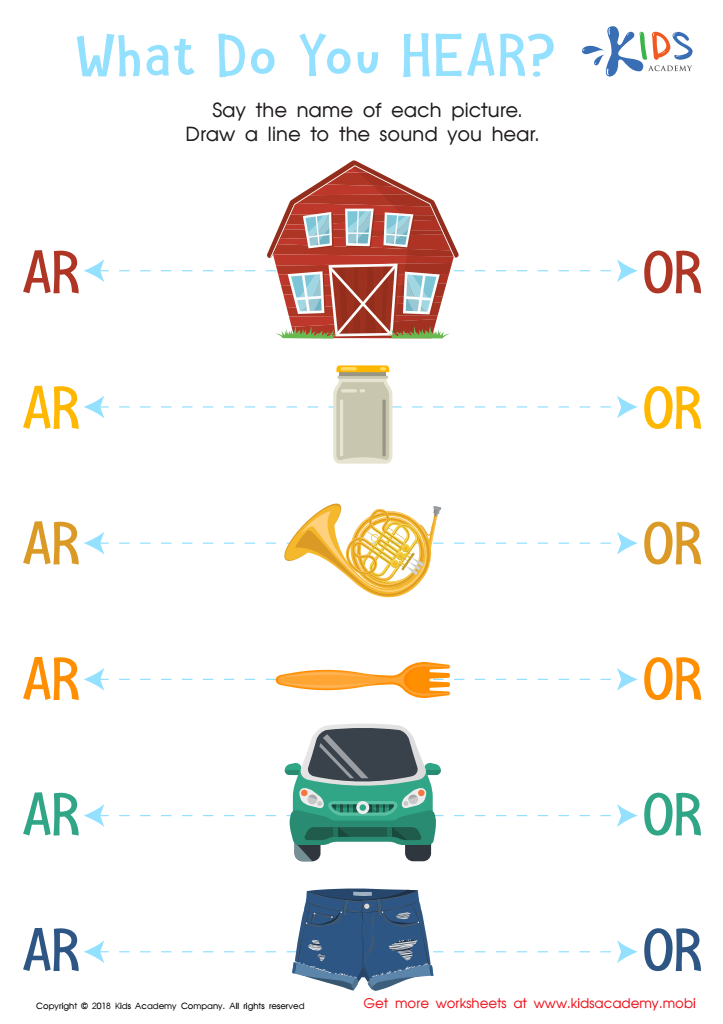
What do you hear Worksheet
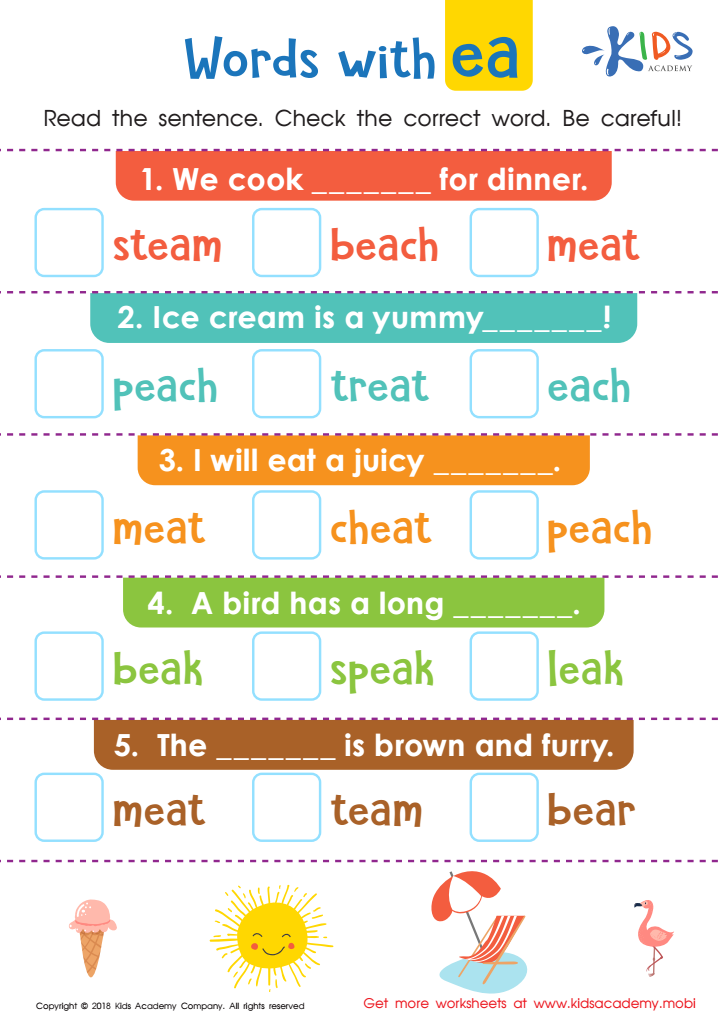
Words with ea Worksheet
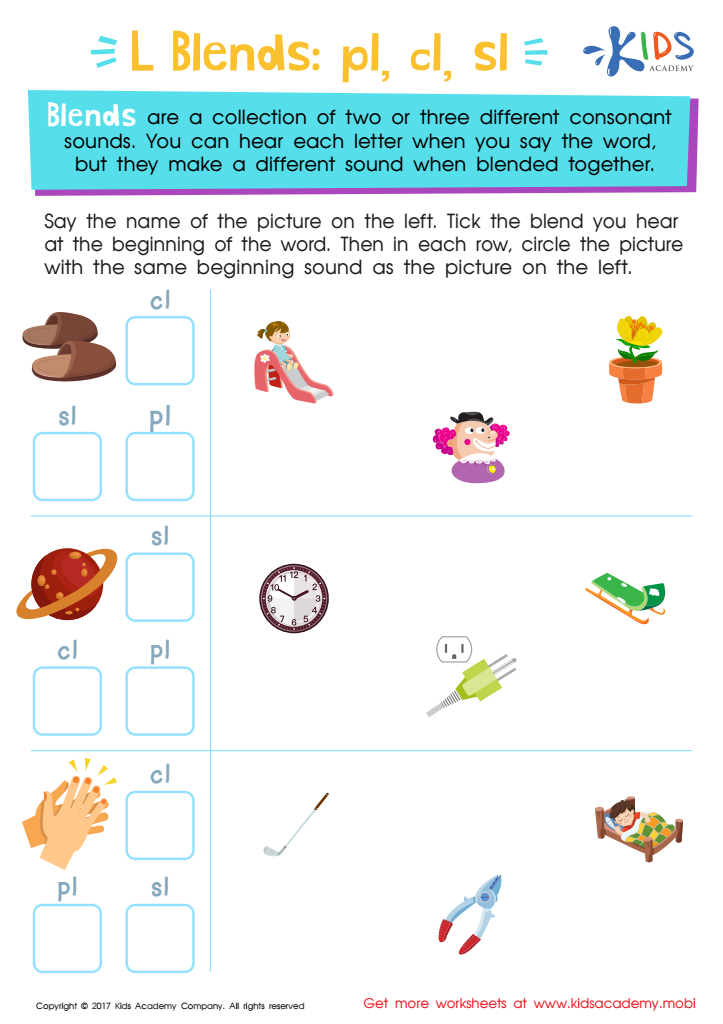
L Blends: "Pl", "Cl" and "Sl" Printable
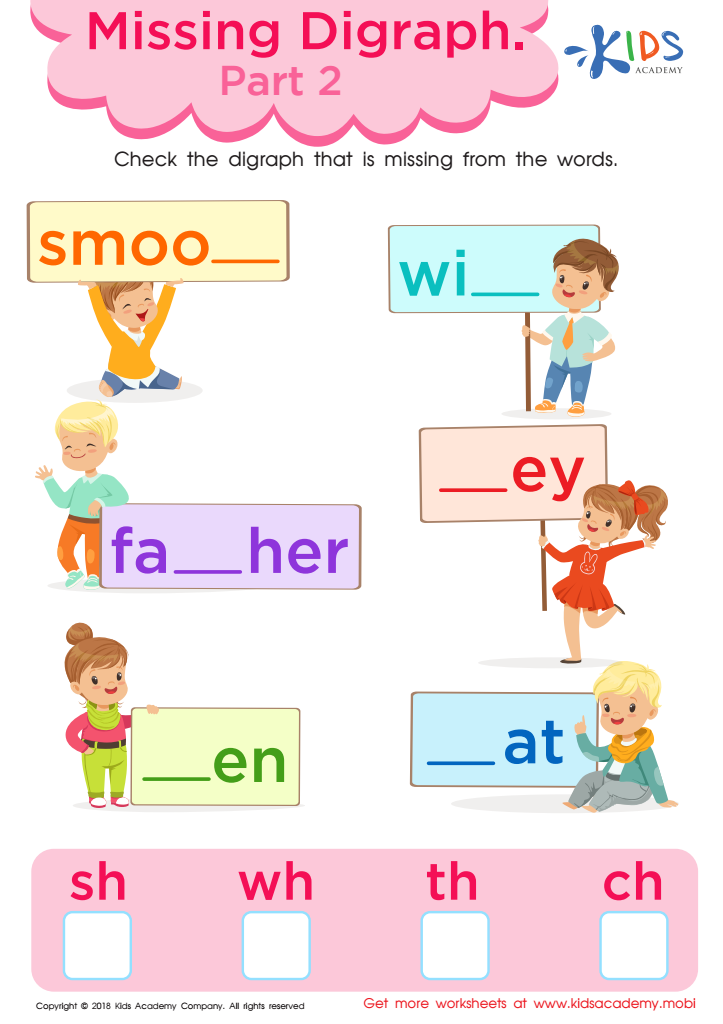
Missing Digraph: Part 2 Worksheet
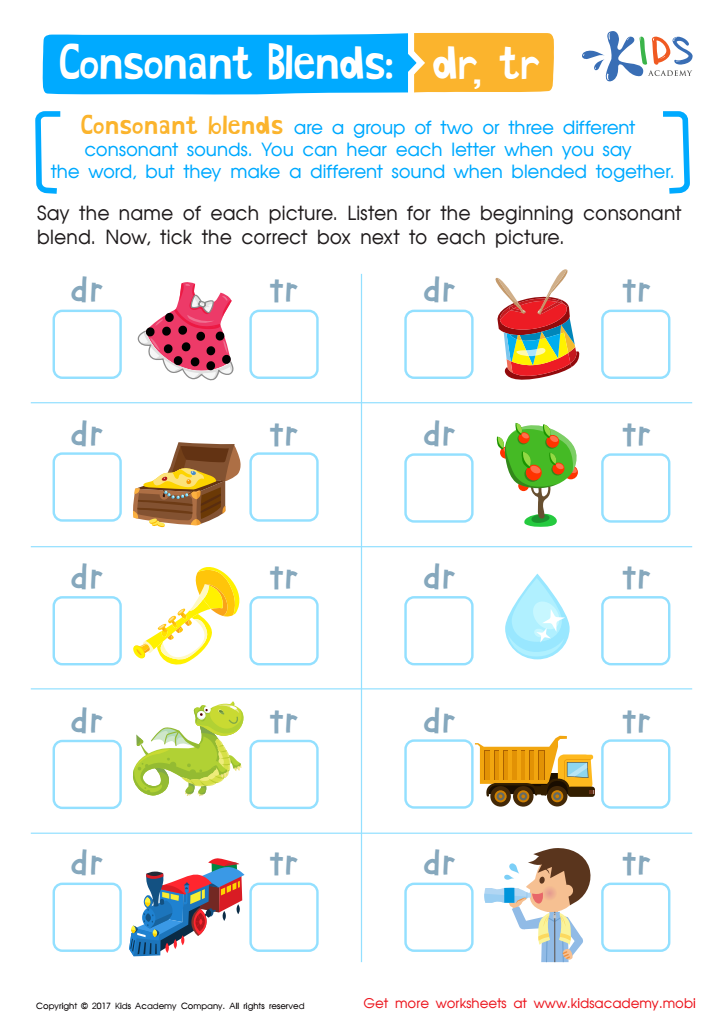
Consonant Blends: "Dr" and "Tr" Printable



Parents and teachers should prioritize Word Recognition Two Letter Phonics for children aged 4-7 because this foundational skill is crucial in the early stages of reading development. Recognizing two-letter phonetic combinations helps children decode words, enabling them to read more fluently and confidently. As these young learners engage with letters and sounds, they develop phonemic awareness—an essential component for reading success that lays the groundwork for further literacy skills.
Two-letter phonics instruction bolsters vocabulary development, empowering children to decode not only simple words but also build connections between new vocabulary and what they already know. This promotes a love for reading, which can enhance academic performance across subjects. Moreover, fostering word recognition skills early on reduces frustration in both learning and instruction later, ultimately creating enthusiastic readers.
Additionally, with early exposure to phonetic principles, children become more adept at spelling and writing, further reinforcing their literacy abilities. For parents and teachers, supporting children’s learning in this area means equipping them with essential tools for lifelong learning and literacy, creating a strong foundation for their future educational journey. By concentrating on two-letter phonics, caregivers can contribute significantly to building confident, independent readers.







