Problem-Solving Skills Upper & Lowercase Letters Worksheets for Ages 4-7
3 filtered results
-
From - To
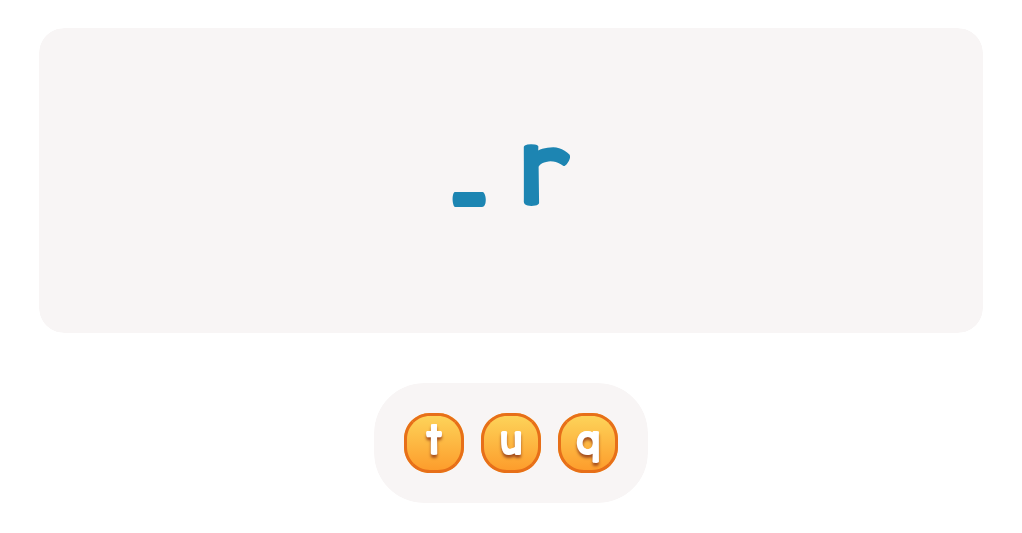
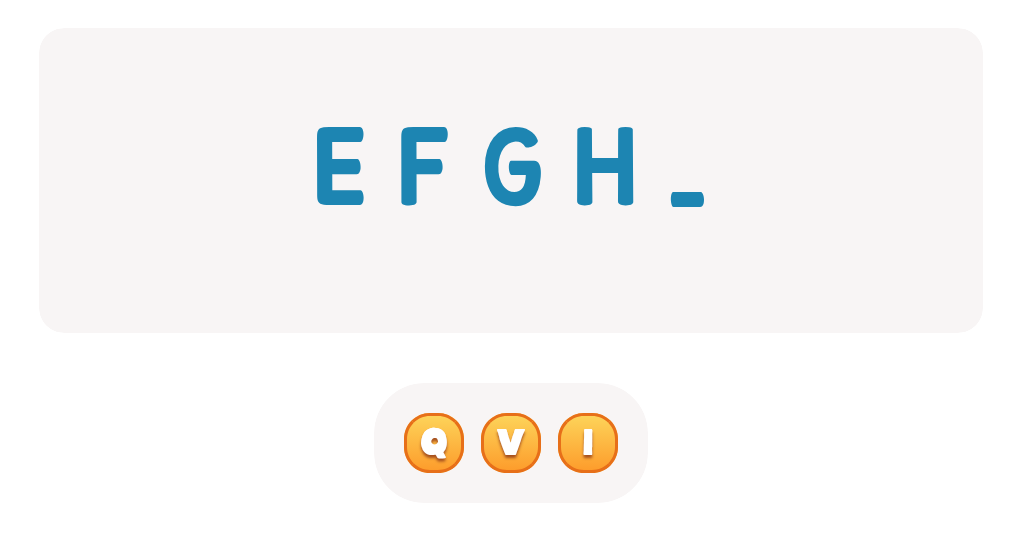
Enhance your child's literacy journey with our engaging Problem-Solving Skills Worksheets focused on Upper and Lowercase Letters for ages 4-7. Designed to spark creativity and critical thinking, these worksheets encourage young learners to identify, match, and distinguish between uppercase and lowercase letters through interactive activities. As children work through fun exercises, they develop essential problem-solving abilities while reinforcing their understanding of the alphabet. Perfect for classroom or home use, our printable resources foster a love for learning, making literacy not just educational, but enjoyable. Help your little ones build a strong foundation in language skills today!
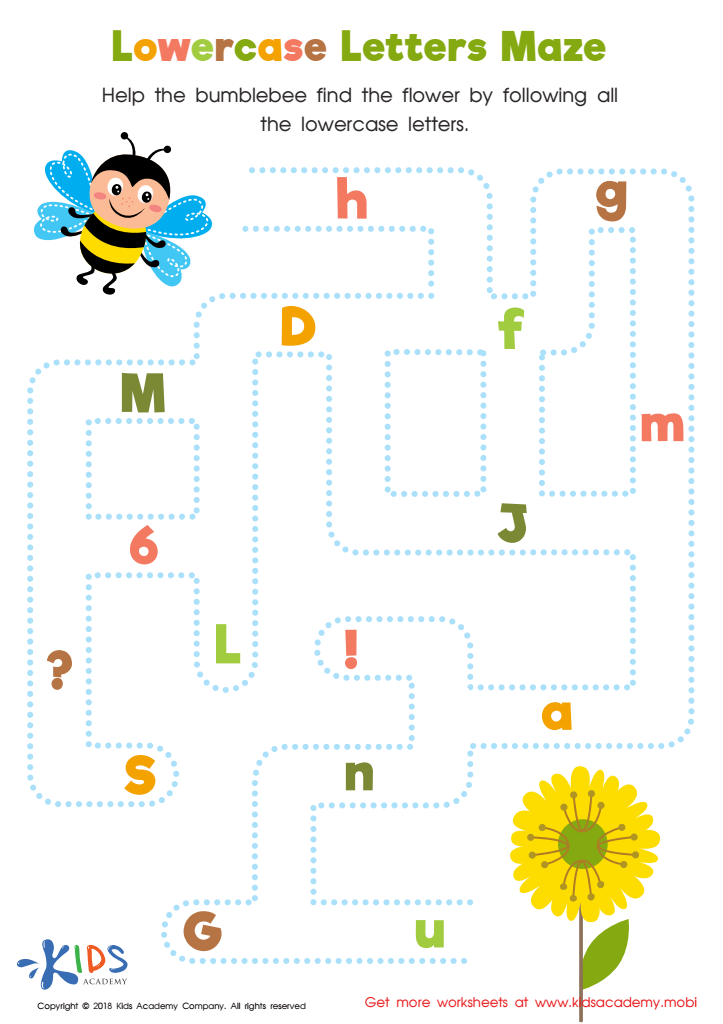
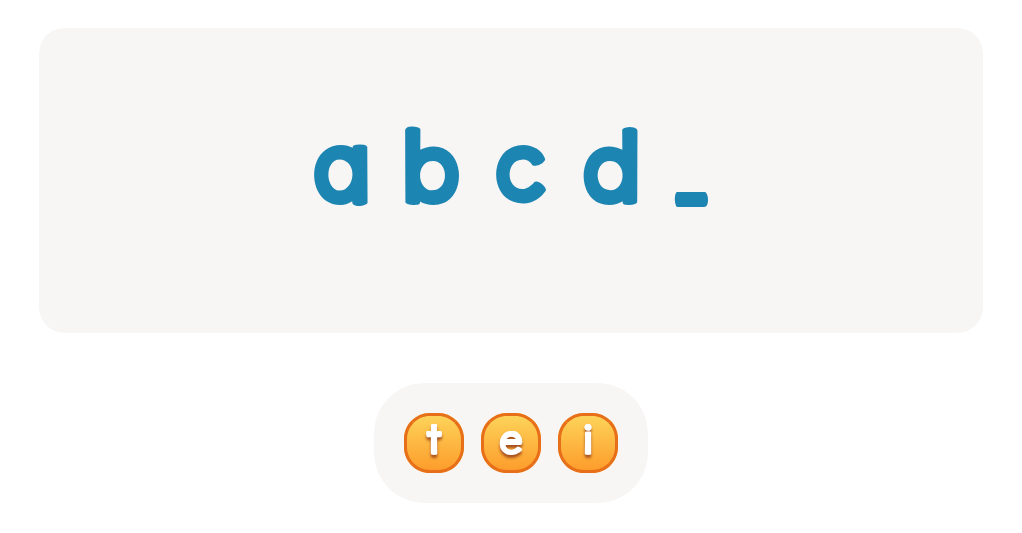
Lowercase Letters Maze Worksheet
 Assign to My Students
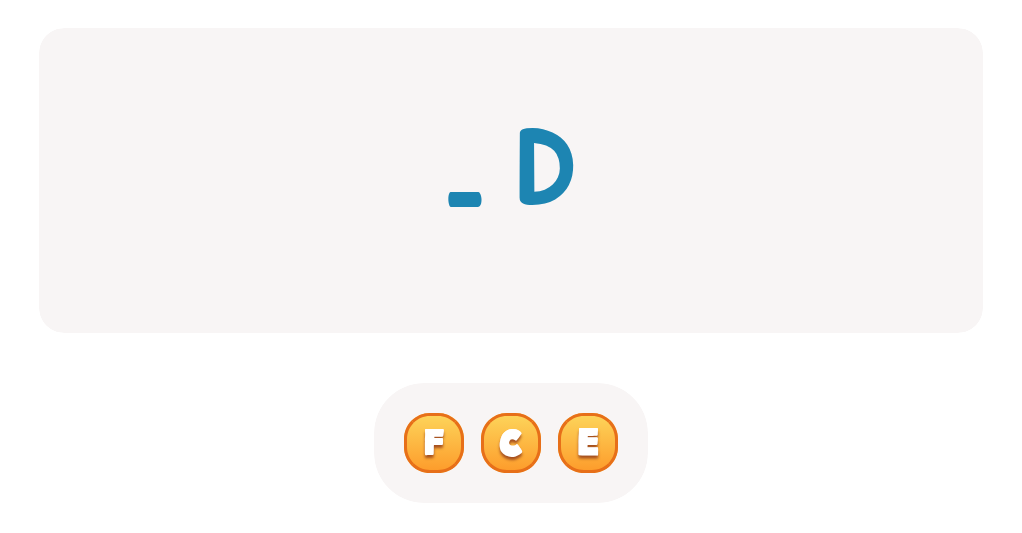

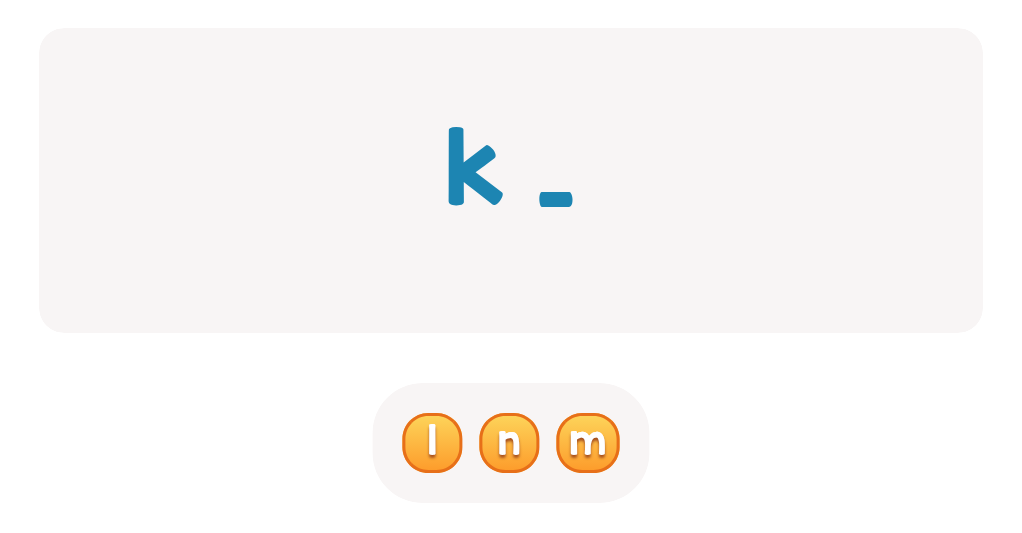
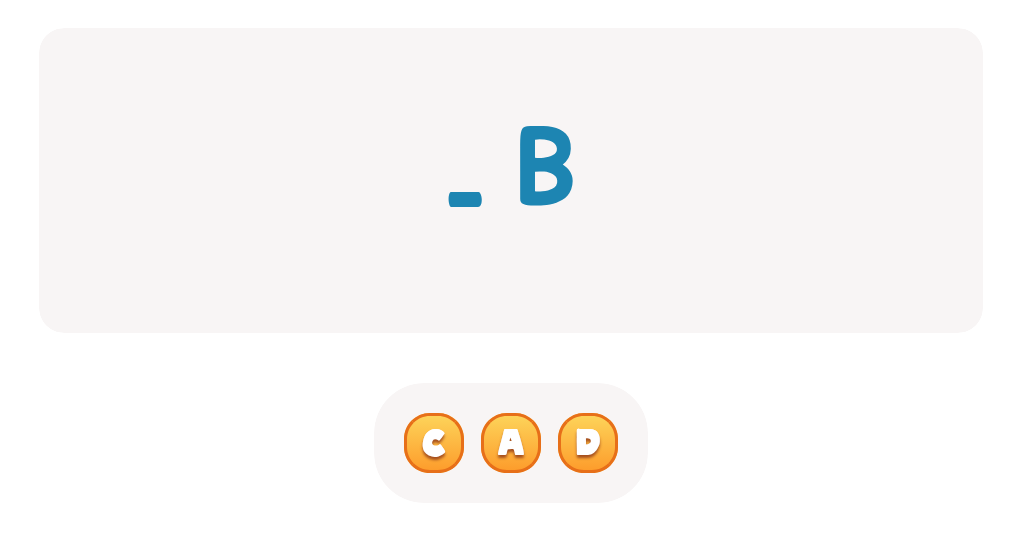
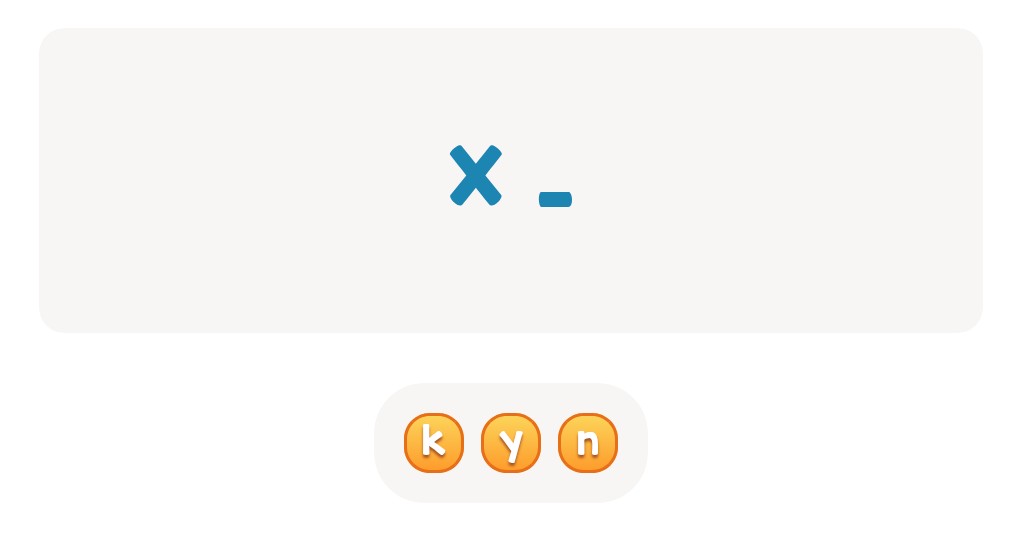
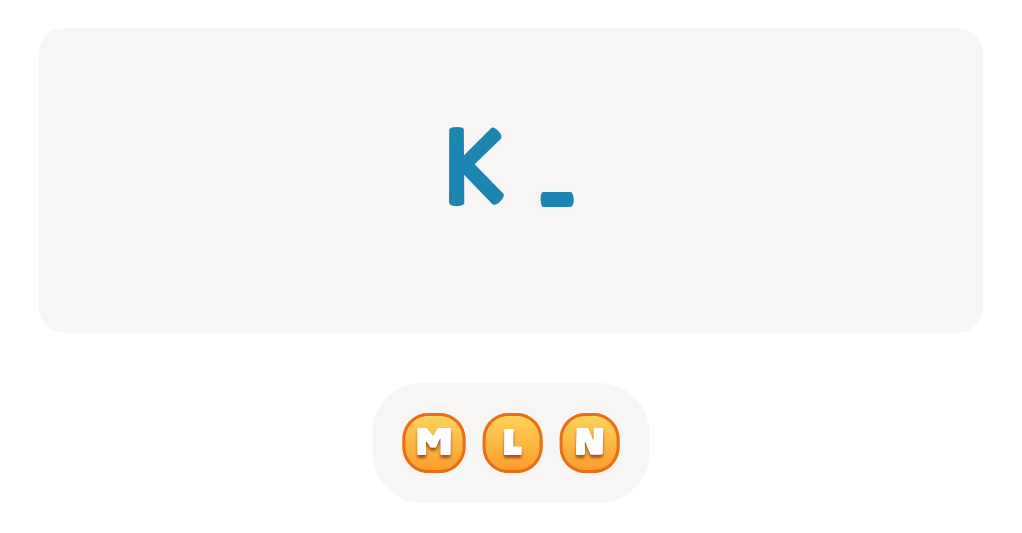
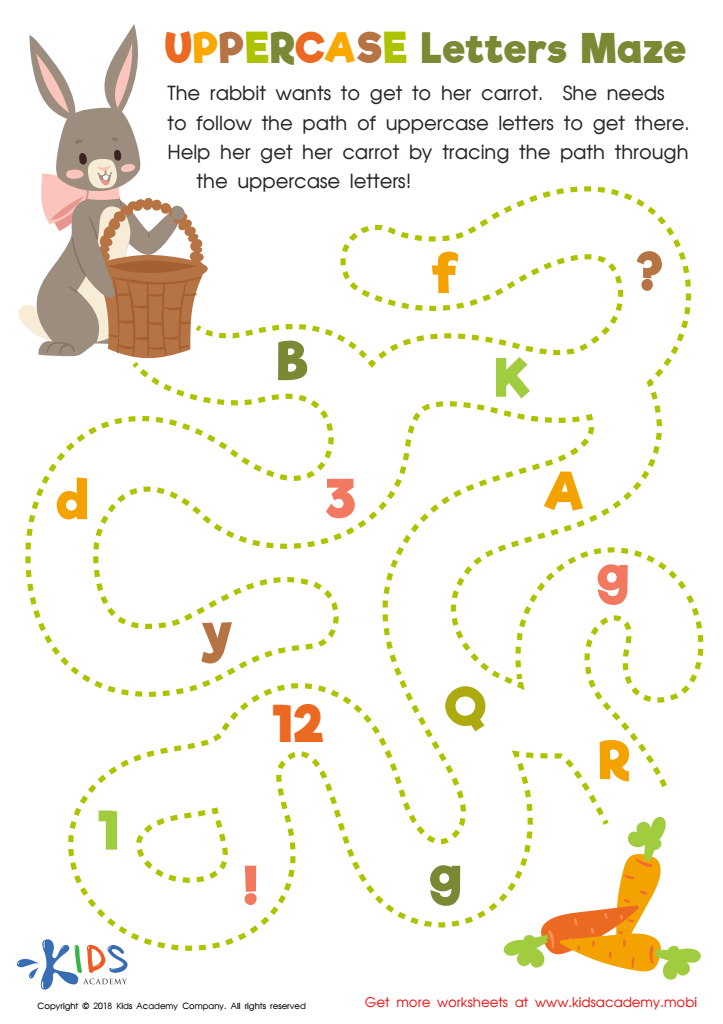
Uppercase Letters Maze Worksheet
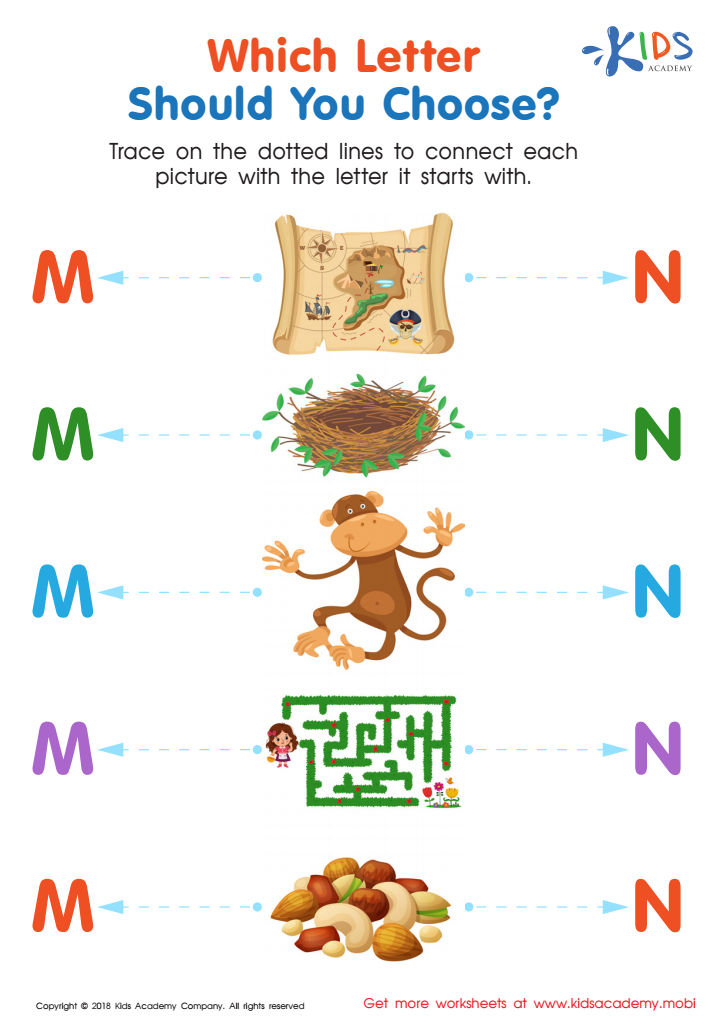
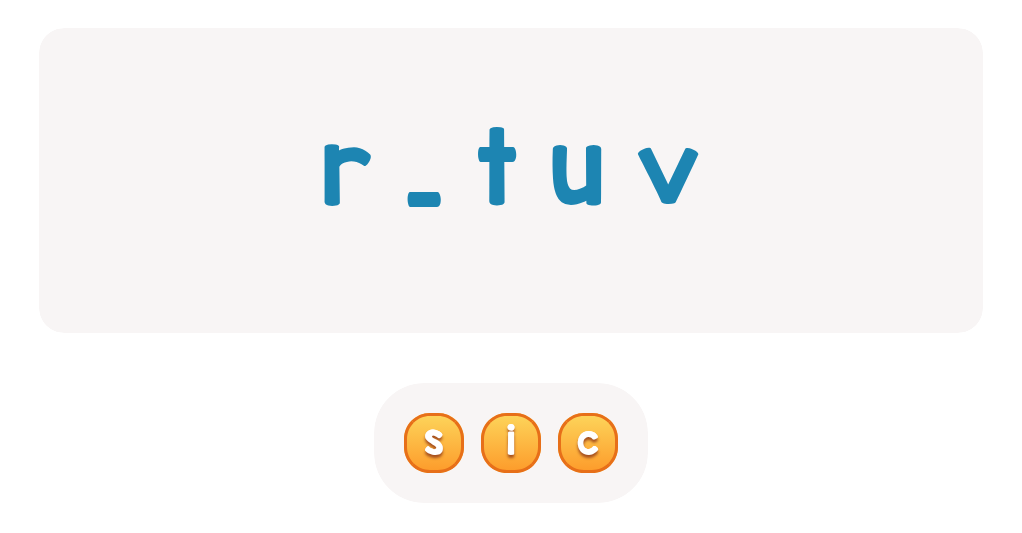
Which Letter Should you Choose? Worksheet






Problem-solving skills are essential for young learners, particularly when it comes to understanding upper and lowercase letters. For children aged 4-7, learning to differentiate between these letters is more than just reading; it develops critical cognitive abilities that will serve them in all areas of life. First, mastering letter recognition helps boost their confidence and encourages主动学习,making them more enthusiastic students.
By engaging in activities that incorporate both recognition and problem-solving, children develop essential skills such as critical thinking, pattern recognition, and spatial awareness. These foundational skills support their ability to tackle challenges in other academic subjects, like math and science. Moreover, as children encounter problems related to language and literacy—like spelling or forming sentences—they learn to analyze situations and devise solutions, enhancing their innovative thinking.
For parents and teachers, focusing on problem-solving skills in the context of learning letters also means teaching kids persistence. They learn that struggles are a part of the learning process, fostering resilience. Engaging in these skills prepares children not only for academic success but for lifelong learning and adaptability in an ever-changing world. Ultimately, fostering these skills now will equip children with tools they can rely on throughout their educational journey and beyond.







