Visual discrimination skills Upper & Lowercase Letters Worksheets for Ages 4-7
4 filtered results
-
From - To
Enhance your child's visual discrimination skills with our engaging Upper & Lowercase Letters Worksheets, designed for ages 4-7. These worksheets provide a fun and interactive way for young learners to differentiate between uppercase and lowercase letters, fostering essential reading and writing abilities. Through a variety of activities, including matching and identifying letters, children will develop critical perceptual skills while reinforcing their understanding of the alphabet. Perfect for classroom use or at-home learning, these worksheets are an excellent resource for early literacy development. Equip your child with the foundational skills they need to succeed in their educational journey!

Find Uppercase Letters A, B, and C Worksheet
 Assign to My Students

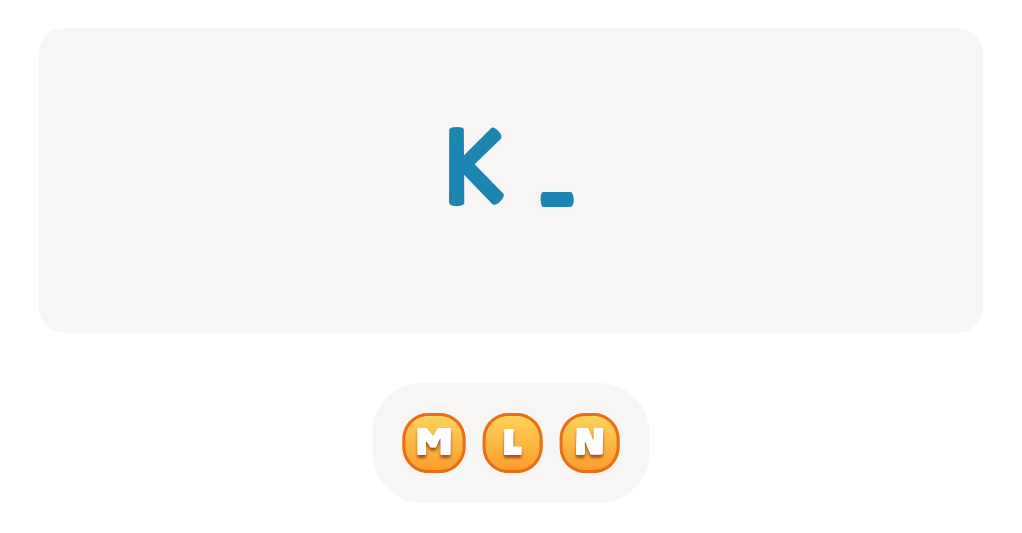
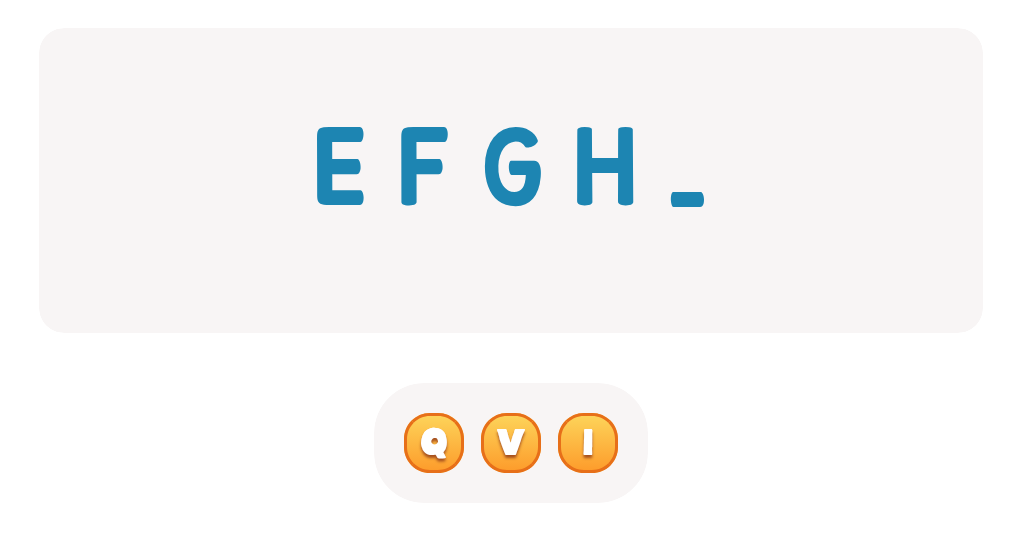
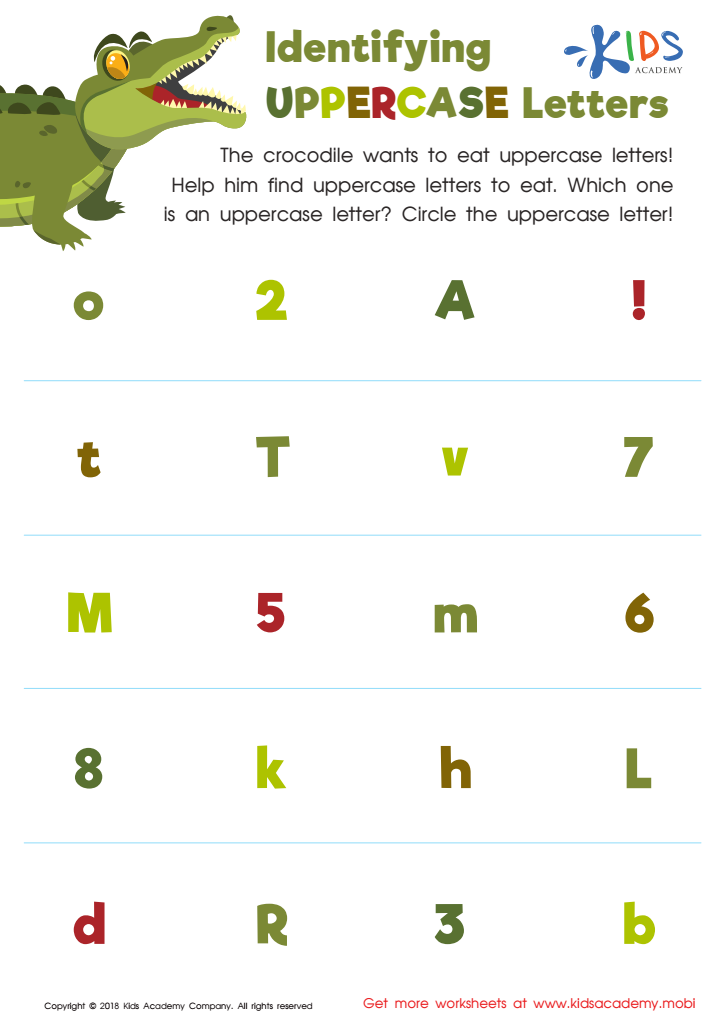
Identifying Uppercase Letters Worksheet
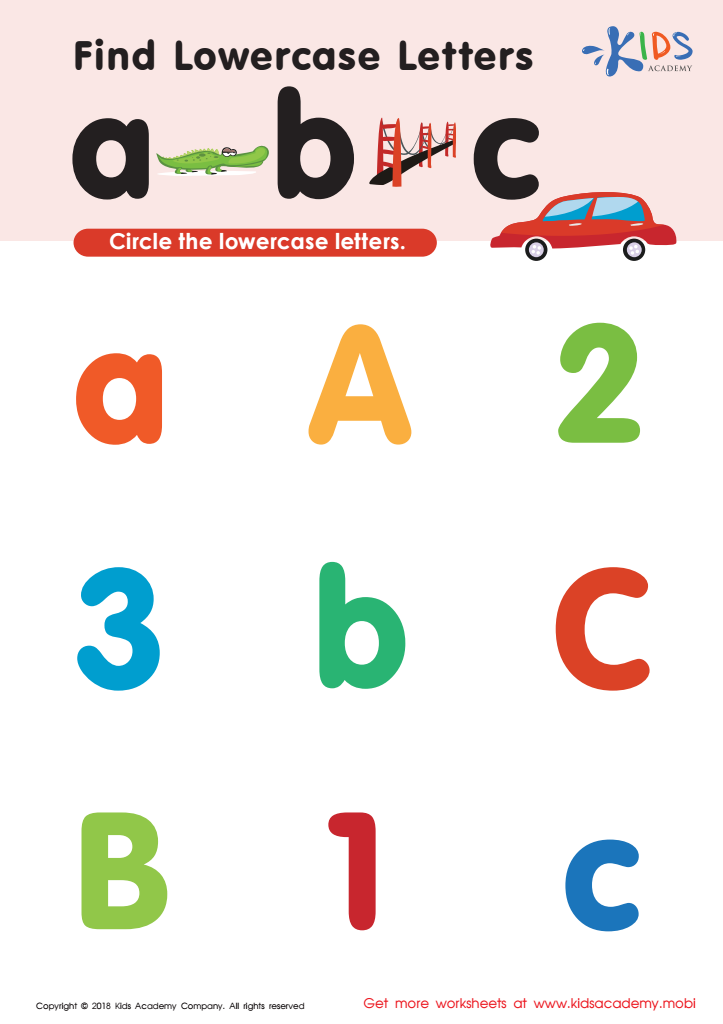
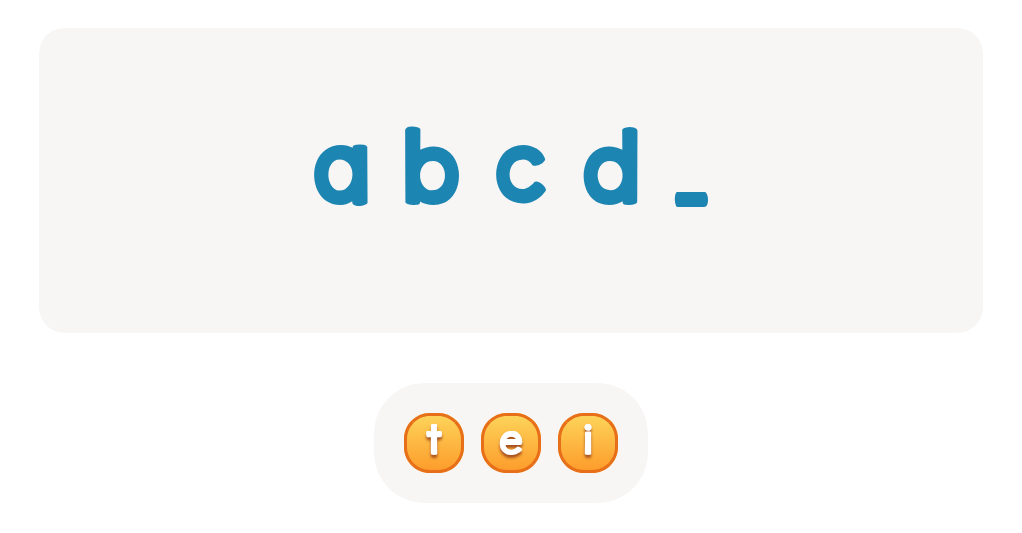
Find lowercase letters a b c Worksheet
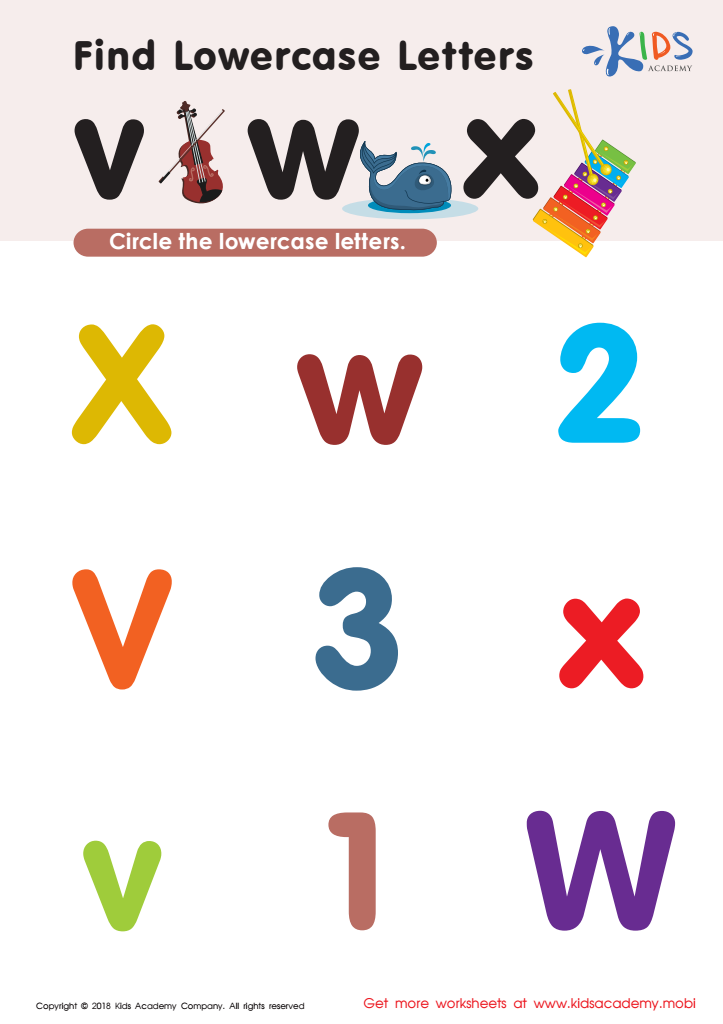
Find Lowercase Letters v w x Worksheet






Visual discrimination skills play a crucial role in early literacy development, particularly for children aged 4 to 7. These skills enable students to identify and differentiate between similar shapes and forms, such as uppercase and lowercase letters. As children embark on their reading and writing journeys, strong visual discrimination skills help them recognize and articulate letters accurately, which is fundamental for decoding words and building vocabulary.
If parents and teachers emphasize the development of these skills, they foster greater confidence and competency in literacy. Young learners who struggle with visual discrimination may often confuse letters that look alike, such as 'b' and 'd,' or 'p' and 'q,' potentially hindering their reading progress and enjoyment. Supporting children in mastering these distinctions not only enhances their reading abilities but also empowers them with the foundational skills necessary for effective communication.
Moreover, effective visual discrimination evolves into broader cognitive skills as children engage with more complex language concepts. By focusing on uppercase and lowercase letters, both parents and teachers can create engaging activities and games that make learning enjoyable and effective. Ultimately, nurturing these skills leads to a smoother and more fruitful educational experience for early learners, setting them up for success in future academic endeavors.







