Color recognition Vocabulary Coloring Pages Worksheets for Ages 4-7
8 filtered results
-
From - To
Enhance your child's learning experience with our Color Recognition Vocabulary Coloring Pages Worksheets, designed specifically for ages 4-7. These engaging resources promote early literacy and color recognition through vibrant coloring activities. Each printable worksheet contains fun illustrations that represent various colors and their corresponding vocabulary words, helping kids build essential language skills while enjoying creative expression. As children color, they reinforce their understanding of colors and increase their vocabulary in an interactive way. Perfect for at-home learning or classroom settings, these worksheets provide a delightful introduction to the world of colors and words. Download now to spark creativity and learning!
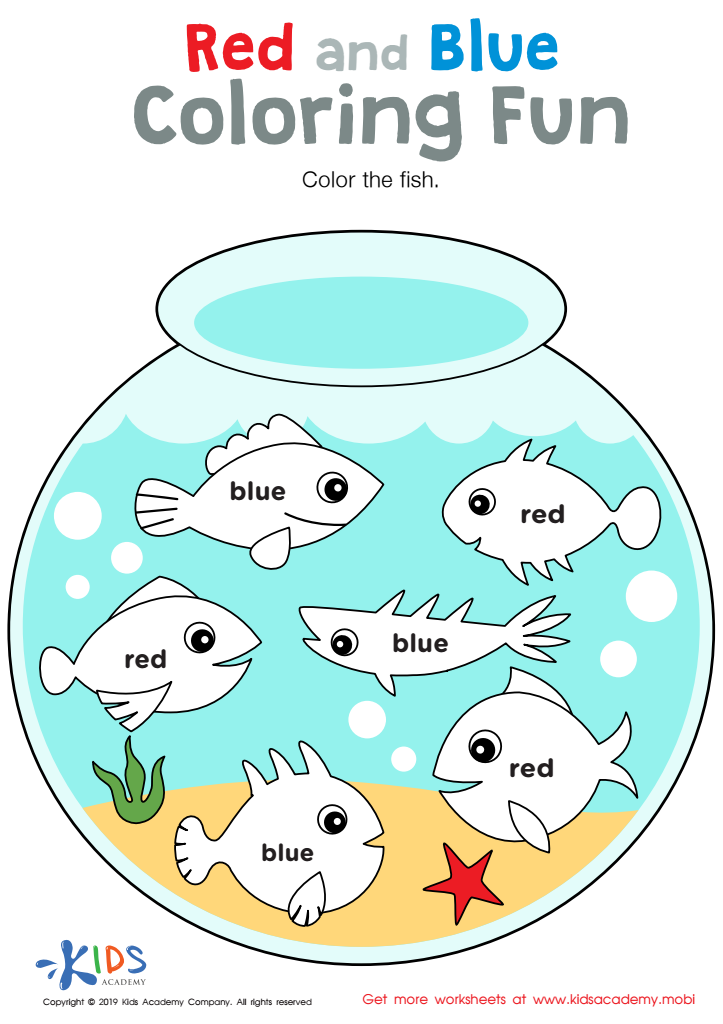
Red and Blue Coloring Fun Worksheet
 Assign to My Students
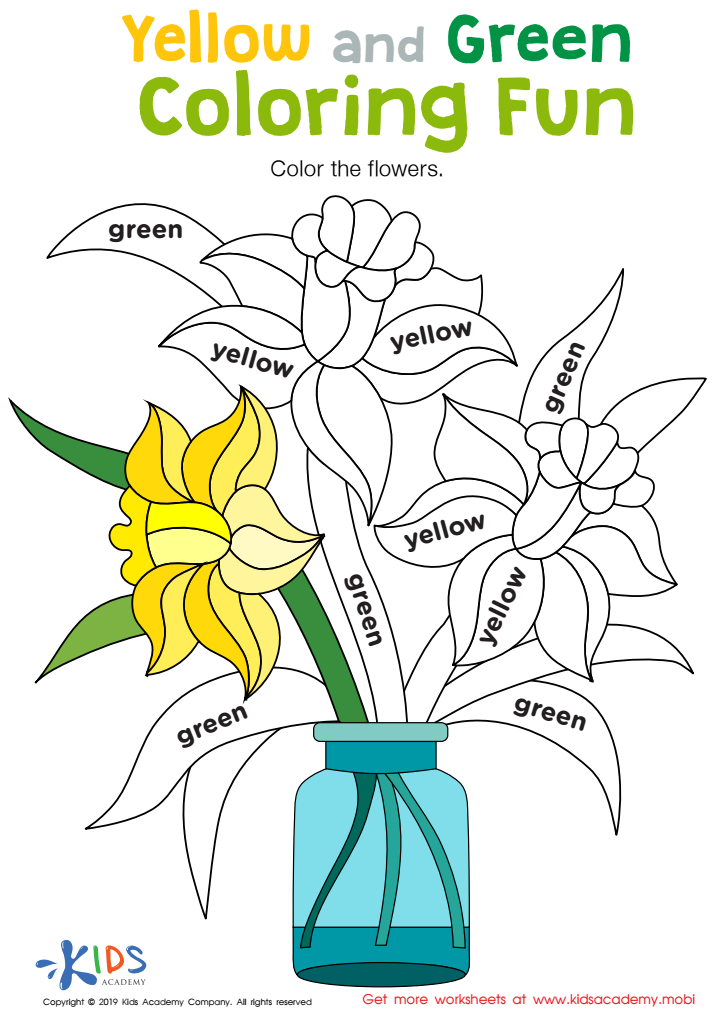
Yellow and Green Coloring Fun Worksheet
Assign to My Students
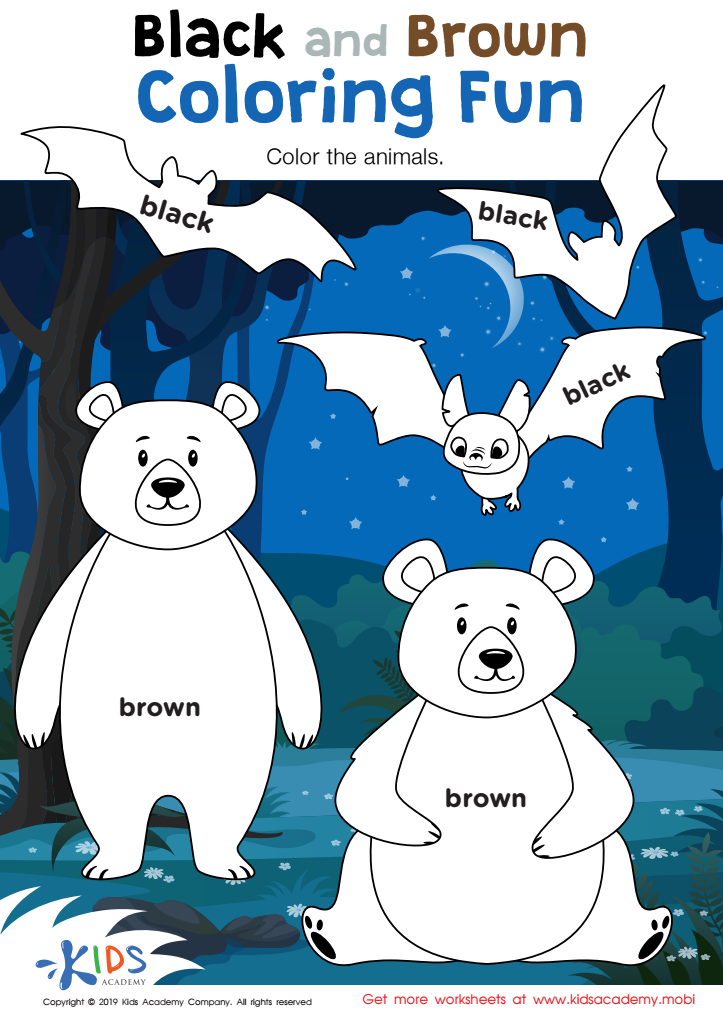
Black and Brown Coloring Fun Worksheet
Assign to My Students
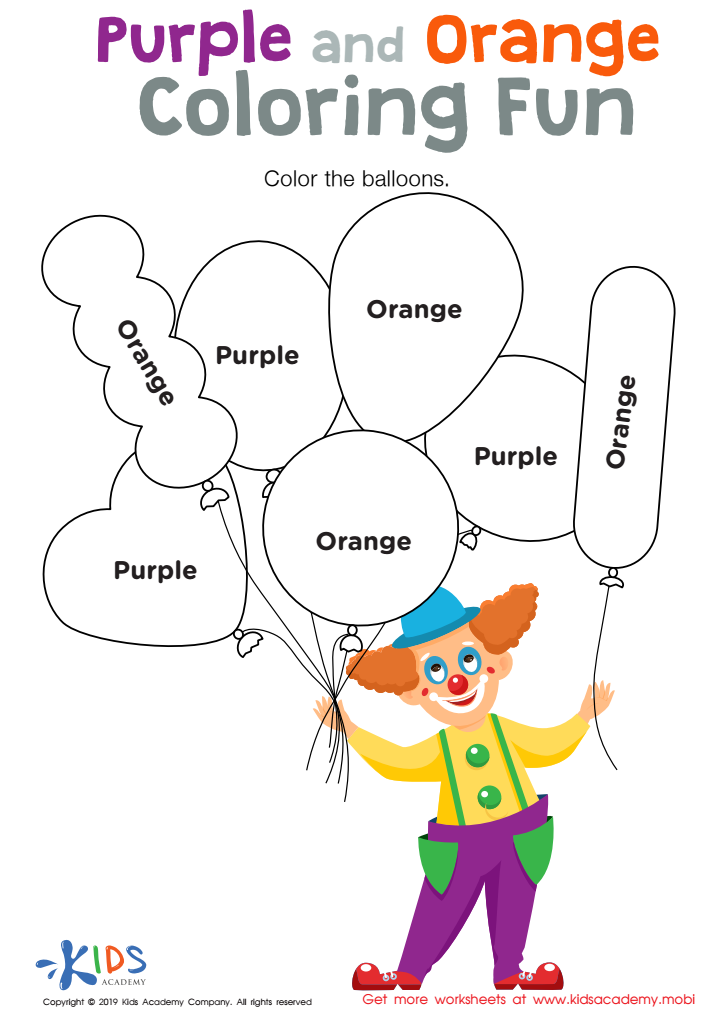
Purple and Orange Coloring Fun Worksheet
Assign to My Students
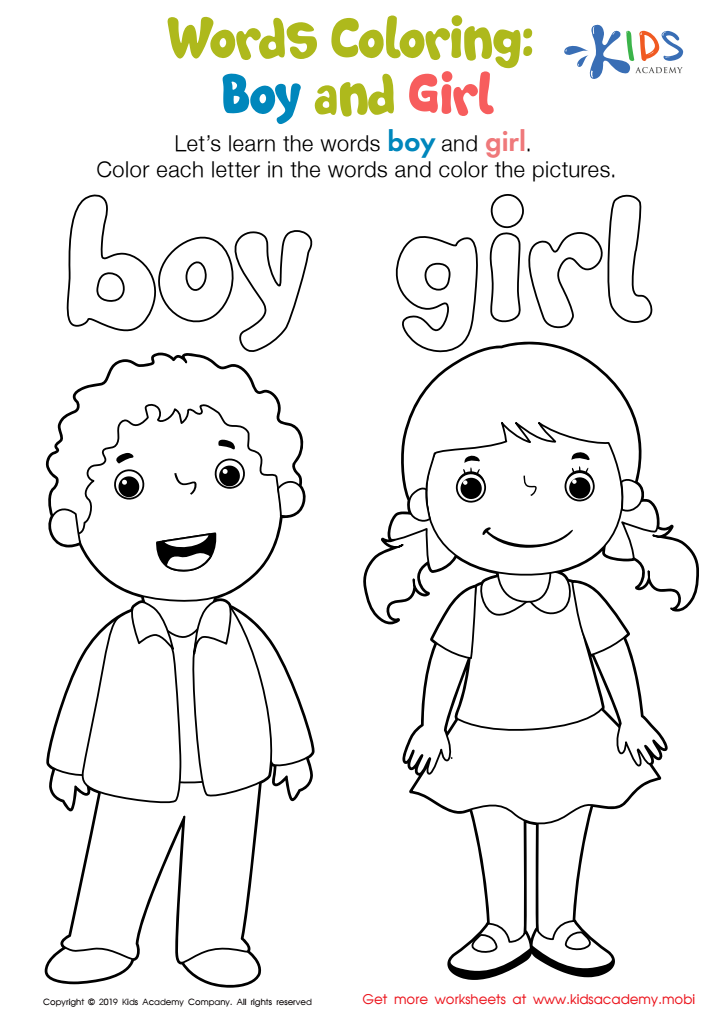
Boy and Girl Words Coloring Worksheet
Assign to My Students
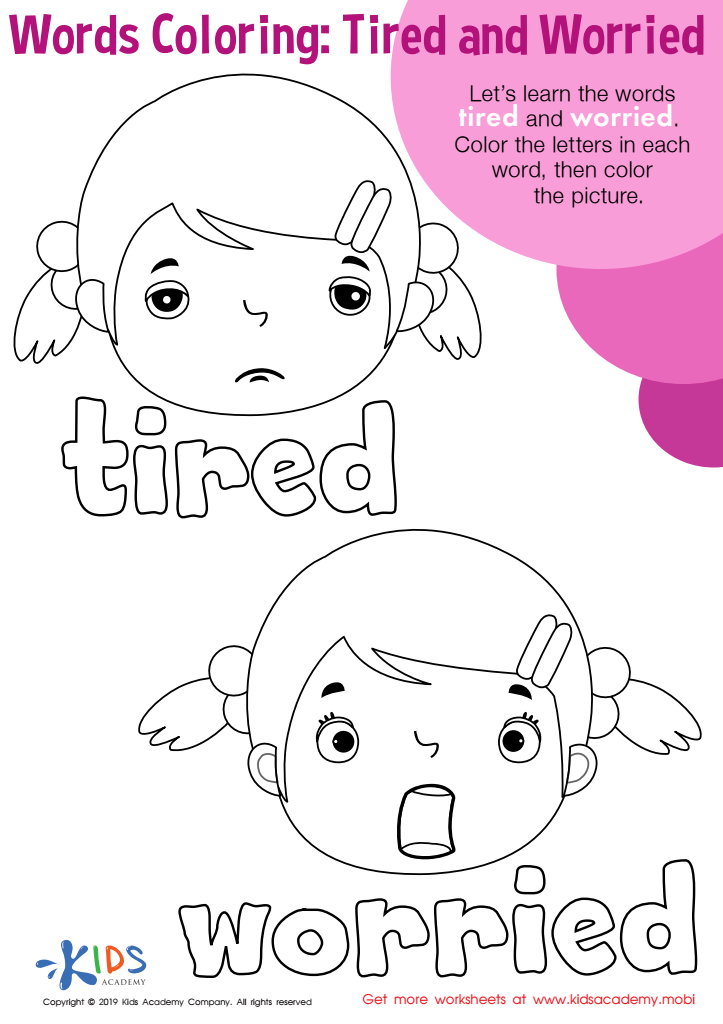
Tired and Worried Words Coloring Worksheet
Assign to My Students
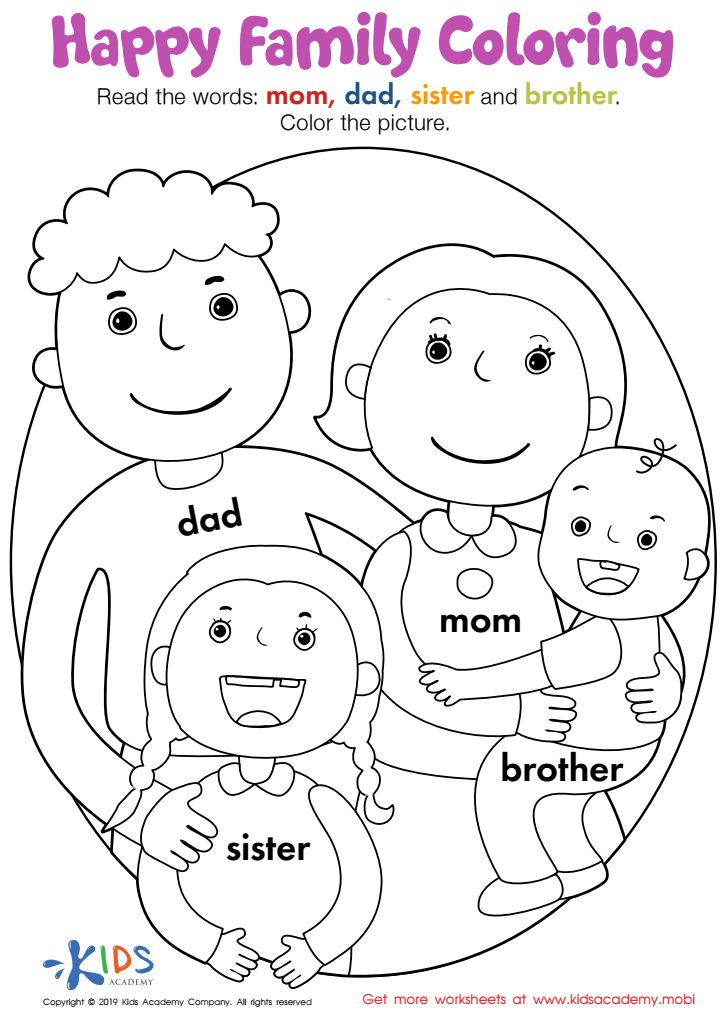
Happy Family Coloring Worksheet
Assign to My Students
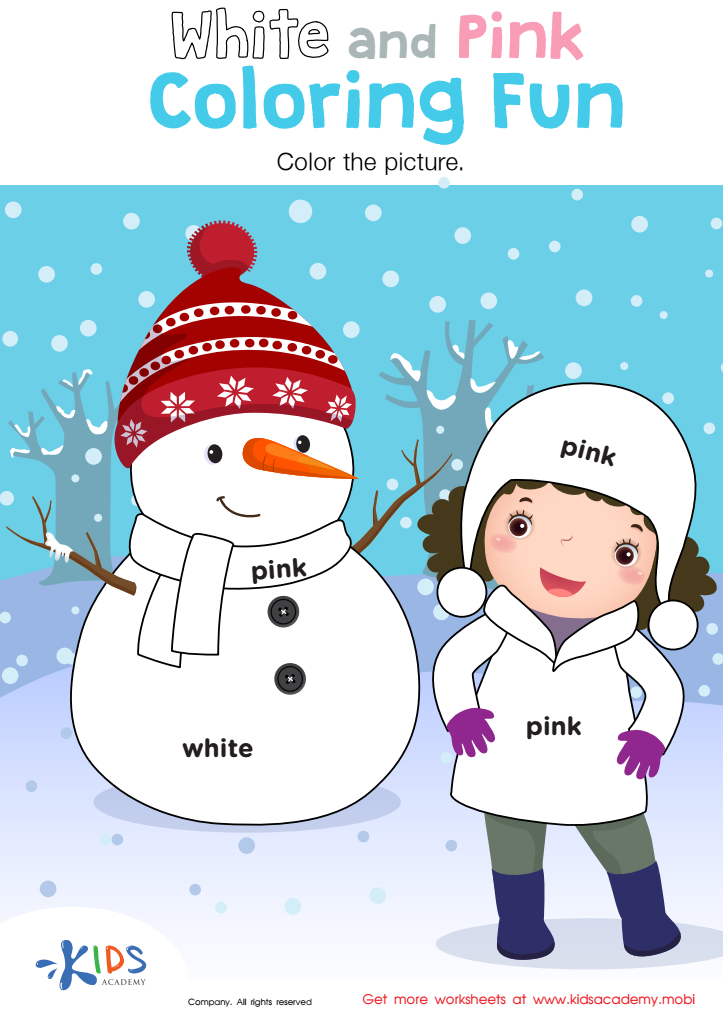
White and Pink Coloring Fun Worksheet
Assign to My Students





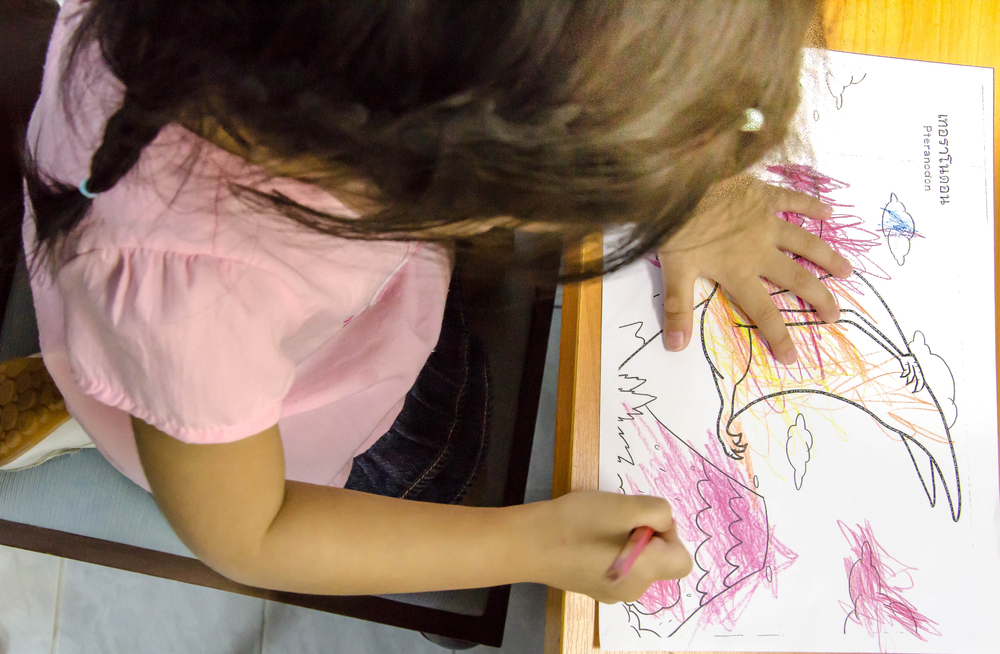


Color recognition is a fundamental skill for young children, forming the basis for more complex learning in areas such as reading, math, and art. Coloring pages specifically designed for color recognition vocabulary provide a fun and engaging way for children aged 4-7 to hone this essential skill. Parents and teachers should care about these resources as they not only foster children's understanding of colors but also promote fine motor skills through coloring activities.
Using coloring pages allows children to associate colors with various objects and concepts, broadening their vocabulary and creative expression. When kids engage with colorful images, they can discuss their choices, boosting language development and encouraging conversations around color names and their characteristics.
These activities also support cognitive development, as children learn to identify, discriminate, and name different colors. This skill is vital for tasks ranging from sorting objects to expressing emotions. Moreover, integrating play into learning increases motivation and engagement, making education a delightful experience for young learners. By incorporating coloring pages that focus on color recognition vocabulary into classrooms and home activities, parents and teachers can create a nurturing environment that supports early childhood development and prepares children for future learning success.