Addition skills Worksheets for Ages 4-7 - Page 3
136 filtered results
-
From - To
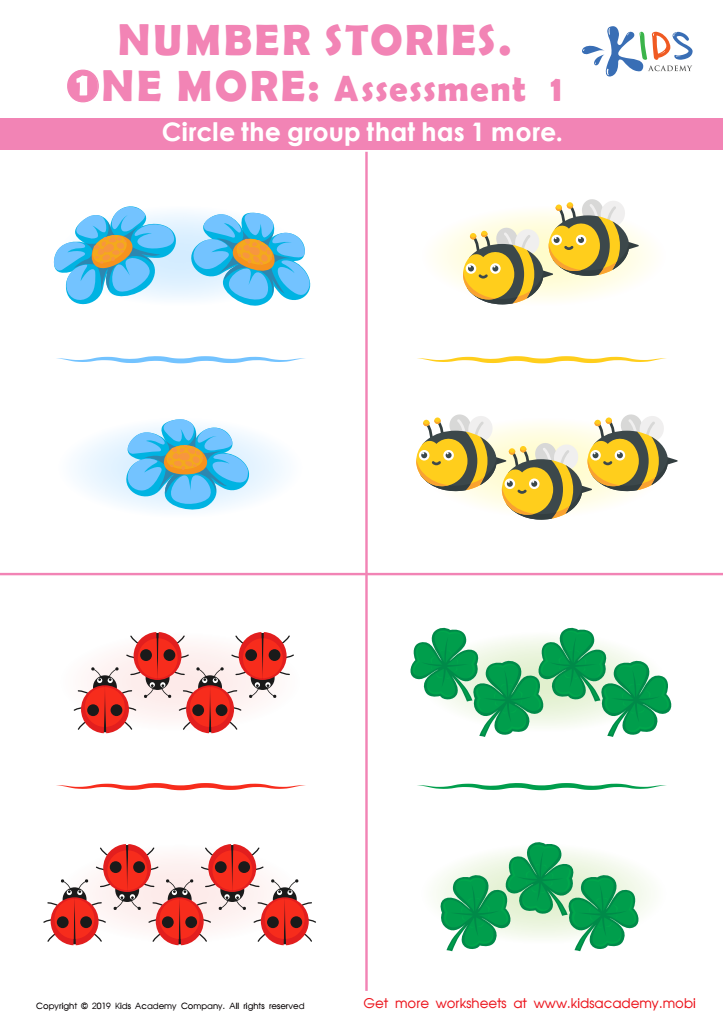
Number Stories One More – Assessment 1 Worksheet
 Assign to My Students
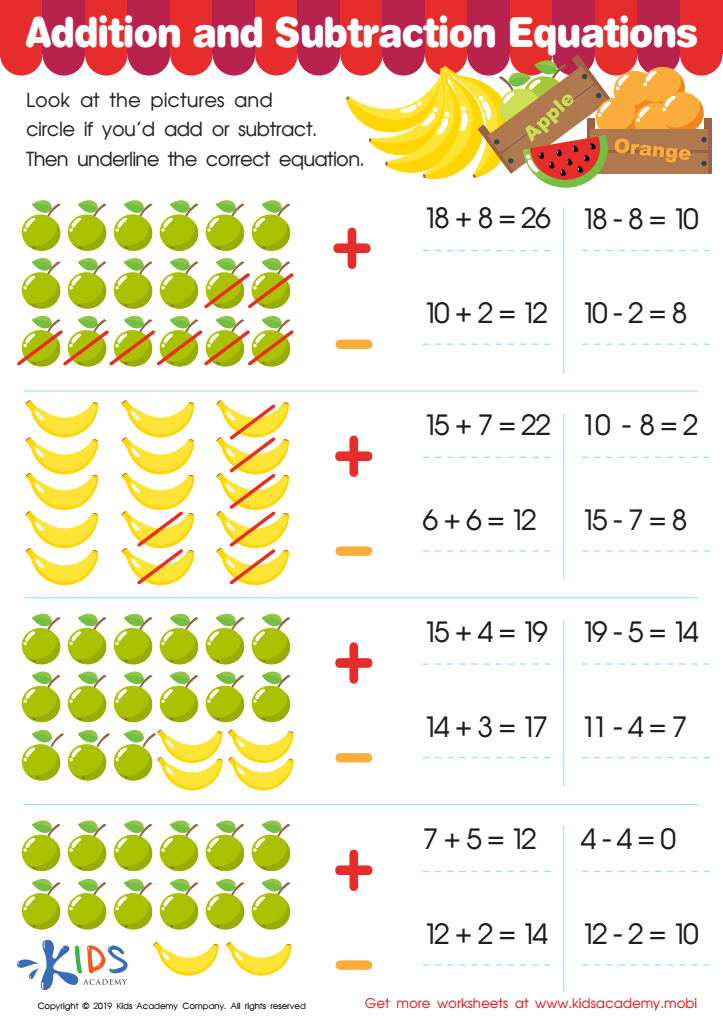
Addition and Subtraction: Equations Worksheet
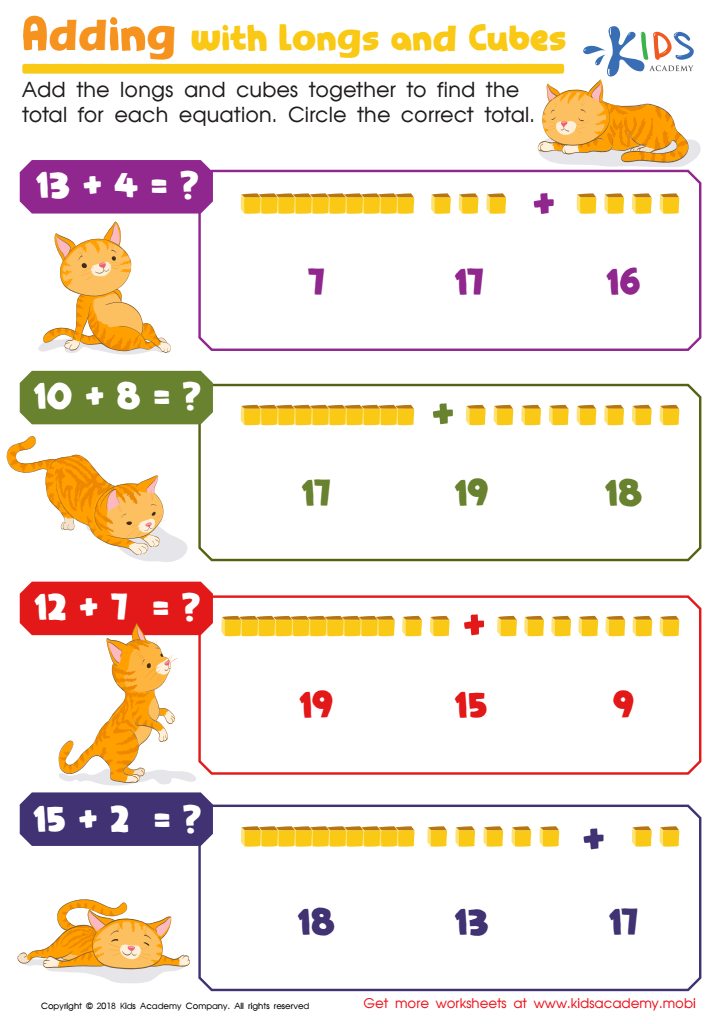
Adding With Longs and Cubes Worksheet
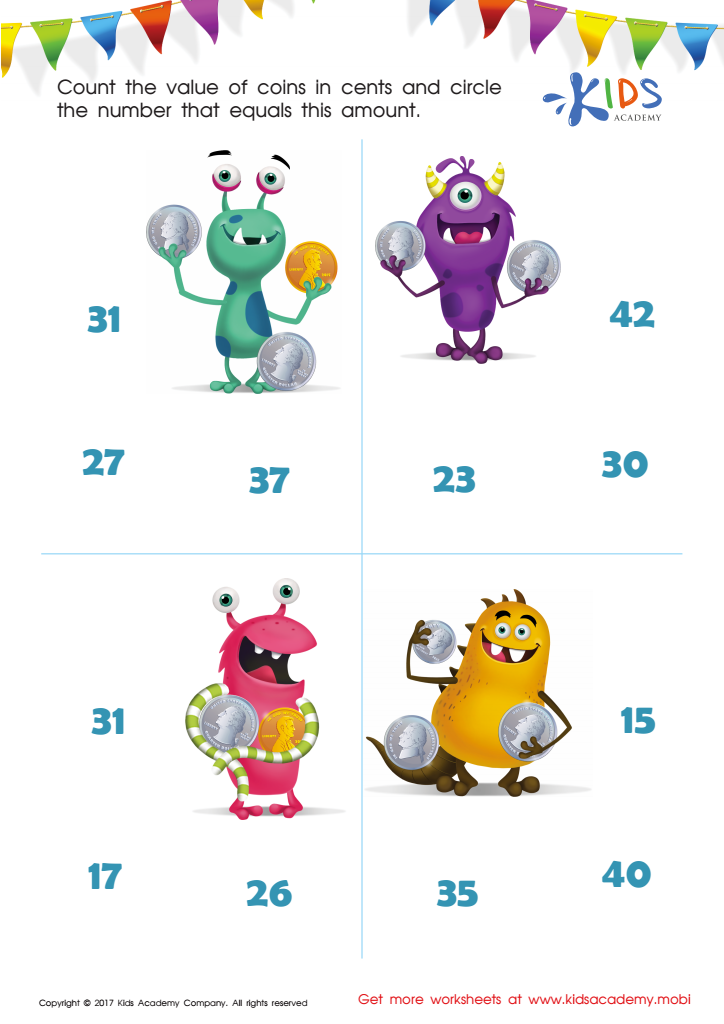
How Many Coins Money Worksheet
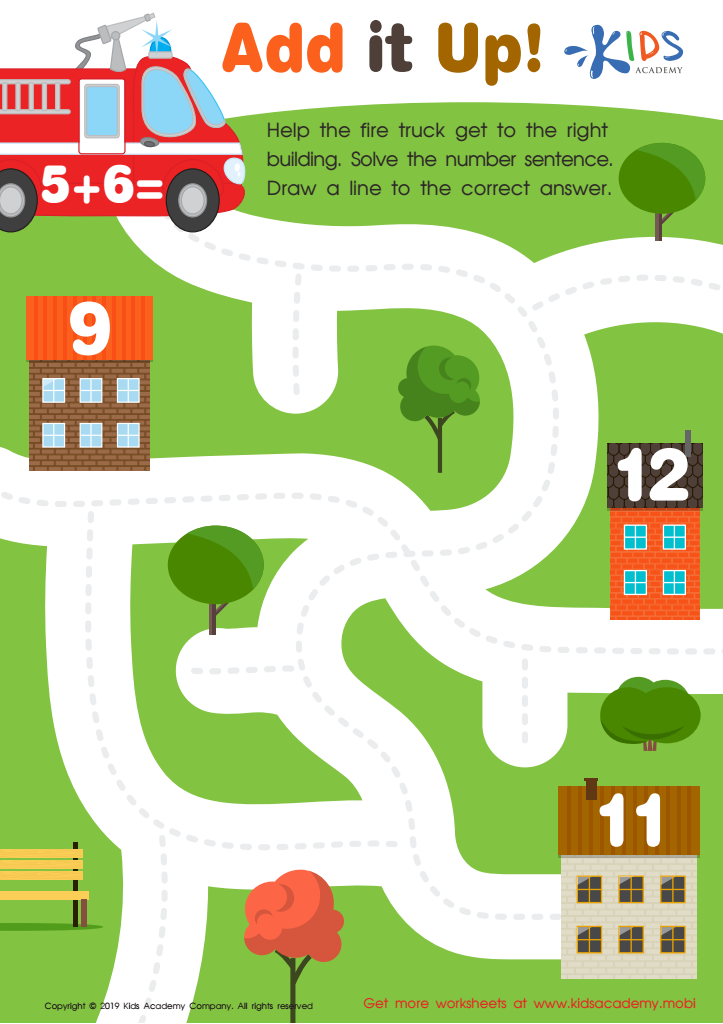
Add it Up Worksheet
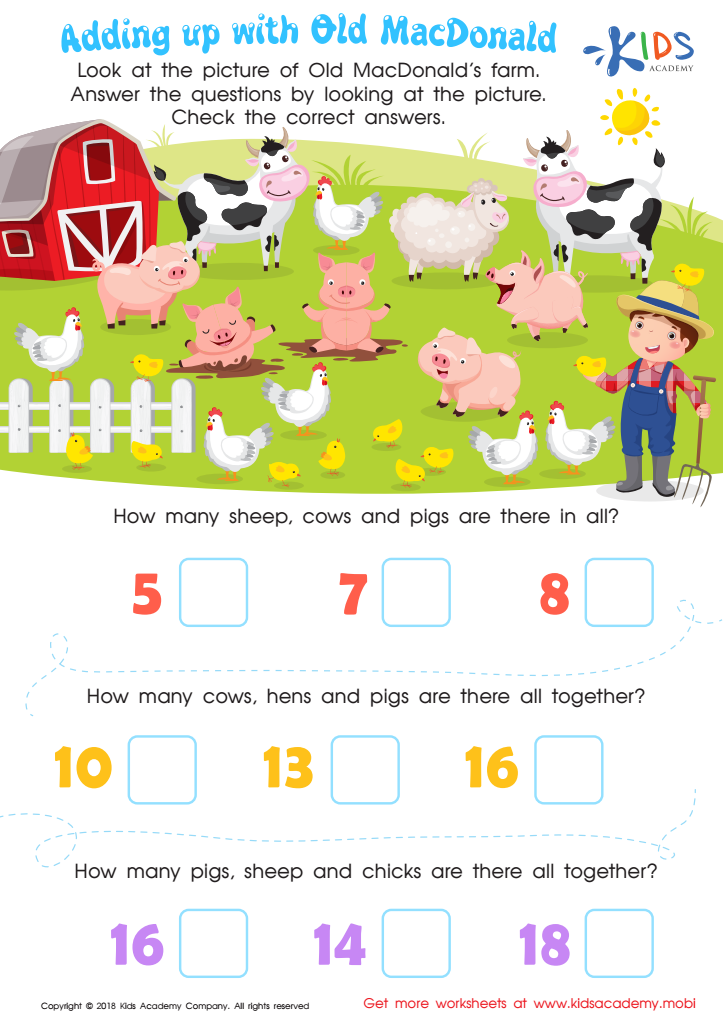
Adding Up with Old MacDonald Worksheet
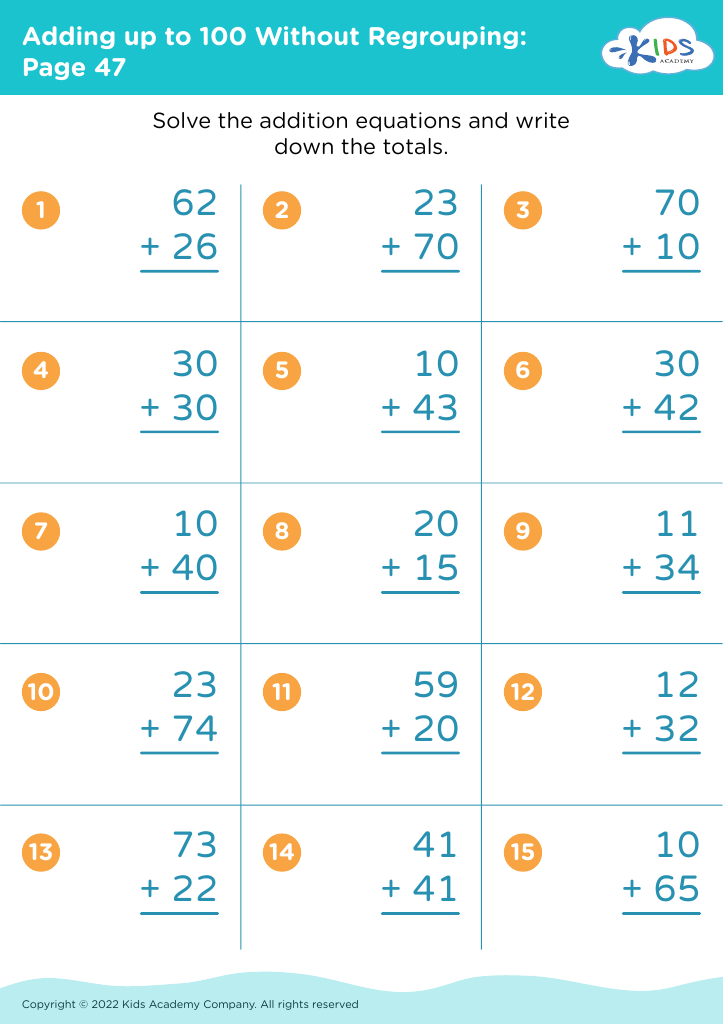
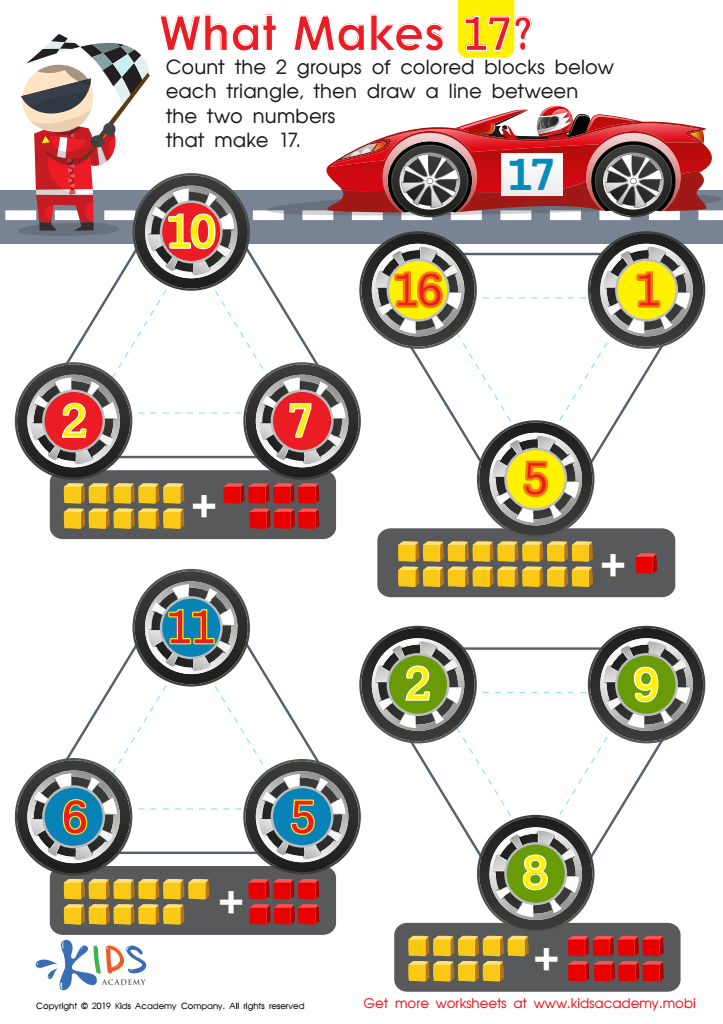
What Makes 17 Worksheet
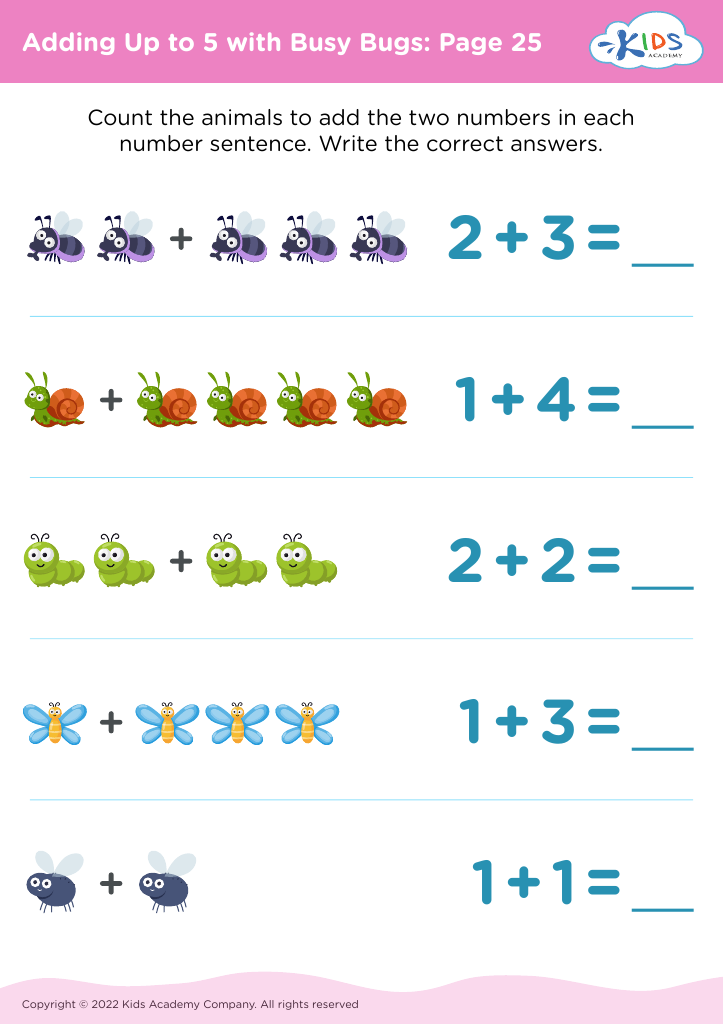
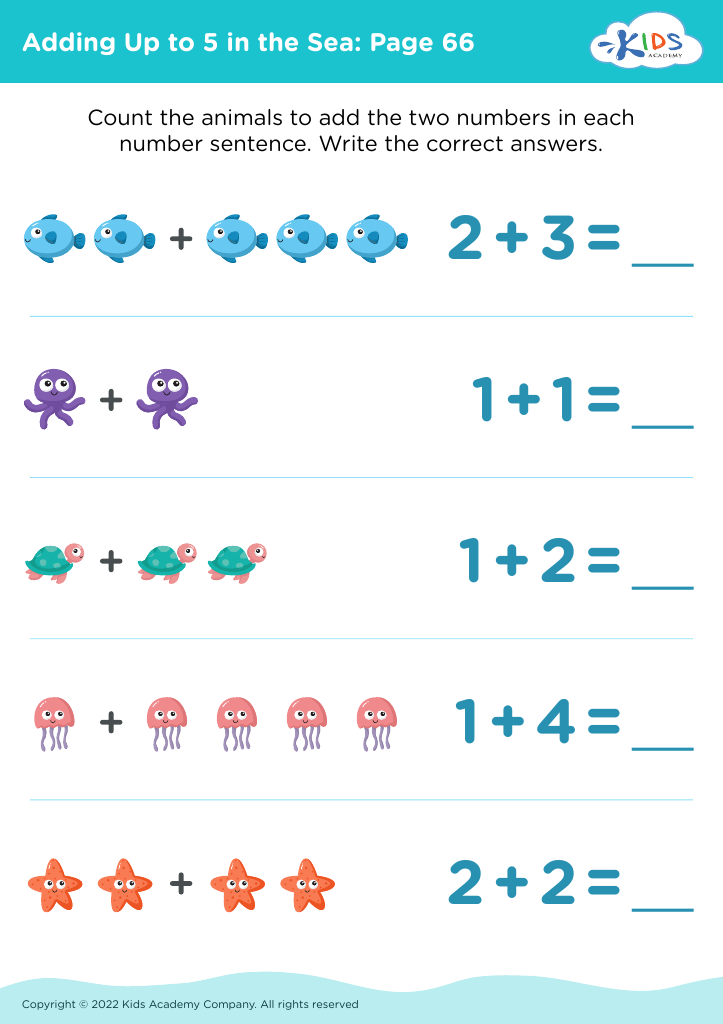
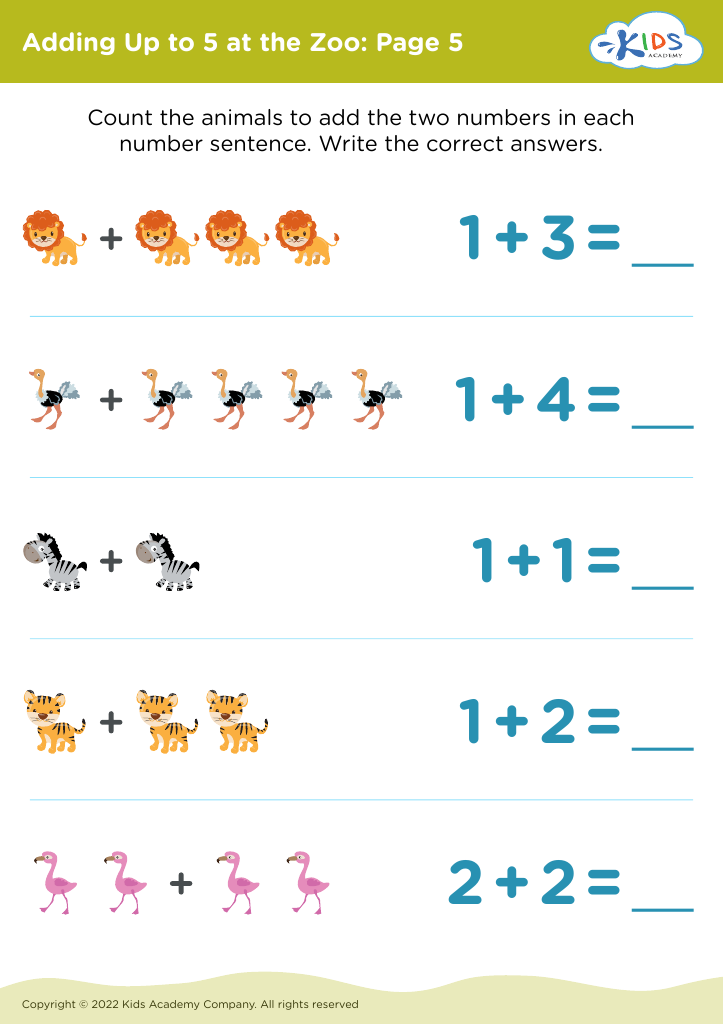
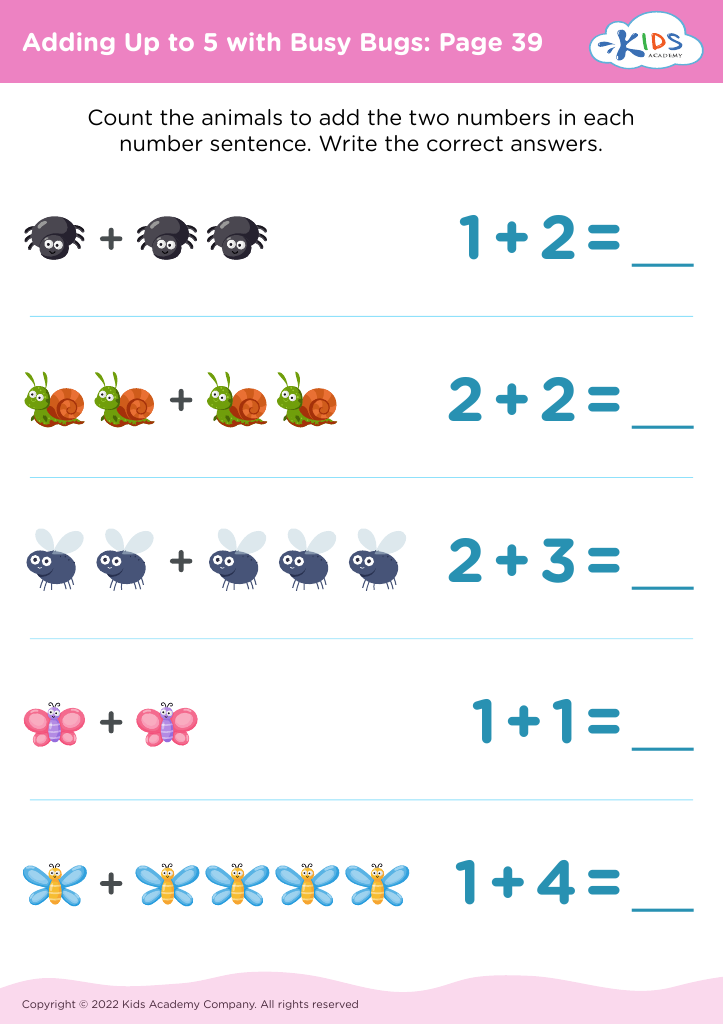
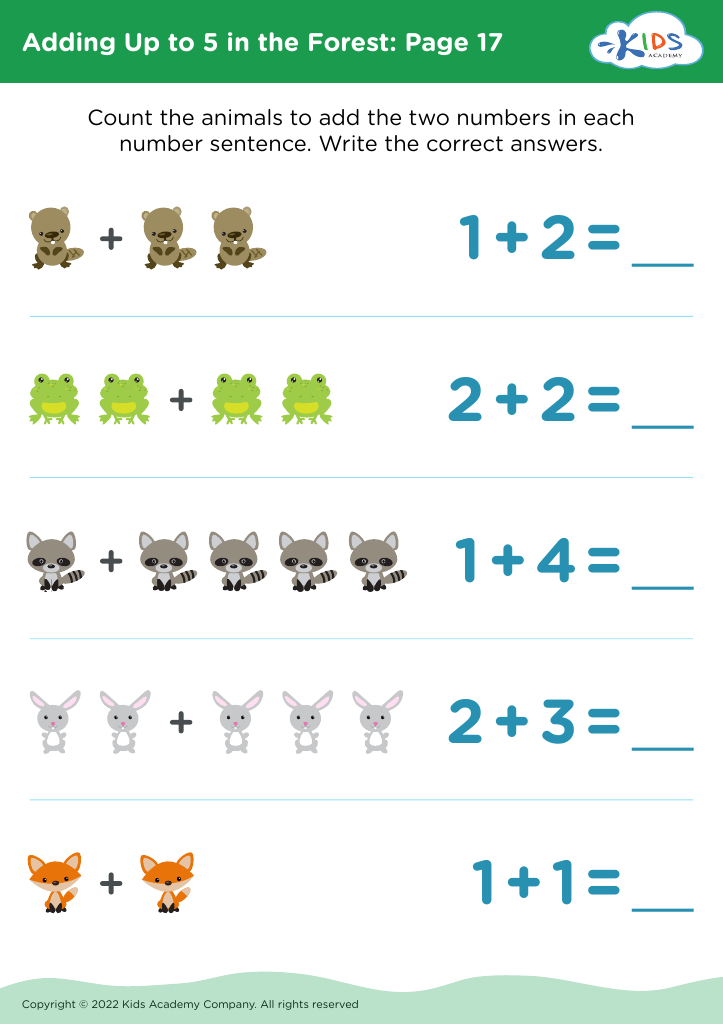
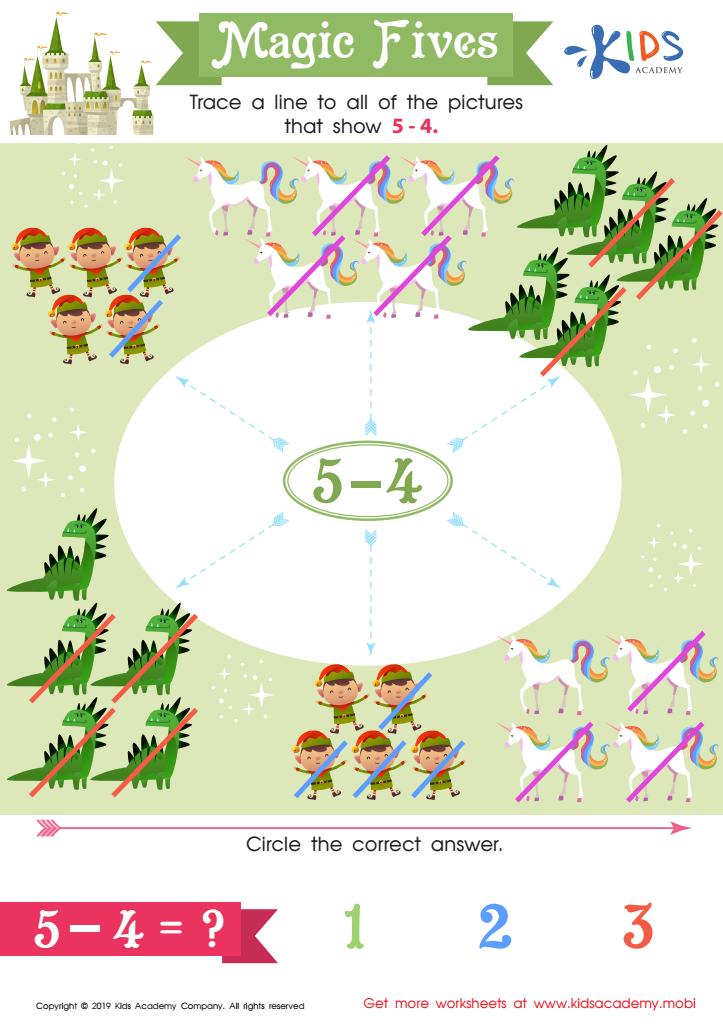
Magic Fives Worksheet
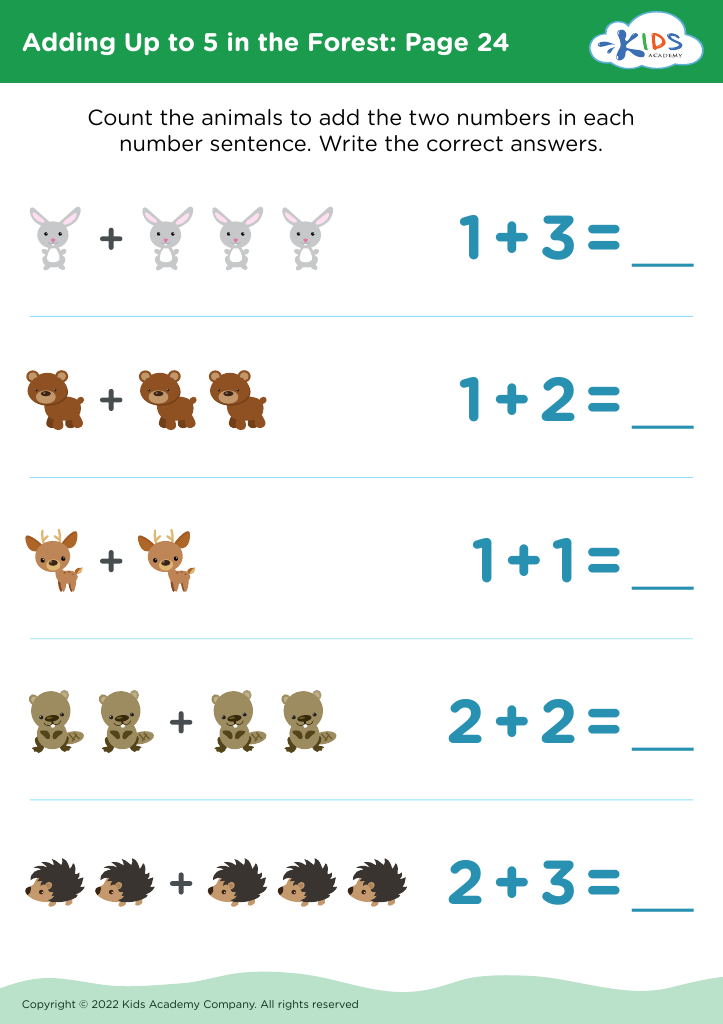
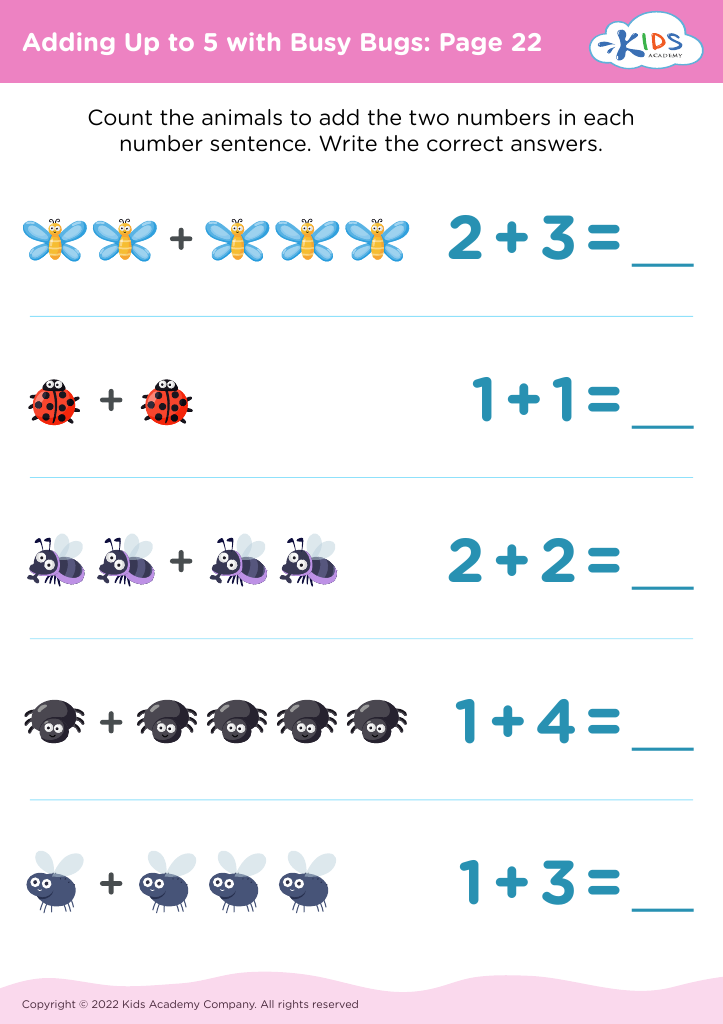
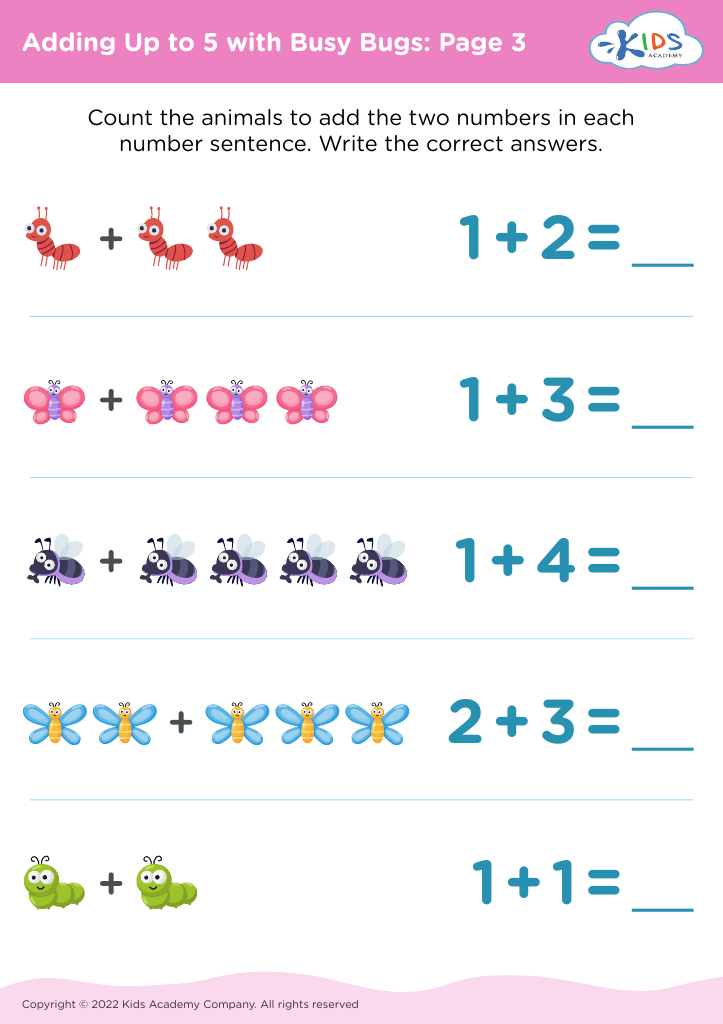
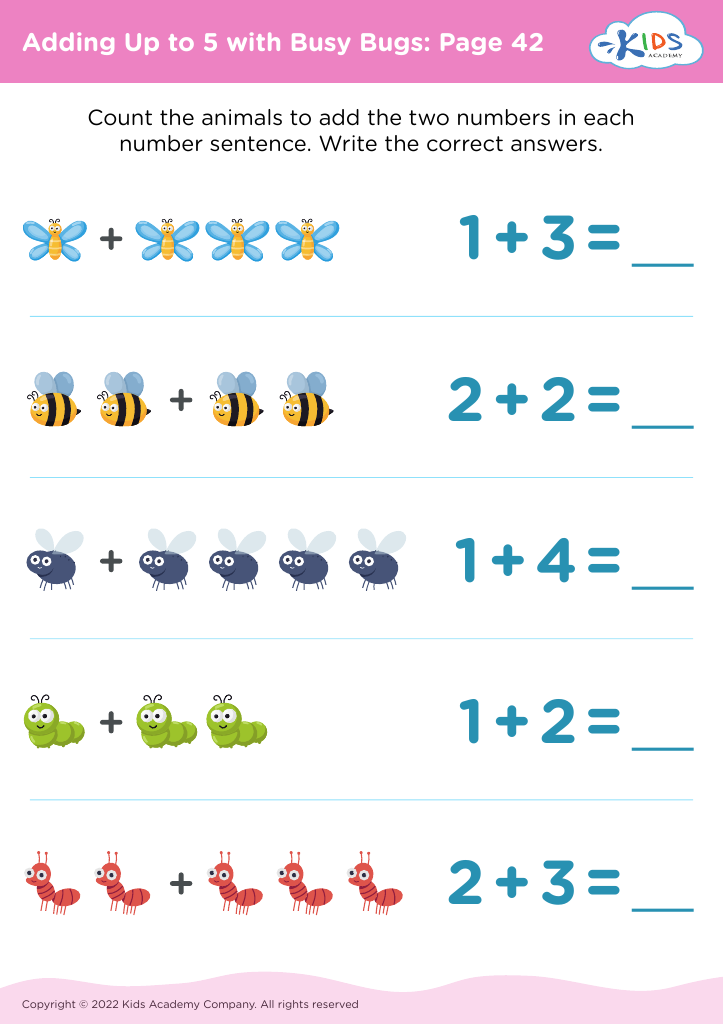
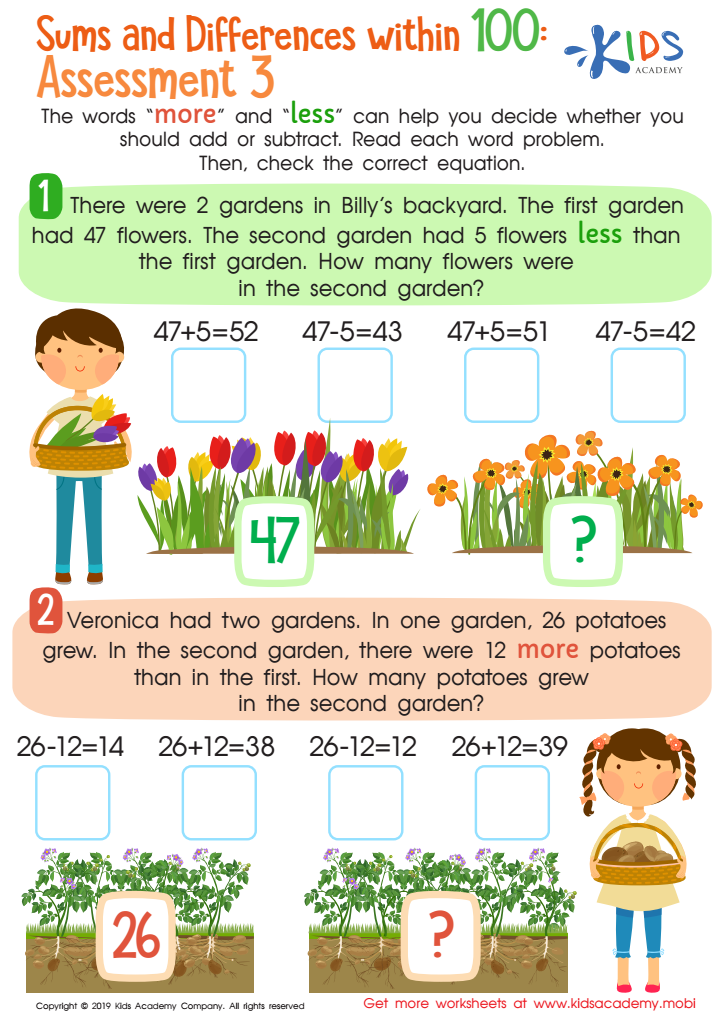
Sums and Differences Within 1 - Assessment 3 Worksheet
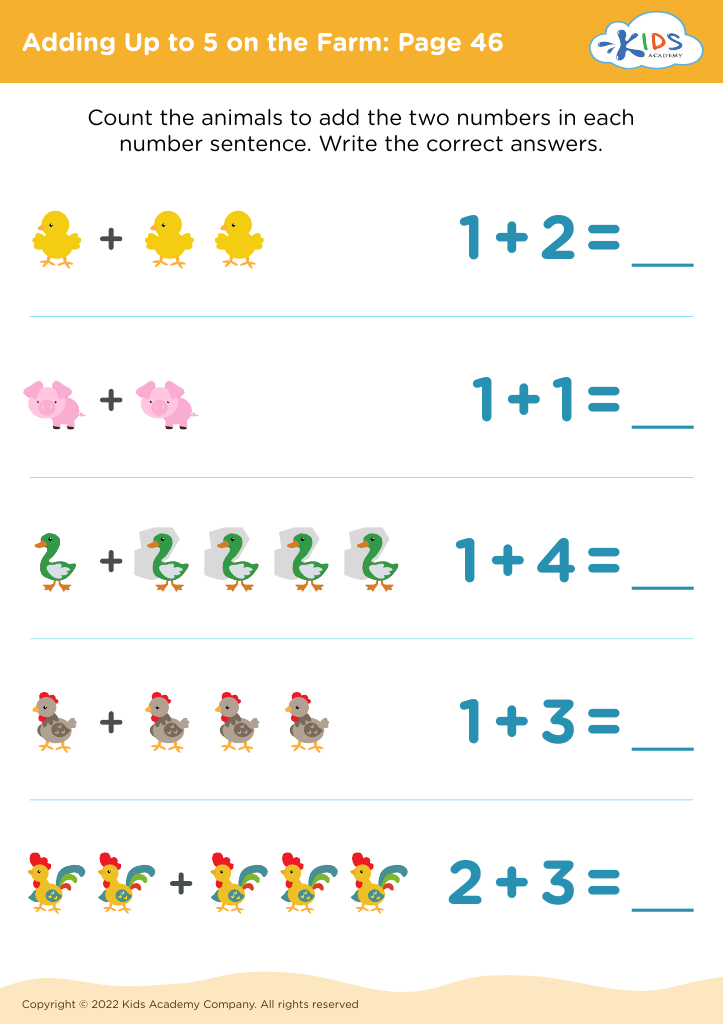
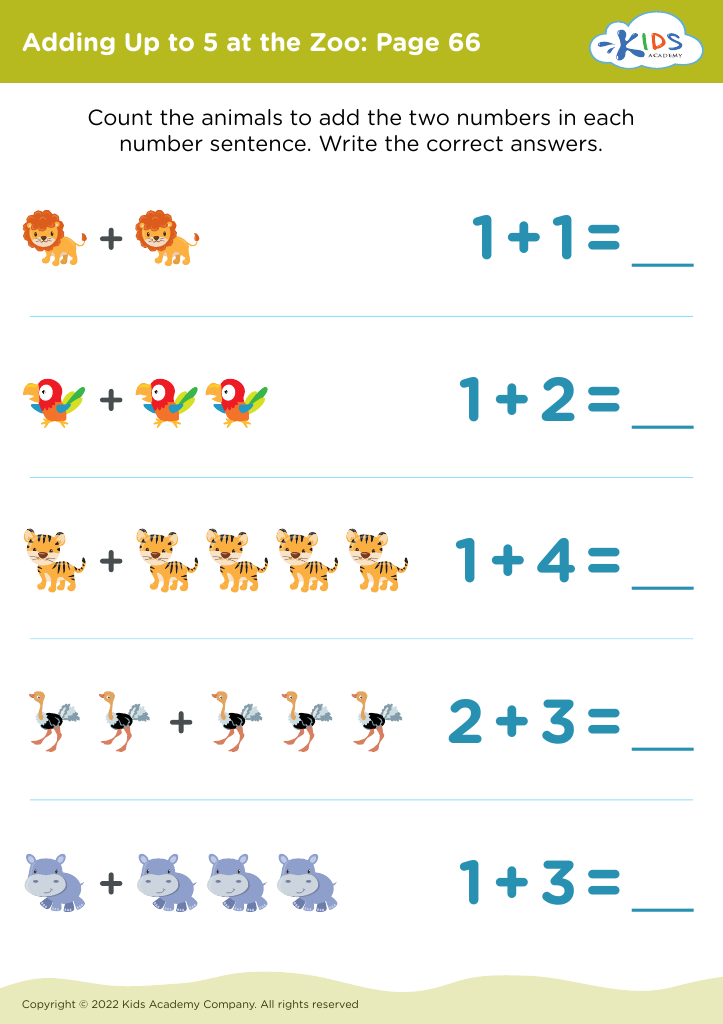







Developing strong addition skills in children aged 4-7 is foundational for their overall mathematical learning and cognitive development. At this critical age, young minds are highly receptive and capable of grasping fundamental arithmetic concepts like addition, which plays a crucial role in everyday life.
Addition is one of the basic building blocks of math. Mastering it early sets the stage for understanding more complex mathematical operations such as subtraction, multiplication, and division. Introducing addition helps children develop their problem-solving abilities and logical thinking. This, in turn, facilitates a broader understanding and appreciation of numbers and their relationships.
Further, proficiency in addition fosters confidence and a positive attitude toward math, which can have lasting impacts throughout a child's education. Confidence in math is linked to higher academic achievement not only in math but across all subjects, as math skills are often integrated into various areas of learning.
From a practical standpoint, addition skills are essential for daily tasks, such as counting objects, understanding money, telling time, and even in playing many structured games. Encouraging and supporting children in mastering addition can thus greatly enhance their academic potential and everyday life skills. Therefore, parents and teachers should prioritize fostering addition skills in young learners to cultivate a strong mathematical foundation and positive lifelong learning habits.








