Critical thinking skills Worksheets for Ages 4-7
30 filtered results
-
From - To
Develop your child's critical thinking with our engaging worksheets, perfect for ages 4-7! At Kids Academy, we offer a variety of fun and educational activities designed to enhance problem-solving abilities, logical reasoning, and creative thinking. Our printable worksheets cover diverse subjects including math, literacy, and science, all crafted to stimulate young minds and encourage independent thinking. Created by educational experts, these resources help children develop essential skills that are foundational for their academic journey. Foster your child's intellectual growth and curiosity with Kids Academy's critical thinking worksheets. Start your child's learning adventure today!
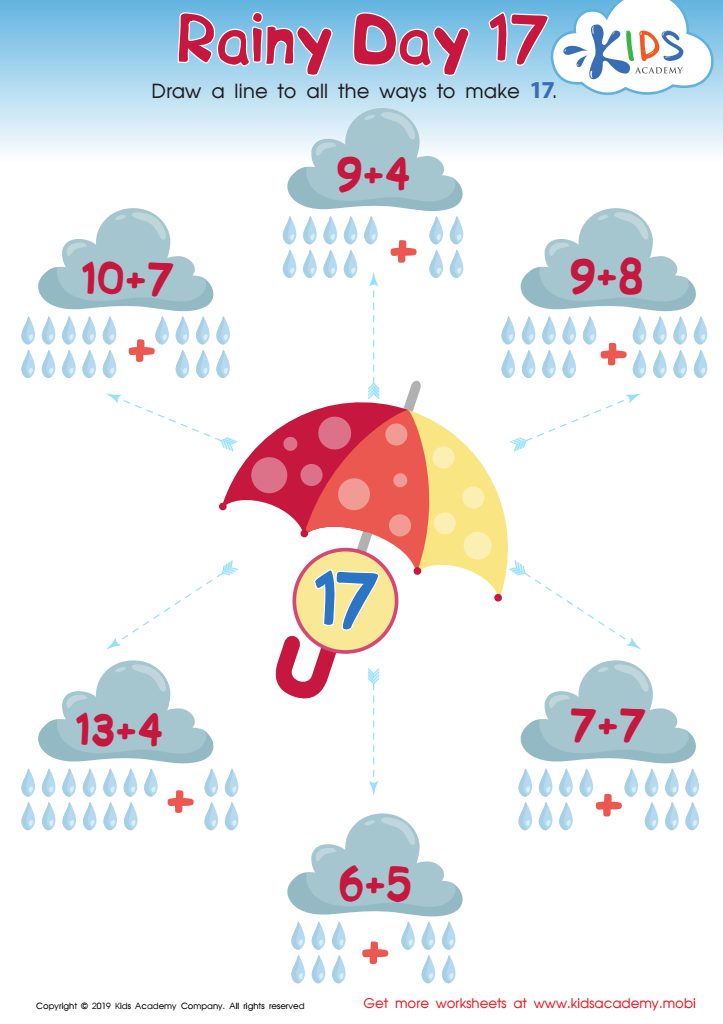
Rainy Day 17 Worksheet
 Assign to My Students
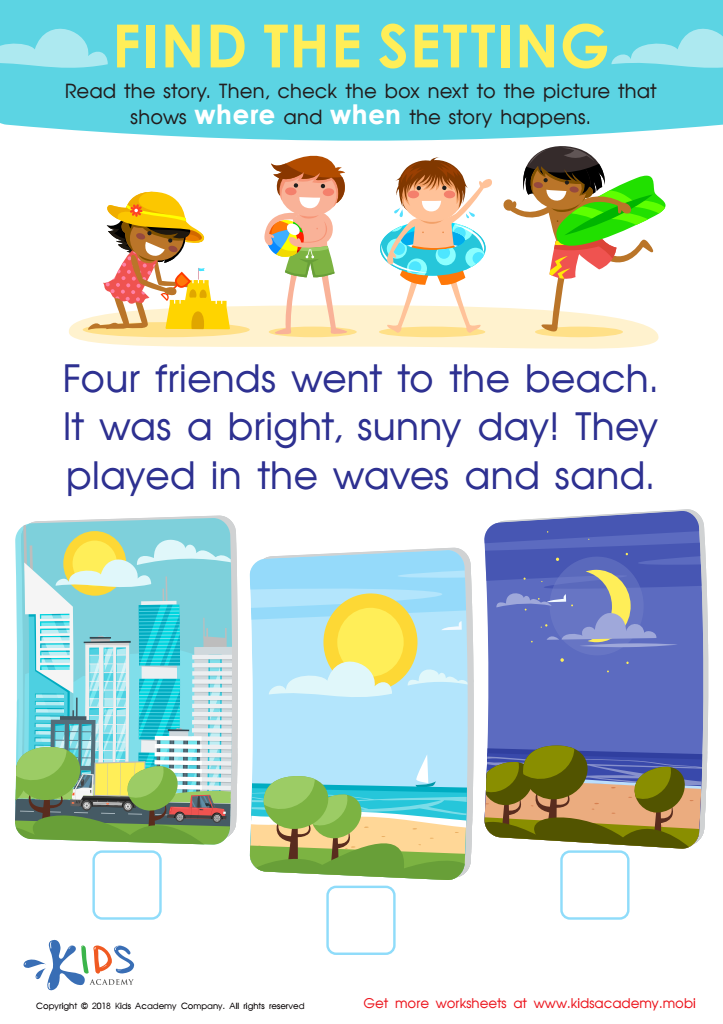
Find the Setting Worksheet
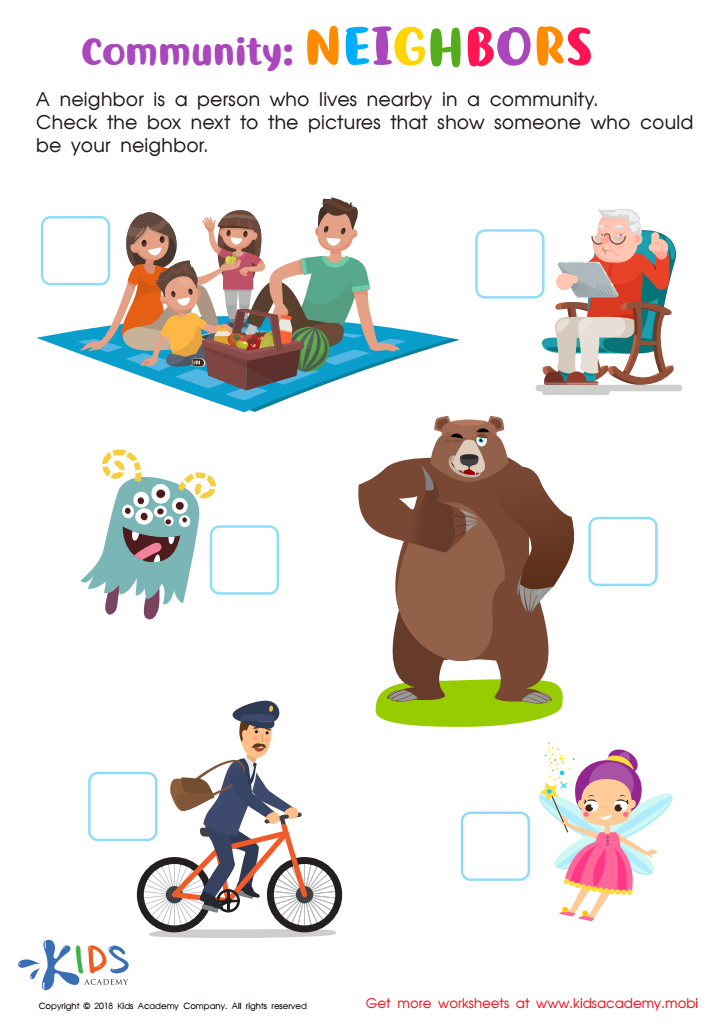
Community: Neighbors Worksheet
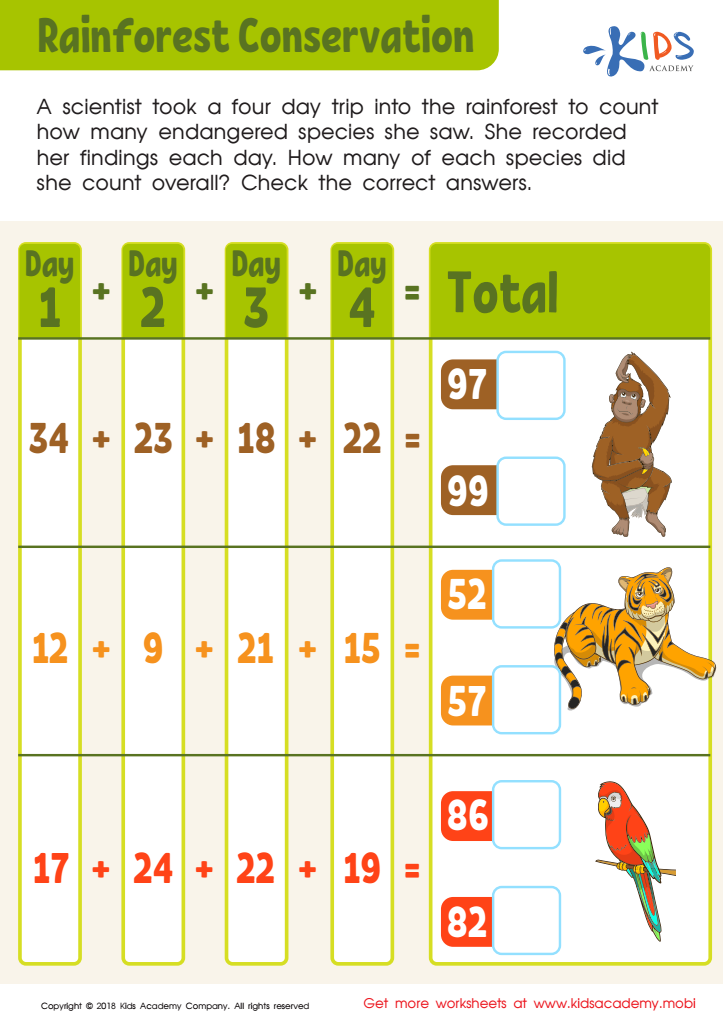
Rainforest Conservation Worksheet
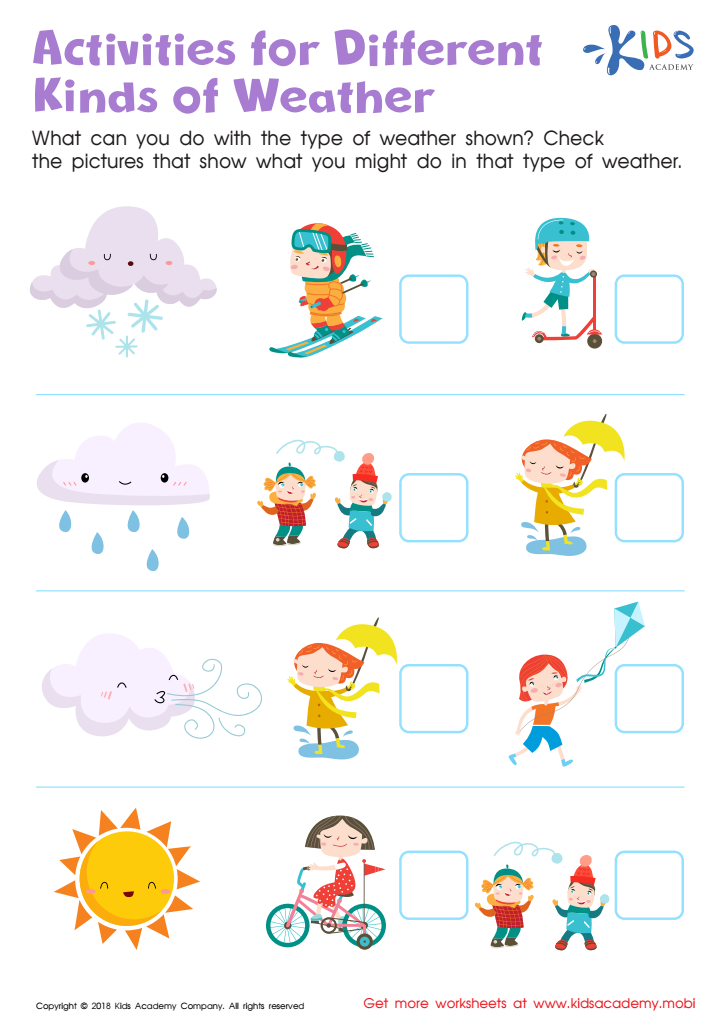
Activities for Different Kinds of Weather Worksheet
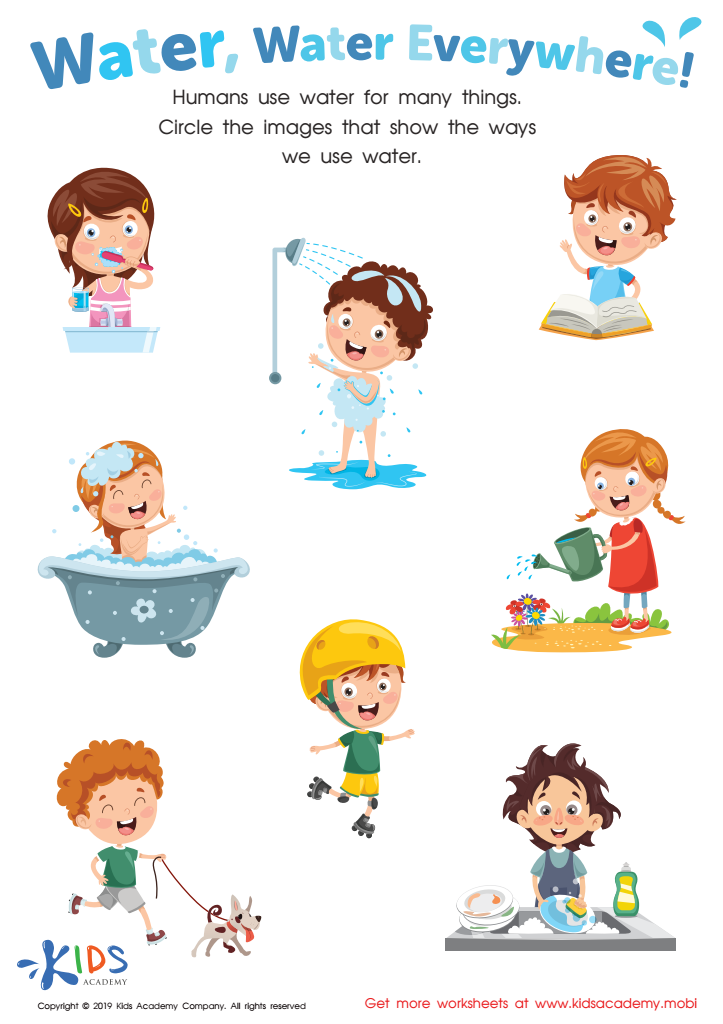
Water, Water Everywhere! Worksheet
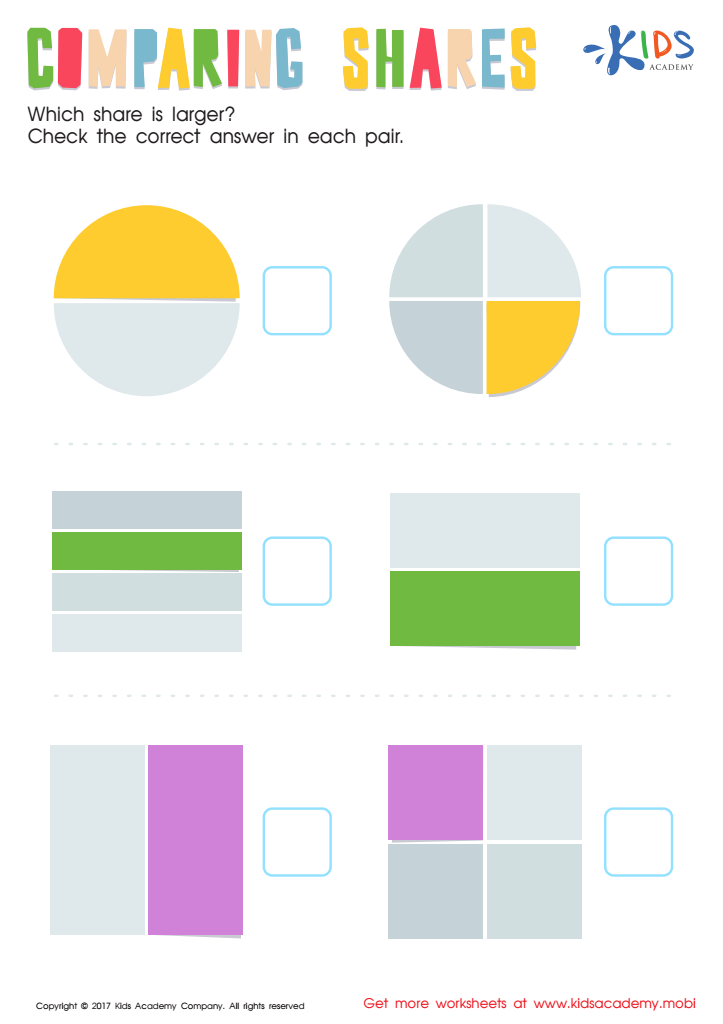
Comparing Shares Worksheet
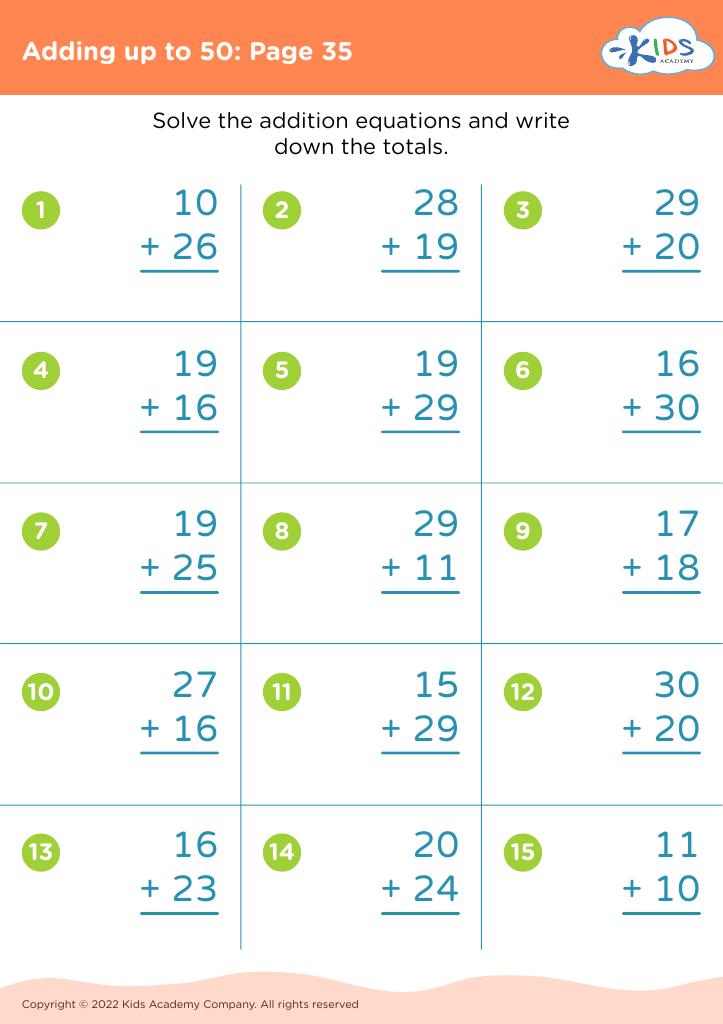

Chinese Zodiac Printable
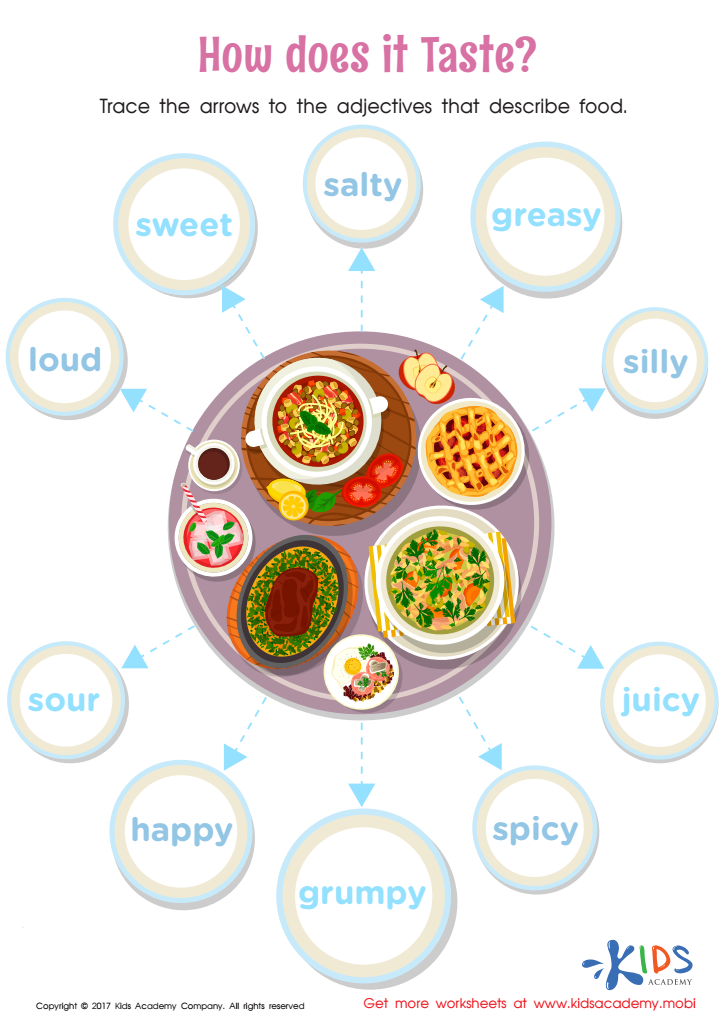
Food Adjectives Worksheet
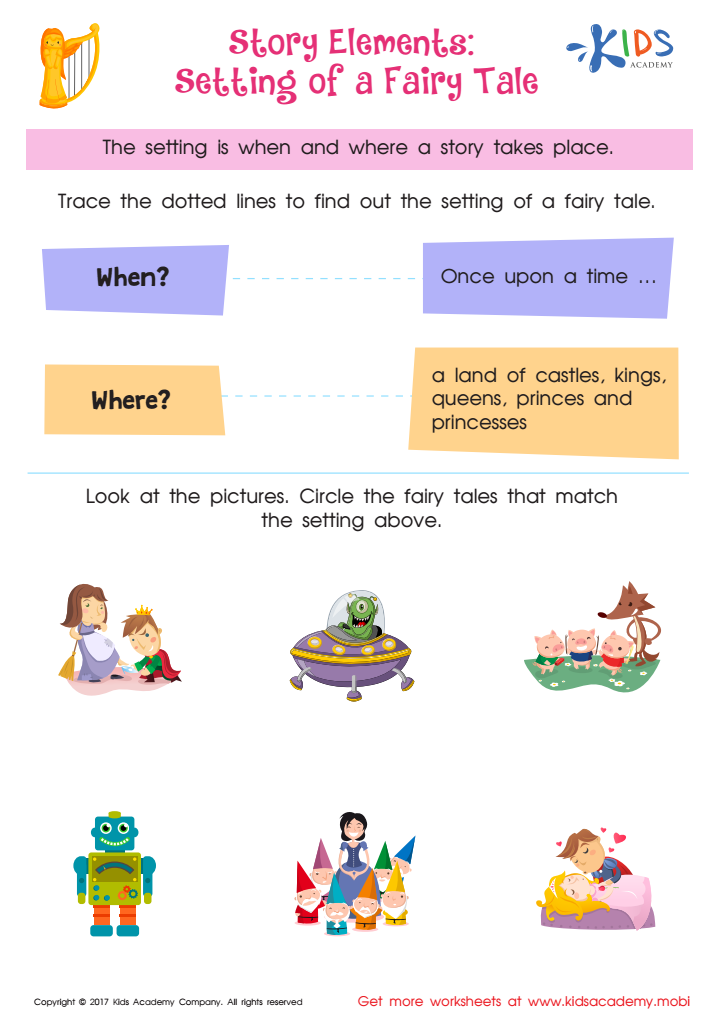
Story Elements: Setting of a Fairy Tale Printable
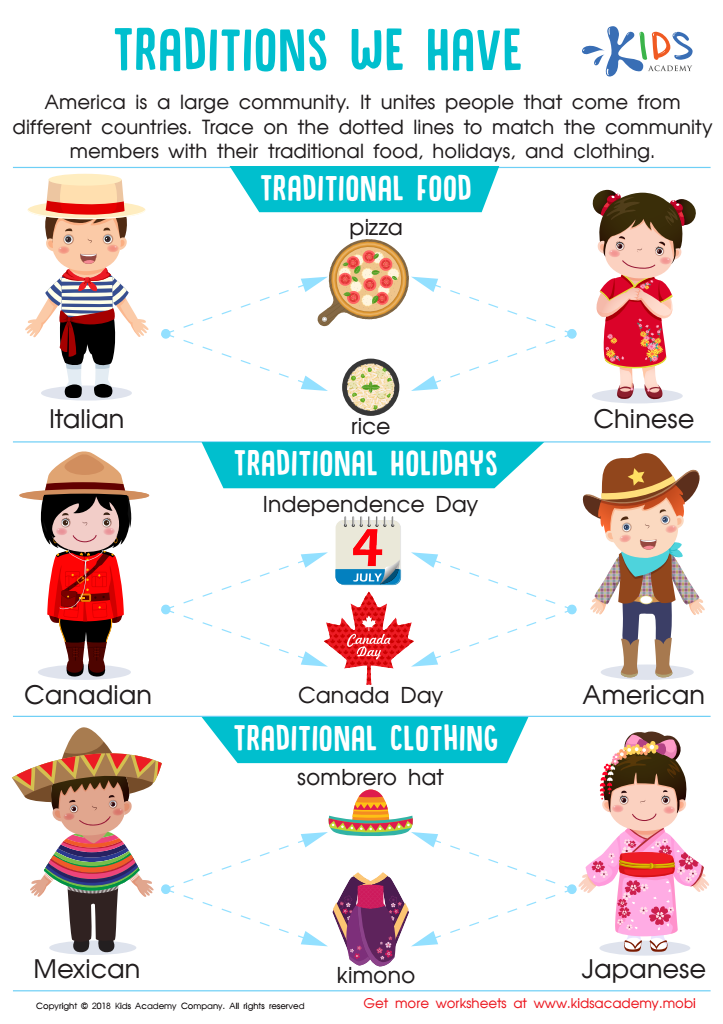
Traditions We Have Worksheet
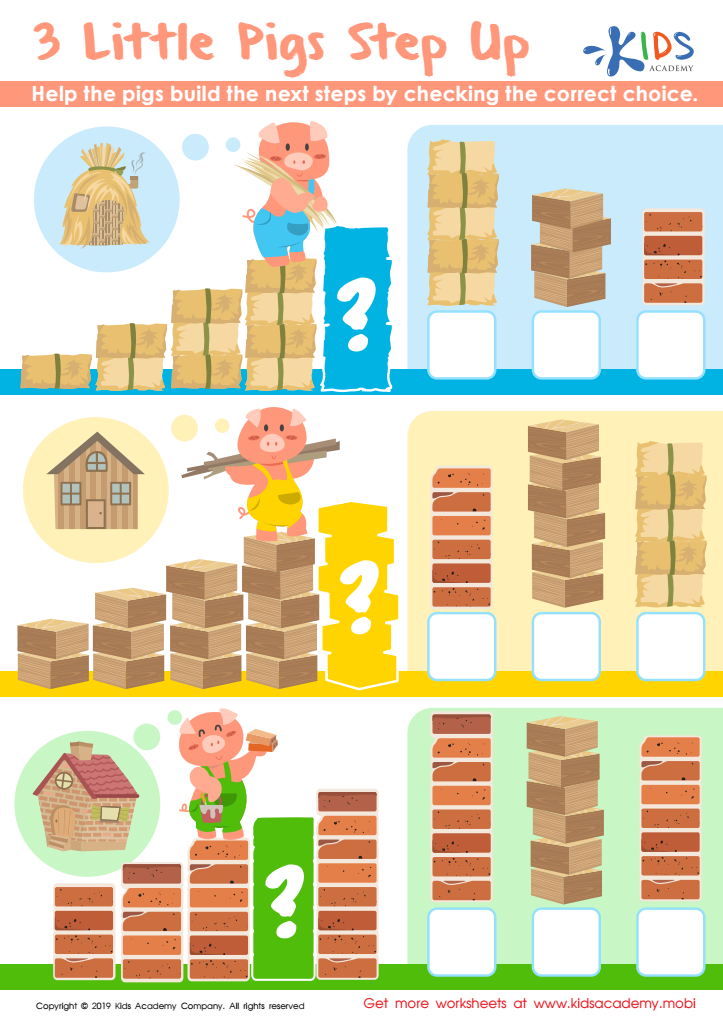
3 Little Pigs Step Up Worksheet
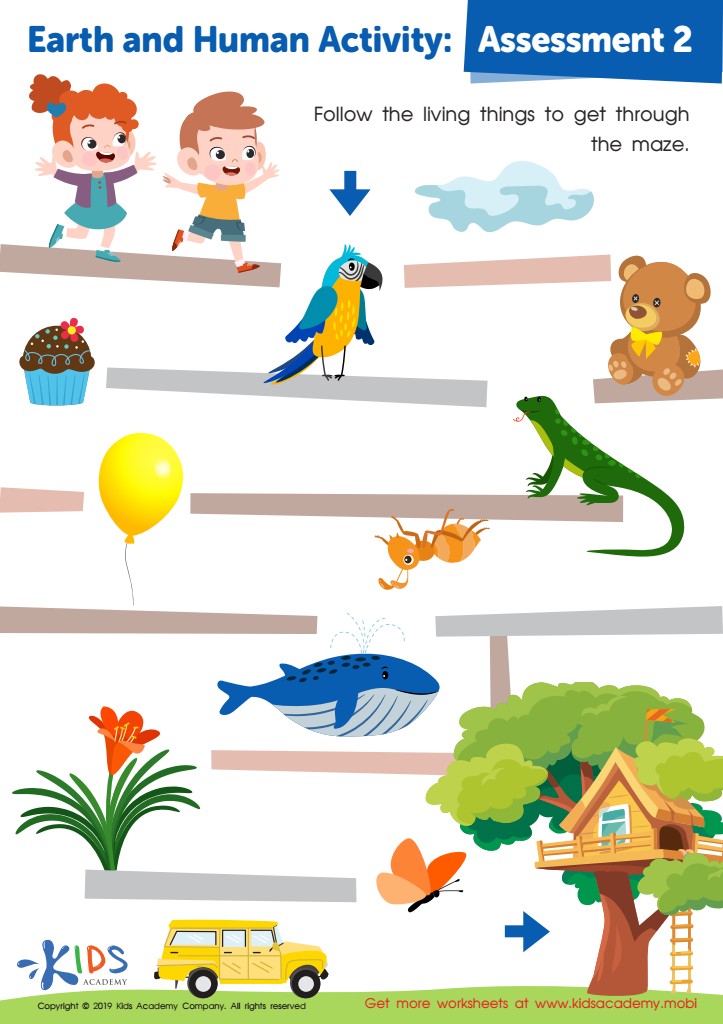
Earth and Human Activity: Assessment 2 Worksheet
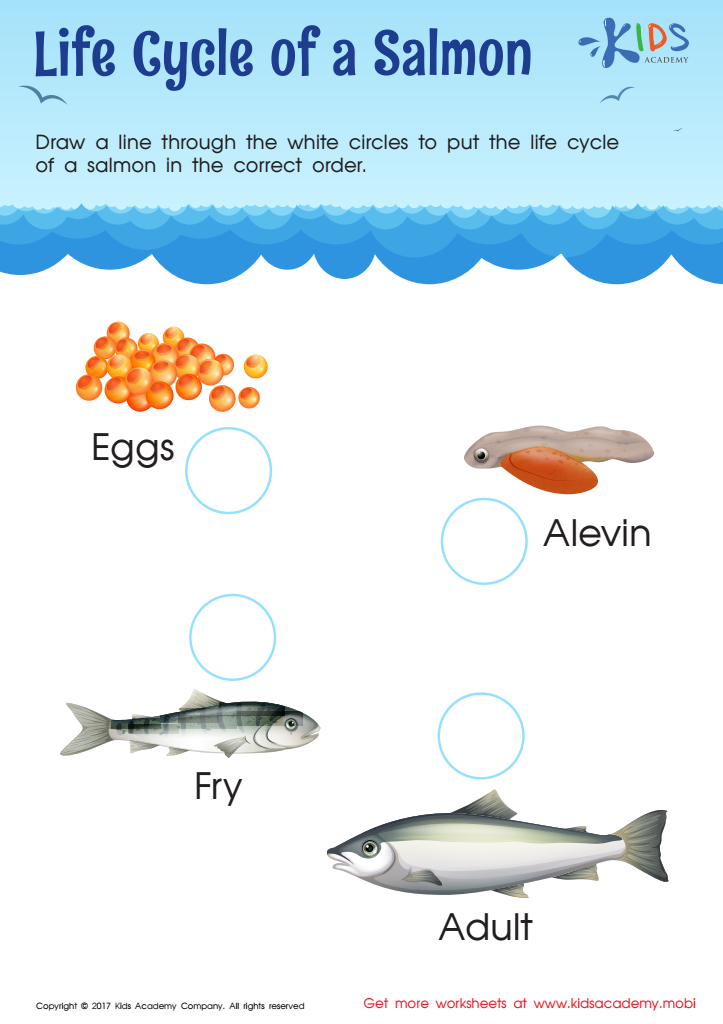
Cycle Of Salmon Worksheet
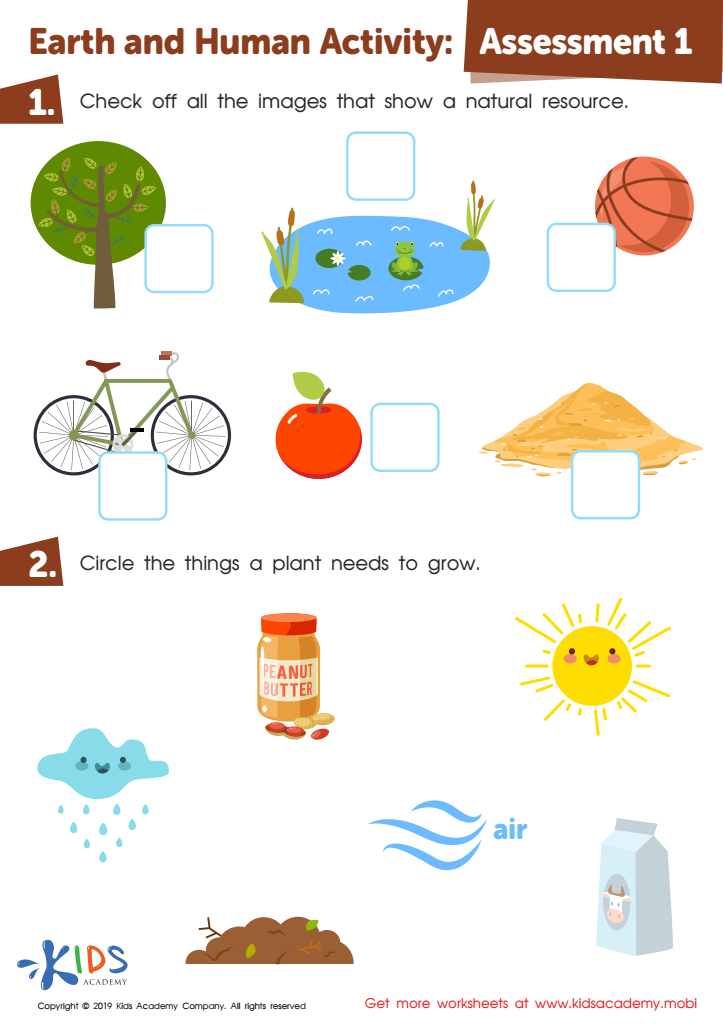
Earth and Human Activity: Assessment 1 Worksheet
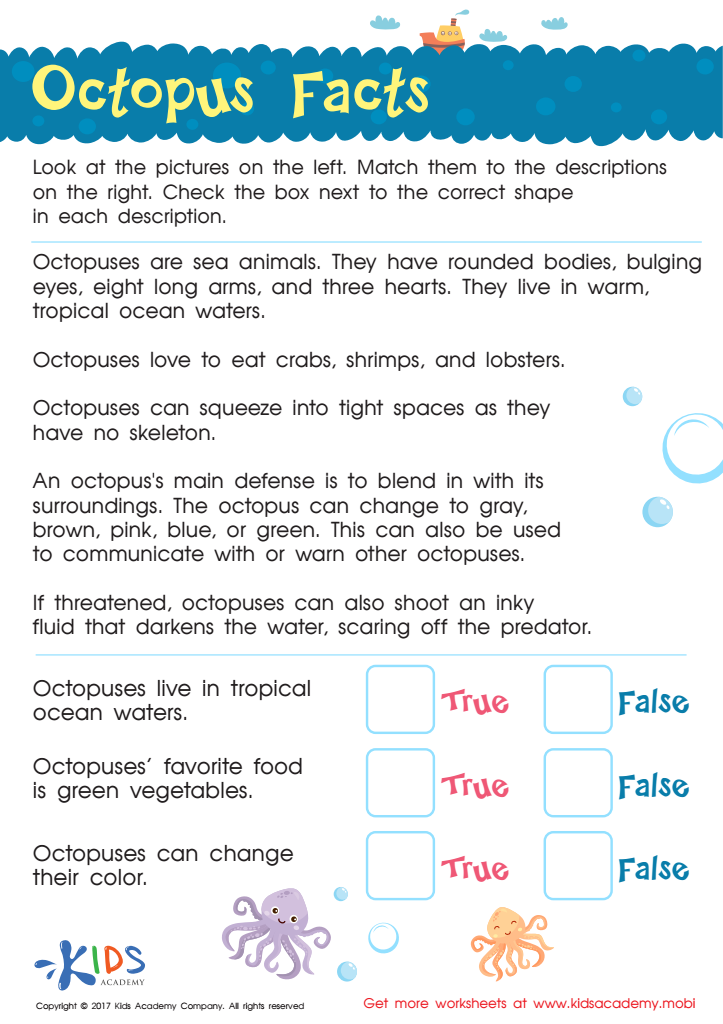
Octopus Facts Worksheet For Kids
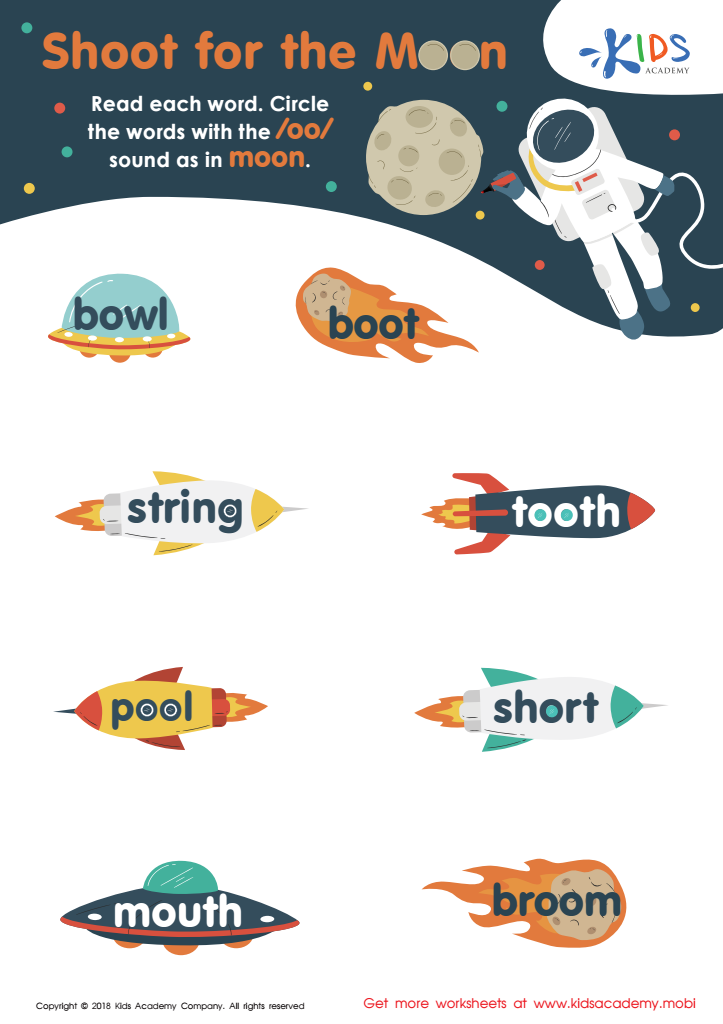
Reading: Shoot for the Moon Worksheet

The Three Little Pigs Worksheet
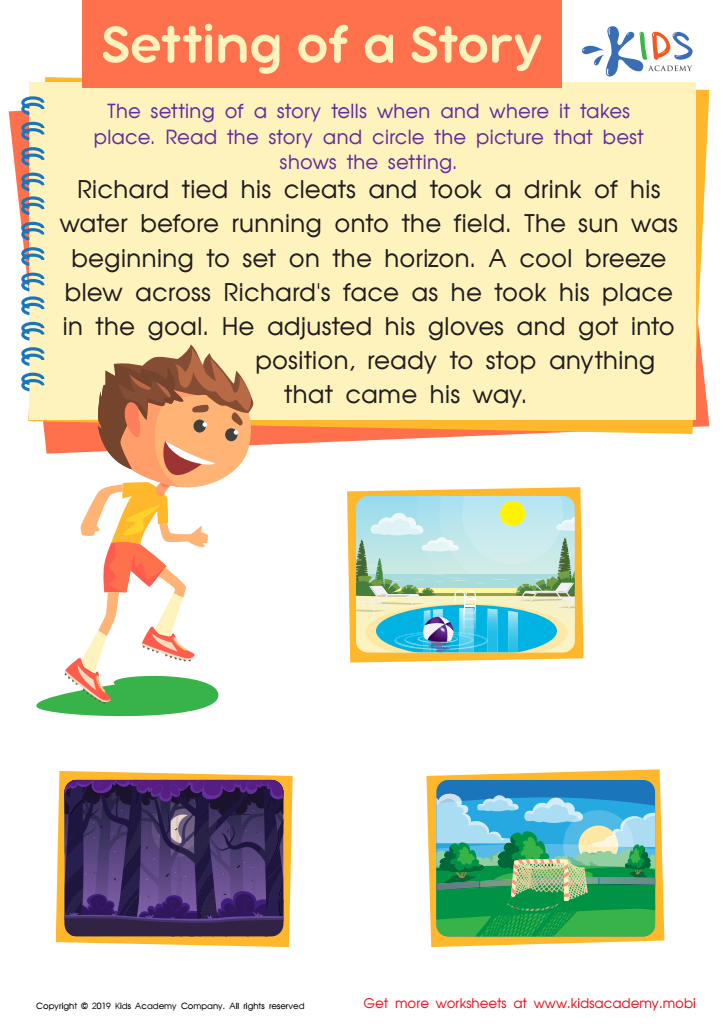
Setting of a Story Worksheet






Critical thinking skills are vital to developing young minds, even from ages 4-7. During these formative years, children are naturally curious, and nurturing their ability to think critically can set a strong foundation for lifelong learning and problem-solving. Critical thinking allows children to not just absorb information but to analyze, question, and understand the why and how behind it. This fosters deeper learning and helps children adapt to new situations creatively and effectively.
Incorporating critical thinking at a young age equips children to make informed decisions and develop empathy by understanding multiple viewpoints. It aids in enhancing their language and cognitive skills as they learn to articulate their thoughts and reason logically. For parents and teachers, promoting critical thinking involves encouraging curiosity, asking open-ended questions, and providing opportunities for problem-solving through play and exploration.
Ultimately, fostering these skills early helps children become more independent learners, preparing them for future academic challenges and everyday life situations. It builds resilience and confidence, enabling them to tackle problems with logic rather than rote memorization. Investing time in developing critical thinking skills now creates a generation better equipped for the complexities of the modern world, making it all the more imperative for parents and educators to prioritize this crucial aspect of early childhood education.








