Cultural Understanding Worksheets for Ages 4-7
3 filtered results
-
From - To
Explore our engaging Cultural Understanding Worksheets designed specifically for children aged 4-7. These interactive resources foster essential social skills and promote inclusivity by introducing diverse cultures and traditions. Each worksheet features fun activities, such as matching games, coloring prompts, and storytelling exercises, encouraging young learners to appreciate differences and similarities among people worldwide. Our carefully crafted materials align with early education standards, making them a perfect addition to your classroom or home learning environment. Help your child develop empathy, respect, and a global mindset while enhancing their creativity and critical thinking. Start your journey toward cultural understanding today!
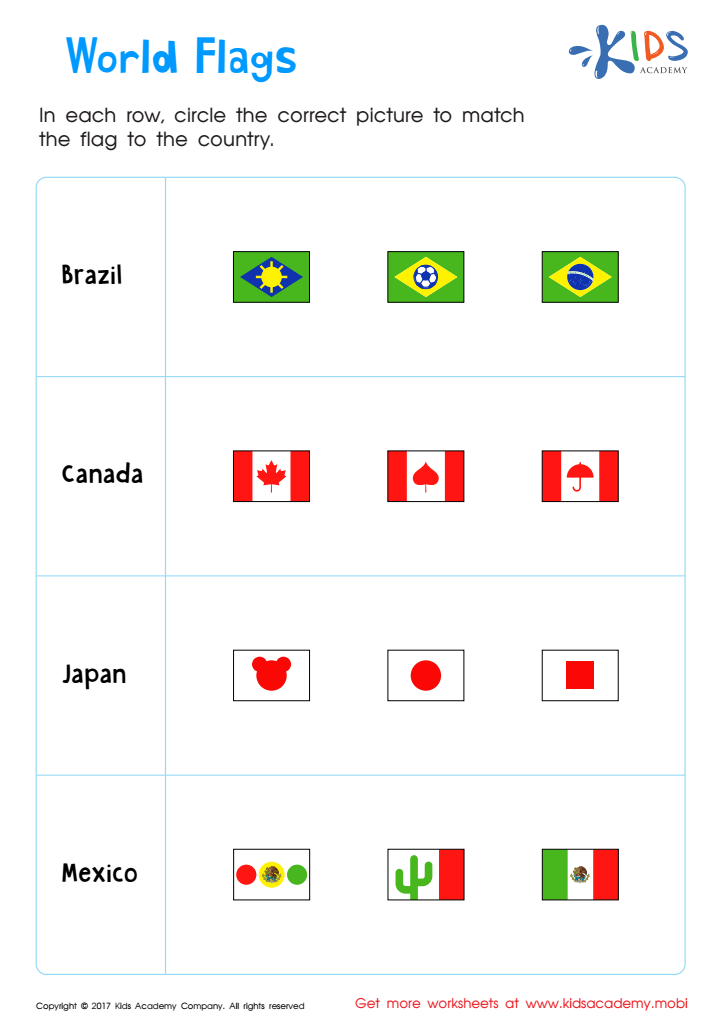
World Flags Printable
 Assign to My Students
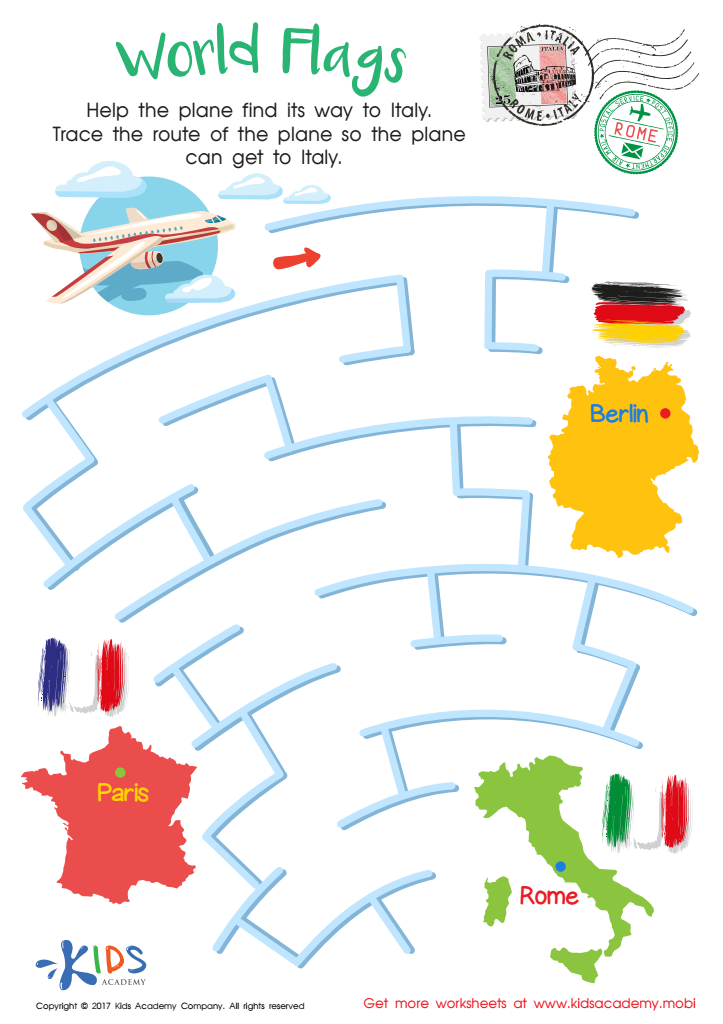
World Flags Maze Worksheet





.jpg)

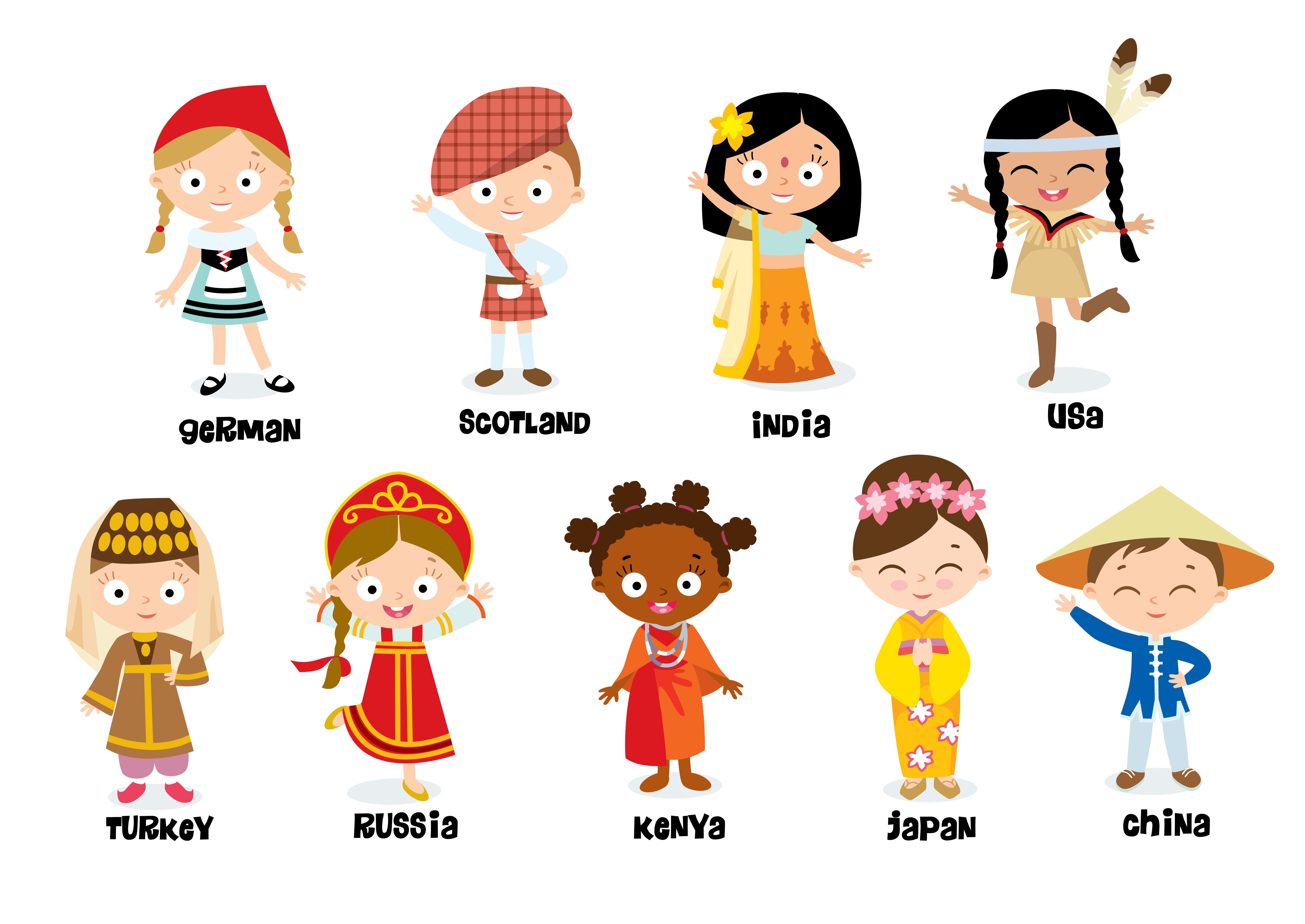
Cultural understanding is crucial for children aged 4-7 as it lays the foundation for empathy, respect, and inclusivity. At this age, children are naturally curious about the world around them and begin to form their views on diversity. By fostering cultural understanding, parents and teachers help children appreciate different traditions, languages, and perspectives, which enriches their cognitive and social development.
Engaging with diverse cultures encourages children to celebrate differences rather than fear them. It promotes important values such as kindness, tolerance, and cooperation—key traits that underpin strong relationships and community building. Learning about various cultures can also boost children's creativity, nutrition, and social skills, as they encounter new ideas and practices during early formative years.
Moreover, culturally aware children are better prepared to navigate our increasingly globalized world when they grow older. They develop critical thinking and adaptability, essential skills for the future workforce. By prioritizing cultural understanding, parents and teachers not only enhance children’s educational experience but also help cultivate compassionate global citizens who value and respect the richness that diversity brings to society.








