
Developing creativity Worksheets for Ages 4-7
3 filtered results
Difficulty Level
Grade
Age
-
From - To
Subject
Activity
Standards
Unlock your child's imagination with our Developing Creativity Worksheets designed specifically for ages 4-7! These engaging printables nurture your child’s artistic skills and encourage innovative thinking through fun activities such as drawing, coloring, and crafting. Each worksheet offers a delightful mix of artistic prompts and exercises that stimulate creativity while enhancing fine motor skills, critical thinking, and problem-solving abilities. Perfect for both home and classroom use, our worksheets provide an enjoyable way for young learners to explore their creativity and express themselves freely. Download and inspire your little ones today with our vibrant, printable resources!
Favorites
With answer key
Interactive
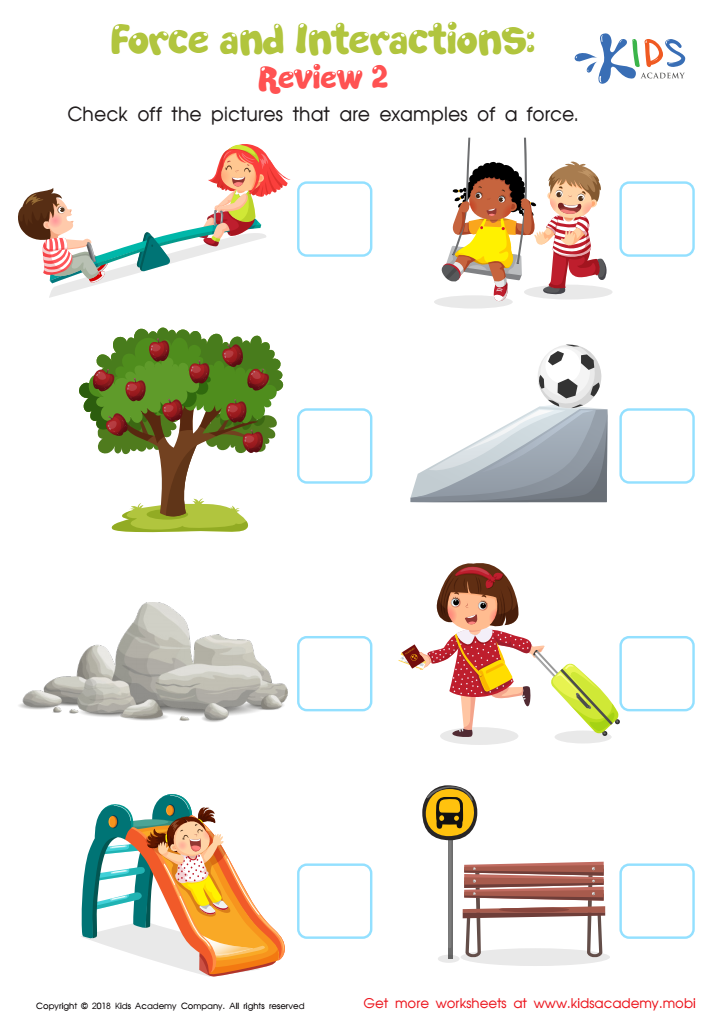
Force and Interactions: Review 2 Worksheet
Your child can identify force examples by checking the pictures. There are 8 images of kids engaging in activities and objects in motion. Get them to name the activities and objects, or if they know, explain force and interaction.
 Assign to My Students
Force and Interactions: Review 2 Worksheet
Worksheet
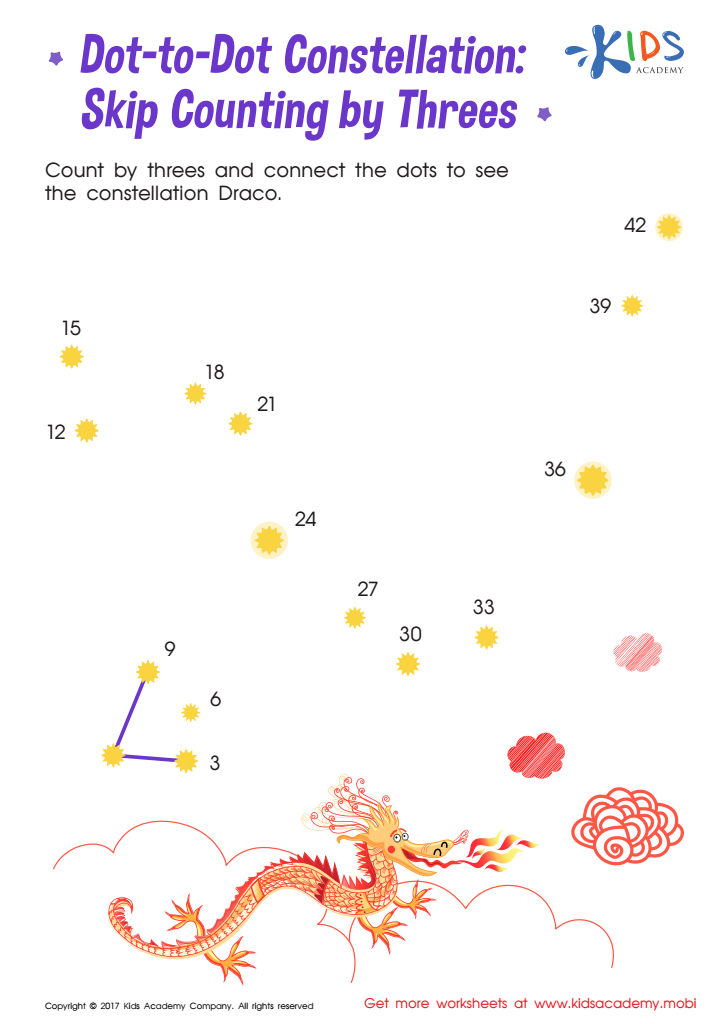
Skip Counting by 3s: Dot–to–Dot Constellation Printable
Worksheet
Join Kids Academy for Free
Who is primarily going to use this learning content?







Developing creativity in children ages 4-7 is crucial for their overall growth and development. At this age, children are naturally curious, imaginative, and eager to explore their world. Nurturing this creativity enhances critical thinking skills, problem-solving abilities, and emotional expression, all of which are fundamental for lifelong learning. Engaging in creative activities encourages children to think outside the box, fostering innovation and adaptability—skills vital in our rapidly changing society.
Furthermore, creativity supports social and emotional development by allowing children to express their feelings and experiences in various ways. Through art, music, and imaginative play, children learn to communicate effectively and build empathy for others. This self-expression encourages resilience as they learn to navigate challenges in their projects.
For parents and teachers, promoting creativity creates a dynamic and stimulating learning environment that keeps children engaged and motivated. It helps to instill a love for learning, making education enjoyable rather than just a task. Furthermore, fostering creativity also empowers children to pursue their unique interests and talents, leading to a stronger sense of self and confidence. In essence, supporting creativity at such a pivotal age sets the foundation for a well-rounded individual prepared to face future challenges.








