Welcome to our "Developing Math Skills" worksheets designed for children aged 4-7! Our engaging and interactive worksheets aim to build a strong foundation in essential math concepts, including counting, addition, subtraction, and number recognition. Each worksheet is crafted to make learning fun and approachable, encouraging kids to explore math through colorful visuals and enjoyable exercises. These resources are perfect for teachers and parents seeking to enhance early math skills at home or in the classroom. With our worksheets, young learners will gain confidence and a love for mathematics as they develop crucial skills for lifelong learning. Start their math journey today!

Check out this FREE "Developing math skills" Trial Lesson for age 4-7!

Making 10's

Favorites
With answer key
Interactive
  • 4-7
  • Developing math skills
Finding a Ten Worksheet

Finding a Ten Worksheet

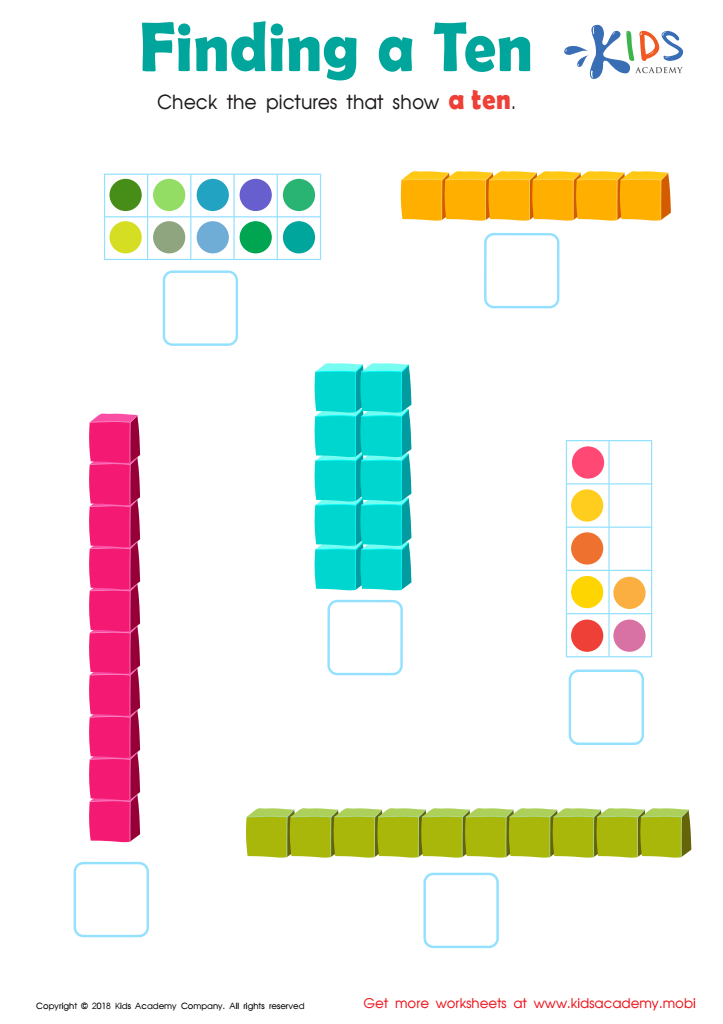
Can your child count to ten? Distinguish groups of ten? This free printable worksheet uses shapes and colors to help first graders learn to count and understand what groups of numbers look like. It's fun and easy to comprehend, helping kids master the fundamentals of math.
Finding a Ten Worksheet
Worksheet
Base ten blocks worksheet for 2nd grade

Base Ten Blocks Worksheet

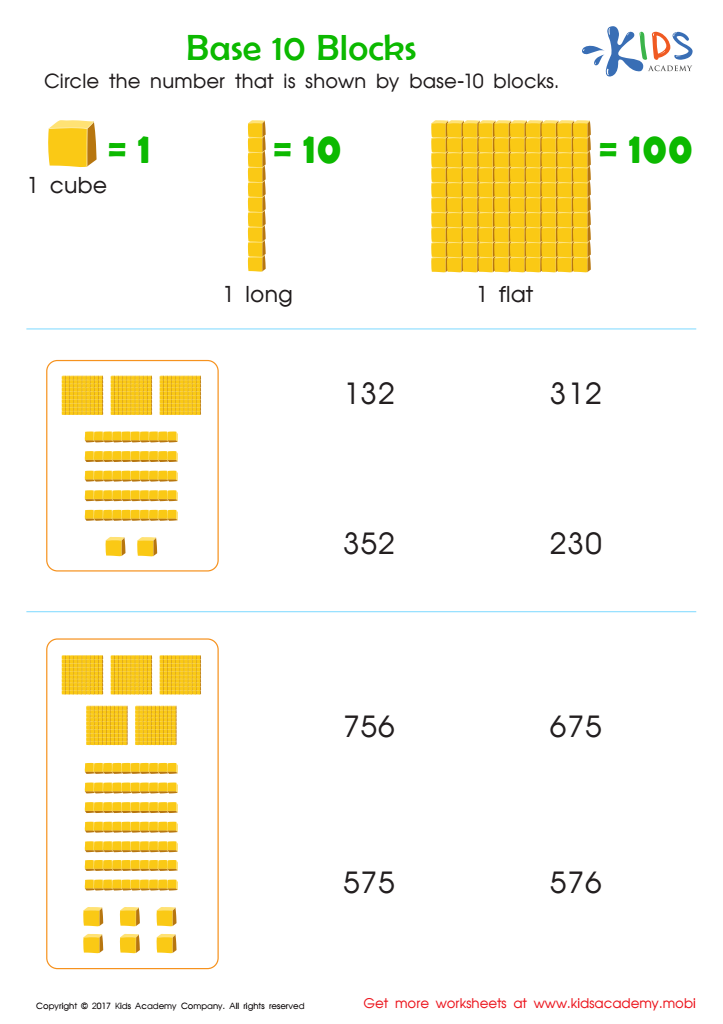
When school ends, your child can still practice place value at home with this base ten blocks worksheet. They'll count and circle the right number, gaining mastery of the concept. It's a fun, easy way to hone their skills!
Base Ten Blocks Worksheet
Worksheet
Property Place Value Worksheet

Property Place Value Worksheet

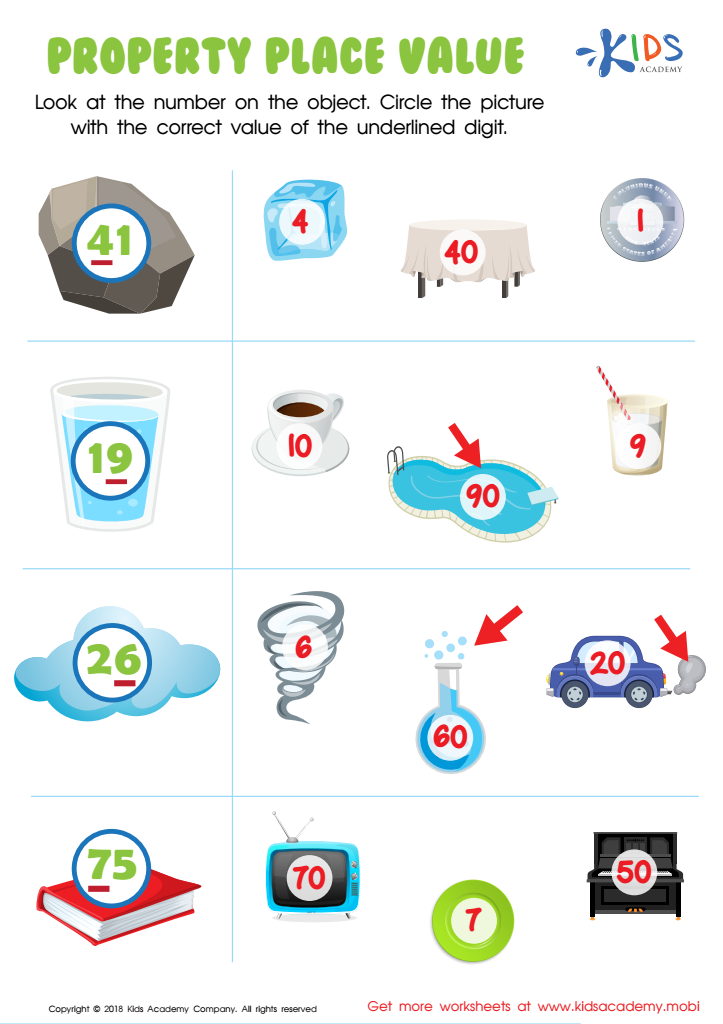
Help your child learn place value with this engaging worksheet! Kids Academy knows that colorful pictures motivate learners. Instruct them to name the place value of the underlined numbers on the left. Then, look through the images on the right to find the numbers that represent the indicated place value.
Property Place Value Worksheet
Worksheet
Matching Thirds Worksheet

Matching Thirds Worksheet

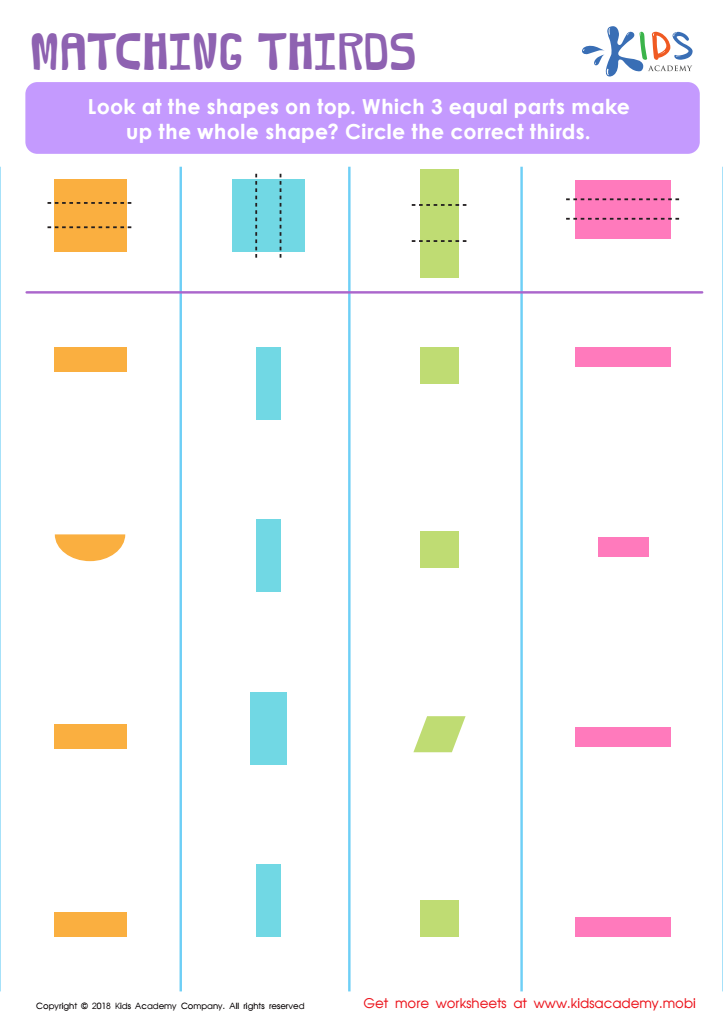
Have your child examine the shapes on the worksheet. Ask them to identify them and then look at the fractions underneath. Ask them to circle the 3 parts that make up the whole shape. Understanding shapes and fractions is key!
Matching Thirds Worksheet
Worksheet
Comparing Numbers: Base Ten Blocks Worksheet

Comparing Numbers: Base Ten Blocks Worksheet

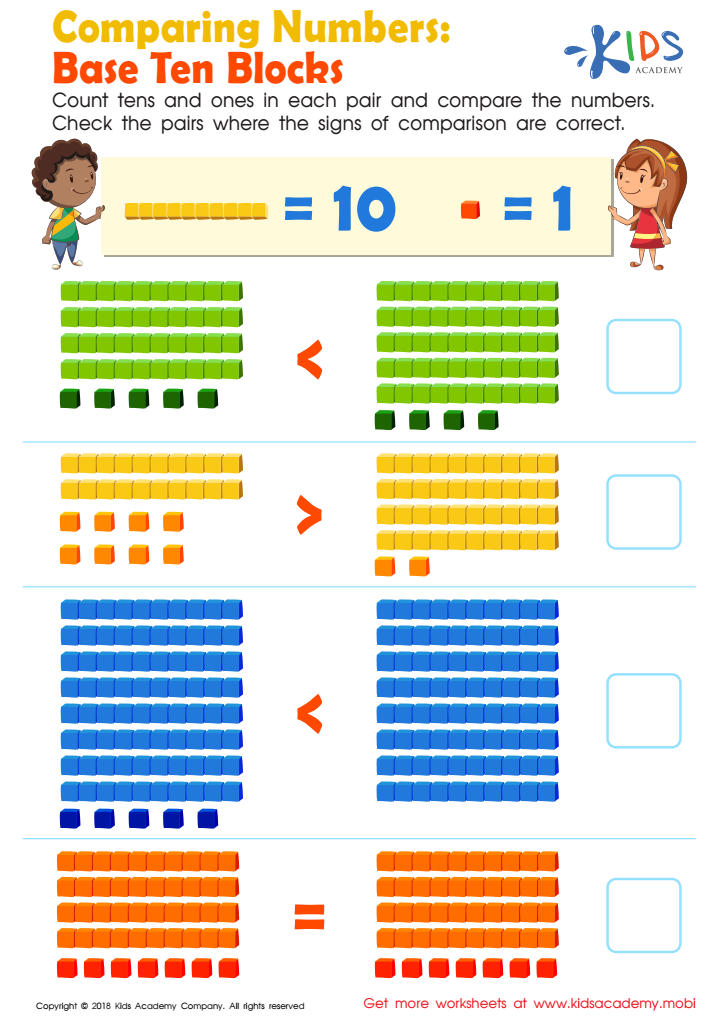
Make math fun for your child with a colorful worksheet. They'll need to compare signs by counting blocks on each side and signifying whether it's correct or not. This is one way to help your child beat the unhappiness that comes with math.
Comparing Numbers: Base Ten Blocks Worksheet
Worksheet
Place value printable worksheet PDF

Place Value Printable Worksheet

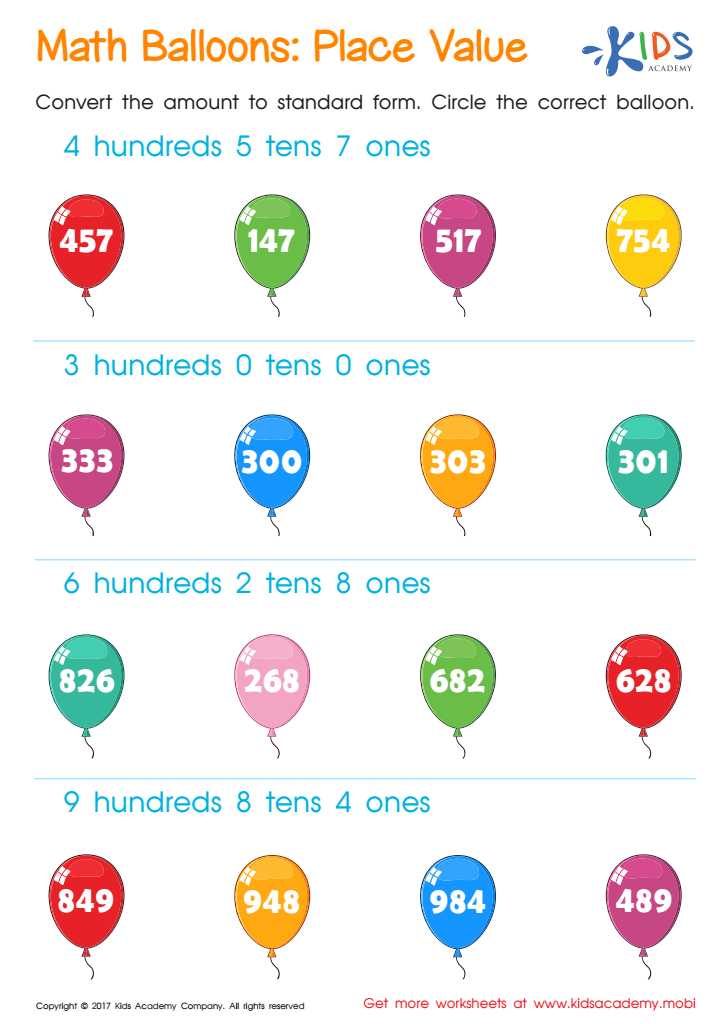
Understand large numbers using this fun worksheet! Read numbers in hundreds, tens, and ones, then convert them to standard form and select the corresponding amount. Challenging and rewarding, this printable PDF will help your child master place value!
Place Value Printable Worksheet
Worksheet
Matching: Classifying Toys by Size Worksheet
Matching: Classifying Toys by Size Worksheet
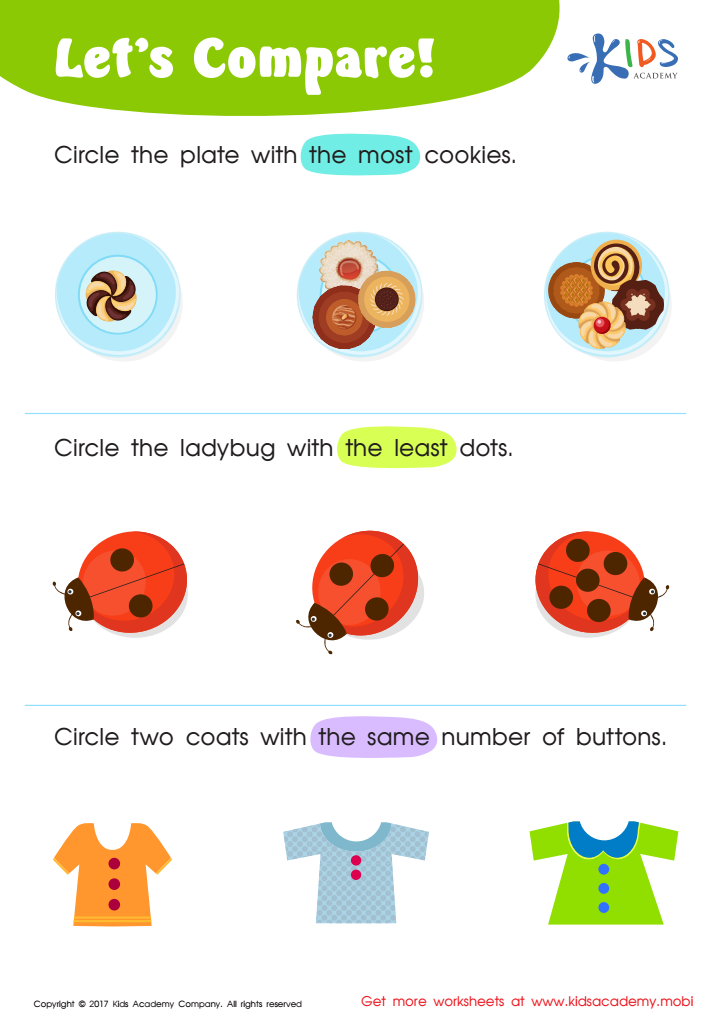
. Have your young one's observation and counting skills ready for this worksheet; carefully look through the images and count the objects, then circle the plates with the least, most or equal number of patterns. Pay attention and have good counting abilities to make this task easy.
Matching: Classifying Toys by Size Worksheet
Worksheet
Adding up to 1000 with Regrouping: Page 15
Worksheet
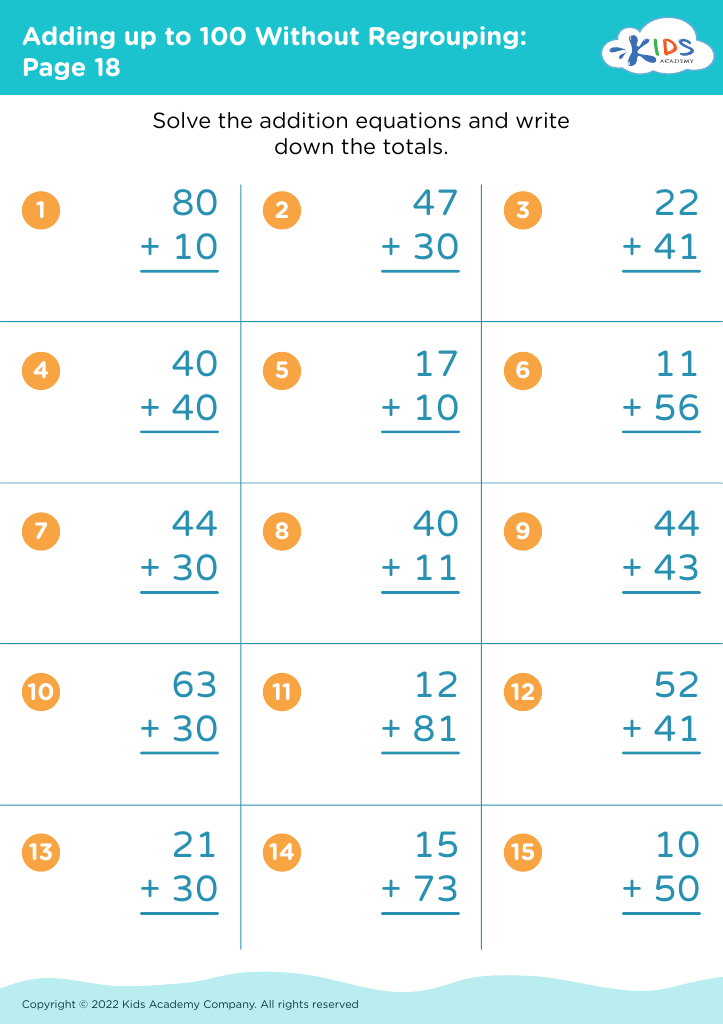
Adding up to 100 Without Regrouping: Page 18
Worksheet
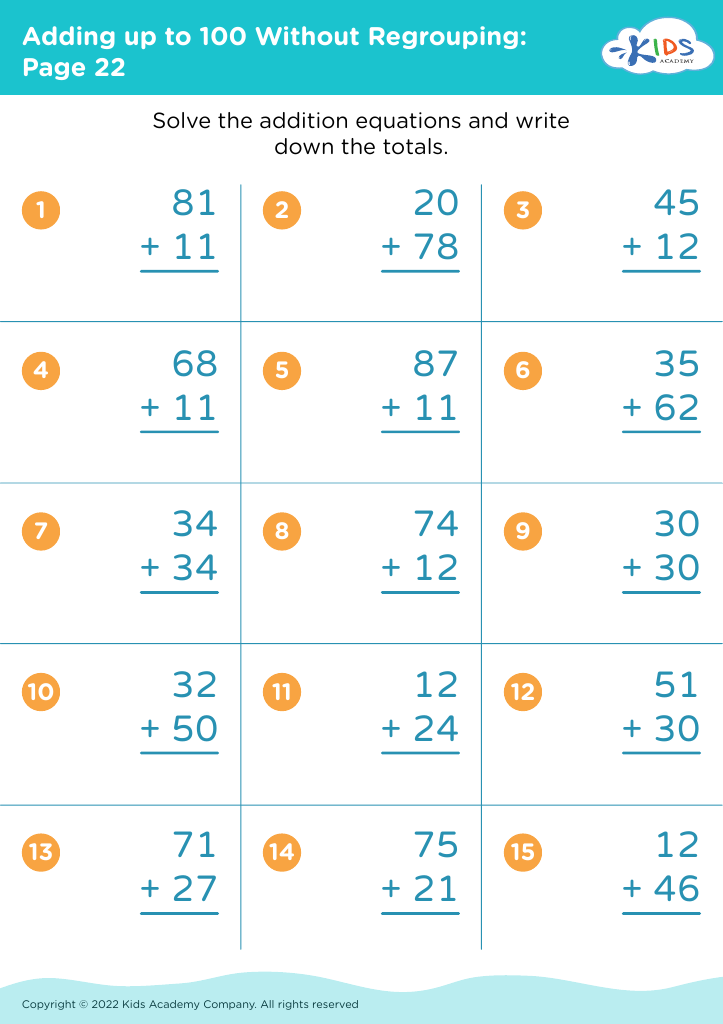
Adding up to 100 Without Regrouping: Page 22
Worksheet
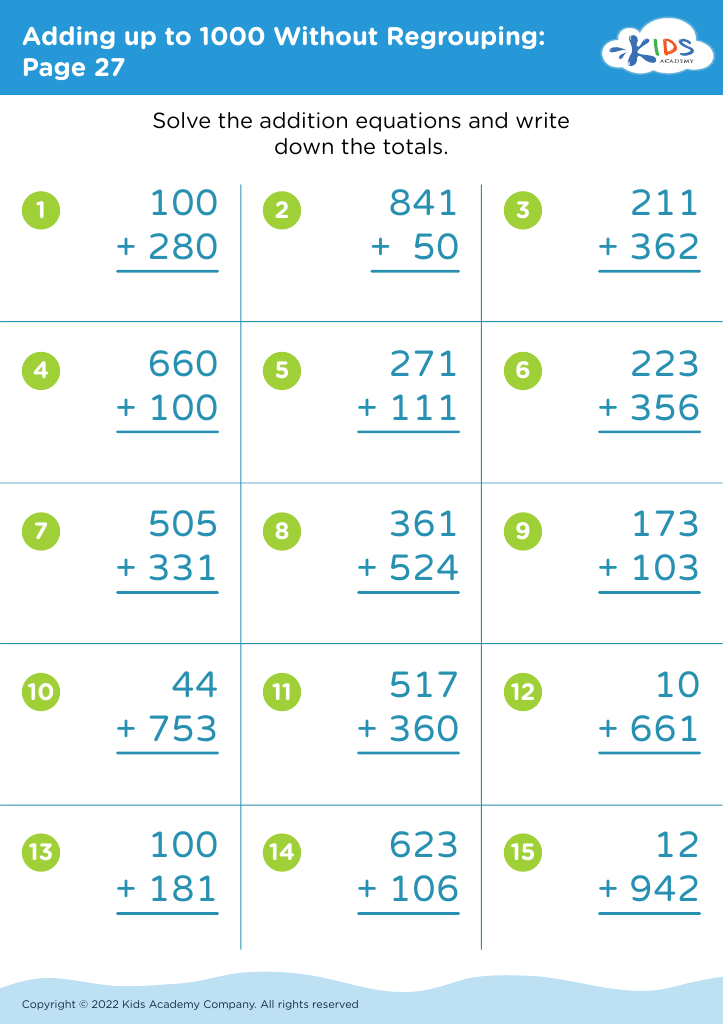
Adding up to 1000 Without Regrouping: Page 27
Worksheet
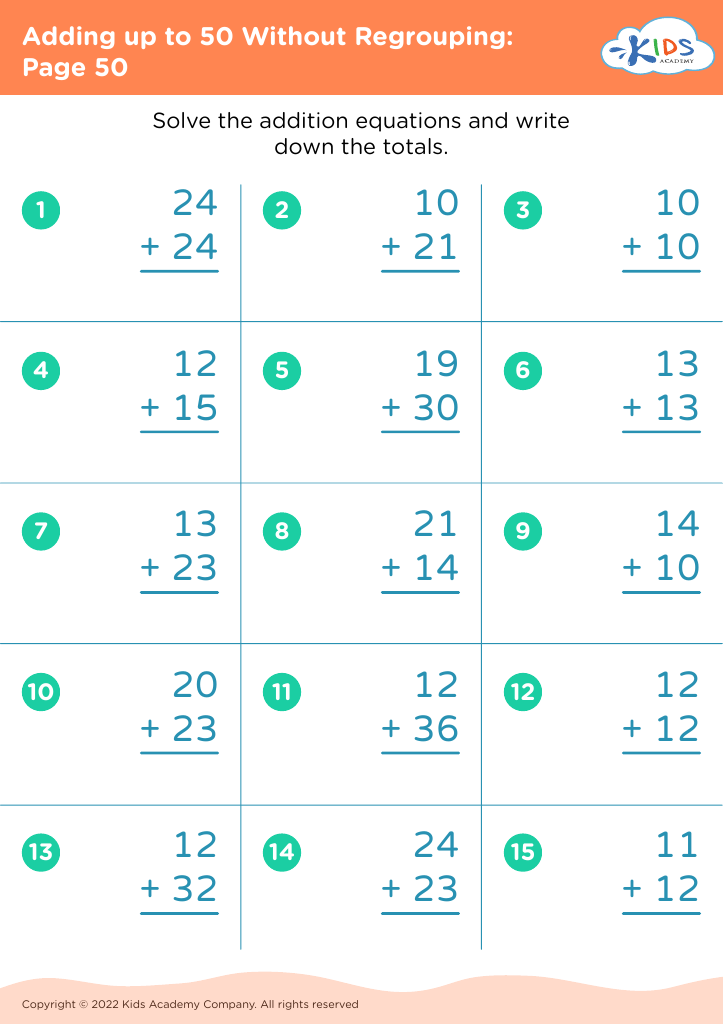
Adding up to 50 Without Regrouping: Page 50
Worksheet
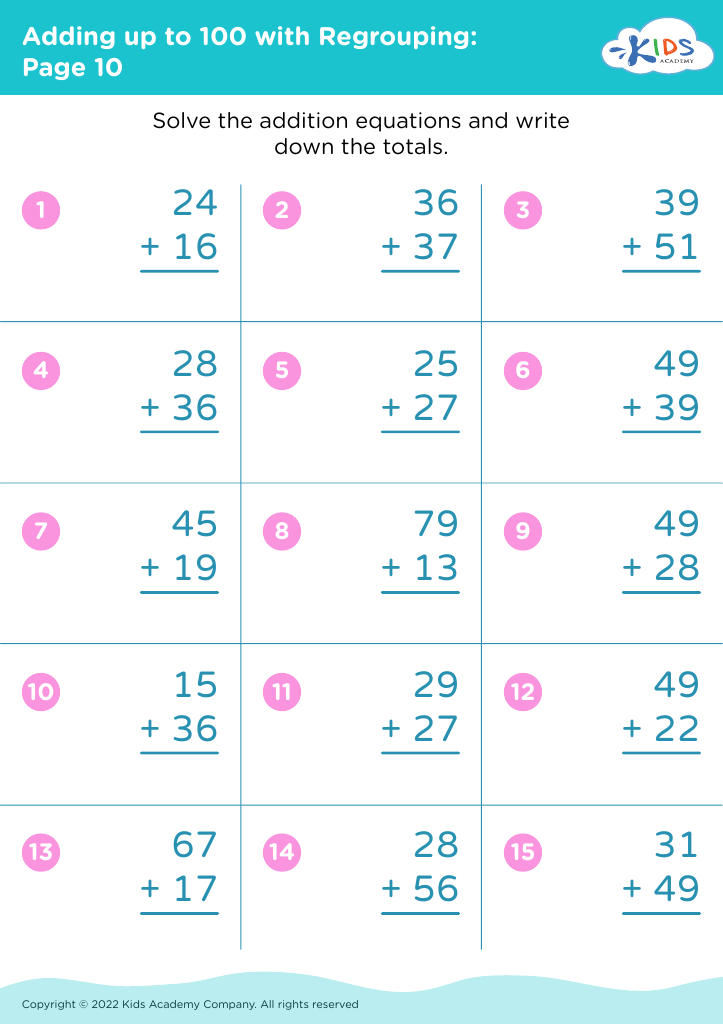
Adding up to 100 with Regrouping: Page 10
Worksheet
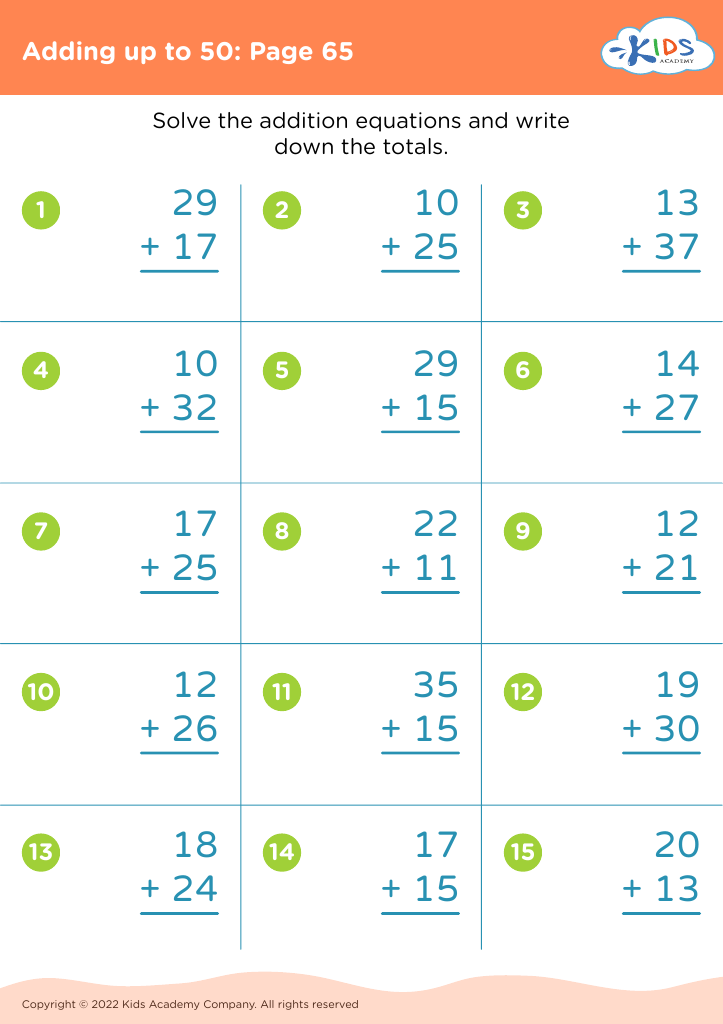
Adding up to 50: Page 65

Adding up to 50: Page 65

Adding up to 50: Page 65
Worksheet
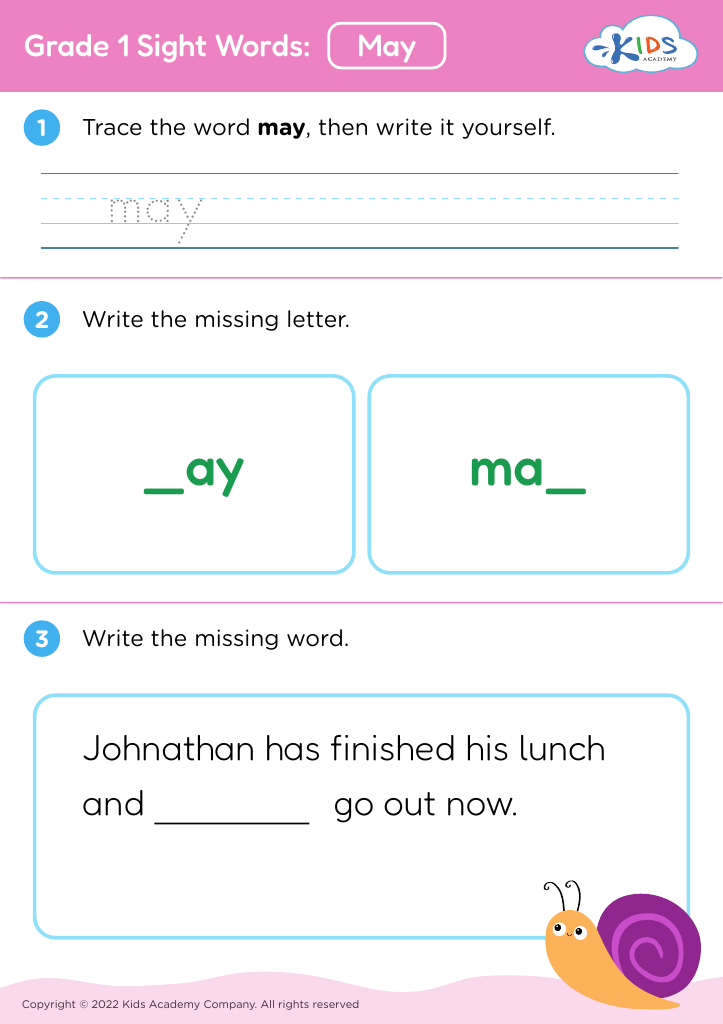
Grade 1 Sight Words: May

Grade 1 Sight Words: May

Grade 1 Sight Words: May
Worksheet
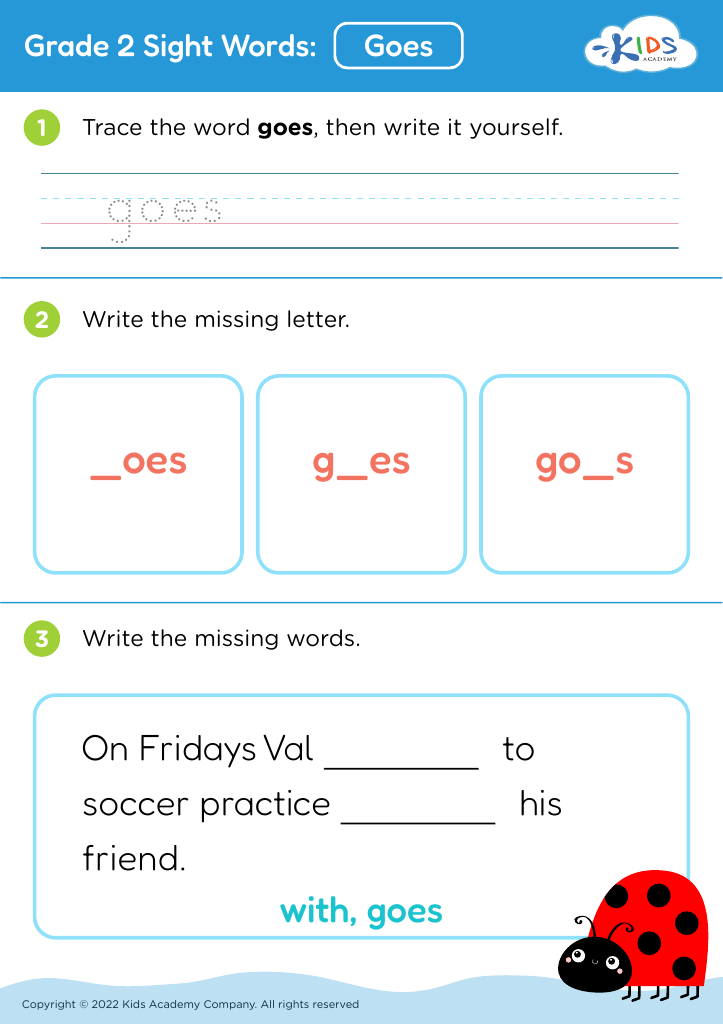
Grade 2 Sight Words: Goes

Grade 2 Sight Words: Goes

Grade 2 Sight Words: Goes
Worksheet


Developing math skills for children ages 4-7 is crucial for several reasons. First, this formative period is characterized by rapid cognitive growth, making early experiences in math essential for a strong educational foundation. At this age, children begin to understand basic concepts such as counting, measurement, and spatial awareness, which contribute to problem-solving abilities and critical thinking skills that serve them throughout their schooling.

Furthermore, early math skills have a direct correlation with later academic success. Research shows that children who develop strong math skills in early childhood perform better in math throughout their academic careers. Early math education fosters confidence and a positive attitude toward learning, reducing math anxiety as children progress.

Additionally, math isn't just about numbers; it's fundamental for everyday decision-making and logical reasoning. Everyday activities, from cooking to shopping, involve basic math principles. Teachers and parents can nurture mathematical understanding through interactive play and practical applications, making learning both fun and relevant.

Finally, investing in math skills early sets the stage for lifelong learning, ensuring children are equipped with the tools necessary for both personal and professional success in an increasingly complex world. Engaging in math at this stage helps children see its importance and relevance in their everyday lives.